







DOE debunks widespread brownouts due to oil crisis


At A Glance
- The Department of Energy (DOE) has debunked reports there could be widespread brownouts this year due to the ongoing oil crisis brought about by the conflict in the Middle East.
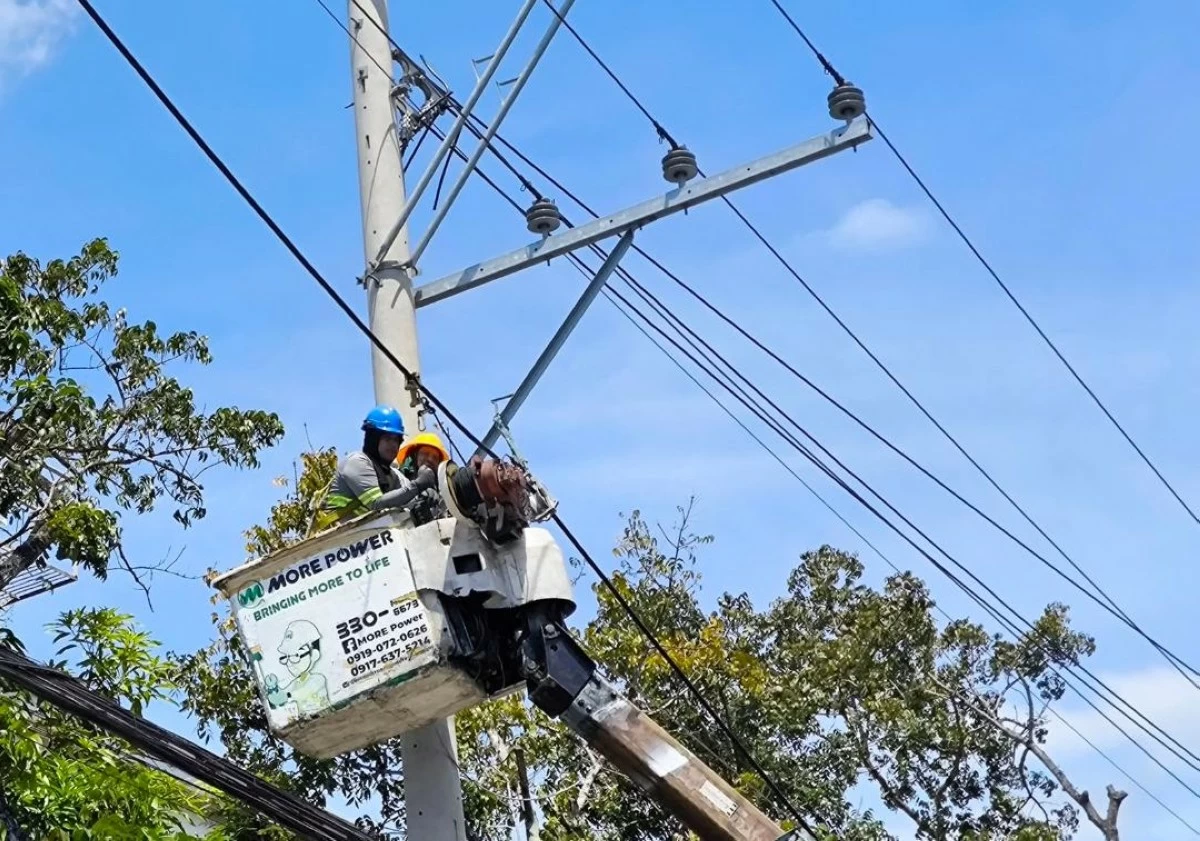
The Department of Energy (DOE) has debunked reports there could be widespread brownouts this year due to the ongoing oil crisis brought about by the conflict in the Middle East.
DOE Undersecretary Felix “Wimpy” Fuentebella made the assurance during the Senate’s hearing on the Proactive Response and Oversight for Timely and Effective Crisis Strategy (Protect) Ad Hoc committee.
This, after Sen. Paolo “Bam” Aquino IV raised questions about online rumors of a looming power crisis and widespread outages caused by a supposed oil crisis.
“No. It won’t be because of the oil crisis if we have a brownout. Maybe a wire would be hit, but it won’t be because of the oil crisis,” Fuentebella told senators during the hearing.
“As of now, no… But we will tell you and we will inform. We will be transparent if such an issue arises,” he stressed.
Fuentebella also assured members of the ad hoc committee that the National Oil and Gas Contingency Plan has an interagency approach in dealing with the impact of the Middle East conflict.
Nevertheless, senators pushed for the declaration of a state of national emergency in order to mitigate the effects of the ongoing conflict.
By declaring a state of emergency, Aquino said the government can immediately implement programs to regulate prices of essential goods and ensure the protection of essential services in public markets, hospitals and schools.
“We urgently need to declare a State of National Emergency and many of us feel the same way. The government needs broader emergency powers to immediately address this crisis,” Aquino said.
Aquino also said he wrote Executive Secretary Ralph Recto last week to request the formal negotiations on the ASEAN Petroleum Security Agreement (APSA).
This would help ensure member states can support each other during petroleum supply disruptions.
“This is the right time for us to lead this discussion and talk about the necessary long-term investments in infrastructure and the availability of oil supply in our country,” he said.
Sen. Sherwin Gatchalian, chairman of the Protect ad hoc committee, said that even with an interagency approach, the government needs to come up with a comprehensive national contingency plan.
“This is not only oil and gas, but also to include overseas Filipino workers (OFWs), our food security, of course, supermarket goods…” Gatchalian pointed out.
“It seems that until now we are still debating over whether we are already in a crisis or not in crisis. But for us here in the Senate, we are in a crisis already,” he said.
“…We need a cohesive Unified Coordinated National Contingency Plan. It’s just surprising that after almost three weeks, almost 24 to 25 days, we still don’t have a national contingency plan…It seems to me that every hour, every minute, the situation in the Middle East changes. All the more, we have to come up with a contingency plan if this gets prolonged,” he stressed.