






Manila Bulletin
 Philippines
National
DepEd School-Based Feeding Program 2026: How the P25.6-B budget will help 4.6M Filipino learners
Philippines
National
DepEd School-Based Feeding Program 2026: How the P25.6-B budget will help 4.6M Filipino learners
Philippines
National
DepEd School-Based Feeding Program 2026: How the P25.6-B budget will help 4.6M Filipino learners
DepEd School-Based Feeding Program 2026: How the P25.6-B budget will help 4.6M Filipino learners
Published Mar 24, 2026 03:35 pm


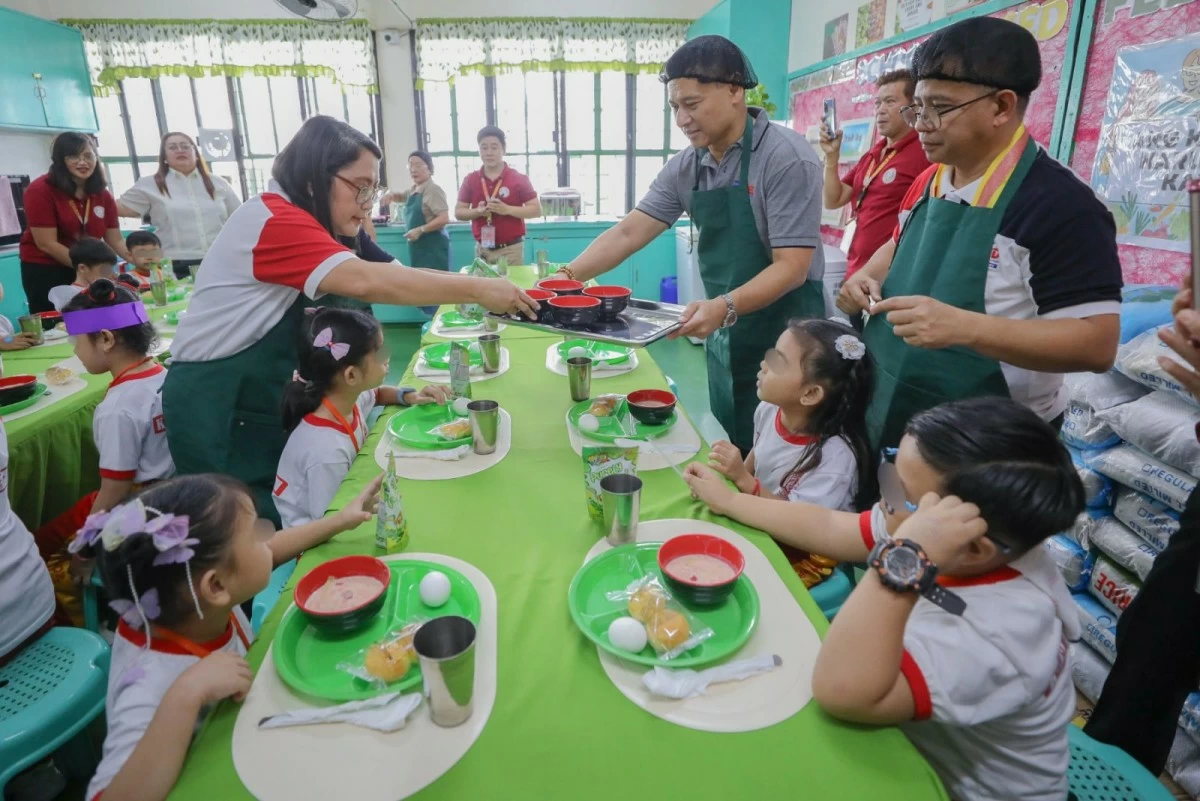
The Department of Education (DepEd) launches a record P25.6B School-Based Feeding Program to support 4.63 million learners and strengthen nutrition-driven learning nationwide. (DepEd photo)
The Department of Education (DepEd) is rolling out its largest-ever School-Based Feeding Program (SBFP) for School Year 2026–2027, allocating a record P25.6 billion to combat student hunger and improve learning outcomes.
In a statement issued Tuesday, March 24, DepEd said the expanded program is expected to benefit 4.63 million learners nationwide, marking a significant scale-up from previous years and signaling a shift toward long-term nutrition support in Philippine basic education.
From short-term aid to a system-wide nutrition strategy
The School-Based Feeding Program (SBFP) is a government initiative that provides daily nutritious meals to public school learners, particularly those who are undernourished or at risk of malnutrition.
For 2026, DepEd is transforming SBFP from a short-term intervention into a sustained, system-wide nutrition program integrated into the education framework.
P25.6B allocation more than doubles previous budget
The 2026 allocation is more than double the 2025 budget of P11.8 billion, making it the largest investment in school feeding in Philippine history.
Learners will now receive meals for 200 days, up from 120 days in 2025, 175 days in 2024, and 30 days in 2022. This extended duration ensures consistent nutritional support throughout the school year.
The program will cover a record number of learners, including Kindergarten to Grade 1 for universal feeding, undernourished learners in Grades 2 to 6, pregnant adolescent learners, and vulnerable and marginalized students beyond Grade 6.
Breaking the cycle of malnutrition
DepEd Secretary Sonny Angara emphasized that the initiative goes beyond addressing hunger, aiming to break the cycle of malnutrition while improving student dignity and academic performance.
“We are fulfilling President Bongbong Marcos’ directive to end the cycle of malnutrition in our schools by giving our learners the health to reach their goals,” Angara said.
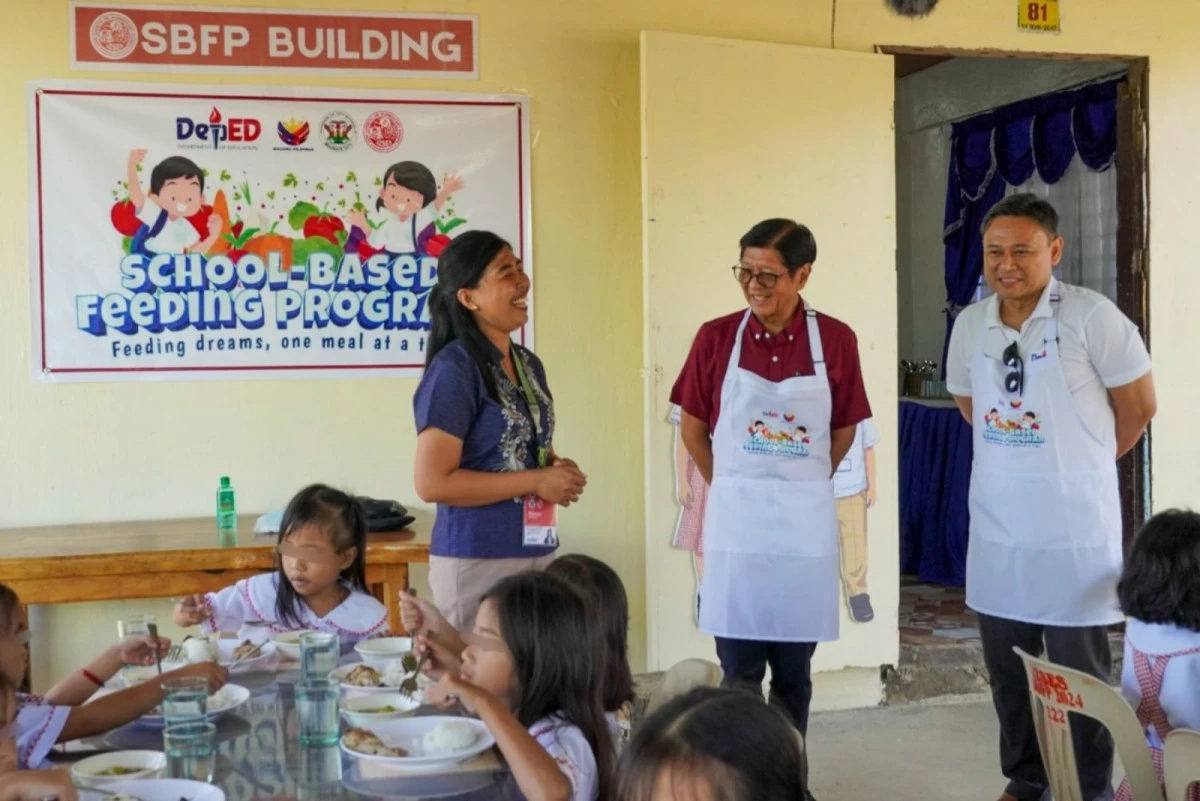
President Ferdinand R. Marcos Jr. and DepEd Secretary Sonny Angara lead the historic scale-up of the School-Based Feeding Program, now backed by a record-breaking P25.6 billion budget. (DepEd photo)
DepEd said teachers have already observed improvements in daily attendance, classroom participation, and student engagement, highlighting the strong link between nutrition and learning readiness.
Rapid expansion of the feeding program
DepEd’s feeding program has expanded rapidly in recent years.
In 2022, the program had a budget of P3.3 billion, covering 30 feeding days for 3.48 million learners. This increased to P5.7 billion in 2023 for 120 feeding days, serving 1.67 million learners, then to P11.7 billion in 2024, covering 175 feeding days for 2.11 million learners.
In 2025, the budget reached P11.8 billion, benefiting 3.39 million students for 120 days. By 2026, funding surged to P25.6 billion, supporting 200 feeding days for 4.63 million learners.
To signal the nationwide rollout, President Ferdinand Marcos Jr. joined DepEd officials in Masbate to lead feeding activities.
Additional engagements are set in urban areas, including a multi-service school event in Quezon City on March 25 featuring feeding activities, a Bagong Pilipinas Serbisyo Fair, Gulayan sa Paaralan visits, and student sessions on energy conservation.
Nutrition at the core of education policy shift
DepEd said the 2026 SBFP marks a strategic shift in education policy by embedding nutrition at the core of learning.
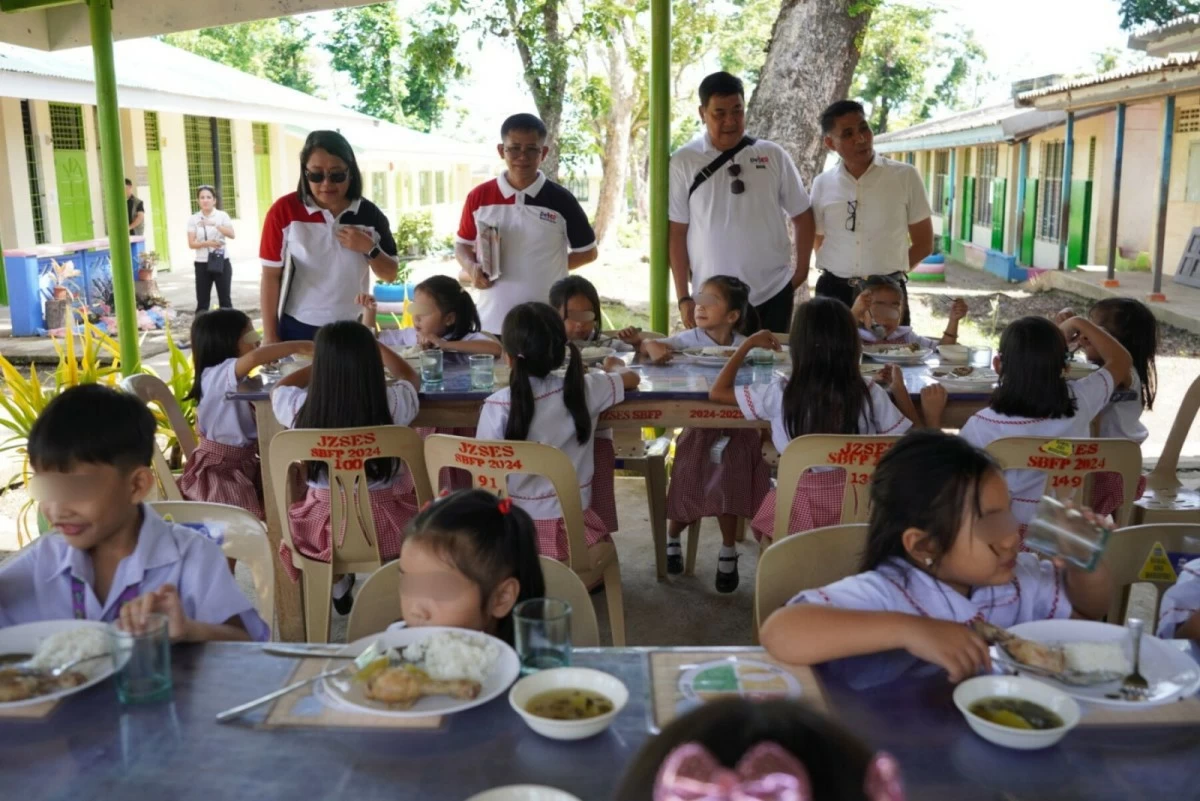
The landmark initiative aims to support 4.6 million learners, boost classroom engagement, and strengthen the academic future of Filipino students nationwide. (DepEd photo)
By extending feeding to 200 days and expanding coverage, DepEd said it aims to address chronic malnutrition, support learning recovery, and improve attendance and academic outcomes.