






Manila Bulletin
 Drive
Can't make the switch to electric vehicles yet? Here's how to make the most of your fuel
Drive
Can't make the switch to electric vehicles yet? Here's how to make the most of your fuel
Drive
Can't make the switch to electric vehicles yet? Here's how to make the most of your fuel
Can't make the switch to electric vehicles yet? Here's how to make the most of your fuel
Published Mar 24, 2026 03:00 am


At A Glance
- • Rising Middle East tensions are pushing fuel price volatility in import-dependent markets like the Philippines
- • Fuel saving is moving beyond simple tips into a more deliberate way of driving
- • Driver behavior, planning, and vehicle condition remain the biggest factors affecting consumption
- • Small adjustments behind the wheel can reduce the impact of rising fuel costs over time
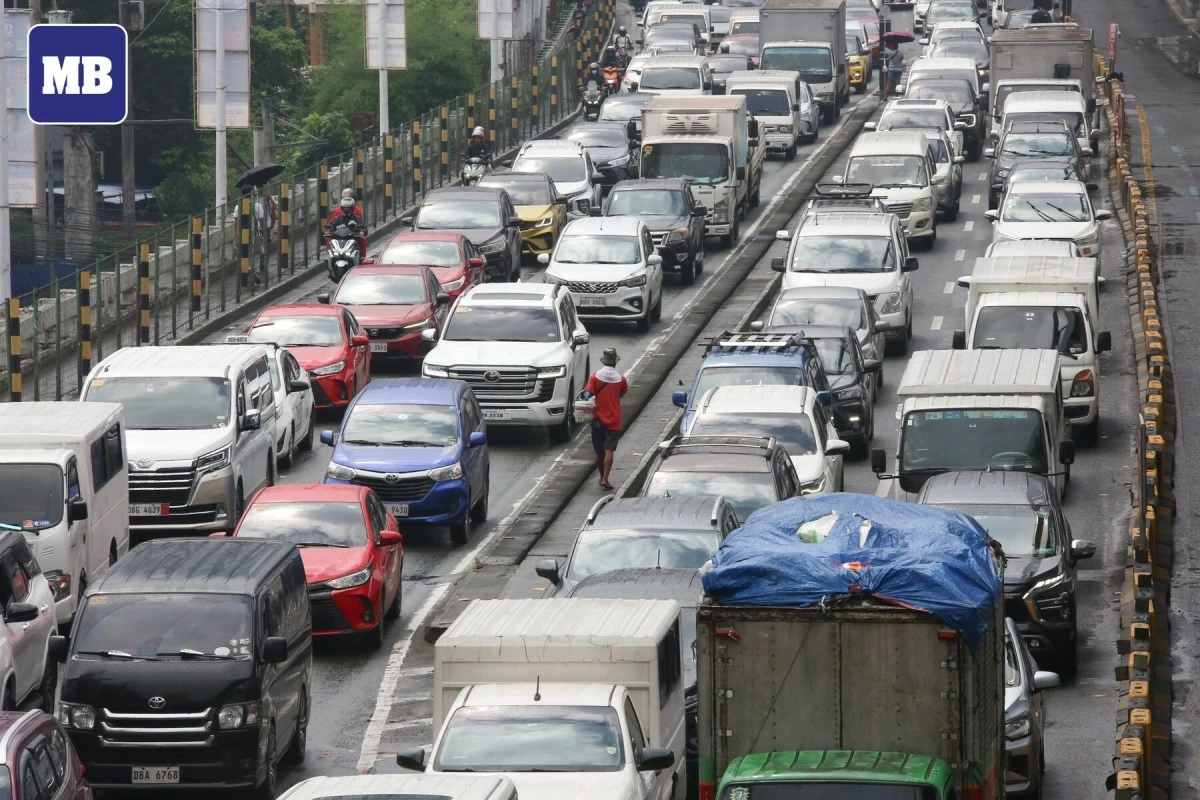
(Santi San Juan/MANILA BULLETIN)
Tensions in the Middle East are starting to affect global oil supply again, and the impact is already being felt across Asian fuel markets. For the Philippines, which relies heavily on imported fuel, that usually shows up at the pump. Prices move, and more often than not, they move up before they settle.
Electric vehicles are becoming more visible, and for some drivers, they already make sense. But for many, the switch is not that simple. Cost, charging access, and daily use still keep most motorists in internal combustion engine vehicles. That reality shapes how fuel should be approached today.
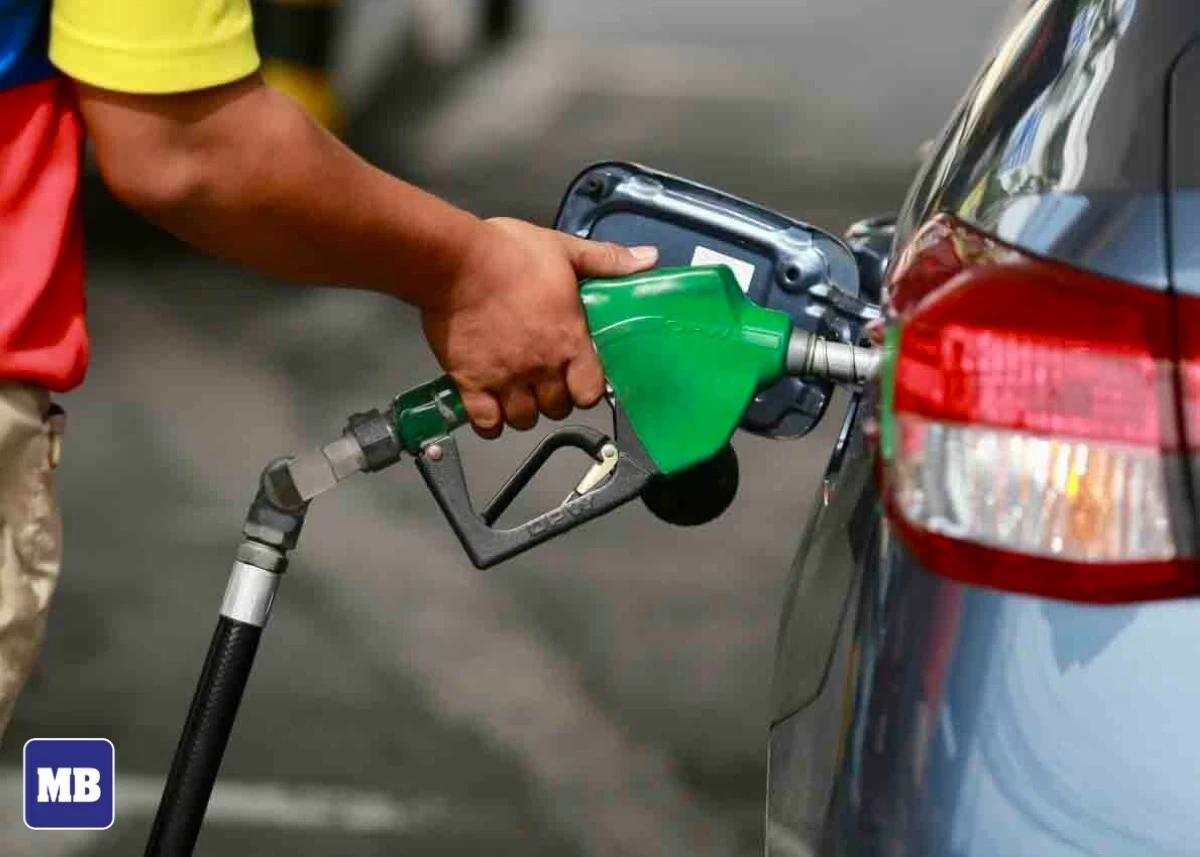
At a Quezon City gas station, a pump attendant fills a car's fuel tank. This week, the cost of petroleum products has risen, a direct result of escalating geopolitical tensions in the Middle East.
For the majority of drivers, managing fuel use is now a necessary part of everyday driving. There is no immediate shortage at the pumps, but the situation is becoming harder to ignore as prices have jumped at an alarming rate in recent weeks. Now, fuel-saving is no longer just a set of tips picked up here and there. Now more than ever, it should become an integral part of how a driver thinks and acts behind the wheel.
1. Drive smoothly
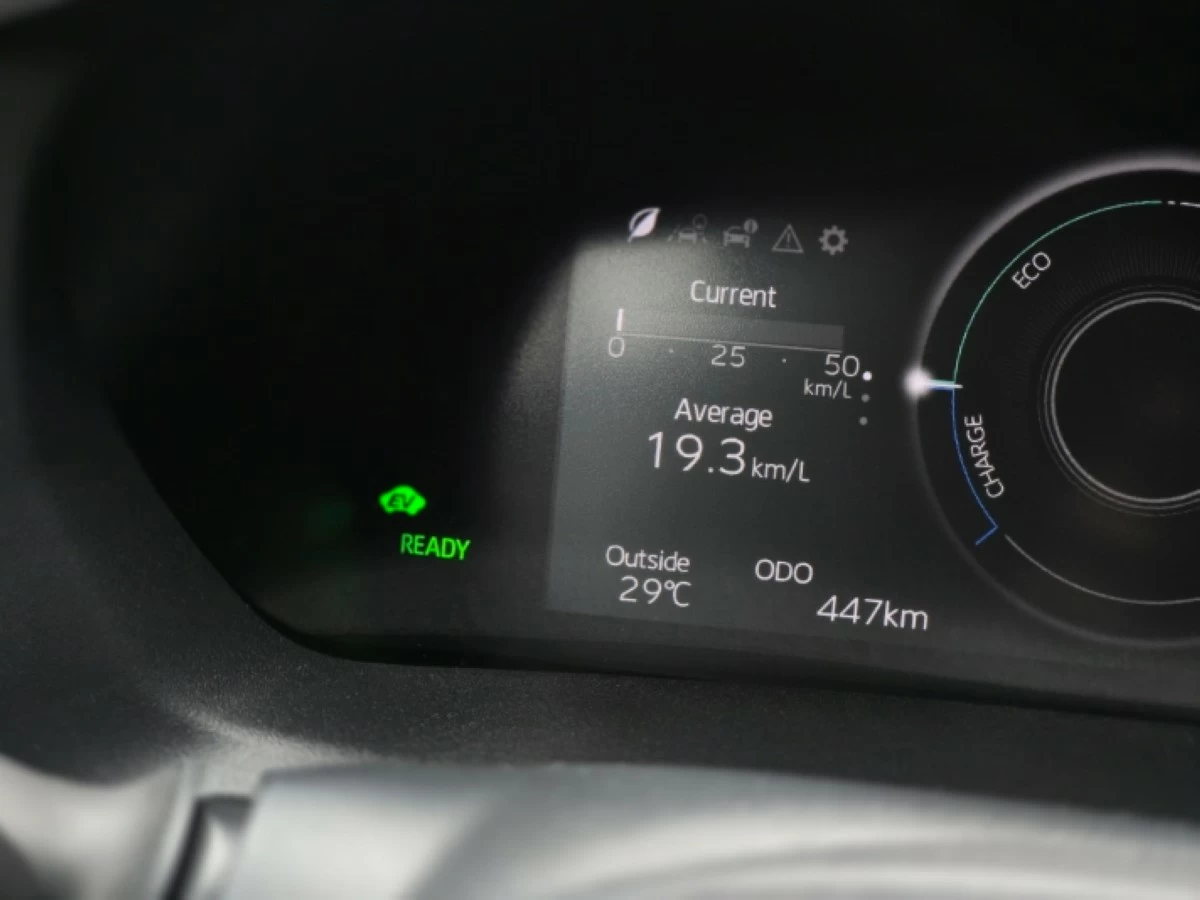
ATIV 1.5 HEV gague cluster shows EV mode
Most drivers, especially in traffic, tend to simply react to the road. Close a gap, brake late, accelerate again. It feels normal, but it uses more fuel than it should. Every sudden input asks more from the engine, and over time, it adds up.
A better approach is to look further ahead. Ease off the throttle as traffic builds, leave more space to the car in front, and bring the car up to speed gradually. In places like EDSA or Commonwealth, where traffic rarely settles into a steady flow, that alone can make a difference.
Speed is another habit that is easy to overlook. On open roads, it is natural to push a bit more, but higher speeds come with a cost. Most cars are most efficient somewhere between 80 km/h and 90 km/h. Go beyond that, and the engine works harder against air resistance. Over a long drive, that shows up more in fuel used than time saved.
Keeping a steady pace helps. It reduces unnecessary throttle inputs and keeps fuel use more consistent. On the highway, cruise control or adaptive cruise control can help with this. These systems hold speed more steadily than most drivers can, which often means better efficiency over long distances.
Keep your vehicle maintained
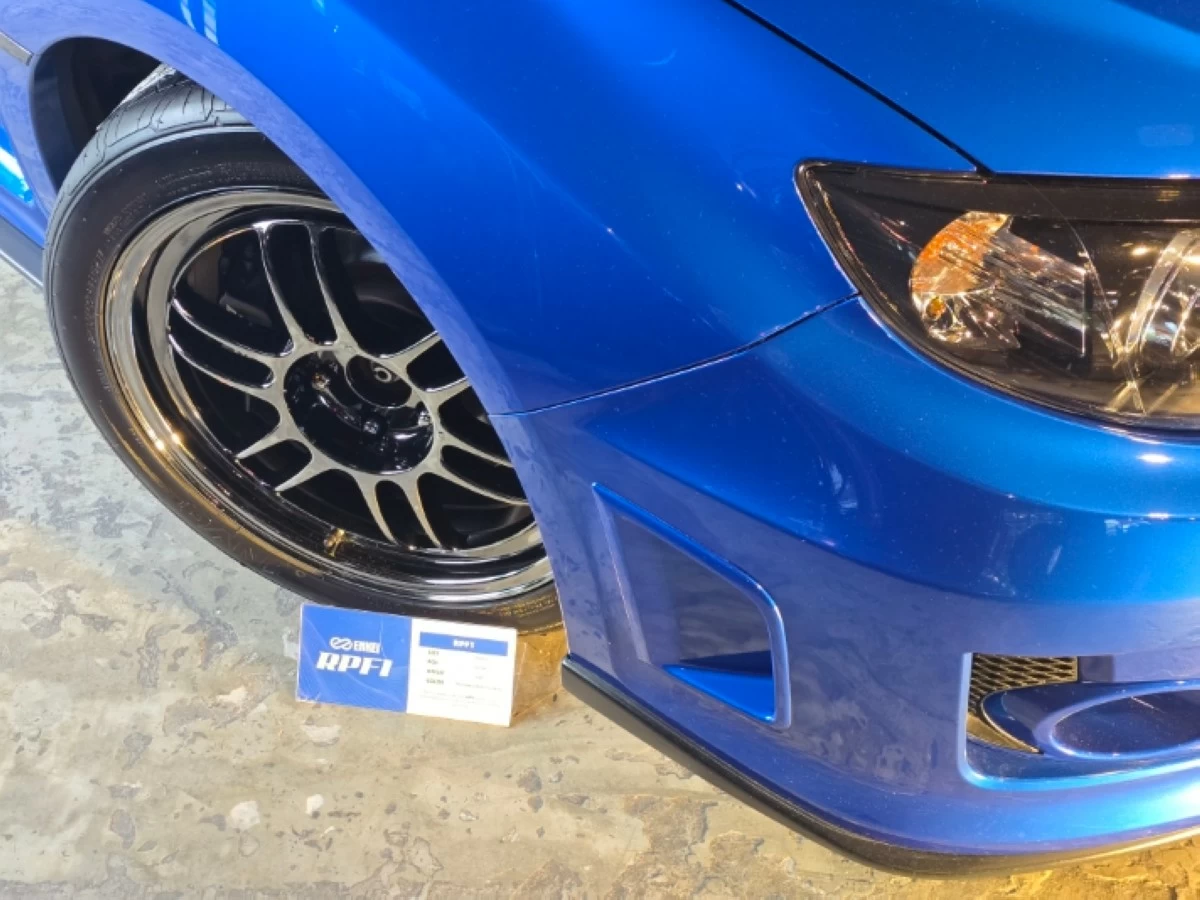
The condition of the car matters just as much. Tire pressure is an easy one to miss, but it directly affects how the car rolls. Low pressure increases resistance, and the engine has to work harder to compensate. Check the sticker on your driver side door to see what your recommended tire pressure is. Fill up with air at any gas station.
Wheel alignment is similarly overlooked. The car might still feel fine, but if it is slightly out of alignment, it creates drag over distance. It is not something you notice right away, but it affects efficiency over time. It's prudent to have your car's wheel alignment checked every few years because this does affect not just tire wear but fuel consumption too.
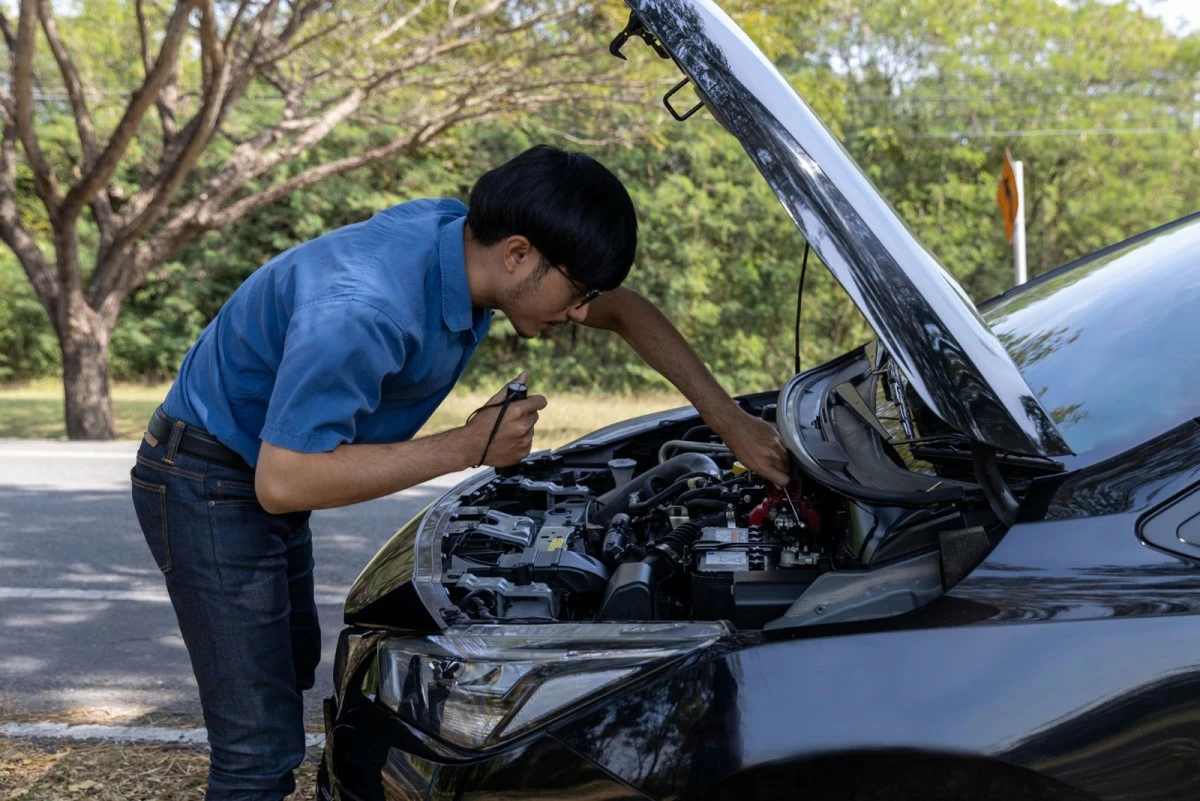
Maintenance plays a part as well. An engine in good condition runs more efficiently. Stop-and-go driving, especially in heavy traffic, can lead to buildup that affects combustion. Keeping up with basic servicing helps keep things running as they should.
Shift to a fuel-saving mindset
Idling is another common habit. Leaving the engine running while waiting feels harmless, but fuel is being used without the car moving. If a stop is going to take a while (like 5-minutes of more), switching the engine off helps. It is a small thing, but it reflects a more conscious approach to fuel use. If your car has a stop-start system, why not turn it back on again? You'd be surprised how much extra fuel you'd save.
Planning also comes into play. Short, unplanned trips, repeated drives to nearby places, and peak-hour travel all work against efficiency. Metro Manila traffic makes this worse, with average speeds in some areas dropping to around 10 to 15 km/h during rush hour. Taking a bit of time to plan routes, group errands, or avoid the worst traffic windows can help cut down time spent in stop-and-go conditions.
Much of what affects fuel prices sits outside the driver’s control. Global supply reacts to events far from local roads, and prices tend to follow. What stays within control is how the car is driven.
For drivers who still rely on internal combustion vehicles, that matters. Smoother inputs, steady speeds, proper maintenance, and better planning will not eliminate rising costs, but they help keep fuel use in check. Over time, those small adjustments add up, and put together, they become a way to manage fuel use in a period where prices are likely to remain uncertain.