






Manila Bulletin
 Philippines
National
WHO pushes stronger action as millions remain affected by TB in Western Pacific
Philippines
National
WHO pushes stronger action as millions remain affected by TB in Western Pacific
Philippines
National
WHO pushes stronger action as millions remain affected by TB in Western Pacific
WHO pushes stronger action as millions remain affected by TB in Western Pacific
By Jel Santos
Published Mar 23, 2026 02:45 pm


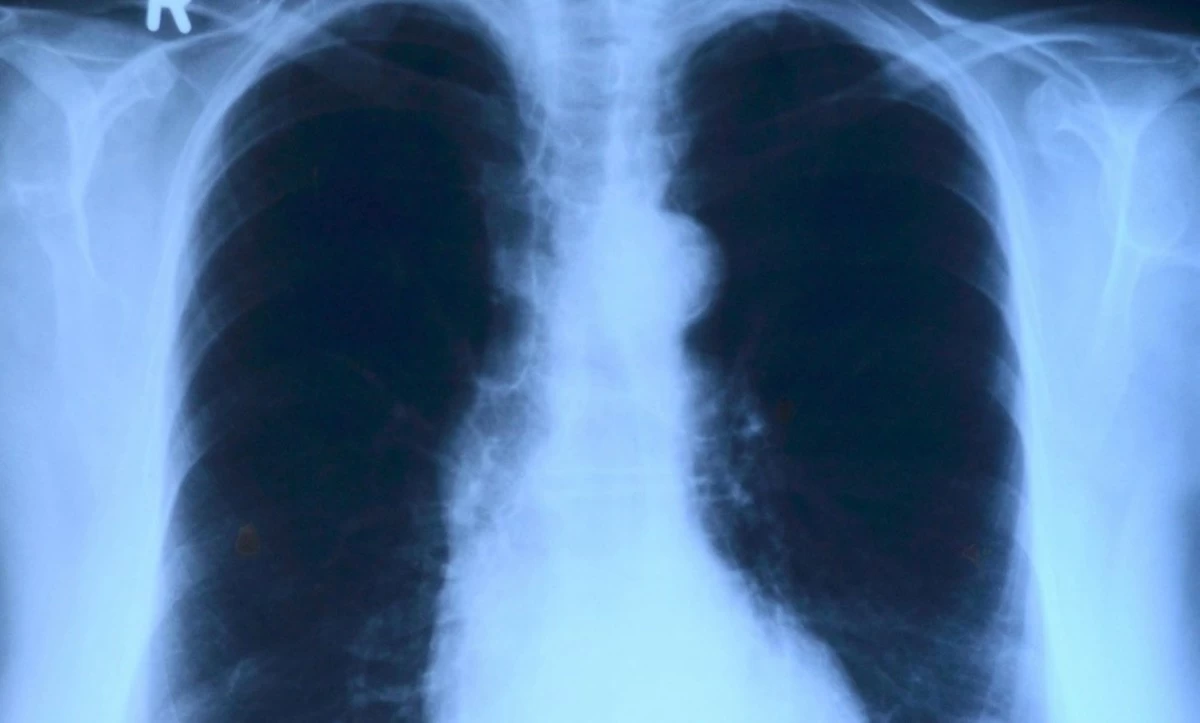
(PHOTO: PIXABAY)
The World Health Organization (WHO) has called for stronger political commitment, increased innovation, and decentralized health services to end tuberculosis (TB), as it warned that millions remain affected across the Western Pacific Region.
In a World Tuberculosis Day 2026 press release, the WHO Western Pacific Region urged countries to intensify efforts to transform TB care, expand access to diagnostics, and bring services closer to communities.
“WHO calls on governments, health workers, civil society and communities to sustain political commitment, empower health workers, combat stigma and ensure essential TB services remain accessible and resilient,” Dr. Huong Tran, the WHO director of Health Promotion, Disease Prevention and Control in the Western Pacific, said.
Carrying the theme “Yes! We can End TB!”, the organization stressed that the disease can be eliminated if governments promptly strengthen primary health care systems and sustain gains in the TB response.
Data cited by WHO showed that an estimated 2.9 million people were affected by TB in the Western Pacific Region in 2024, with the Philippines, Indonesia, and China among the world’s top five high-burden countries.
“Ending TB in the Western Pacific Region is achievable – if we transform care, decentralize services, and act with ever greater urgency,” Dr Saia Ma’u Piukala said.
“Bringing TB services closer to communities and rapidly expanding access to new diagnostic tools, in an environment free of stigma, are essential to reaching everyone in need,” he added.
According to WHO, integrating TB services into primary health care can improve early detection, reduce treatment delays, and prevent further transmission, particularly among vulnerable populations.
As such, it urged countries to accelerate the rollout of WHO-recommended near-point-of-care molecular tests to enable faster and more accurate detection of TB, including drug-resistant cases.
WHO warned that progress remains at risk despite recent gains such as improved access to rapid diagnostics, broader adoption of shorter all-oral treatments for drug-resistant TB, and expanded preventive treatment coverage.
It cited stagnant funding, persistent risk factors such as smoking, undernutrition, alcohol use, and diabetes, as well as competing health priorities, as key challenges threatening TB services.
WHO stressed that investing in TB programs yields significant returns, noting that every dollar spent can generate up to $43 in health and economic benefits.