







God would want you vaccinated
Understanding the relations of faith and vaccination
Published Mar 23, 2026 08:26 pm


At A Glance
- While some conservative religious groups have been linked to anti-vaccine and vaccine hesitancy movements, most mainstream organized religions, such as Christianity, Hinduism, Judaism, and Islam, are generally supportive of vaccination.
A good friend recently asked me if I had problems reconciling giving vaccines with my Catholic beliefs. I told him that there was absolutely no conflict, and I mentioned that Pope Francis, during the Covid-19 pandemic, strongly advocated for vaccination. Pope Francis specifically mentioned that vaccination was “an act of love” due to its ability to protect not just oneself but the most at-risk members of society. He further stated that, “Getting vaccinated is a simple yet profound way to care for one another, especially the most vulnerable.”
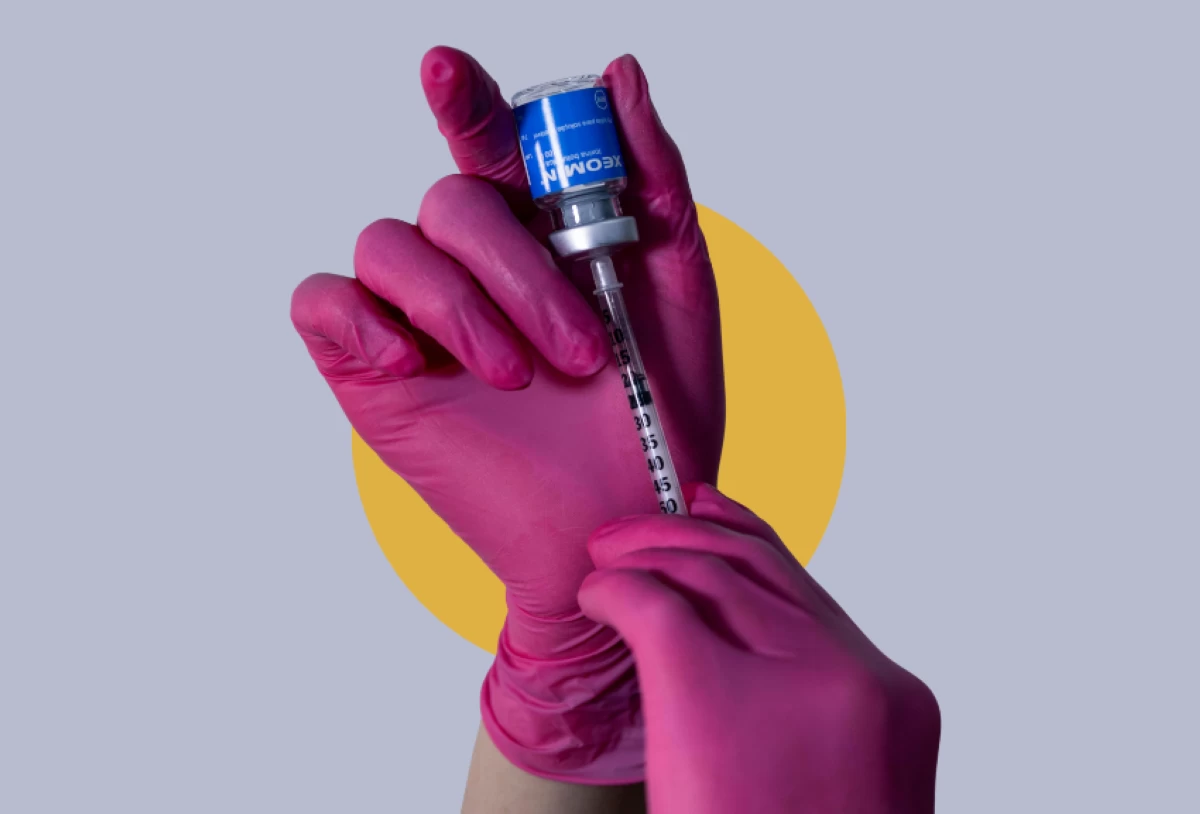
Vaccines are among the most effective interventions in modern medicine. More than 30 potentially life-threatening infections can be prevented by vaccination. Immunization prevents up to five million deaths per year, not to mention the complications and burden of illness from vaccine-preventable diseases. Vaccination not only impacts the individual person, but it also has profound public health benefits. These include herd immunity, which protects even those who cannot get vaccinated. Vaccination has already eliminated smallpox, and many vaccine-preventable illnesses like polio and measles are virtually non-existent in many parts of the world.
While some conservative religious groups have been linked to anti-vaccine and vaccine hesitancy movements, most mainstream organized religions, such as Christianity, Hinduism, Judaism, and Islam, are generally supportive of vaccination. Recognizing the societal benefit of vaccination, there are numerous church teachings that encourage and even obligate getting vaccinated to protect others. In addition, most mainstream religions have spoken out against dangerous vaccine misinformation, particularly the debunked association between autism and the measles vaccine. There are, however, a few caveats worth mentioning.
One issue that keeps getting brought up, especially for the Catholic Church, is the use of material that was derived from aborted fetuses from the 1960s in the development of some (not all) vaccines. Unfortunately, some anti-vaccine groups have deliberately obfuscated this issue despite clear guidance from church authorities that these vaccines can be used, especially when no alternatives are readily available. Moreover, the moral obligation to get vaccinated to protect others in the community has been de-emphasized while magnifying misleading information.
No modern vaccine contains cells from aborted fetuses. Cell lines, which are cell cultures established from animal or human tissues that can be grown indefinitely in the laboratory, are used to propagate viruses for vaccination. The viruses are separated from the cells during processing and are not included in the final product. The tissues used to establish some human cell lines were taken from fetuses that were already aborted for a different reason. These fetuses were not harvested for the purpose of making vaccines. Finally, no new tissues are being taken from aborted fetuses for vaccine development in the modern era since there are enough established cell lines, both human and animal, for developing our current vaccines.
The fact that some vaccines were developed using cell lines derived from aborted fetuses at some point in their formulation has already been extensively addressed by the Vatican and Church authorities. The Catholic Church has consistently taught that in the absence of alternative vaccines derived from other processes, it is morally permissible for Catholics to access these vaccines to protect their health and the health of other people. The Pontifical Academy for Life went further and specifically stated that “all clinically recommended vaccinations can be used with a clear conscience and that the use of such vaccines does not signify some sort of cooperation with voluntary abortion.” In addition, they stated that “the moral responsibility to vaccinate is reiterated in order to avoid serious health risks for children and the general population.”
Regarding misinformation, the Catholic Church points to the results of numerous large-scale studies that have all conclusively shown that there is no association between vaccines and autism. This includes studies on thimerosal, as well as administering multiple vaccines all at once. As for the purported association of vaccines with infertility, the opposite was found to be true. Mumps in particular can cause male infertility, and so vaccination against this disease promotes fertility. Rubella in pregnant women can lead to miscarriages and birth defects, and so vaccination will actually improve birth outcomes.
Mainstream Islam is generally supportive of vaccination since the Prophet Mohammad stated that God gave man the means to find cures for diseases, which can be used to relieve suffering (Alsuwaidi, A. R., Hammad, H. A. A. K., Elbarazi, I., and Sheek-Hussein, M., 2023, “Vaccine hesitancy within the Muslim community: Islamic faith and public health perspectives.”). The Prophet urged doctors to conduct research and do scientific studies to find medicines to treat diseases. Based on these principles, many Islamic scholars consider vaccination a religious obligation. In 2016, the Fatwa Committee of Perlis in Malaysia issued a statement affirming this: “Parents have the duty to protect their children from any form of harm. To date, vaccination of children has been proven to be the most effective way to protect children from infectious diseases such as measles, polio, influenza, meningococcal infection, and diarrhea. It is considered a religious obligation (wajib) for parents or guardians to protect their children against these illnesses by vaccinating them.”
There have been some fatwas (Islamic religious rulings) that have been anti-vaccination. These understandably include prohibitions against vaccines that contain porcine products, as these are considered unclean. Similar to the Catholic situation on cell lines derived from fetal tissue, however, a vaccine with porcine components is morally permissible if there is no alternative. This is in line with Islamic teaching to access interventions that prevent death. Some Islamic scholars have invoked the principle of istihala, where impure substances are transformed into pure ones when processed through complete chemical reactions. The World Health Organization Regional Office for the Eastern Mediterranean has mentioned this concept in a letter citing the collective opinion of Islamic religious scholars specific to the use of porcine gelatin in some vaccine preparations.
There are many other issues regarding vaccination and religion that go back and forth, but these can be resolved by careful consultation with religious leaders, such as priests and imams, and the lay community at large.
Perhaps the one common antivaxxer thread through all the religions is the idea that vaccination is somehow unnatural since it is an artificial means of inducing immunity. This is a gross misunderstanding of how vaccines work, since the active ingredients that induce immunity in vaccines are derived from natural substances, and the mechanism of protection is through one’s own immune system by teaching and strengthening the body’s own defenses. Finally, using the knowledge that God has given us to find solutions to our problems is not only natural but expected behavior, especially if it ends up saving human lives.