






Manila Bulletin
 Business
Banking & Finance
Trump's threats on Iran batter peso to another record low ₱60.3 per dollar
Business
Banking & Finance
Trump's threats on Iran batter peso to another record low ₱60.3 per dollar
Business
Banking & Finance
Trump's threats on Iran batter peso to another record low ₱60.3 per dollar
Trump's threats on Iran batter peso to another record low ₱60.3 per dollar
By Derco Rosal
Published Mar 23, 2026 04:49 pm


At A Glance
- America's intensifying threats to Iran continued to prop up the United States (US) dollar, while inflicting even more serious damage on the Philippine peso, which hit another record low after just breaching the 60 threshold last week.
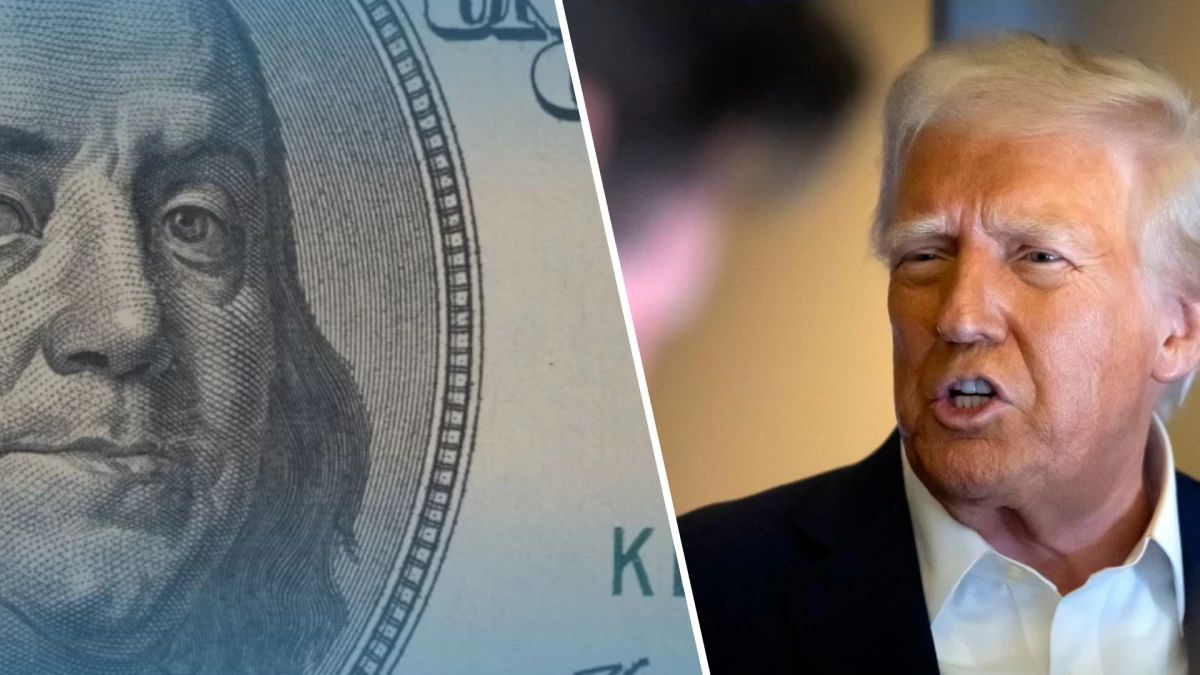
America’s intensifying threats to Iran continued to prop up the United States (US) dollar, while inflicting even more serious damage on the Philippine peso, which hit another record low after breaching the ₱60:$1 threshold just last week.
The peso shed 20 more centavos against the US dollar on Monday, March 23, closing at a fresh historic low of ₱60.3.
According to the Bankers Association of the Philippines (BAP), the local currency hit an intraday low of ₱60.37 and a high of ₱60.146 after opening at ₱60.15.
Total trading volume slid to $1.652 billion from $2.437 billion last Thursday, March 19, when the peso breached the ₱60:$1 level for the first time.
Note that markets were closed on Friday, March 20, as the country commemorated Eid’l Fitr.
Singapore-based DBS Bank Ltd. noted that amid Middle East-driven energy supply shocks, the Philippine peso has emerged as one of the weakest Association of Southeast Asian Nations (ASEAN)-6 currencies, reflecting the country’s vulnerability to imported fuel, with risks of a broader inflation surge if rising energy and food prices converge.
According to a trader, the peso sustained losses after US President Donald Trump “intensified his threats to Iran over the weekend.” Should this military rift remain heated over the coming months, the trader said the peso might remain weak, slumping to as low as ₱60.4 per dollar.
Another trader said the slump mirrors dollar appreciation, “with higher oil widening the import bill and risk-off flows.” The trader added that this breach of the ₱60:$1 mark is likely a short-term overshoot rather than a new norm.
While uncertainty could pin this foreign exchange (forex) rate at this level, the peso could regain footing below ₱60 versus the greenback “once external pressures ease.”