







Madrid through a Filipino student's eyes
How city life, Instituto de Empresa's learning style, and cultural shifts shaped my independence and maturity
Published Mar 23, 2026 09:55 am


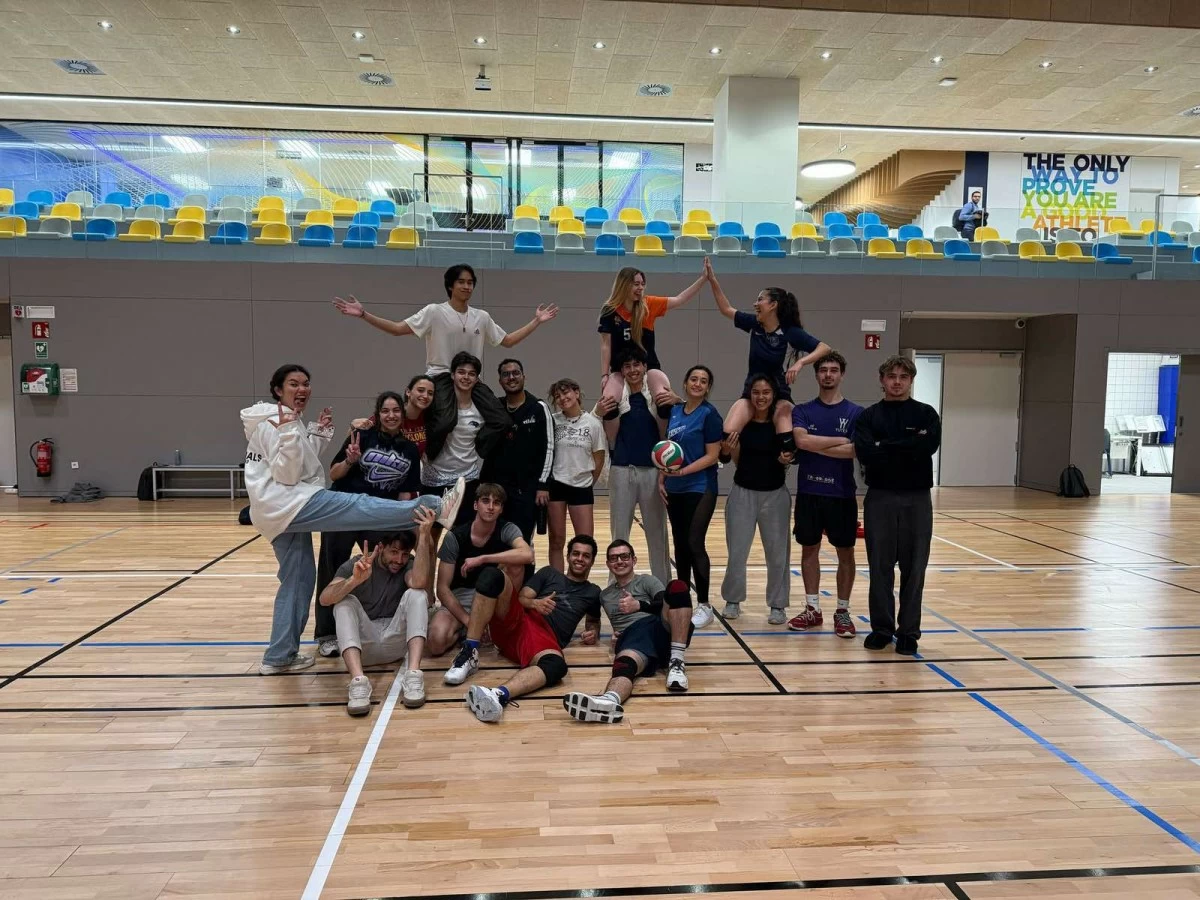
The author having a fun campus life with his classmates
By Inigo I. Eleazar, 20
Bachelor's in Business Administration (BBA)
Universidad Instituto de Empresa, Madrid
As an Instituto de Empresa (IE) student studying in Madrid, my school days start quite differently from those of the average university student. Rather than walking into a campus and passing by numerous colleges on the way to class, I find myself getting off the metro in the heart of Madrid’s premier business district.
Instead of the usual teenagers sprawled across campus grounds, I spend my mornings surrounded by the rush of businessmen, women, and professionals on their way to work.
IE Madrid reimagines the typical university model from a completely different perspective. Compared to other universities, its location alone already sets it apart. The Caleido, which houses IE University, is a 14-hectare mixed-use urban complex acquired by Filipino businessman Dr. Andrew Tan through his private real estate investment company, Emperador Properties.
Being situated in a top business district creates an atmosphere of professionalism and maturity that is usually only found in real-world work environments. This is further reinforced by life in Madrid in general, as the city demands a fast-paced lifestyle and rewards individuals who practice independence, hard work, and perseverance.
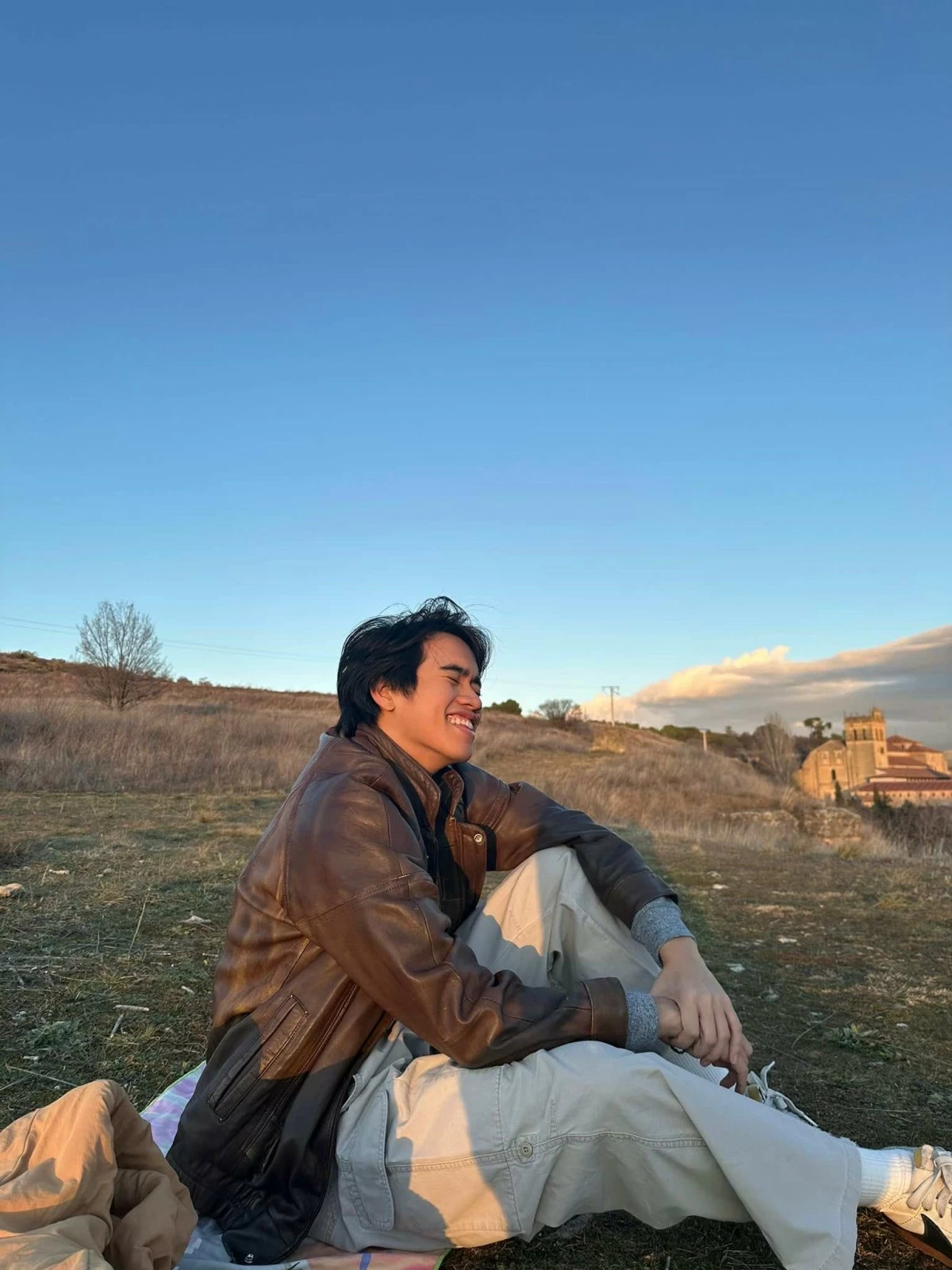
The author
Academic life at IE
IE’s learning style further differentiates it from other universities—something it prides itself on as one of Europe’s top business schools. Its classes are more similar to high school setups than to those in typical universities. Students are grouped into classes of no more than 65, ensuring a more intimate learning experience between professors and students. This smaller class size allows for a deeper understanding of topics and more opportunities for debate and the exchange of ideas.
IE is also known for its modernity and use of new technologies to enhance the student experience. This is evident in its paperless policy, which maximizes the use of our devices and optimizes learning.
From the moment you enter campus, you are greeted by a facial recognition system for ease of identification. Each floor is equipped with a state-of-the-art elevator system that optimizes speed and efficiency. Classrooms are fitted with screens, speakers, and microphones to ensure clarity.
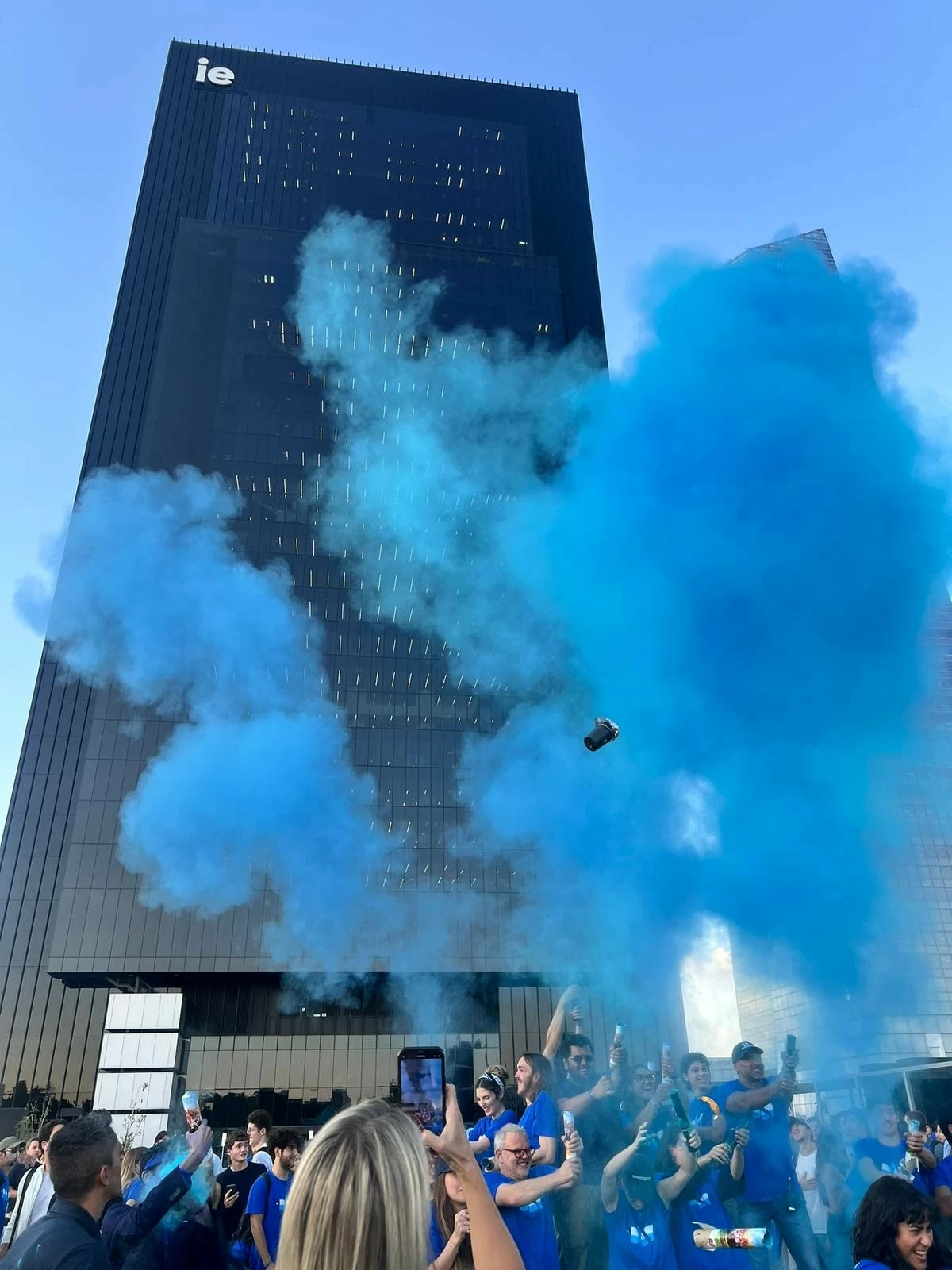
Instituto de Empresa
A typical school day for a single-degree student, such as myself, usually includes two to three classes, each lasting 80 minutes. Students typically come to campus only during their scheduled class times. However, the university offers a variety of spaces for students to focus on group work or prepare during finals season.
Each floor is lined with bookable rooms we call “fishbowls,” providing a quiet space for focused study. If studying in the tower is not your style, many students prefer the IE Master’s Building on María de Molina, which contrasts with the tower’s corporate atmosphere. It feels more like a traditional university setting, with a vast library, greenery, and open spaces.
With its prime commercial location, the tower gives students easy access to numerous restaurants. For something quicker, mini cafés throughout the building offer pastries and beverages between classes. The tower also features a full cafeteria on floor -4, where students can choose from pre-packed meals, hot dishes, or customizable salads and poke bowls.
The campus also includes a gym and sports facility, where students can train before or after classes. This is where the university’s performance teams practice and where students of all skill levels are welcome to participate.
For those who frequent these facilities, it can feel like a community within a community—the only place on campus where students can truly connect outside the classroom.
Personally, I’ve formed close friendships with people from different years and programs through sports—individuals I likely would not have met otherwise, given the tower’s limited communal spaces.
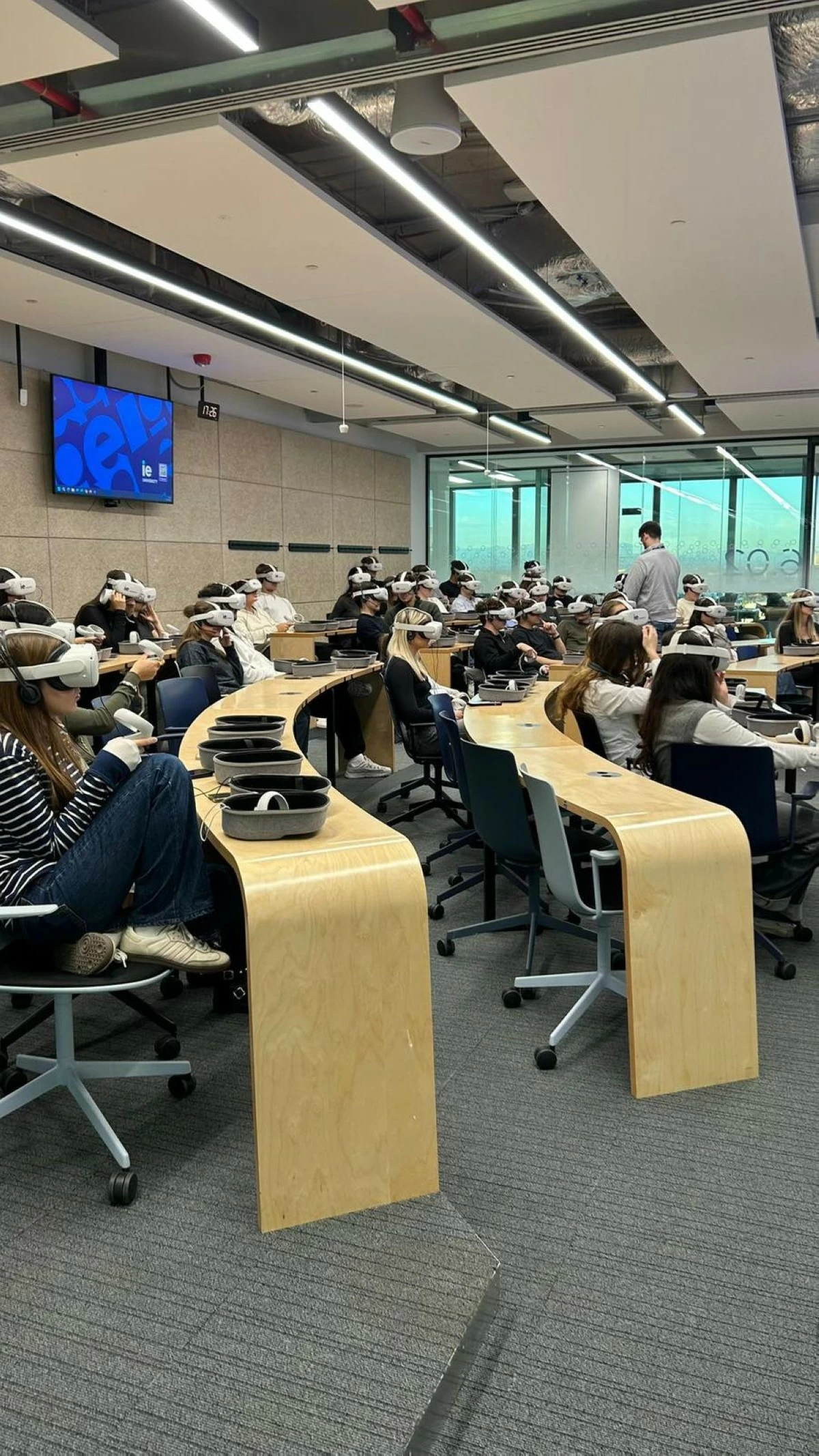
Inside the classroom
Exploring the vibrant streets of Madrid
Now in my second semester as a second-year student, I can confidently say that this city and university have reshaped the way I think, perceive, and live my life. Madrid, a vibrant and demanding city, pushes you to become more independent and mature.
The city’s efficient public transportation system has shown me how seamless daily commuting can be without relying on private cars. Learning Spanish has also taught me valuable life skills—benefiting me professionally while challenging and sharpening my mind.
When I’m not working on school requirements, I often find myself exploring the city center and nearby streets. Whether it’s getting fresh air in Plaza de España or experiencing the energy of Gran Vía, walking through the city offers a refreshing break from the business district.
As someone deeply passionate about food, Madrid’s many mercados are places I can visit any day of the week to recharge and indulge in what I enjoy. At night, the city transforms—Madrid’s nightlife is unmatched, with people often staying out until 6 a.m., enjoying the energy of the city.
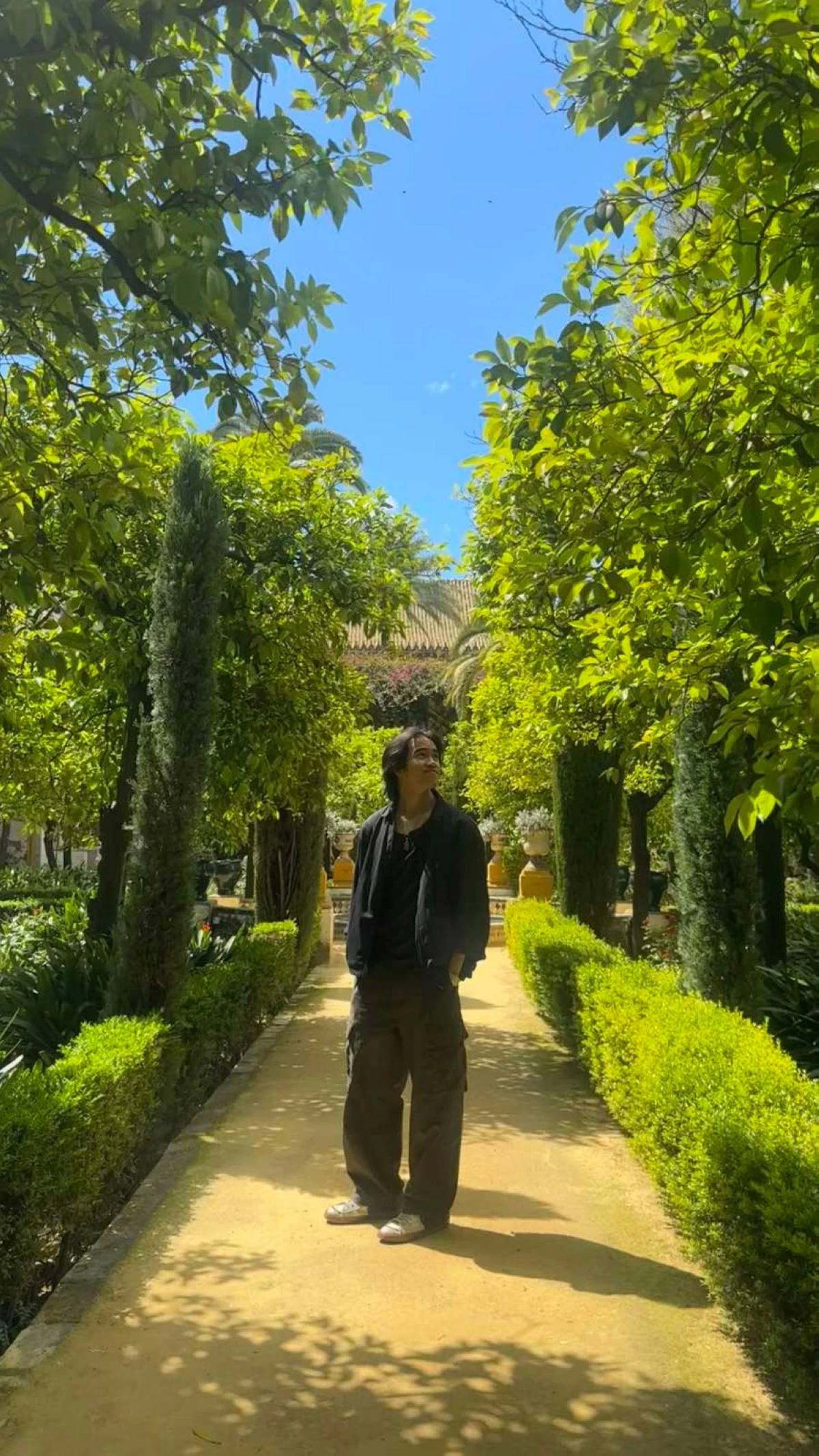
OFF CAMPUS The author exploring Madrid
Roots and resilience
As a Filipino born and raised in Manila, overcoming challenges is something I wish I had understood more deeply before coming to IE. While the IE Tower’s professionalism and business-driven environment are impressive, they can also feel intimidating and, at times, culture-shocking.
Due to the campus’s lack of a traditional structure—interconnected buildings, open walkways, and green spaces—it can be harder to feel a strong sense of “university spirit.” The system is designed to instill a mature and professional mindset. In contrast to IE Segovia’s more conventional—yet still distinctive—campus, housed in an 800-year-old convent, the tower and its students may initially seem less approachable and more difficult to connect with.
This is not to say that socializing in Madrid is difficult. Any university student here would likely say the opposite. However, it does require more effort compared to living in a smaller university town. Neither experience is inherently better—I chose Madrid because I wanted to embrace independent city life and the challenges that come with it.
IE’s constant exposure to real-world professional scenarios—presentations, public speaking, and high-pressure situations—has shaped me into someone confident in expressing ideas, defending viewpoints, and staying composed under stress.
With all these experiences, I have undoubtedly grown into someone who embraces change and looks forward to the future. Yet at the end of each day, as I leave campus, I am reminded of my roots when I see the Filipino flag at the base of the Cuatro Torres area. It stands as a symbol of Filipino resilience and motivates me to keep going, no matter the challenge.