






 Philippines
National
JV Ejercito pushes for creation of inter-agency task force on Middle East conflict
Philippines
National
JV Ejercito pushes for creation of inter-agency task force on Middle East conflict
JV Ejercito pushes for creation of inter-agency task force on Middle East conflict


At A Glance
- Senator Joseph Victor "JV" Ejercito on Monday, March 23 pushed for the creation of a government inter-agency task force that would oversee the potential impact of the escalating Middle East conflict on the Philippines' economy and energy.
Senator Joseph Victor “JV” Ejercito on Monday, March 23 pushed for the creation of a government inter-agency task force that would oversee the potential impact of the escalating Middle East conflict on the Philippines' economy and energy.
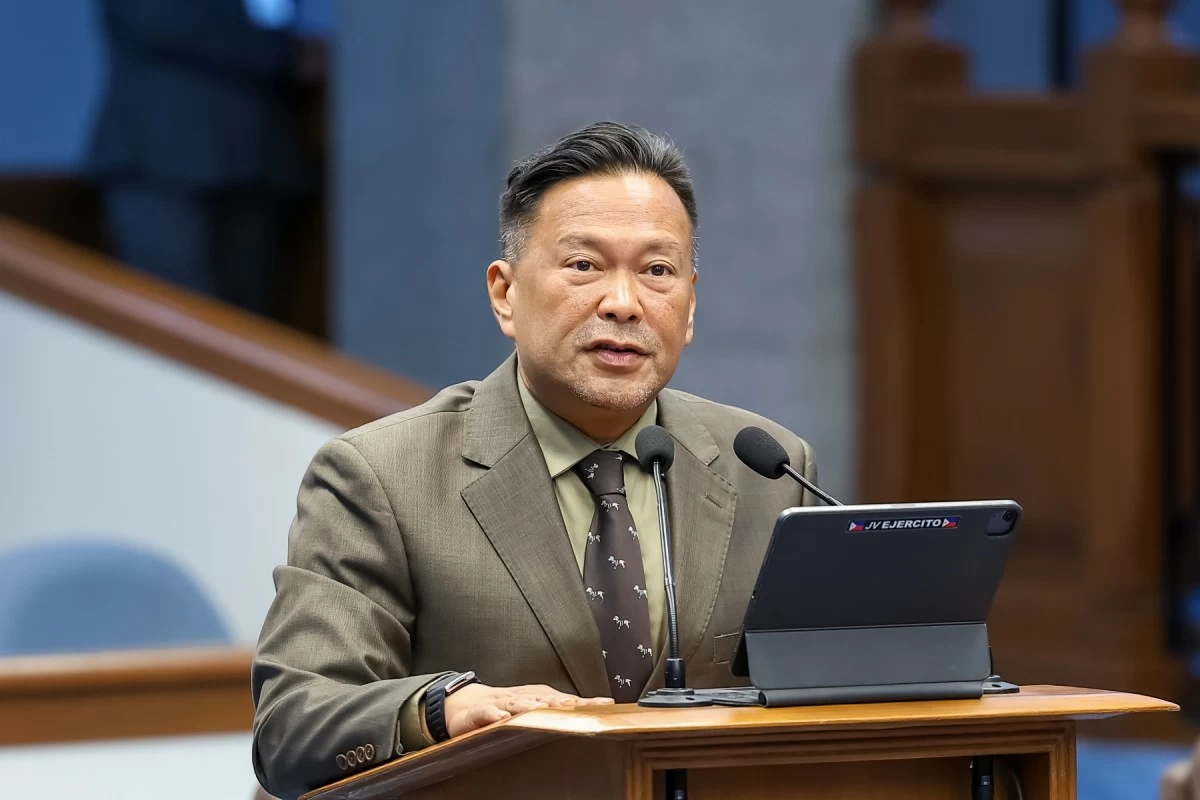
Ejercito said it is imperative that the government not wait for the crisis to get worse, but should instead be preparing for any eventuality.
“We should be proactive and prepare for the worst, like a COVID pandemic situation,” Ejercito said in an interview.
“I hope a task force will be established to discuss what can be done. For example, what the plan is for austerity measures,” the senator further said.
As one of the authors of Senate Resolution No. 43, which the Upper Chamber adopted last week, Ejercito said the measure should push for early action amid possible fuel supply disruptions.
A task force, he said, would provide the public daily updates and keep them informed of the latest developments.
Senate Resolution No. 43 urges the Executive department to set up a national contingency framework using a whole-of-government and whole-of-nation approach to the oil crisis and the ongoing conflict in the Middle East.
“It's worrying that if the supply is really affected, what will we do? If our economy slows down, what about our food, how will we move around? We don't want our countrymen to suffer,” said Ejercito.
Moreover, he pointed out Congress has already authorized the President to suspend excise taxes on fuel to help protect consumers from price shocks.
But the impact extends beyond fuel prices as it could also affect supply chains and production costs worldwide, as many Asian economies, including China, rely heavily on Middle Eastern oil, which in turn powers manufacturing and exports, the senator noted.
“This is a domino effect because the global market is dependent on oil from the Middle East. When supply is affected, the price of oil will increase, as will the cost of production, the price of food, airfares, and almost all products. And in the end, ordinary consumers will bear the brunt of the impact,” he stressed.