






Manila Bulletin
 Embassies & Foreign Affairs
Hungary and PH connect through poetry and shared histories
Embassies & Foreign Affairs
Hungary and PH connect through poetry and shared histories
Embassies & Foreign Affairs
Hungary and PH connect through poetry and shared histories
Hungary and PH connect through poetry and shared histories
Published Mar 23, 2026 08:42 am


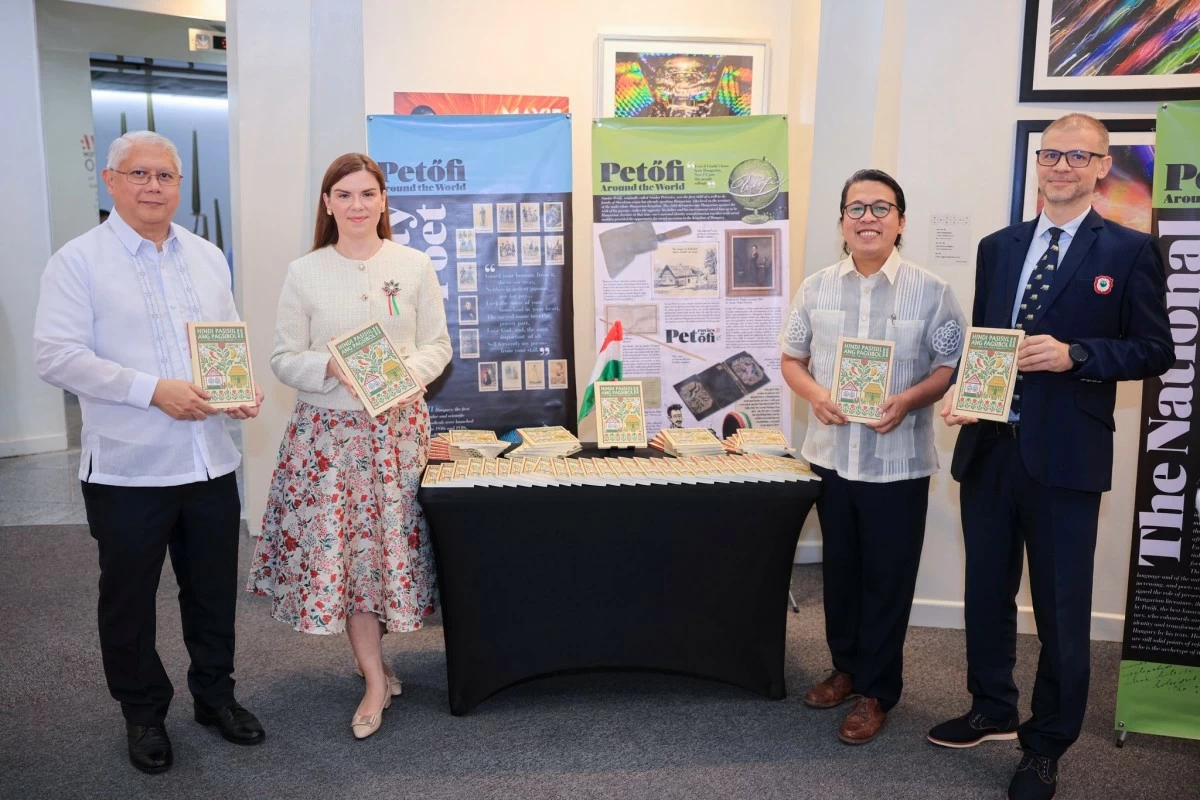
Commission on Filipinos Overseas Secretary Dante Ang II, Hungarian Ambassador Titanilla Tóth, Kristian Cordero of Savage Mind: Arts, Books, Cinema, and Consul Balázs Rátkai
In diplomacy, some of the most enduring connections are through culture. In Manila, the Embassy of Hungary recently marked its National Day with the launch of “Hindi Pasisiil ang Pagsibol II: Mga Tula Mula Hungaria”, the second edition of a collection of Hungarian poems translated into Filipino and regional languages.
The book brings together the voices of Hungarian poets, most notably Sándor Petőfi, whose writings became a rallying force during the 1848 Hungarian Revolution. Through translation, these works now find resonance in a Philippine context—bridging two nations whose histories, while distant, share striking parallels.
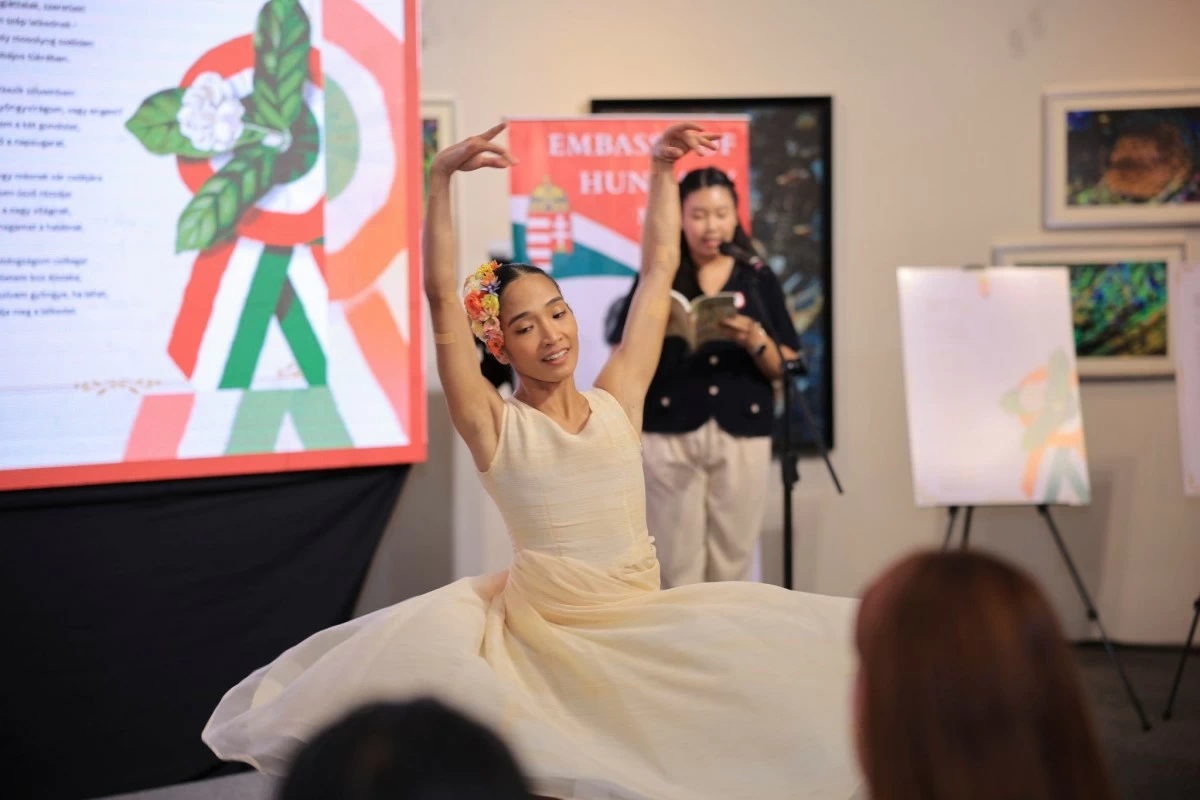
A dancer from Ballet Philippines dances to a reading of a Hungarian poem.
The launch, organized by the Embassy of Hungary in Manila in collaboration with Hungary’s Ministry of Foreign Affairs and Trade, was held in commemoration of the 1848–1849 Revolution and Freedom Fight, a defining moment in Hungarian history. In her remarks, Hungarian Ambassador Titanilla Tóth reflected on how the values of that period—freedom, dignity, and national identity—continue to shape Hungary’s cultural memory today.
The event gathered members of the diplomatic corps, representatives from the Philippine government, the business sector, and the Hungarian community in Manila. Among those present were Commission on Filipinos Overseas Secretary Dante “Klink” Ang II, Department of Foreign Affairs Assistant Secretary Deena Joy Amatong, Department of Migrant Workers Assistant Secretary Levinson Alcantara, and representatives from the Senate and academic institutions. Their presence underscored the importance of literature as a bridge between cultures.
At the heart of the initiative is a shared belief in the power of the written word.
“Poetry often creates transformation. In the Philippines, Jose Rizal demonstrated the same truth. Petőfi and Rizal had the power of the written word to awaken national spirit,” Ambassador Tóth said.
The comparison is not incidental. Both Petőfi and Rizal lived in periods of political upheaval, and both used literature as a means of shaping national consciousness. Petőfi’s poems, direct and unflinching, became part of the revolutionary movement in Hungary. Rizal’s writings, though more measured in tone, carried a similar force—challenging colonial structures and inspiring a sense of identity among Filipinos.
Neither lived to see the full realization of the freedoms they wrote about. Yet their words endured, carried forward by generations who found meaning, courage, and clarity in them.
The evening itself reflected that intersection of literature and lived experience. A highlight of the program was a performance by Ballet Philippines, set to a reading of the Filipino translation of Petőfi’s poem “A Virágnak Megtiltani Nem Lehet”—from which the book takes its title. The performance added a visual and emotional dimension to the text, bringing together poetry and movement in a way that resonated with the audience.
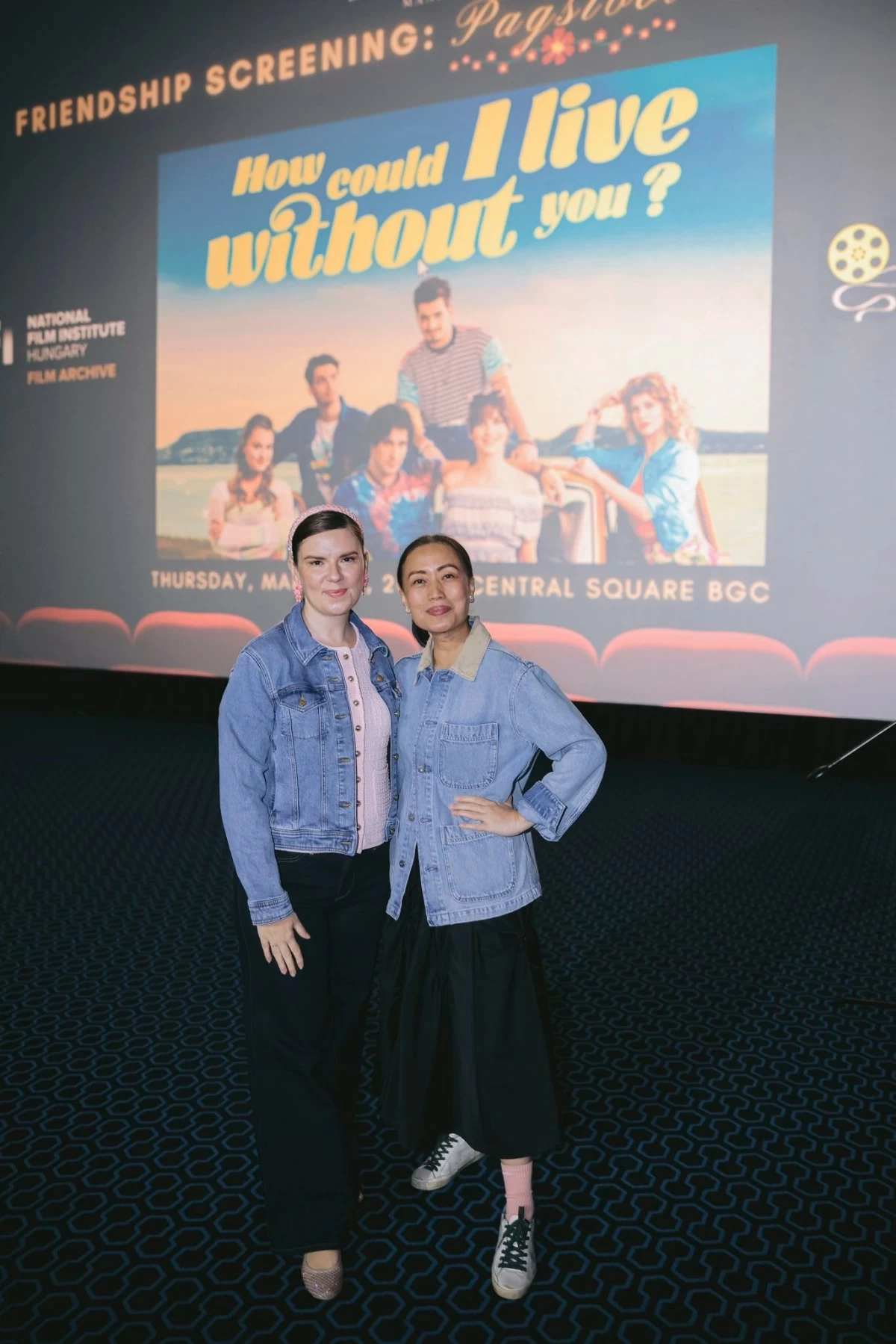
Ambassador Tóth with Tourism Promotions Board Chief Operating Officer Marga Nograles at the film screening
Beyond the book launch, the embassy also extended its cultural programming through cinema. As part of the same commemoration, it hosted a special screening of the Hungarian film “How Could I Live Without You?” (Hogyan tudnék élni nélküled?), which won Best Feature Film at the 2025 Hungarian Motion Picture Film Festival. The screening brought together members of the Hungarian and Filipino communities, along with representatives from government, the diplomatic corps, and alumni of the Stipendium Hungaricum scholarship program.
Set in the 1990s, the film offered a nostalgic, music-driven narrative, while the evening itself underscored the role of storytelling in connecting cultures. Guests were also introduced to Hungarian culinary tradition through kürtőskalács, or chimney cake, adding another sensory layer to the experience.
Developed in partnership with Savage Mind: Arts, Books, Cinema, the anthology presents Hungarian poetry in Hungarian, English, and Filipino, as well as in select regional languages. The project builds on an earlier edition, continuing efforts to make these works accessible to Filipino readers while deepening cultural exchange between the two countries.
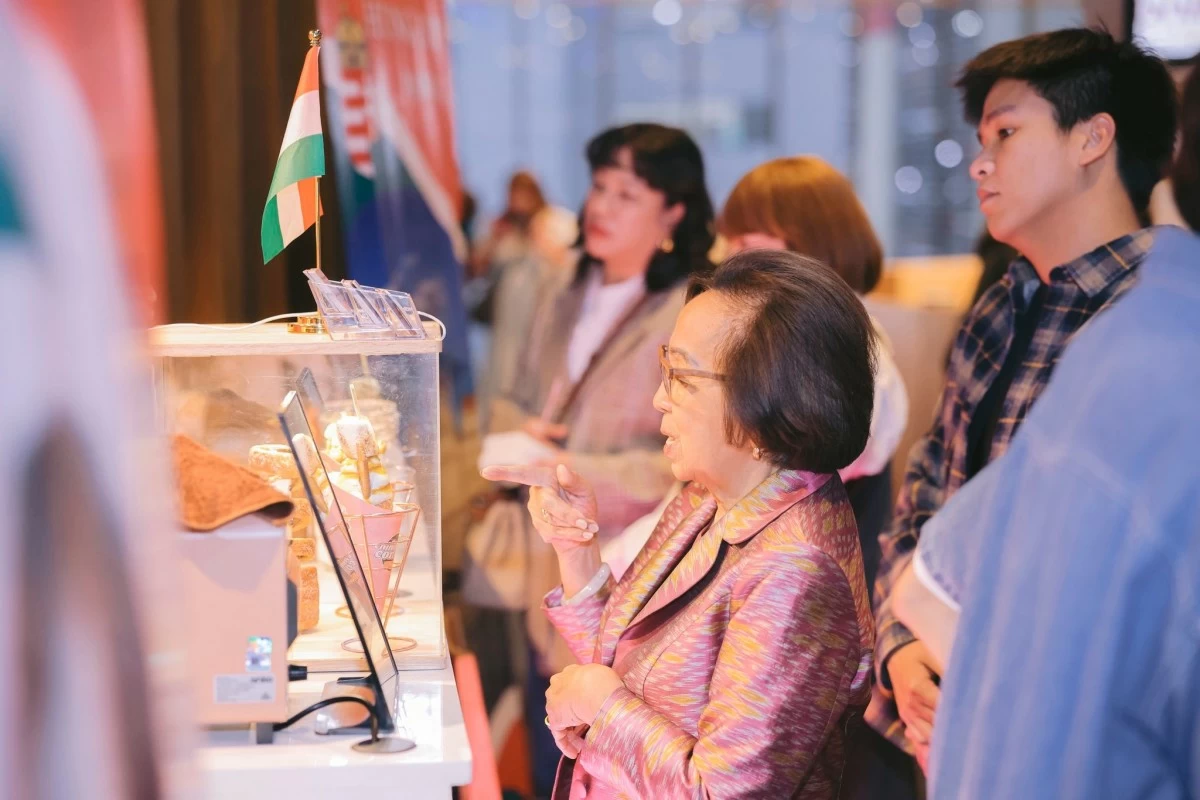
Hungarian chimney cakes were a hit at the film screening. Pictured is former Secretary of Foreign Affairs Delia Albert, waiting for her kürtőskalács.
In the days leading up to events, the embassy also conducted a literary countdown, sharing translated Hungarian poems across Philippine languages. The initiative highlighted how poetry continues to serve as a bridge—capturing emotions and values that transcend geography and time.
For both Hungary and the Philippines, poetry has long been tied to questions of nationhood, identity, and resistance. It has been used to articulate what cannot always be expressed through policy or diplomacy alone. In this sense, the book’s title—Hindi Pasisiil ang Pagsibol—feels particularly fitting. It speaks to growth that cannot be contained, to voices that persist despite constraint, and to the enduring power of expression. (Carolyn Ramoran Hamilton)