







CAB@12: Keeping a sacred promise to the Bangsamoro people
Published Mar 23, 2026 12:05 am
|
Updated Mar 22, 2026 03:46 pm


PEACE BY PEACE
There are moments in our nation’s history that are commemorated not only because they mark a major turning point but also how they enabled Filipinos to break down the walls of fear, animosity and mistrust and build bridges of peace, mutual understanding and respect.
The signing of the Comprehensive Agreement on the Bangsamoro (CAB) is one such moment, as this landmark event enabled us to finally put an end to a decades-long armed conflict and lay the foundations of peace, development and progress in the region.
As we celebrate the CAB’s 12th Anniversary this year, let us recall how we reached this point. Long before the ink on the peace deal had dried, years of negotiations, countless sleepless nights and tough conversations tested the patience and trust of both parties.
This is a reminder that the CAB was not forged overnight. It was built painstakingly by men and women who, despite their differences in positions and motivations, sat across the negotiating table to listen to each other and find a common ground.
Today, as we move forward in the CAB’s implementation under the leadership of Ferdinand R. Marcos Jr., we are reminded that the true measure of a peace deal’s success is not just in its signing but how it is sustained and built upon in the succeeding years.
At the Office of the Presidential Adviser on Peace, Reconciliation and Unity (OPAPRU), we will continue to support the Bangsamoro peace process and remain steadfast, especially in the transformation of former combatants, their families, and their communities.
For more than three decades, the Bangsamoro peace process has endured amid major challenges. This is because the GPH and MILF’s shared vision — to uplift the lives of the Bangsamoro people.
It is, therefore, inspiring to see that this transformation is already unfolding in the Bangsamoro. Under the normalization track of the CAB, former MILF combatants have laid down their arms and are now living as peaceful, productive, and law-abiding members of society.
Families that once lived in fear are now beginning to build a future that is filled with more and better economic opportunities. The Bangsamoro region has become a testament that good things come to those who walk the path of peace.
This is why any temporary pause in the implementation of the CAB weighs heavily on us. Because for the Bangsamoro people, any “pause” is a delay in the provision of livelihood, infrastructure, health, education, and other essential social services.
Most importantly, we must remember that this pause equates to a period of uncertainty, especially for those who have sacrificed so much – the former combatants and their families – to build the Bangsamoro that we now have today.
As the first parliamentary elections in the Bangsamoro Autonomous Region in Muslim Mindanao (BARMM) draw near, we must move with a greater sense of urgency because what is at stake here is the future of the Bangsamoro homeland and its people.
The upcoming elections are the embodiment of the very promise of the CAB, which is meaningful autonomy, genuine representation, and a regional government that reflects the dreams and aspirations of the Bangsamoro people.
Let us keep in mind that the CAB is anchored on the principles of jointness, bilateralism, and mutuality. These are the main pillars that have sustained the partnership between the GPH and MILF through the most difficult of times.
Let us continue to walk hand in hand, shoulder to shoulder, in this peace journey. We must maintain our momentum.
There is no other way but for us to move forward. Yes, there will be challenges and moments of doubt that will test our resolve. But if there is one major lesson that the CAB’s implementation has taught us, it is that we must always forge ahead no matter the obstacles.
Through the CAB, we made a sacred promise to the Bangsamoro people. Let us do everything in our power to keep that promise.
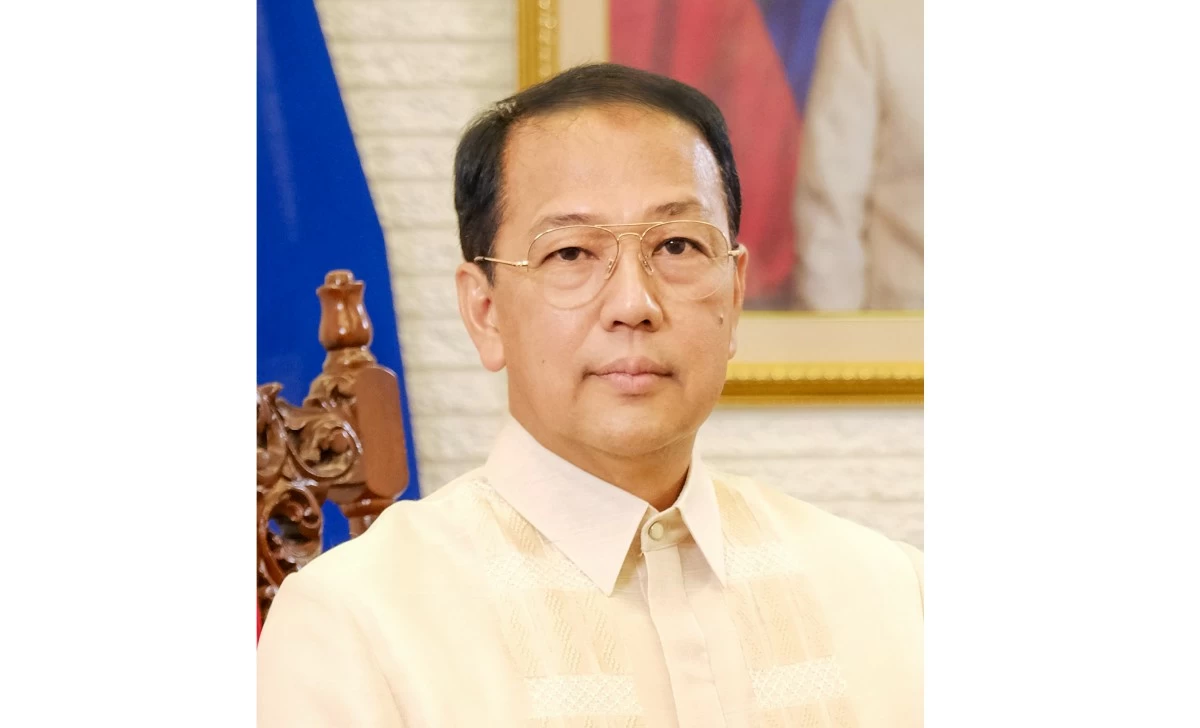
(Secretary Carlito G. Galvez, Jr. is the presidential adviser on peace, reconciliation, and unity.)