







LEGO MRI sets are helping reduce anxiety for children in hospitals
Published Mar 22, 2026 10:50 am


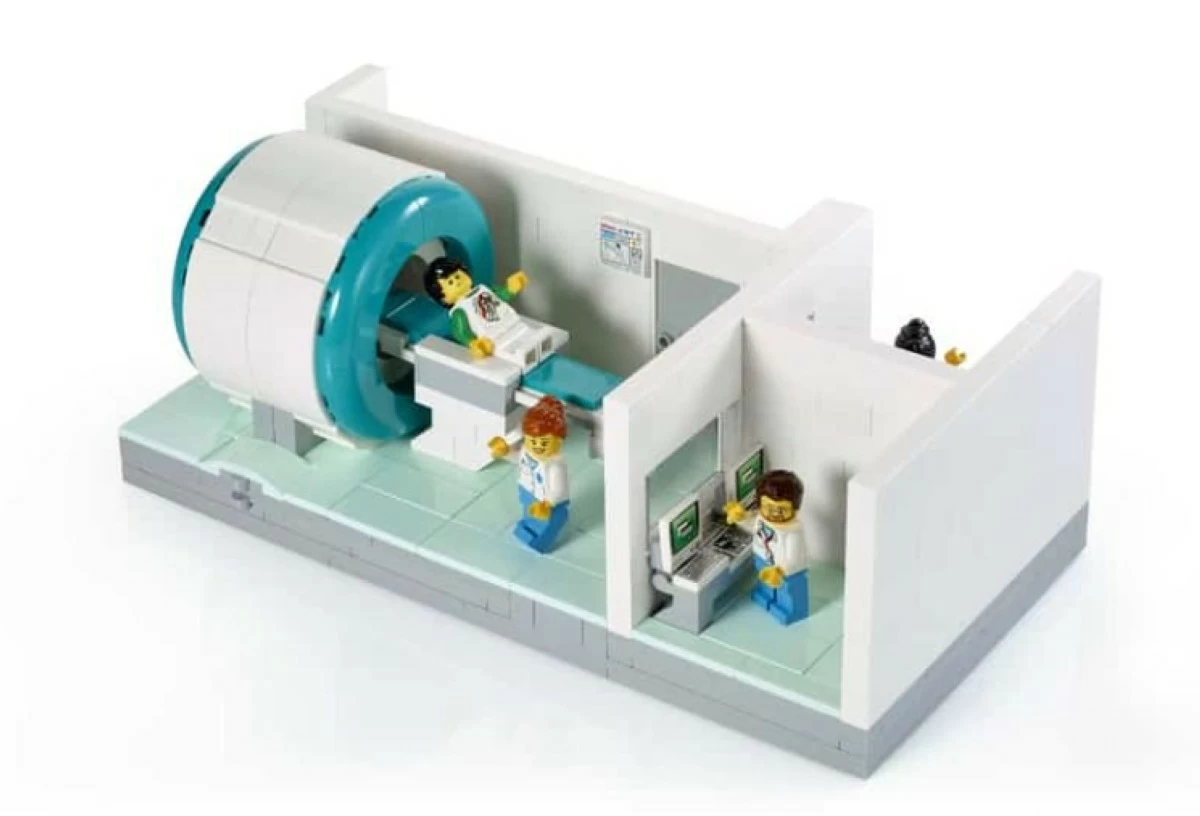
Getting an MRI (Magnetic Resonance Imaging) scan can be highly anxiety-inducing; it can be very claustrophobic lying helplessly down, with the loud, deafening whirring sound roaring in your ears. That MRI scene in the latest “Final Destination” (Bloodlines) movie also does not help.
Which is why in the TV series “Modern Family,” Cam’s meltdown scene about having an MRI scan is completely understandable. And if adults can be anxious about getting into an MRI machine, what about children?
Laying down the first piece
LEGO employee Erik Ullerlund Staehr had an idea to build a miniature MRI machine with LEGO. He reached out to medical experts at Odense University Hospital in Denmark, and that passion project has since helped pediatric patients overcome the fear and anxiety of undergoing an MRI.
Since its first prototype, the radiology department at Odense University Hospital has used the LEGO MRI Scanners as part of their playful learning initiatives to help children.
On Feb. 23, 2022, the LEGO Foundation announced that it would donate 600 LEGO® MRI Scanners to hospitals worldwide. The donation also includes training materials and videos for hospital staff to help them guide children as they discover and learn about the machine's complexities, all through the guise of play and exploration.
Brick by colorful brick
The initial donation of 600 LEGO® MRI Scanners has grown in the following years, with more than 10,000 MRI models donated through healthcare-focused partners.
Over 100 hospitals worldwide have used the LEGO MRI Scanners, and the project continues to be a success, with over 1 million children benefiting.
A 2025 study by the LEGO Group found that 96% of healthcare professionals who used the LEGO MRI Scanner set reported that the model helped alleviate pediatric patients' anxiety. So much so that 46% reported that it also reduced the need for anesthesia or sedation (which also has its own risks) during MRI procedures.
While the LEGO MRI Scanner set is not available commercially, it is instead donated to hospitals through the LEGO Group’s Social Responsibility team’s partners. The question is -can adults use them as well? You know, for medical research purposes.