







When illness means crossing seas to survive
Published Mar 21, 2026 12:05 am
|
Updated Mar 20, 2026 03:55 pm


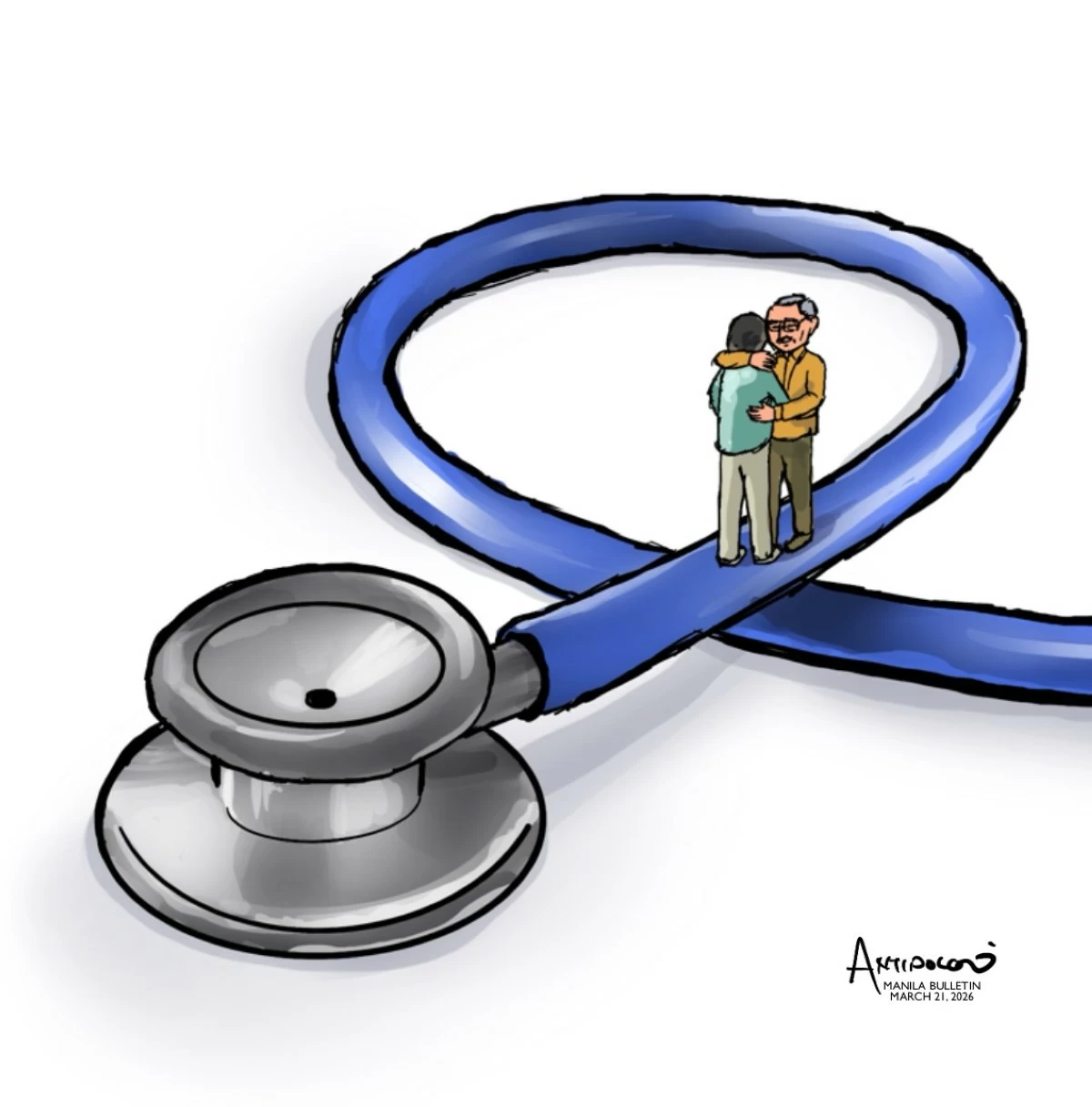
The quiet grief of a modest employee, like one who recently lost his mother, can sometimes say more about public policy than any report or hearing.
His story is painfully familiar. The family is from Samar, where medical options remain limited. When his mother’s condition worsened—a heart ailment complicated by pneumonia—the family had no choice but to bring her across the sea to Leyte, hoping better-equipped hospitals in Tacloban City could save her.
They could not.
In the end, the family faced not only the anguish of loss but also the added burden of transporting her remains back to Catbalogan City, Samar—another inter-island journey, this time for burial. It is a story marked by effort, expense, and exhaustion at every stage: seeking treatment, fighting for survival, even in mourning.
This is not an isolated case. It is, tragically, routine.
Around the Philippines, countless families endure similar ordeals—traveling hours, sometimes days, in search of adequate medical care. For many in the provinces, especially in island regions like Eastern Visayas, the nearest hospital with sufficient facilities may be in another province—or another island altogether. The delays alone can mean the difference between life and death.
This is why the push for more regional hospitals is not just a policy discussion; it is a moral imperative.
Lawmakers have begun to respond, with some advocating for strengthening healthcare infrastructure outside Metro Manila. Proposals in Congress aim to upgrade provincial hospitals and establish more regional medical centers capable of handling complex cases—from cardiovascular diseases to severe respiratory infections, as well as dialysis.
There are already examples that show what is possible. The Eastern Visayas Medical Center serves as a referral hub for the region, but as the employee’s story shows, even it can be overwhelmed. In Mindanao, the Southern Philippines Medical Center has expanded its services and capacity, becoming a model for regional care. In Northern Luzon, the Ilocos Training and Regional Medical Center plays a similar role.
Yet these institutions remain too few and too far between.
The Philippines’ archipelagic geography makes equitable healthcare access especially challenging. But geography should not determine survival. When specialized care is concentrated in Metro Manila or a handful of urban centers, the system effectively asks provincial families to bear the cost—financial, physical, and emotional—of that imbalance.
At a time when consumer prices are rising, these burdens are even heavier. Transportation, lodging, medicines, and hospital bills can quickly drain a family’s savings. For low-income households, the choice to seek care in another region is often a gamble with everything they have.
This is where government support for universal healthcare must be felt most strongly—not just in policy, but in infrastructure. The Universal Health Care Act (UHC) promises equitable access to quality and affordable healthcare. But without sufficient regional hospitals, that promise remains unevenly fulfilled.
Building more regional hospitals—and upgrading existing provincial ones—would not only save lives. It would restore dignity to patients and their families. It would mean fewer desperate journeys across islands, fewer delays in treatment, and fewer stories like that of this grieving employee.
No family should have to cross seas in search of care—or in bringing a loved one home.
Until that changes, the call for stronger regional healthcare systems will remain urgent and deeply human.