







7 startups solving Philippines' toughest challenges
Beyond the call center:
Published Mar 21, 2026 07:39 am


The Philippines has long been known as a service-driven economy, a place where the world goes to find talent for its back-office and customer support operations. But a shift is happening in Manila that has nothing to do with call centers.
A new group of Filipino founders is moving away from the “copy-paste” model of importing Silicon Valley ideas and is instead building high-end tech designed to solve specific, difficult problems in agriculture, education, and disaster resilience.
According to the 2025 Global Innovation Index from the World Intellectual Property Organization, the Philippines now ranks 50th out of 139 economies. For a country categorized as lower-middle-income, it is punching above its weight, ranking third in that specific income bracket globally. This isn’t an accident. It is the result of deliberate move toward “deep tech”—software and hardware that requires genuine scientific research rather than just a clever marketing plan.
As we look toward the GITEX AI Asia event in April 2026, seven local startup companies are showing exactly what this new Philippine innovation looks like. These aren’t just ideas on a whiteboard; they are functional tools currently being used to fix broken systems.
Fixing the classroom and the farm
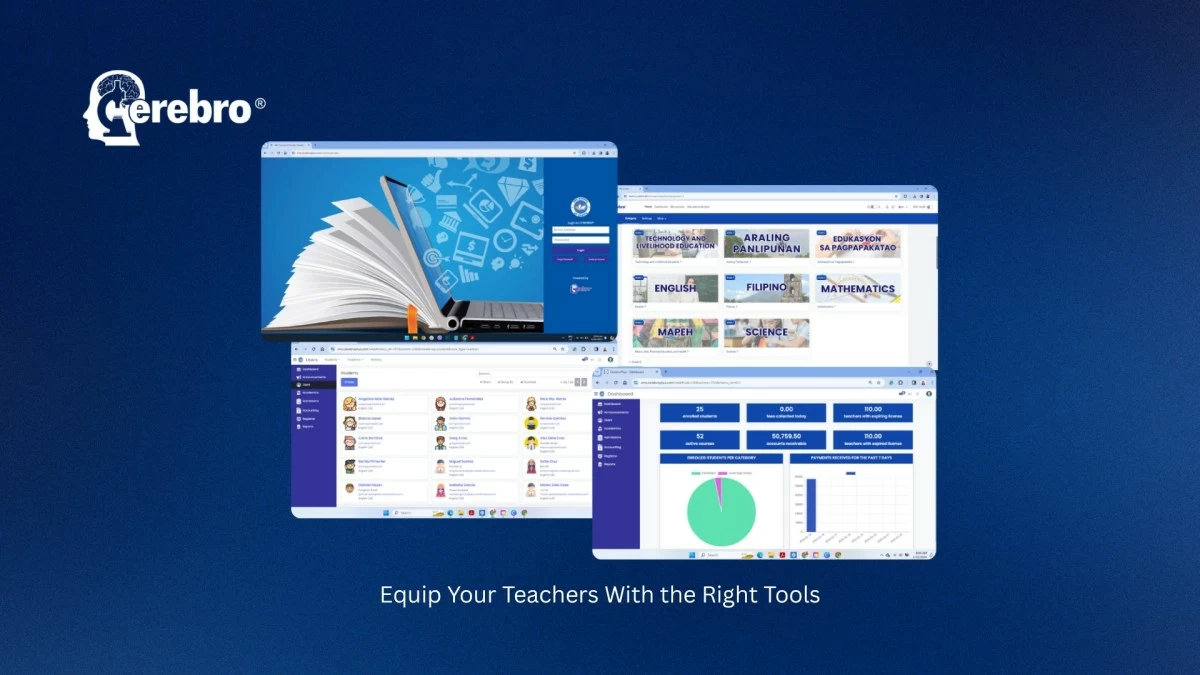
Cerebro integrates school administration with a comprehensive digital content library, empowering K-12 institutions to transition seamlessly to modern, tech-driven academic operations.
One of the most persistent problems in global education is the “grading gap.” Teachers spend so much time marking papers that they have little energy left for actual teaching. CodeChum Software Solutions addressed this with a platform called GradeChum.
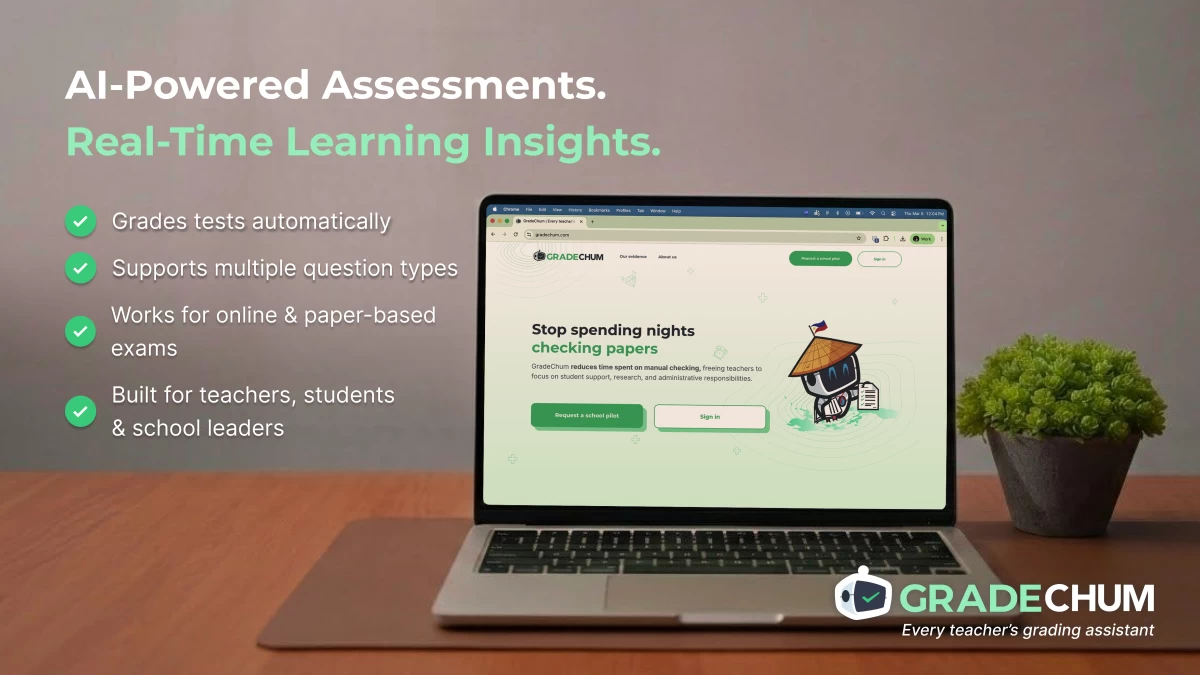
The GradeChum platform by CodeChum Software Solutions Inc. leverages AI to automate the checking of student work, bridging the gap between traditional handwriting and digital efficiency.
Instead of forcing students to use expensive tablets, GradeChum uses artificial intelligence (AI) to read and evaluate handwritten assessments. This allows schools to keep the traditional pen-and-paper method while giving teachers the instant data they need to see which students are falling behind.
Education in the country is also seeing a broader digital overhaul through Cerebro. This isn’t just a website where teachers upload PDFs. It is an integrated system that handles both school administration and the delivery of lessons. For schools trying to manage the transition between in-person and digital learning, Cerebro acts as the backbone that keeps the institution running.
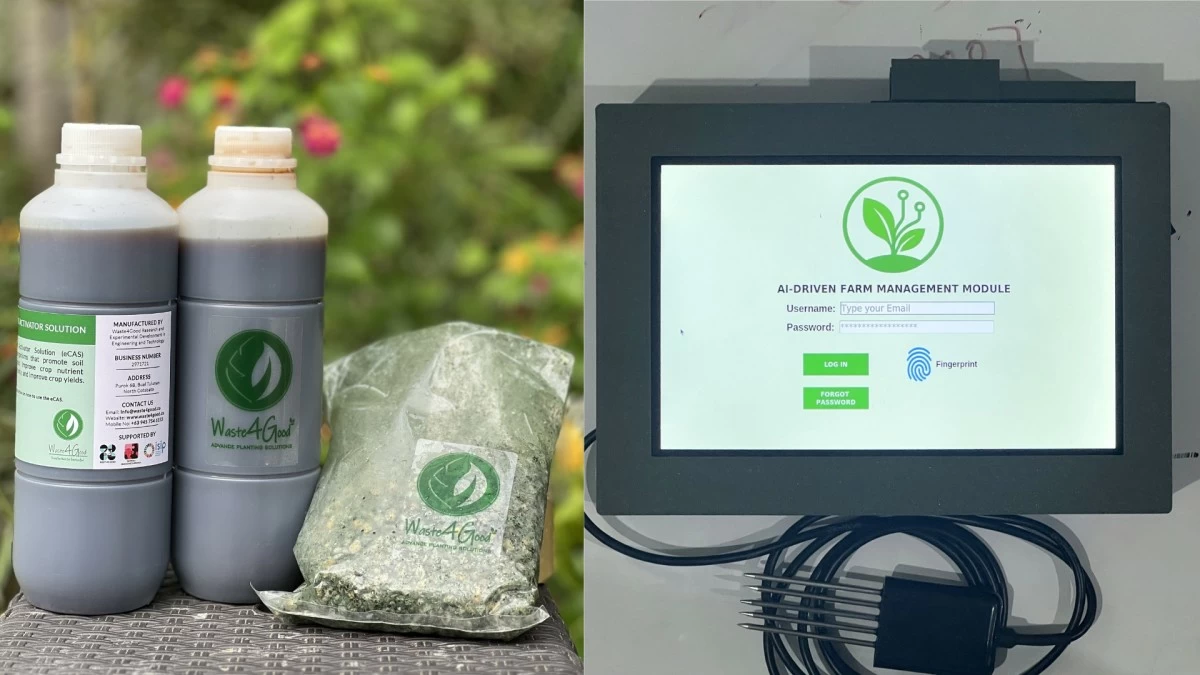
GreenVisions empowers the agricultural sector with AI-driven monitoring, providing farmers with the essential data needed to boost crop performance and lower expenses in real-time.
While some innovators are focused on the classroom, others are looking at the ground beneath our feet. Agriculture remains the lifeblood of the local economy, but it is increasingly threatened by climate change and inefficiency. Farmesto Technologies has developed an automated dosing system for greenhouses. By using sensors and AI, the system decides exactly how much water and nutrients a plant needs at any given moment. This takes the guesswork out of farming and ensures that resources aren't wasted.
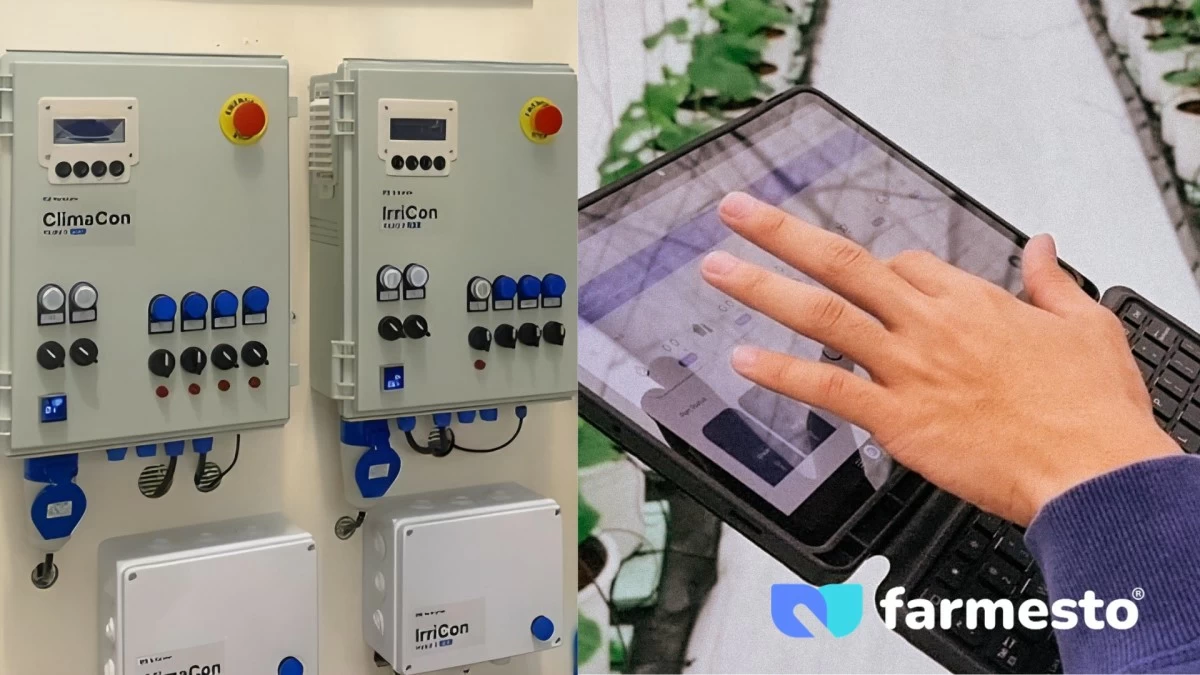
Farmesto’s AI-powered dosing and climate control system offers a sustainable solution for modern greenhouses, automating essential irrigation and nutrient tasks to maximize farm efficiency.
In the same vein, GreenVisions is using AI to monitor crops on a larger scale. Their tools provide farm diagnostics that help predict yields and identify pests before they destroy a harvest. For a farmer, the difference between a 10 percent loss and a 30 percent loss is the difference between staying in business or closing down. These tools are making the latter much less likely.
Navigating the physical world

Duon Technologies Incorporated introduces DUON, a homegrown wayfinding tool that simplifies indoor navigation and uses AI-driven analytics to help businesses understand visitor movement in real-time.
Innovation is also hitting the real estate and logistics sectors. If you have ever walked into a shopping mall and realized your GPS stopped working, you understand the problem Duon Technologies is solving. They created the first real-time indoor navigation platform in the Philippines. It helps people find a specific store or bathroom, but more importantly, it gives building owners data on how people actually move through their spaces.

The Collo platform by Collo Property Technology Solutions Inc. automates the “rent-to-receipt” process, providing a seamless digital experience for both property managers and their tenants.
On the management side, Collo Property Technology is simplifying how buildings are run. Managing a residential or commercial building involves a mountain of paperwork—leases, maintenance requests, and utility billings. Collo’s software automates these processes, reducing the human error that usually leads to lost revenue or frustrated tenants.
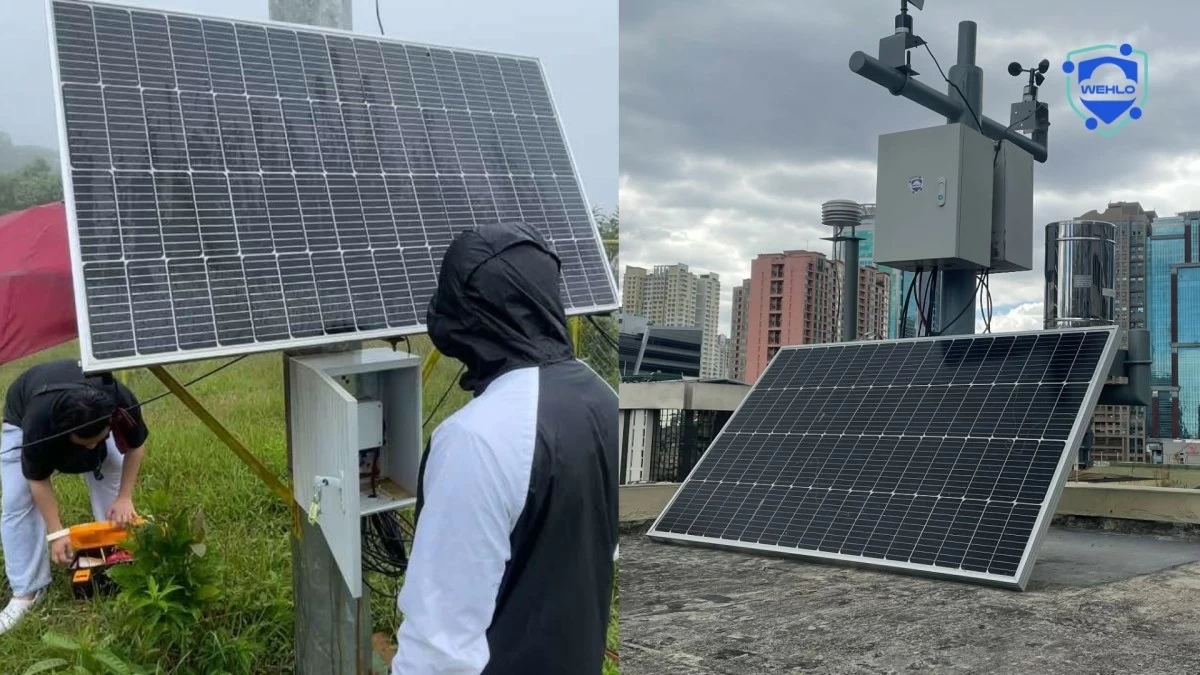
WEHLO’s advanced hydromet sensors provide a localized look at weather and environmental conditions, bridging the gap between national data and community-level climate resilience.
Perhaps the most critical technology in this group, however, is WEHLO. The Philippines is one of the most disaster-prone countries in the world. WEHLO’s system monitors weather and water levels at a hyper-local level. Unlike global weather models that might miss a specific flash flood in a small town, WEHLO provides the kind of granular data that local governments need to save lives during a storm.
Government as partner
What makes this current wave of startups different from those 10 years ago is the level of professional support they receive. The Department of Science and Technology, specifically through its Technology Application and Promotion Institute (DOST-TAPI), has stopped acting like a slow-moving bureaucracy and started acting like a strategic partner.
Under its 2025–2032 roadmap, DOST-TAPI is helping these founders protect their ideas. Intellectual property (IP) is the currency of the tech world, and without international patents, a great idea can be easily stolen. The government is now paying for and managing these filings, ensuring that Filipino inventions are protected in the United States (US), Europe, and across Asia.
Through programs like “GALING” and “TECHNiCOM,” the government provides the initial grants that allow a founder to build a prototype.
Later, through the Expanded Venture Financing Program, they help these companies find the capital to grow. The SPICE program is what is currently funding their trip to GITEX AI Asia, giving them a stage to meet international investors.