






Manila Bulletin
 Business
Banking & Finance
More money left the Philippines than entered in February—BSP
Business
Banking & Finance
More money left the Philippines than entered in February—BSP
Business
Banking & Finance
More money left the Philippines than entered in February—BSP
More money left the Philippines than entered in February—BSP
By Derco Rosal
Published Mar 20, 2026 04:28 am


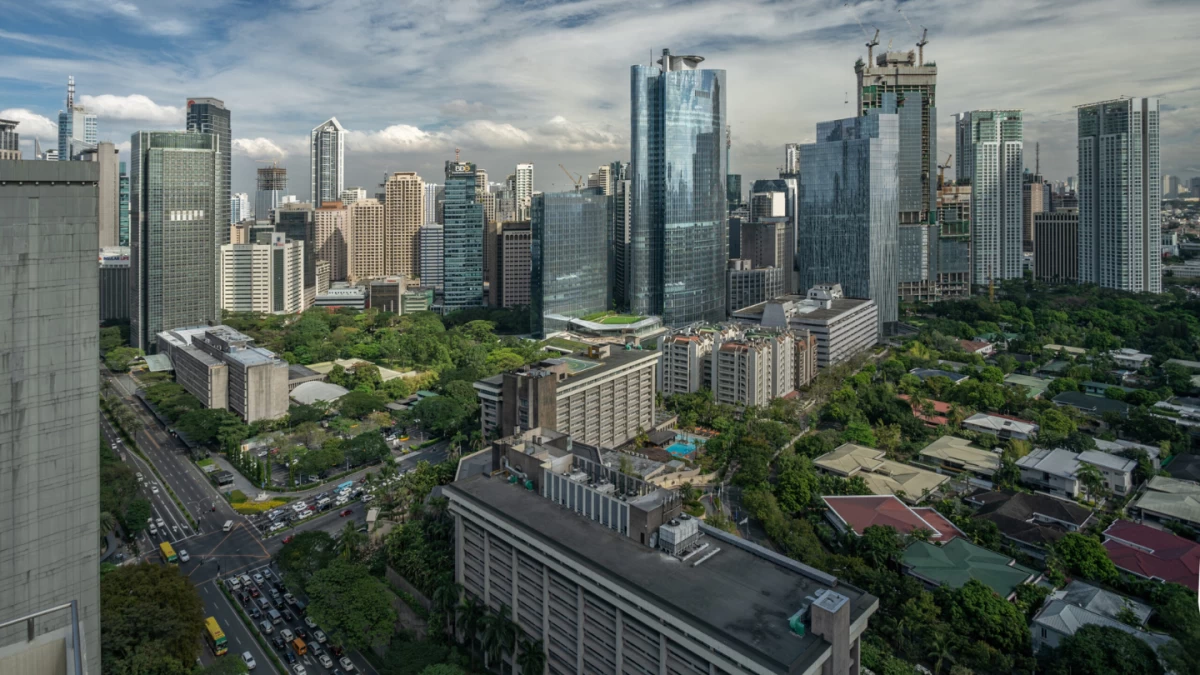
The Philippines’ balance of payments (BOP) swung to a deep deficit in February as capital outflows overwhelmed inflows, complicating the outlook for the country’s external buffers amid volatile start to the year.
Data from the Bangko Sentral ng Pilipinas (BSP) released late Thursday, March 19, showed that the country recorded a $2.28 billion gap last month, a sharp reversal from the $3.09 billion surplus recorded in the same month in 2025.
The February figure pushed the cumulative deficit for the first two months of 2026 to $2.7 billion, driven by persistent pressure on the country’s financial position following a challenging 2025.
While the January deficit of $373 million was significantly narrower than the $4.08 billion shortfall seen a year earlier, the sudden widening in February suggests that external headwinds are intensifying.
The latest numbers follow the 2025 calendar year that saw the Philippines post a full-year deficit of $5.66 billion, the largest in three years. That result marked a stark departure from the $609 million surplus achieved in 2024, although the final 2025 tally was slightly better than the central bank’s initial gloomy forecast of a $6.2 billion gap.
Earlier, the central bank said the outlook for 2026 remains cautious. Policymakers have previously projected a full-year BOP deficit of $5.9 billion, as global trade uncertainties and shifting interest rate differentials continue to weigh on emerging-market flows.
The BOP is a critical barometer of economic health, measuring the total margin between all money entering the country and the amount leaving to pay for imports, debt, and investments.
Despite the widening deficit, the country’s gross international reserves provided a silver lining, expanding to $113.3 billion as of end-February. This level is up from the $112.6 billion reported in January and the $110.8 billion held at the close of 2025.
The central bank said that these reserves remain an adequate liquidity buffer, covering roughly 7.5 months’ worth of imports of goods and payments for services.
The stockpile is also equivalent to 4.3 times the country’s short-term external debt based on residual maturity, suggesting that while the flow of capital is currently negative, the Philippines retains sufficient armor to defend the currency and meet its foreign obligations.