







Marcos approves new school calendar to fix learning gaps
Published Mar 20, 2026 02:33 pm


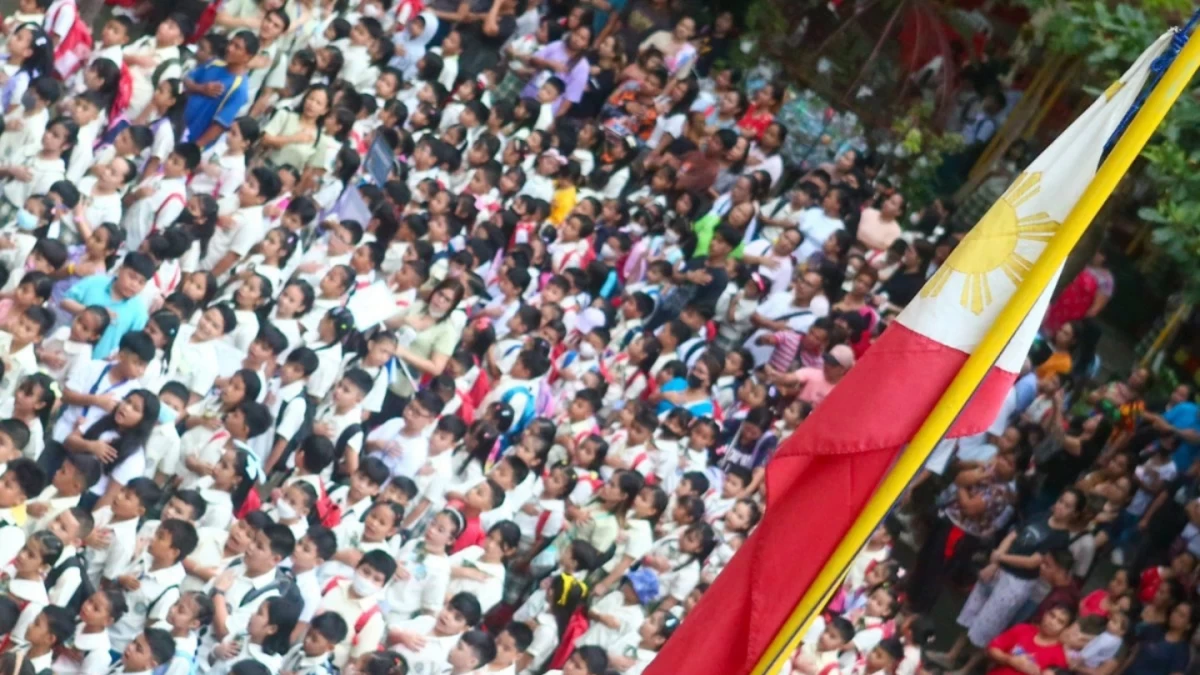
The government has formally approved the shift to a three-term school calendar starting in the 2026-2027 academic year, part of the broader push to insulate the education system from climate-related disruptions and overhaul delayed infrastructure projects.
The Economy and Development Council, chaired by President Ferdinand Marcos Jr., greenlit the Department of Education’s (DepEd) proposal during its eighth meeting on Thursday, March 19.
The policy change, which moves the country away from the traditional four-grading-period system, follows recommendations from the Second Congressional Commission on Education to ensure more stable instructional blocks.
The Department of Economy, Planning, and Development (DEPDev) said the new structure is designed to maximize learning time that is frequently lost to severe weather and local holidays.
The shift aims to stabilize the learning pace for students while providing teachers with dedicated windows for professional development and “catch-up” initiatives for struggling learners.
“Our commitment to developing a globally competitive workforce begins with providing evidence-based solutions to bridge educational gaps,” DEPDev Secretary Arsenio Balisacan said in a statement, noting the move aligns with the administration's critical development priorities.
Beyond education reform, the council moved to salvage the long-delayed Unified Grand Central Station project. Officials approved terminating the project’s existing Investment Coordination Committee approval after determining that the original design-and-build contract was no longer feasible.
The project, intended to link LRT Line 1, MRT Line 3, and MRT Line 7, will now proceed under separate implementation arrangements. This pivot allows the government to engage step-in contractors to finish the remaining works and address pending obligations.
The council also granted the Department of Public Works and Highways a budget increase and an implementation extension for the second stage of the Reconstruction and Development Plan for a Greater Marawi.
The project, which covers 26.59 kilometers of roads and bridges, is a cornerstone of the recovery efforts following the 2017 siege. The adjustments reflect higher costs for civil works and right-of-way acquisitions.
The administration’s “Build-Better-More” program continues to expand, with the council adding three new projects to its list of Infrastructure Flagship Projects: the Liloan Bridge, a farm-to-market bridge program, and an accelerated water and sanitation initiative.
The total portfolio now includes 201 priority projects valued at approximately ₱9.970 trillion.
Balisacan said the administration remains focused on targeted actions to drive “inclusive and sustained economic growth.” (Derco Rosal)