






 Business
Banking & Finance
Filipinas prioritize healthspan, financial independence amid stress—Manulife study
Business
Banking & Finance
Filipinas prioritize healthspan, financial independence amid stress—Manulife study
Filipinas prioritize healthspan, financial independence amid stress—Manulife study


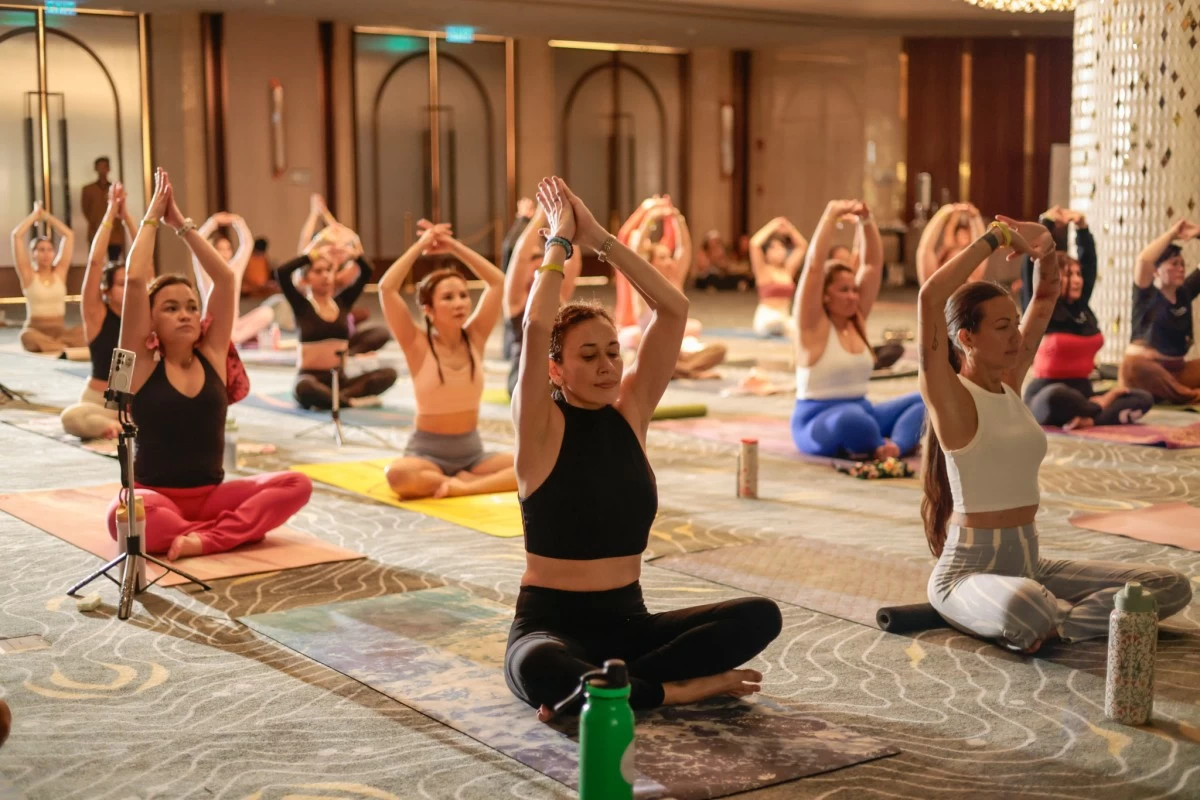
Manulife Philippines said young Filipino women are prioritizing healthier years and financial independence but are also facing higher stress levels and wider work-life balance gaps than men, based on the results of its latest study.
Data from Manulife’s #FYP: Future-proofing Young Pinoys study showed that 60 percent of young Filipino women prioritize their healthspan—the years spent in good health—compared to 46 percent of male respondents, the insurer said in a statement on Wednesday, March 18. Women also place greater importance on financial independence than men, at 60 percent versus 44 percent.
Despite these priorities, the study highlighted mounting pressures. About 73 percent of female respondents reported high stress levels, significantly higher than the 55 percent recorded among male respondents.
The work-life balance gap was also more pronounced among women at 22 percent, compared to 15 percent for men, reflecting competing demands across professional, personal, and caregiving roles.
For many women, this pressure affects daily well-being. One in five reported insufficient sleep, while 15 percent struggle to maintain a balanced diet—habits that directly influence health, energy, and resilience.
The study noted that awareness of health and wellness is generally high, but a gap persists between knowledge and action. Among millennial women, 76 percent said stress prevents them from achieving their desired level of well-being.
“The data is clear: many women are feeling the physical and mental strain of trying to manage everything at once. With careers, caregiving, and financial pressures converging, Manulife is focused on giving Filipino women practical options to protect their health today while building financial confidence for tomorrow,” said Grace Mallabo, chief health and products officer of Manulife Philippines.
To address these challenges, the company said it is offering a range of health and protection solutions, including the Manulife HealthFlex critical illness plan, Manulife Medical Secure, and Manulife GoalReady, which combine insurance coverage with investment features aimed at supporting long-term financial goals.
Manulife said these products are designed to help women safeguard their health, income, and financial independence across different life stages.
As part of its broader push to promote longevity, Manulife also runs programs such as ManulifeMOVE, a platform that encourages healthier habits through daily activity and lifestyle choices. The company, along with Manulife China Bank Life, has also partnered with AC Health to promote cancer prevention and improve access to comprehensive care.
“Closing the work-life balance gap starts with tools that enable women to protect what matters most: health, income, and time. With the right coverage and guidance, women can move through every stage of life with confidence, whether they're building careers, caring for family, or planning for the future. That’s how we champion longevity—not just living longer, but living better—by making financial wellness practical, personal, and empowering for every Filipina,” Mallabo said.
The initiative forms part of Manulife’s broader strategy to promote health, wealth, and longevity, aligned with the recently launched Manulife Longevity Institute, which aims to help people live longer, healthier, and more financially secure lives by 2030.