







Diesel nears ₱129 as price hikes hit 10th week
Published Mar 20, 2026 10:38 am
|
Updated Mar 20, 2026 03:50 pm


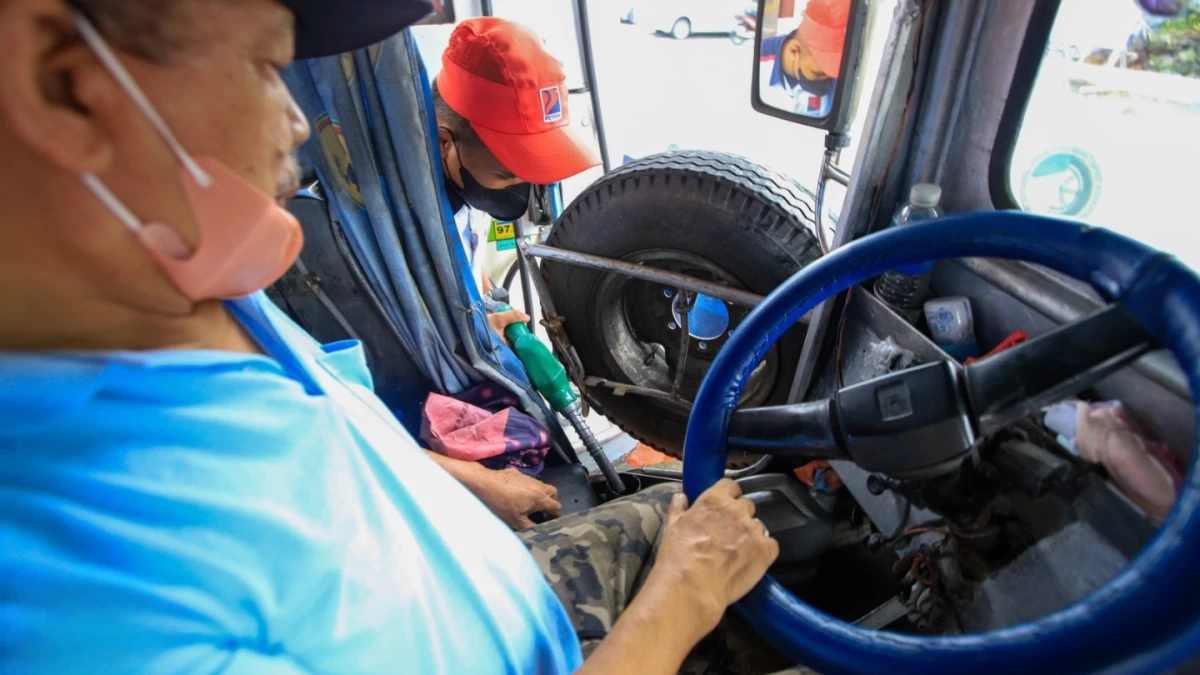
Fuel prices are set to rise for the 10th consecutive week as escalating conflict in the Middle East continues to rattle global energy markets.
Diesel and gasoline prices at domestic pumps are expected to increase next week, extending the streak of hikes that have significantly raised costs for the nation’s transport sector and general consumers.
Based on four days of trading in the Mean of Platts Singapore, the regional benchmark for refined products, diesel may rise by ₱14 to ₱14.50 per liter. Gasoline prices are projected to climb by ₱7 to ₱7.50 per liter.
If these estimates materialize, retail diesel prices could range from ₱108 to ₱129 per liter in some areas, placing additional pressure on public utility vehicle operators already struggling with record-high overheads.
The persistent upward trend follows a period of extreme volatility triggered by the direct conflict involving Iran, Israel, and the United States. Global oil benchmarks reached $115 a barrel on Thursday following reports of attacks on major oil assets and energy infrastructure in the Middle East.
Tehran has warned of further retaliation should its energy facilities be targeted, fueling fears of a prolonged supply squeeze as infrastructure damage mounts.
While the latest trading data indicated a slight cooling compared to the double-digit “shocks” of the previous two weeks, analysts at the Department of Energy (DOE) maintained that rates are positioned to hit new peaks.
Final price adjustments are scheduled for implementation on Tuesday, March 24, as local firms align their rates with the movement of international benchmarks and replacement costs.
Energy Secretary Sharon Garin said earlier this week that while the national oil buffer is currently below the 38-day requirement, the inventory remains sufficient to meet immediate demand.
Garin stressed that oil companies and consumers must avoid hoarding or profiteering to ensure market stability. To bolster long-term security, the government is moving to procure two million barrels of oil from the global market and is exploring alternative supplies from Russia and the US. Petron Corp., the country's sole remaining refiner, has also entered discussions with the government to coordinate additional imports to stabilize the domestic supply chain.