

ADVERTISEMENT

Report: BYD considering entering Formula 1 and WEC

Could BYD field its own team in top motor sports series?

Published Mar 19, 2026 12:29 pm

At A Glance

  • BYD, the world's number 1 EV maker could expand its already dominant presence from public roads to the race track. A report from Bloomberg said BYD is studying the possibility of entering international motor sports disciplines, in particular, the Formula 1 series and the World Endurance Challenge (WEC).
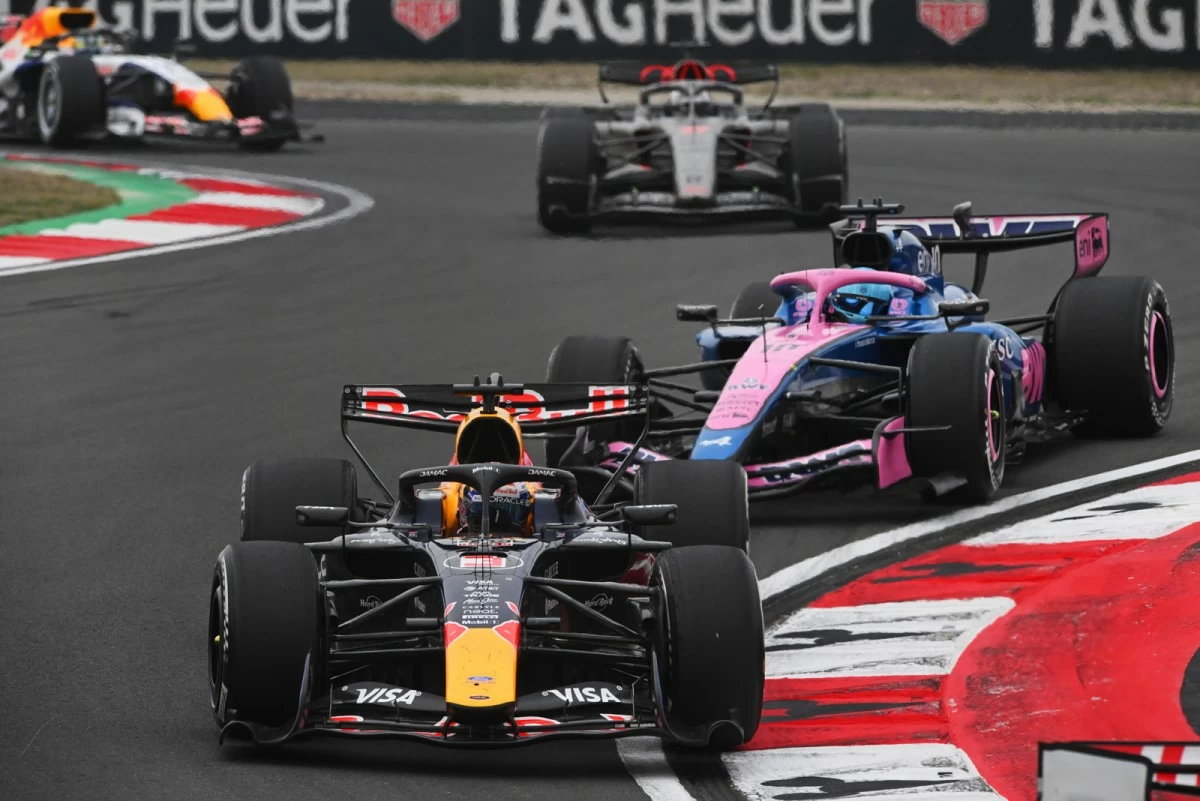
Photo by Rudy Carezzevoli/Getty Images / Red Bull Content Pool
BYD, the world’s number 1 EV maker could expand its already dominant presence from public roads to the race track.
A report from Bloomberg said BYD is studying the possibility of entering international motor sports disciplines, in particular, the Formula 1 series and the World Endurance Challenge (WEC), which includes the 24 Hours of Le Mans as one of its high-profile events).
The revelation comes from sources of Bloomberg who said BYD’s entry could happen via the creation of its own team or purchasing an existing one already entered in one of the series. Entering either or both of these high-profile racing series could certainly be beneficial for BYD.
EV-friendly rules
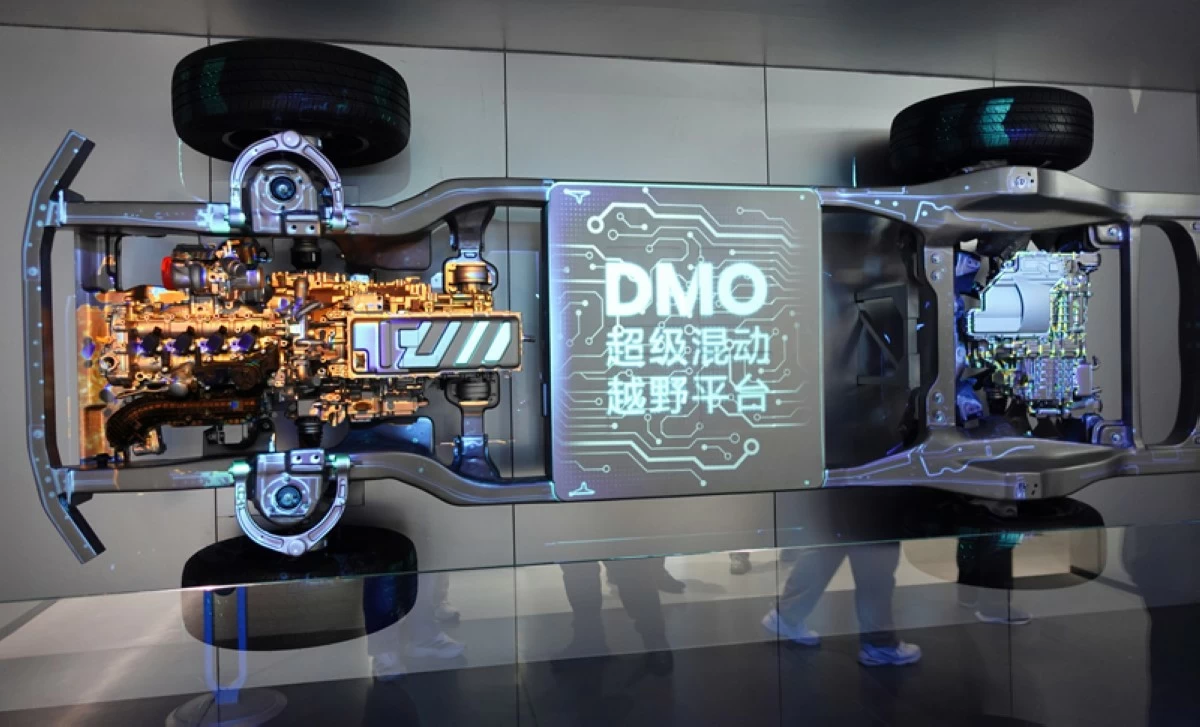
Both Formula 1 and WEC have recently updated their formulas and regulations to require the use of onboard batteries and electric motors in combination with ICE systems in participating race cars. Entering one of these series will serve as a valuable test bed for upcoming road-car related technologies as well as promote the brand to the wide and fanatical global audience these two sports boast of. Despite the rumored high cost of participating in motorsports, high profile brands such as Toyota, Honda, and more recently Cadillac have returned to participate in Formula 1, even as just sponsors or technical partners owing to the global recognition the sport returns. Ferrari is one of the few brands that can boast of the longest participation in both Formula 1 and WEC and benefits from the close association of its passenger car business to its racing division.
Formula 1
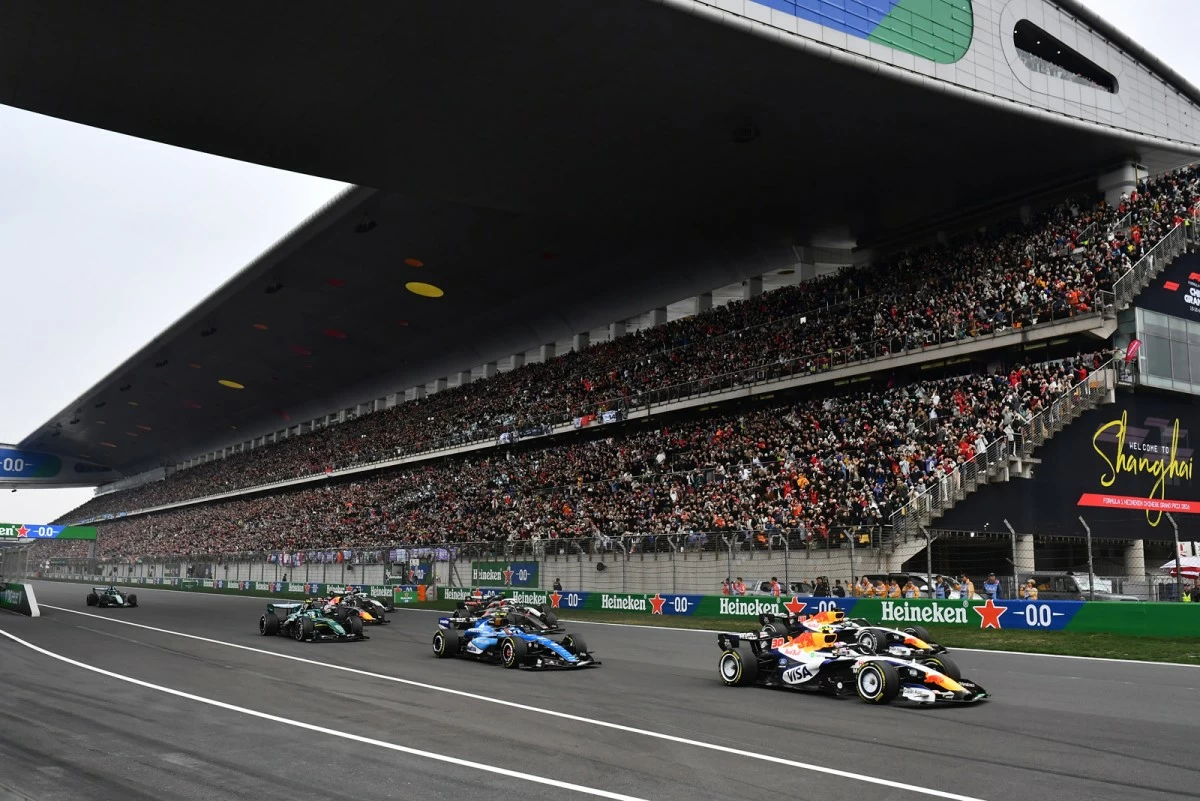
Photo by James Sutton/LAT Images / Getty Images / Red Bull Content Pool
BYD’s battery and electric motor technology could certainly benefit from being seen competing with the likes of Mercedes-Benz, Ferrari, Renault, Ford, and Honda in the pinnacle of motorsport. The brand also has some experience building internal combustion engines, with its plug-in hybrid vehicles doing particularly well in emerging markets.
Nonetheless, entering either of these series is not something that can be taken lightly. Just this year, Cadillac, F1’s newest team, paid an eye-watering USD 450 million as an anti-dilution fee to the already existing teams. That figure does not include the development and operational costs involved in fielding a Formula One team from the ground up. BYD will likely have to plead its case, as well as gain the approval of the existing teams, before even coughing up a similar if not higher amount just to join. The budget to operate the team for several seasons is another astronomical amount.
A cheaper alternative would be to buy an existing Formula 1 team, however, the most likely candidate for purchase, Alpine, owned by carmaker Renault seems to be doubling down on the series, rather than even considering leaving it.
World Endurance Challenge
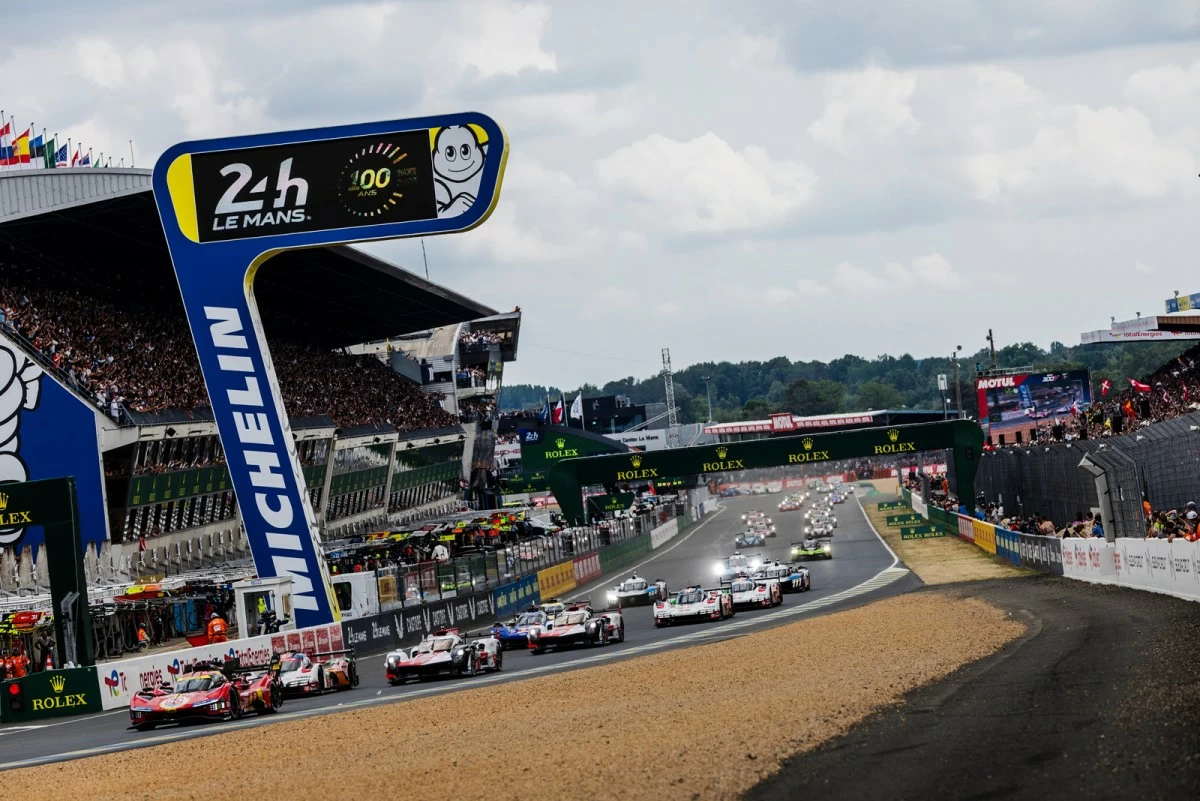
Photo by Jose Duch / Red Bull Content Pool
As for the WEC, buying a team and joining the series may be far easier. Winning, on the other hand, is another matter entirely, with brands like Ferrari and Toyota dominating, while competitors like Cadillac, Alpine, Peugeot, and soon Hyundai, will likely put up a fight. In addition, BYD might not be the lone Chinese brand in the WEC, with the Chery Group also expressing interest to join the endurance racing series with their sub-brand, Exeed, as well as the Geely group looking to move up to WEC after its success with Lynk & Co in World Touring Car racing.
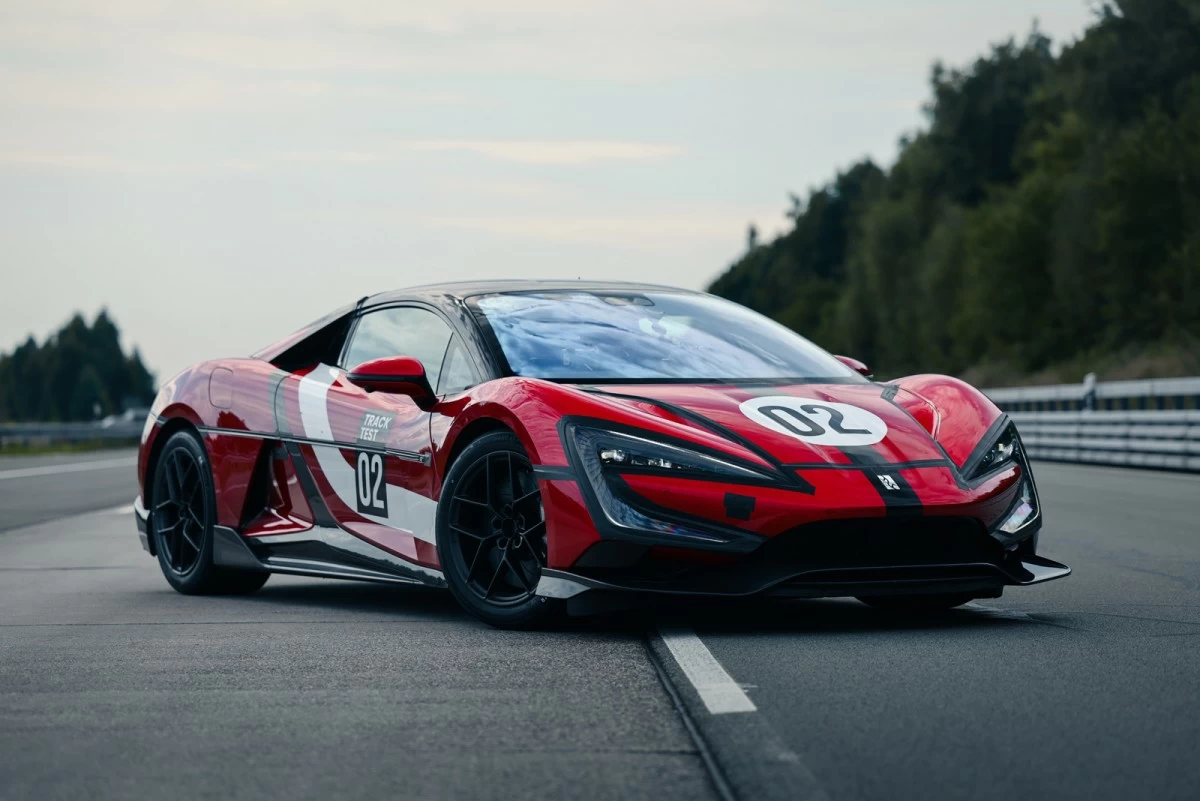
BYD has yet to confirm if it does indeed plan to enter any of these series. However, it’s certainly the best way to prove the performance of its cars, as well as demonstrate their reliability.
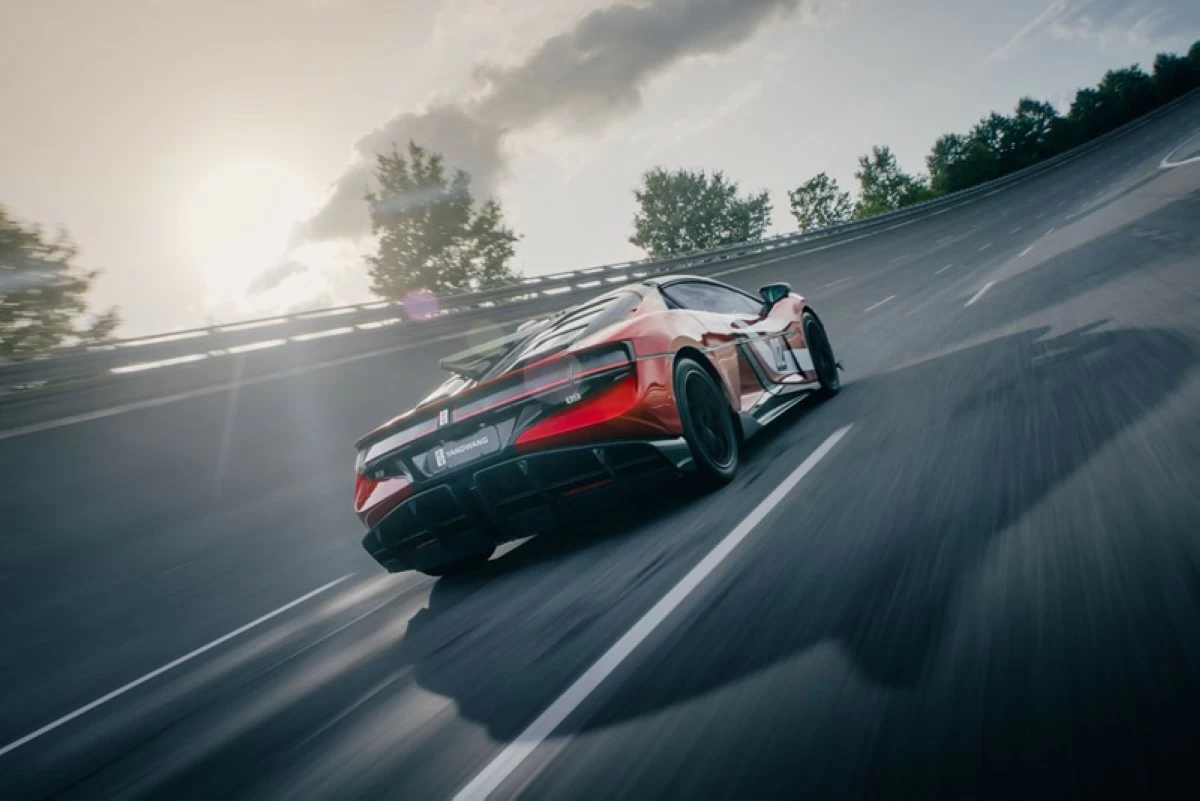
BYD is already venturing into supercar territory with the recent release of its Yangwang U9, its all-electric supercar that boasts of nearly 3,000 horsepower. The Xtreme version recently set an unofficial top speed record of 496 km/h, and was able to lap the Nurburgring Nordschleife circuit in under 7 minutes.

Related Tags

BYD Formula 1
ADVERTISEMENT
.most-popular .layout-ratio{ padding-bottom: 79.13%; } @media (min-width: 768px) and (max-width: 1024px) { .widget-title { font-size: 15px !important; } }

{{ articles_filter_1561_widget.title }}

.most-popular .layout-ratio{ padding-bottom: 79.13%; } @media (min-width: 768px) and (max-width: 1024px) { .widget-title { font-size: 15px !important; } }

{{ articles_filter_1562_widget.title }}

.most-popular .layout-ratio{ padding-bottom: 79.13%; } @media (min-width: 768px) and (max-width: 1024px) { .widget-title { font-size: 15px !important; } }

{{ articles_filter_1563_widget.title }}

{{ articles_filter_1564_widget.title }}

.mb-article-details { position: relative; } .mb-article-details .article-body-preview, .mb-article-details .article-body-summary{ font-size: 17px; line-height: 30px; font-family: "Libre Caslon Text", serif; color: #000; } .mb-article-details .article-body-preview iframe , .mb-article-details .article-body-summary iframe{ width: 100%; margin: auto; } .read-more-background { background: linear-gradient(180deg, color(display-p3 1.000 1.000 1.000 / 0) 13.75%, color(display-p3 1.000 1.000 1.000 / 0.8) 30.79%, color(display-p3 1.000 1.000 1.000) 72.5%); position: absolute; height: 200px; width: 100%; bottom: 0; display: flex; justify-content: center; align-items: center; padding: 0; } .read-more-background a{ color: #000; } .read-more-btn { padding: 17px 45px; font-family: Inter; font-weight: 700; font-size: 18px; line-height: 16px; text-align: center; vertical-align: middle; border: 1px solid black; background-color: white; } .hidden { display: none; }
function initializeAllSwipers() { // Get all hidden inputs with cms_article_id document.querySelectorAll('[id^="cms_article_id_"]').forEach(function (input) { const cmsArticleId = input.value; const articleSelector = '#article-' + cmsArticleId + ' .body_images'; const swiperElement = document.querySelector(articleSelector); if (swiperElement && !swiperElement.classList.contains('swiper-initialized')) { new Swiper(articleSelector, { loop: true, pagination: false, navigation: { nextEl: '#article-' + cmsArticleId + ' .swiper-button-next', prevEl: '#article-' + cmsArticleId + ' .swiper-button-prev', }, }); } }); } setTimeout(initializeAllSwipers, 3000); const intersectionObserver = new IntersectionObserver( (entries) => { entries.forEach((entry) => { if (entry.isIntersecting) { const newUrl = entry.target.getAttribute("data-url"); if (newUrl) { history.pushState(null, null, newUrl); let article = entry.target; // Extract metadata const author = article.querySelector('.author-section').textContent.replace('By', '').trim(); const section = article.querySelector('.section-info ').textContent.replace(' ', ' '); const title = article.querySelector('.article-title h1').textContent; // Parse URL for Chartbeat path format const parsedUrl = new URL(newUrl, window.location.origin); const cleanUrl = parsedUrl.host + parsedUrl.pathname; // Update Chartbeat configuration if (typeof window._sf_async_config !== 'undefined') { window._sf_async_config.path = cleanUrl; window._sf_async_config.sections = section; window._sf_async_config.authors = author; } // Track virtual page view with Chartbeat if (typeof pSUPERFLY !== 'undefined' && typeof pSUPERFLY.virtualPage === 'function') { try { pSUPERFLY.virtualPage({ path: cleanUrl, title: title, sections: section, authors: author }); } catch (error) { console.error('ping error', error); } } // Optional: Update document title if (title && title !== document.title) { document.title = title; } } } }); }, { threshold: 0.1 } ); function showArticleBody(button) { const article = button.closest("article"); const summary = article.querySelector(".article-body-summary"); const body = article.querySelector(".article-body-preview"); const readMoreSection = article.querySelector(".read-more-background"); // Hide summary and read-more section summary.style.display = "none"; readMoreSection.style.display = "none"; // Show the full article body body.classList.remove("hidden"); } document.addEventListener("DOMContentLoaded", () => { let loadCount = 0; // Track how many times articles are loaded const offset = [1, 2, 3, 4, 5, 6, 7, 8, 9, 10]; // Offset values const currentUrl = window.location.pathname.substring(1); let isLoading = false; // Prevent multiple calls if (!currentUrl) { console.log("Current URL is invalid."); return; } const sentinel = document.getElementById("load-more-sentinel"); if (!sentinel) { console.log("Sentinel element not found."); return; } function isSentinelVisible() { const rect = sentinel.getBoundingClientRect(); return ( rect.top < window.innerHeight && rect.bottom >= 0 ); } function onScroll() { if (isLoading) return; if (isSentinelVisible()) { if (loadCount >= offset.length) { console.log("Maximum load attempts reached."); window.removeEventListener("scroll", onScroll); return; } isLoading = true; const currentOffset = offset[loadCount]; window.loadMoreItems().then(() => { let article = document.querySelector('#widget_1690 > div:nth-last-of-type(2) article'); intersectionObserver.observe(article) loadCount++; }).catch(error => { console.error("Error loading more items:", error); }).finally(() => { isLoading = false; }); } } window.addEventListener("scroll", onScroll); });

Sign up by email to receive news.