

ADVERTISEMENT

Peso breach of ₱60 puts BSP easing cycle in jeopardy

Published Mar 19, 2026 02:14 pm

At A Glance

  • The continuing slippage of the peso is narrowing the policy options for the Bangko Sentral ng Pilipinas (BSP), with the likelihood of tightening becoming clearer due to the heightened risk of an oil price surge amid the escalating Middle East war.
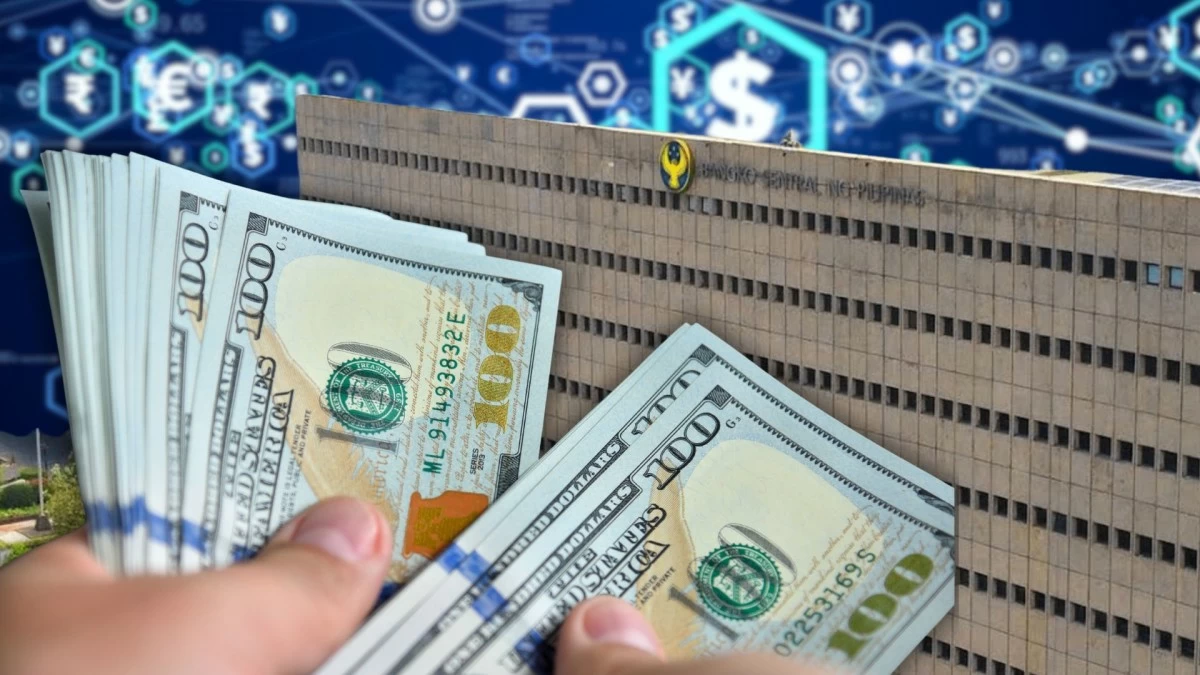
The Bangko Sentral ng Pilipinas (BSP) is facing a narrowing path for its easing cycle as weakening peso and the threat of an oil price shock from escalating Middle East tensions force a potential return to monetary tightening.
Despite assurances that the BSP has been actively intervening to tame the wild swings in the foreign exchange (forex) market, the United States (US) dollar-peso pair has still soared past the 60 level.
“On the peso, the BSP stresses that it operates in the forex market to smooth excess volatility and maintain orderly conditions,” the central bank said in a statement released on Wednesday night following Governor Eli Remolona Jr.’s meeting with President Ferdinand Marcos Jr. a day before.
“This is consistent with a flexible exchange rate policy, with intervention limited to tempering large swings that could affect inflation rather than defending any specific level,” it added, a stance which has served as the BSP’s constant refrain when the peso experiences successive falls.
The peso on Thursday, March 19, pierced the ₱60 level against the greenback. The oil-vulnerable domestic currency hit an intraday low of ₱60.4 immediately after trading started, according to the Bankers Association of the Philippines (BAP).
It opened at ₱59.9 after closing at ₱59.52 last Wednesday, March 18.
While it keeps price growth at manageable levels, the BSP said it is also assessing the potential impact of elevated fuel, fertilizer, and transport prices.
Japanese financial giant MUFG Bank Ltd. noted the Philippines’ relatively greater vulnerability to second-round inflation, given the domino effect that energy costs would have on food prices.
“Across Asia, economies such as Thailand, India, and the Philippines, where food carries a relatively high weight in consumer price index (CPI) baskets, are also particularly vulnerable to second-round inflation pressures, as higher energy costs are likely to spill over into food prices,” MUFG senior currency analyst Lloyd Chan said.
It can also be noted that the President’s stance on transport fare increases shifted after the meeting. On Wednesday, Marcos ordered the deferment of fare hikes, which would have impacted inflation.
Fare hikes have always triggered inflation in major consumer items, as workers would consequently demand higher wages, which would then raise production and retail costs.
While central banks in other economies could stand firm in maintaining easing policies, the think tank Capital Economics expects the Philippines to eventually relent and tighten policy.
“Most other central banks will be more reluctant to tighten, but those in Indonesia, the Philippines, Mexico, and parts of Central Europe could eventually do so if the price spike is sustained,” said Gareth Leather, Capital Economics senior economist for Asia.
Further disruptions in supply chains and increases in prices may force the Monetary Board (MB) to consider “policy action,” the BSP said.
Frederick D. Go, finance secretary and MB member, said the central bank is prepared to shift back toward a hawkish stance, with a potential interest rate hike on the table for the April policy meeting if global oil price shocks do not abate.
Prior to the supply shocks, the BSP had signaled that it was nearing the end of its monetary policy easing cycle, which began in August 2024. Key borrowing costs have so far been reduced by a cumulative 225 basis points (bps) to 4.25 percent.
ADVERTISEMENT
.most-popular .layout-ratio{ padding-bottom: 79.13%; } @media (min-width: 768px) and (max-width: 1024px) { .widget-title { font-size: 15px !important; } }

{{ articles_filter_1561_widget.title }}

.most-popular .layout-ratio{ padding-bottom: 79.13%; } @media (min-width: 768px) and (max-width: 1024px) { .widget-title { font-size: 15px !important; } }

{{ articles_filter_1562_widget.title }}

.most-popular .layout-ratio{ padding-bottom: 79.13%; } @media (min-width: 768px) and (max-width: 1024px) { .widget-title { font-size: 15px !important; } }

{{ articles_filter_1563_widget.title }}

{{ articles_filter_1564_widget.title }}

.mb-article-details { position: relative; } .mb-article-details .article-body-preview, .mb-article-details .article-body-summary{ font-size: 17px; line-height: 30px; font-family: "Libre Caslon Text", serif; color: #000; } .mb-article-details .article-body-preview iframe , .mb-article-details .article-body-summary iframe{ width: 100%; margin: auto; } .read-more-background { background: linear-gradient(180deg, color(display-p3 1.000 1.000 1.000 / 0) 13.75%, color(display-p3 1.000 1.000 1.000 / 0.8) 30.79%, color(display-p3 1.000 1.000 1.000) 72.5%); position: absolute; height: 200px; width: 100%; bottom: 0; display: flex; justify-content: center; align-items: center; padding: 0; } .read-more-background a{ color: #000; } .read-more-btn { padding: 17px 45px; font-family: Inter; font-weight: 700; font-size: 18px; line-height: 16px; text-align: center; vertical-align: middle; border: 1px solid black; background-color: white; } .hidden { display: none; }
function initializeAllSwipers() { // Get all hidden inputs with cms_article_id document.querySelectorAll('[id^="cms_article_id_"]').forEach(function (input) { const cmsArticleId = input.value; const articleSelector = '#article-' + cmsArticleId + ' .body_images'; const swiperElement = document.querySelector(articleSelector); if (swiperElement && !swiperElement.classList.contains('swiper-initialized')) { new Swiper(articleSelector, { loop: true, pagination: false, navigation: { nextEl: '#article-' + cmsArticleId + ' .swiper-button-next', prevEl: '#article-' + cmsArticleId + ' .swiper-button-prev', }, }); } }); } setTimeout(initializeAllSwipers, 3000); const intersectionObserver = new IntersectionObserver( (entries) => { entries.forEach((entry) => { if (entry.isIntersecting) { const newUrl = entry.target.getAttribute("data-url"); if (newUrl) { history.pushState(null, null, newUrl); let article = entry.target; // Extract metadata const author = article.querySelector('.author-section').textContent.replace('By', '').trim(); const section = article.querySelector('.section-info ').textContent.replace(' ', ' '); const title = article.querySelector('.article-title h1').textContent; // Parse URL for Chartbeat path format const parsedUrl = new URL(newUrl, window.location.origin); const cleanUrl = parsedUrl.host + parsedUrl.pathname; // Update Chartbeat configuration if (typeof window._sf_async_config !== 'undefined') { window._sf_async_config.path = cleanUrl; window._sf_async_config.sections = section; window._sf_async_config.authors = author; } // Track virtual page view with Chartbeat if (typeof pSUPERFLY !== 'undefined' && typeof pSUPERFLY.virtualPage === 'function') { try { pSUPERFLY.virtualPage({ path: cleanUrl, title: title, sections: section, authors: author }); } catch (error) { console.error('ping error', error); } } // Optional: Update document title if (title && title !== document.title) { document.title = title; } } } }); }, { threshold: 0.1 } ); function showArticleBody(button) { const article = button.closest("article"); const summary = article.querySelector(".article-body-summary"); const body = article.querySelector(".article-body-preview"); const readMoreSection = article.querySelector(".read-more-background"); // Hide summary and read-more section summary.style.display = "none"; readMoreSection.style.display = "none"; // Show the full article body body.classList.remove("hidden"); } document.addEventListener("DOMContentLoaded", () => { let loadCount = 0; // Track how many times articles are loaded const offset = [1, 2, 3, 4, 5, 6, 7, 8, 9, 10]; // Offset values const currentUrl = window.location.pathname.substring(1); let isLoading = false; // Prevent multiple calls if (!currentUrl) { console.log("Current URL is invalid."); return; } const sentinel = document.getElementById("load-more-sentinel"); if (!sentinel) { console.log("Sentinel element not found."); return; } function isSentinelVisible() { const rect = sentinel.getBoundingClientRect(); return ( rect.top < window.innerHeight && rect.bottom >= 0 ); } function onScroll() { if (isLoading) return; if (isSentinelVisible()) { if (loadCount >= offset.length) { console.log("Maximum load attempts reached."); window.removeEventListener("scroll", onScroll); return; } isLoading = true; const currentOffset = offset[loadCount]; window.loadMoreItems().then(() => { let article = document.querySelector('#widget_1690 > div:nth-last-of-type(2) article'); intersectionObserver.observe(article) loadCount++; }).catch(error => { console.error("Error loading more items:", error); }).finally(() => { isLoading = false; }); } } window.addEventListener("scroll", onScroll); });

Sign up by email to receive news.