







Marcos orders ₱21.5-billion release to offset fuel costs
By Derco Rosal
Published Mar 19, 2026 02:30 pm


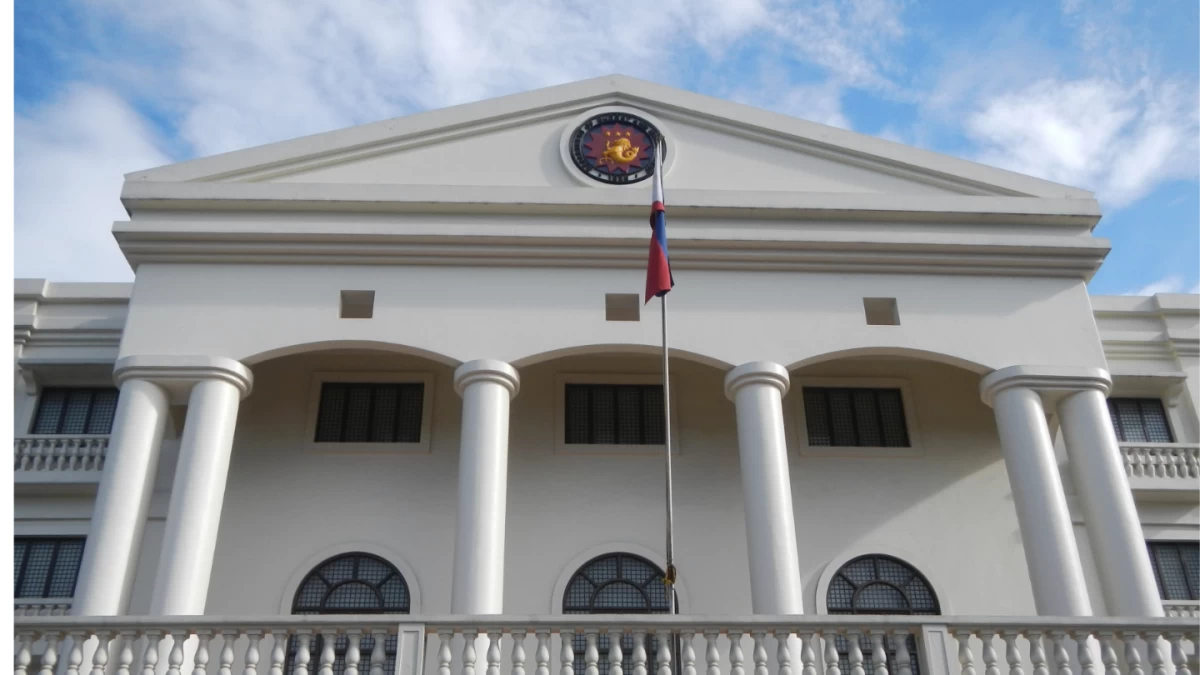
President Ferdinand Marcos Jr. ordered the Department of Budget and Management (DBM) to release ₱21.47 billion to sustain infrastructure projects and provide fuel subsidies as rising Middle East tensions drive global oil prices higher.
In a statement on Thursday, March 19, Budget Secretary Rolando Toledo said the the department fast-tracked the fund release to ensure that critical government services and public works remain uninterrupted despite the volatile global environment.
The president’s directive aims to insulate the Philippine economy from external shocks that threaten to spike transport costs and strain household budgets.
The allocation includes ₱2.49 billion for the Department of Transportation’s Fuel Subsidy Program. The funds are intended to provide direct financial relief to public utility vehicle drivers and operators who are struggling with higher pump prices.
By subsidizing fuel costs, the Marcos administration seeks to prevent a surge in public transport fares, which would otherwise impact millions of daily commuters and contribute to inflationary pressure.
Global oil markets have remained volatile as conflict in the Middle East stokes fears of supply disruptions.
For the Philippines, a net oil importer, these fluctuations translate directly into higher domestic costs for logistics and basic commodities.
Toledo noted that the government’s intervention is designed to protect livelihoods and ensure that the burden of global price hikes does not fall solely on the transport sector.
In addition to transport relief, the DBM allocated ₱18.65 billion to the Department of Public Works and Highways. This portion of the funding is earmarked for nationwide infrastructure projects, a cornerstone of the administration’s economic strategy.
The government maintains that continuing these projects is essential for job preservation and long-term economic productivity. An additional ₱324.36 million was also released to the DPWH to settle outstanding obligations for foreign-assisted projects, a move aimed at maintaining the country’s credit standing with international lenders and ensuring project timelines are met.
The DBM stated that all disbursements will be subject to standard accounting and auditing procedures to ensure the funds reach the intended beneficiaries. As the administration navigates these global headwinds, the focus remains on balancing fiscal responsibility with the need for immediate social protection.