







Coconut body rebuffs Marcos on ending biodiesel mandate
Published Mar 19, 2026 05:47 pm


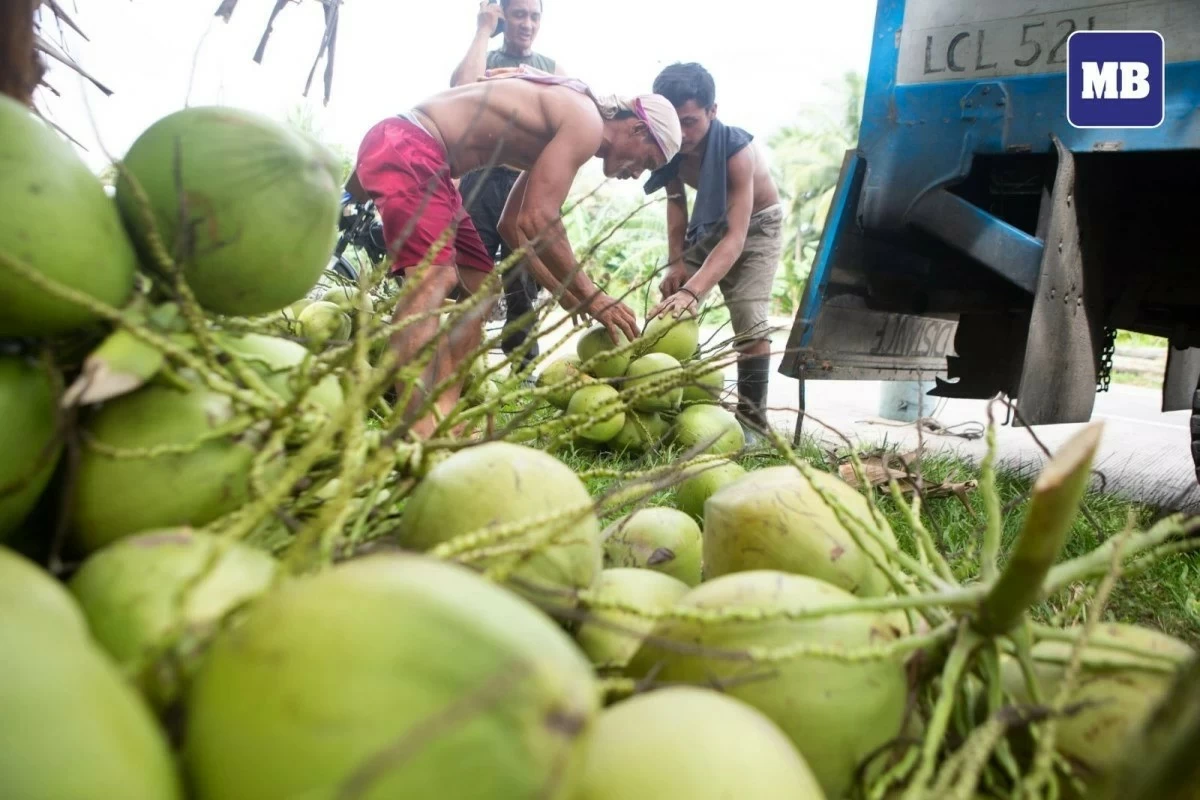
(Manila Bulletin file photo)
The Philippine Coconut Authority (PCC) is pushing back against the proposal by President Ferdinand Marcos Jr. to suspend the mandatory biodiesel blend, warning that the move would jeopardize the livelihoods of farmers and derail long-term industrial investments.
“The PCA maintains that it is not amenable to the full suspension of the biodiesel blend mandate,” the agency said in a statement following Marcos’ move to certify the proposed measure as urgent.
The bill, which has since been approved by the House of Representatives and is now awaiting the Senate’s nod, would authorize the temporary suspension of the required use of locally sourced biofuel blending for up to one year.
This is seen to provide the government with additional flexibility to keep pump prices stable amid volatility due to supply constraints on the back of the Middle East conflict.
Under the Biofuels Act, all liquid fuels for motors and engines must contain locally sourced biofuels to reduce the country’s dependence on imported fuels.
Based on its current form, the bill would temporarily suspend this mandate to allow the entry of imported biofuels if prices of local biofuels are at least five percent higher than traditional fuel.
The PCA asserted that this would put the livelihoods of coconut farmers under pressure, since the current biodiesel program is the primary domestic driver of coconut oil demand.
Coconut farmers produce copra, the primary raw material used to produce coconut oil, which is then sold to oil millers, who in turn supply the product to coconut methyl ester (CME) producers.
The PCA said suspending CME in favor of imported palm methyl ester (PME) would redirect domestic supply to lower-priced export markets.
It stressed that this would exert downward pressure on local copra and coconut oil prices, further limiting the potential income of coconut farmers.
“Such a scenario could have significant adverse implications for the livelihoods of coconut farmers, who remain the most vulnerable stakeholders in the value chain,” the PCA said.
The agency said this may also jeopardize the viability of the country’s CME production facilities, which would risk thousands of jobs and undermine years of investment.
In addition, it warned that shifting to imported PME may carry environmental implications, as CME is generally recognized to offer more favorable environmental benefits.
“In view of these considerations, the PCA reiterates its commitment to policies that ensure market stability, protect farmer welfare, sustain domestic industry capacity, and promote environmentally sound energy solutions,” it said.
Instead of a full suspension, the PCA said the government should consider adopting a “balanced and calibrated approach” to the country’s biodiesel blending policy.
The PCA said it supports the retention of the current biodiesel blend at three percent, or B3, for the time being.
If warranted, the agency said the country may revert the blend to B2 as a “prudent response under prevailing market conditions.”
At present, the PCA said local processors have the capacity to increase blending levels up to 7 percent, or B7, subject to appropriate policy direction and market readiness.
Last year, the PCA hinted that the government may lift the suspension of the implementation of B4 and B5 within the first quarter, but based on the current situation, this now appears unlikely.