







House adopts Senate bill on fuel excise tax abolition
Published Mar 18, 2026 06:46 pm


At A Glance
- The House of Representatives adopted on Wednesday, March 18 the Senate version of a proposed law abolishing fuel excise tax, even as government raced against time to bring relief to motorists and Filipinos in general.
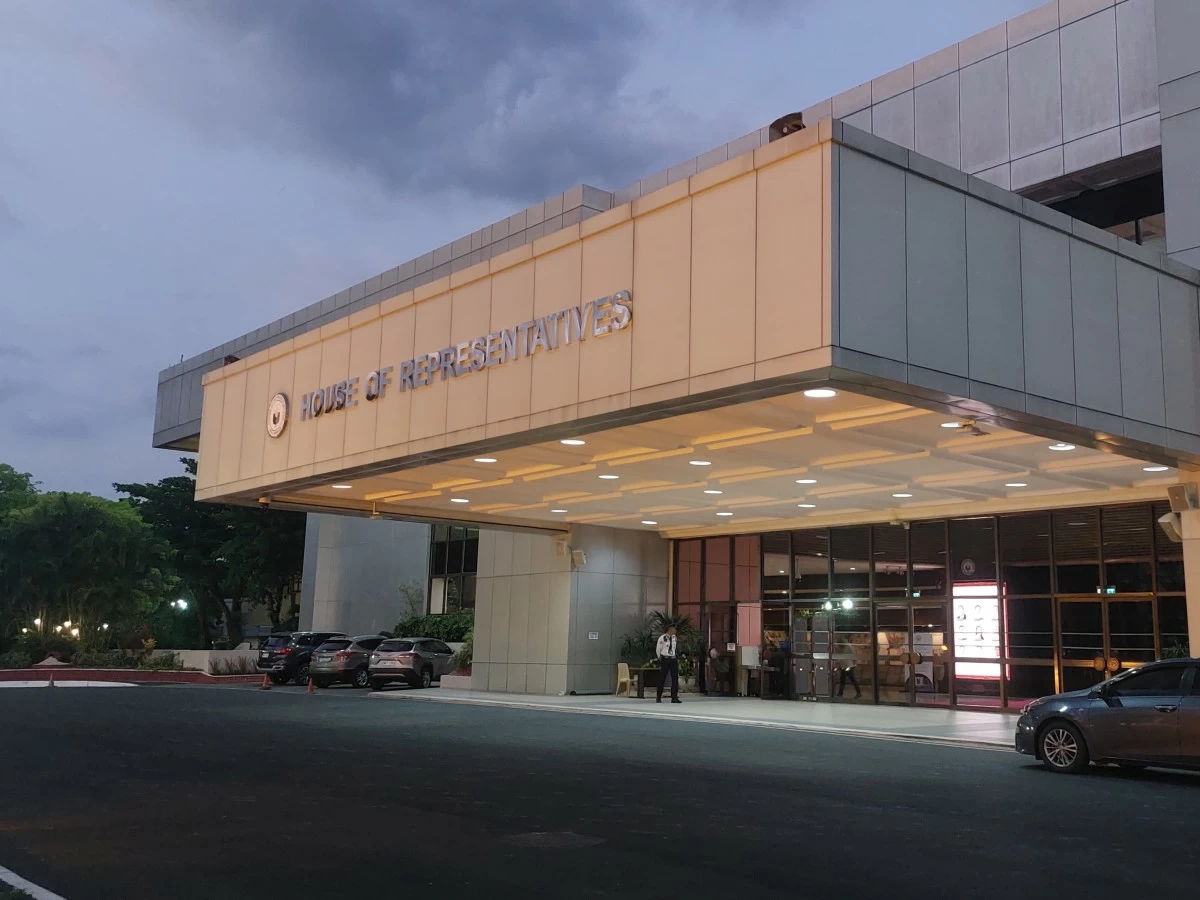
The House of Representatives (Ellson Quismorio/ MANILA BULLETIN)
The House of Representatives adopted on Wednesday, March 18 the Senate version of a proposed law abolishing fuel excise tax, even as government raced against time to bring relief to motorists and Filipinos in general.
During House plenary session that was presided over by Deputy Speaker David “Jay-Jay” Suarez (Quezon, 2nd district), Deputy Majority Leader Luigi Villafuerte (Camarines Sur, 2nd district) said the House Committee on Ways and Means, which sponsored House Bill (HB) No. 8418, agreed to align with Senate Bill (SB) No. 1982.
The two measures represent the proposals in the bicameral Congress to allow President Marcos to temporarily reduce or suspend excise taxes on petroleum products during national or global economic emergencies.
“We have been informed that the Committee on Ways and Means, sponsor of HB No.8418 as well as the authors thereof, is in concurrence with the provisions of SB no. 1982. In accordance with our rules, I move to adopt SB no. 1982 as an amendment to House Bill No. 8418,” Villafuerte said.
Suarez carried the motion after hearing no objections in plenary. The action allows the House to adopt the Senate-approved version of the measure, streamlining the legislative process by doing away with Bicameral Conference Committee hearings between congressmen and senators.
The proposed law seeks to abolish the excise tax, a move lawmakers earlier said would lower pump fuel prices of gasoline and diesel by P6 to 10 per liter.
Wednesday is the last session day before the House and Senate starts its six-week summer recess. The adopted measure only needs President Marcos' signature to become a law.
HB No.8418 amends Section 148 of the National Internal Revenue Code to authorize the President, upon the recommendation of the Development Budget Coordination Committee and in coordination with the Secretary of Energy, to suspend or reduce the excise tax on fuel under specific conditions meant to balance speed with safeguards.
One trigger under the measure is when the average Dubai crude oil price, based on Mean of Platts Singapore, reaches or exceeds $80 per barrel for one month immediately preceding the issuance of the suspension or reduction order, allowing government to act before the shock turns into a full-blown inflation surge.
A second trigger applies when a state of national emergency or calamity is declared by the President and the condition results in extraordinary increases in domestic pump prices of petroleum products, as certified by the Secretary of Energy, so the authority can be used when local price conditions become exceptional.
The bill provides that the suspension may be applied to specific petroleum products and may be implemented either as a full suspension or partial reduction of the applicable excise tax rates, depending on prevailing conditions and the targeted relief needed.
Majority Leader Sandro Marcos (Ilocos Norte, 1st district), in a statement Wednesday night, said the plenary action brings the government "just one step away from enacting into law a vital measure that will give the President the flexibility to suspend or reduce excise taxes on fuel during times of extraordinary price increases".
"The House has acted with urgency, mindful of the growing burden on Filipino families and businesses. This measure ensures that government can respond swiftly, decisively, and responsibly when global conditions place pressure on domestic prices," he said.
The presidential son said: "We remain hopeful that this will soon be enacted, so that the necessary relief can be delivered at the soonest possible time."
"Sa ganitong panahon, mahalaga ang mahinahong pamumuno at agarang pagkilos—para sa kapakanan ng bawat Pilipino (In times like these, calm leadership and prompt action are essential—for the welfare of every Filipino)," he added.