






Manila Bulletin
 Philippines
National
For Filipino children, what's on the plate matters: Why healthier food environments are urgent
Philippines
National
For Filipino children, what's on the plate matters: Why healthier food environments are urgent
Philippines
National
For Filipino children, what's on the plate matters: Why healthier food environments are urgent
For Filipino children, what's on the plate matters: Why healthier food environments are urgent
Experts push Healthy Food Environment Bill to curb junk food marketing, improve school nutrition amid rising childhood obesity in the Philippines
Published Mar 18, 2026 04:34 pm


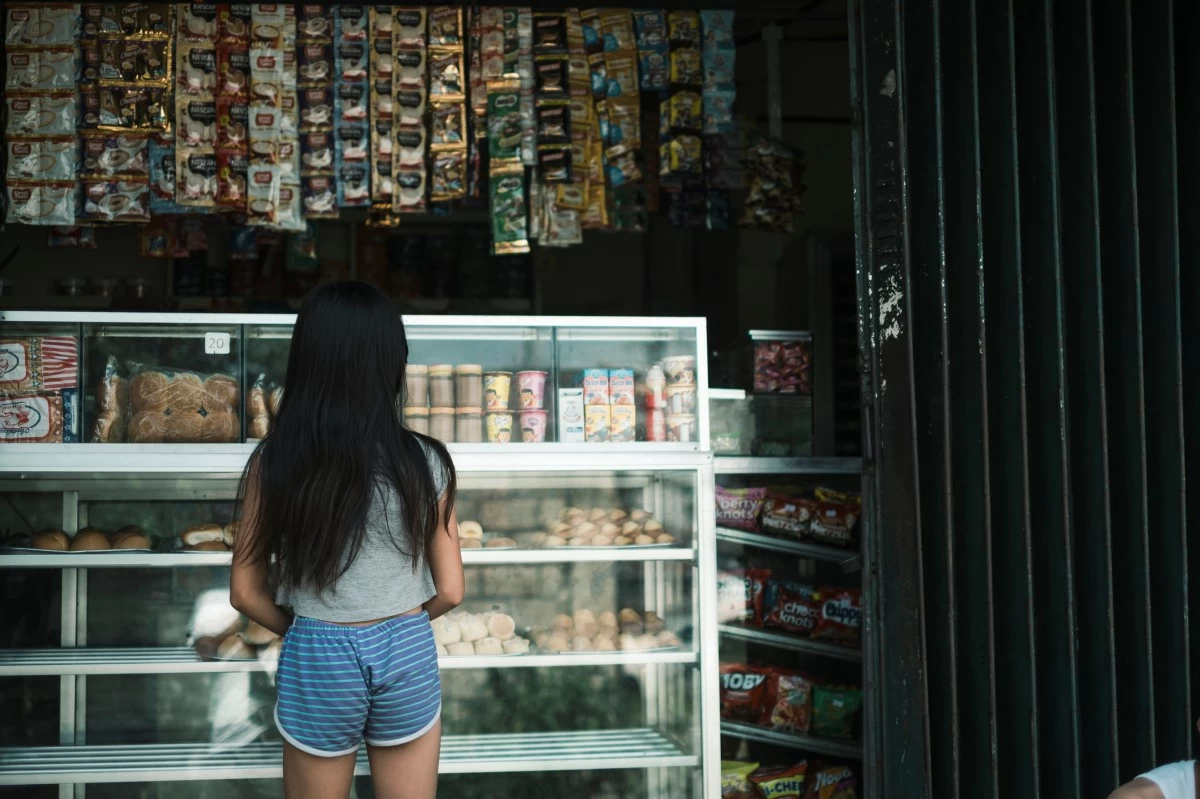
Filipino children navigate daily food choices shaped by school canteens and online ads, as advocates push for stronger policies to promote healthier food environments. (Photo: UNICEF Philippines)
For many Filipino children, the school day shapes not only what they learn but also what they eat, as canteen offerings and constant exposure to online food marketing steer students toward choices that are convenient, affordable, and appealing—but often unhealthy.
This growing reality is now at the center of an urgent national conversation, as health experts and child advocates push for the passage of the Healthy Food Environment Bill to better protect children and promote healthier habits early in life.
In a statement issued on Wednesday, March 18, the National Nutrition Council (NNC), an attached agency of the Department of Health (DOH), together with UNICEF, the World Health Organization (WHO), and other partners, urged Congress to pass the proposed Healthy Food Environment Bill to address rising rates of childhood overweight and obesity in the Philippines.
They emphasized the need for stronger safeguards, such as restrictions on unhealthy food marketing to children, clear front-of-pack nutrition labeling, and healthier school food environments—a call reinforced during the World Obesity Day Philippine Forum held on March 13, where government agencies, local governments, civil society, and youth leaders highlighted the long-term risks of poor nutrition on children’s health and learning outcomes.
World Obesity Day is observed every March 4.
A daily struggle shaped by the environment
For students, food decisions are rarely made in isolation.
A typical day may include sugary drinks from nearby stores, ultra-processed snacks marketed online, and limited access to nutritious alternatives—especially in underserved communities.
Based on UNICEF’s analysis of digital food marketing to children in the Philippines, Filipino children are heavily exposed to such marketing, with 99 percent of ads promoting products that fail to meet health standards for children.
These advertisements often portray unhealthy food as fun, energizing, or even “healthy,” making it harder for young people to distinguish between marketing and proper nutrition.
For many families, the challenge is compounded by cost and convenience. Healthier food options can be more expensive or time-consuming to prepare, placing them out of reach for households already managing tight budgets.
Rising health risks among the young
The consequences, experts warned, are becoming increasingly visible in classrooms and communities.
In the Philippines, about 12.9 percent of school-age children and 12.5 percent of adolescents are now overweight or obese, reflecting a steady upward trend.
Globally, projections suggest that by 2035, four billion people—half of the world’s population—could face similar conditions.
For children, advocates stressed that this is not just a long-term concern—it also affects their present lives.
Poor nutrition can impact concentration, energy levels, and overall academic performance, while increasing the risk of chronic diseases such as diabetes and heart disease later in life.
Why schools are part of the solution
For advocates, schools are emerging as critical spaces for intervention—not only as centers of learning but also as environments where healthier choices can be normalized.
Proposed measures under the Healthy Food Environment Bill include clear front-of-pack nutrition labeling to guide families, restrictions on marketing unhealthy food to children (including online), and improved school food standards to ensure access to nutritious options.
“The Healthy Food Environment Bill will strengthen food marketing safeguards for children where they live, learn, and play, and make it easier for families to make healthier food choices,” said UNICEF Philippines Representative Kyungsun Kim.
Kim also assured that UNICEF will work alongside the Philippine government and partners to turn these proposed measures into everyday reality.
“Together, we can protect every child’s right to good nutrition,” Kim added.
These reforms aim to make the healthy choice the easy choice—especially for students who rely on school environments for daily meals and snacks, advocates stressed.
Listening to young voices
Importantly, children and youth are not just passive recipients of these policies—they are becoming advocates themselves.
Through youth-led food monitoring initiatives, such as UNICEF’s Fix My Food campaign, students are documenting what is sold and advertised around them, highlighting the gap between what is available and what is healthy.
Experts said their voices are helping push policymakers to act faster and more decisively.
A system-wide challenge
For experts, childhood obesity is not simply about personal responsibility; it reflects broader systemic issues—from aggressive marketing to limited access to nutritious food.
“Obesity is not a failure of individuals—it is often a failure of systems,” said NNC OIC Executive Director IV Rosalina U. Bascao.
“We must transform our food environments, strengthen our policies, and work together to ensure that healthy choices become the easiest choices for every Filipino,” she added.
Experts also stressed that improving children’s health requires transforming entire food environments—across homes, schools, and communities—so that healthier options become more accessible, affordable, and appealing.
In line with this, the NNC said it is strengthening the Overweight and Obesity Management and Prevention Programme under the Philippine Plan of Action for Nutrition (PPAN) 2023–2028, focusing on promoting healthy habits, training local government units and frontline workers, and improving data systems.
Guided by national obesity policies and the accompanying strategic plan, the NNC also continues to advance legislation to improve food environments—expanding access to nutritious, affordable food and protecting children from unhealthy product marketing.
What’s at stake for the next generation
At its core, experts said the issue is about children’s right to grow, learn, and thrive in environments that support their well-being.
“Creating healthier food environments is essential if we are serious about preventing childhood overweight, obesity, and diet-related noncommunicable diseases,” said Acting WHO Representative to the Philippines Dr. Eunyoung Ko.
“This includes putting in place strong policies to protect children from the harmful marketing of unhealthy foods and drinks, and clear front-of-pack nutrition labeling to help families make healthier choices more easily,” Ko added, expressing WHO’s continued support to the Philippine government through technical guidance and evidence-based assistance.
As they push for the bill, experts stressed that for Filipino students, better nutrition is not just about avoiding illness—it is about enabling them to focus in class, participate fully in school life, and build a healthier future.