






Manila Bulletin
 Business
Trade & Industry
DA seeks fertilizer supply deals with China, Russia amid Mideast tensions
Business
Trade & Industry
DA seeks fertilizer supply deals with China, Russia amid Mideast tensions
Business
Trade & Industry
DA seeks fertilizer supply deals with China, Russia amid Mideast tensions
DA seeks fertilizer supply deals with China, Russia amid Mideast tensions
Published Mar 18, 2026 06:54 pm


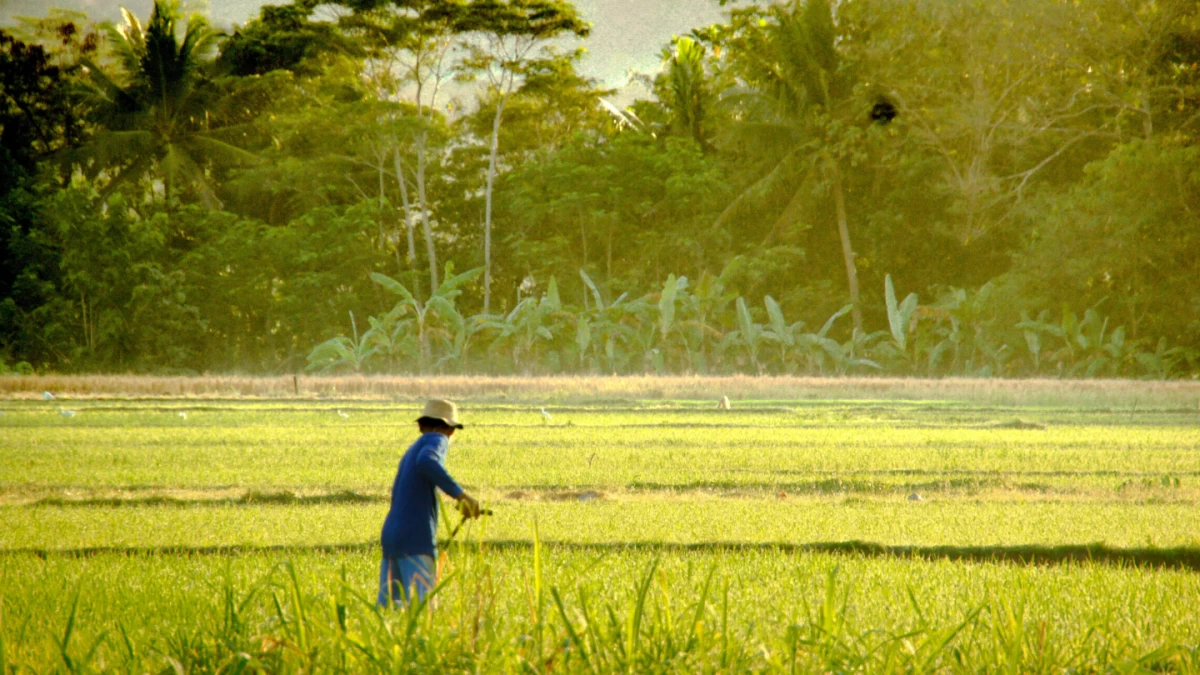
The Philippines has initiated talks with countries such as China and Russia to secure a steady supply of fertilizers amid disruptions in the Middle East, according to the Department of Agriculture (DA).
Agriculture Secretary Francisco Tiu Laurel said in a statement that he has engaged with several countries to ensure a sufficient supply of the critical planting input.
Even though the Philippines has already secured more than 80 percent of its fertilizer requirements through September, there is uncertainty about whether these will be delivered amid surging fuel prices.
Since the country primarily imports nitrogen-based fertilizers derived from natural gas, the impact of price hikes is particularly pronounced.
Should the conflict in the Middle East escalate further, Tiu Laurel said the price of nitrogen-based inputs such as urea could double to $800 per metric ton (MT) from a prevailing price of around $420 per MT last year.
To prevent a potential shortfall in supply during the planting season, Tiu Laurel said he has already held talks with countries such as China, India, and Russia to secure fertilizer supply. He added that discussions with Belarus are also underway.
He said the potential for fertilizer imports from China is particularly high after Chinese Ambassador to the Philippines Jing Quan assured agricultural cooperation between the two countries.
Apart from fertilizers, China also offered to share farming techniques that reduce fertilizer use without sacrificing yields, which Tiu Laurel described as “food diplomacy.”
As the war in the Middle East escalates, the DA is reviewing supply outlooks and preparing contingency measures for major commodities to minimize the impact on both farmers and consumers.
The agency said domestic food supply remains adequate to meet demand, although it warned that prices may increase on the back of higher logistics and transport costs.
“To cushion the impact, the government has ramped up market monitoring and begun rolling out targeted financial assistance, including fuel subsidies for farmers and fisherfolk,” it said.
For rice, the country’s main staple, the DA is studying a plan to impose a price cap of ₱50 per kilo for imported rice to temper price hikes linked to profiteering.