







Staying healthy while traveling in a time of conflict
Practical tips for travelers in these trying times
Published Mar 17, 2026 01:34 am


At A Glance
- Following the bombing of oil storage facilities in Iran, the World Health Organization expressed its concern regarding the health hazard from the burning oil that released toxic chemicals into the atmosphere, including sulfur and nitrogen compounds and volatile hydrocarbons.
The attack on Iran by the US and Israel and the resulting retaliation had the unfortunate consequence of closing the airspace above the Middle East and stranding thousands of travelers. Dubai, Abu Dhabi, and Qatar are major global airline hubs, and any disruption in their operations has massive ripple effects on travel. More than a few friends and acquaintances posted on their social media pages that they were stuck and did not have any idea when they would be able to return home.
While unexpected events can impact travel at any time, it is always good to be prepared for these eventualities. The recent Covid-19 pandemic similarly disrupted global aviation. In extreme cases, some people were unable to return home for several years and had to spend time living in a foreign country. Even worse if you get sick and need care while in a foreign country without adequate resources and no friends or relatives who can watch over you. Until things get better, it is probably best to avoid non-essential travel that passes through the areas of conflict.
If you must travel to these places, one important item that everyone must have is health insurance. While some countries do not require traveler’s health insurance, others make it a precondition for visa issuance. Schengen countries require at least 30,000 euros in coverage, along with repatriation and emergency evacuation riders. Some consulates also want the coverage to be 14 days beyond the travel period. I always thought these requirements were a bit much until the pandemic hit, and now, with the prolonged shutdown of flights making it difficult to return home. In addition, some countries, like the US, have very expensive healthcare costs. A few days in the hospital can cost thousands of dollars if paid out of pocket.
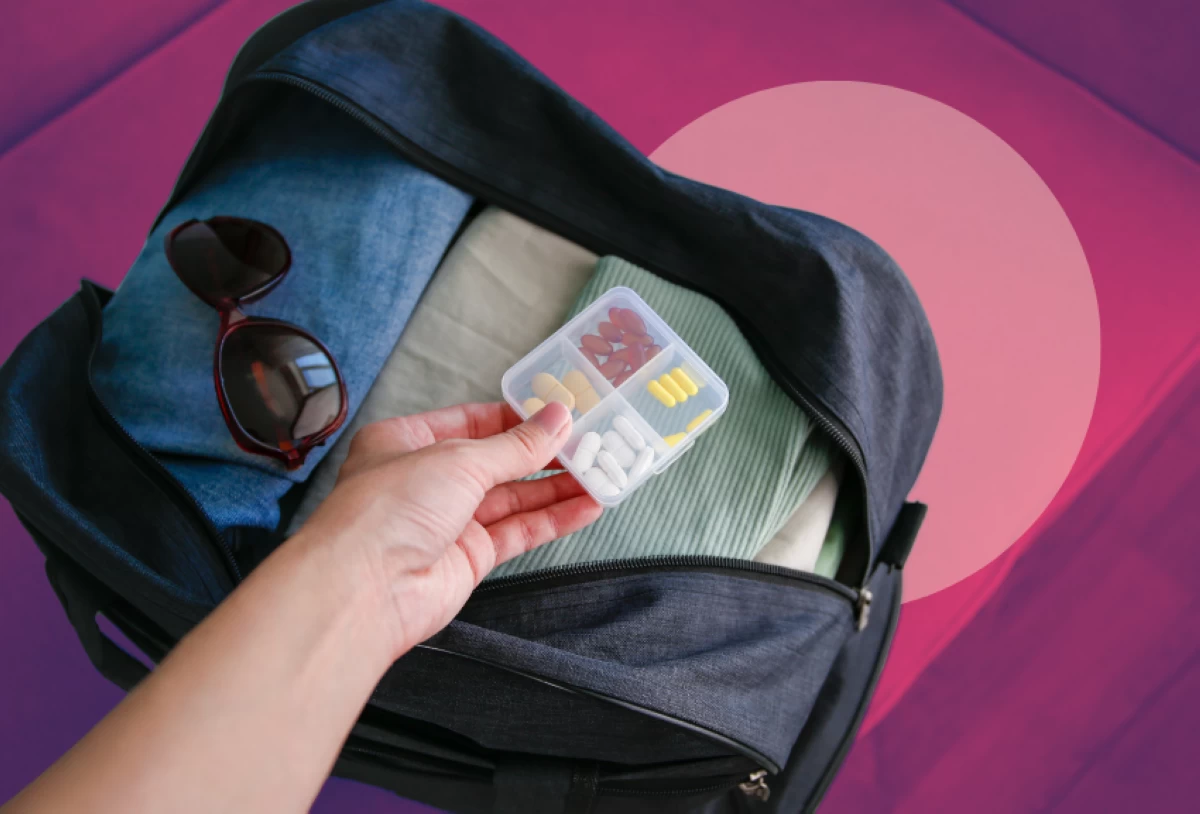
Aside from health insurance, bringing basic medical supplies and extra medication for chronic conditions is important. Always carry a first aid kit, including Band-Aids, disinfectants, an elastic bandage for sprains, and sterile gauze. Painkillers like paracetamol and celecoxib are also handy, along with antihistamines for any allergic reactions, antacids for stomach pains, and anti-vertigo pills for motion sickness. Antibiotics for traveler’s diarrhea will need a prescription from your doctor, but most doctors will be happy to provide these if the destination warrants it. Other useful items are bug repellent for areas with lots of mosquitoes and biting insects, and antimalarial medication for prophylaxis in endemic risk areas. There are travel clinics that can help prepare for these situations.
Being up to date on your vaccines is also important. Yellow fever vaccination is required in several countries in Africa and South America, and you may not be allowed to travel into or out of a destination if your itinerary includes a yellow fever endemic country. Even if you are not traveling to an endemic country, it may still be useful to get it anyway, especially if you are traveling near endemic areas, because if there are flight disruptions, airlines may reroute through these areas, and so it helps keep more options open. Yellow fever vaccination can be accessed at the office of the Bureau of Quarantine in the port area. A single shot is good for lifetime protection, and you will be issued a yellow card, which you will need to bring as proof of vaccination. Being up to date on your annual flu vaccine is also recommended, especially since it is easy to catch the flu and other respiratory virus during travel in enclosed spaces and when changing time zones and lack of sleep can stress the immune system. Other vaccines that are nice to have, especially for older people, are the shingles vaccine, pneumonia vaccine, and respiratory syncytial virus (RSV).
Following the bombing of oil storage facilities in Iran, the World Health Organization expressed its concern regarding the health hazard from the burning oil that released toxic chemicals into the atmosphere, including sulfur and nitrogen compounds and volatile hydrocarbons. A “black rain” reportedly fell on Tehran the next day, which is likely laden with soot particles and oil released from the explosions of the depots. These can cause respiratory problems, especially in those with chronic lung disease like asthma or emphysema.
In anticipation of more events like this, especially if you are traveling to conflict areas, bringing a respirator or medical-grade surgical mask can help protect against particulate matter. In addition, the mask can come in handy when someone on the plane is sick and starts sneezing or coughing in the enclosed space. Extra inhaler medication for those with asthma or chronic obstructive pulmonary disease (COPD ) should be considered. Having a disposable plastic poncho or raincoat with a hood can also be useful to protect against acid rain and chemical contamination. Disposable gloves, preferably nitrile rather than latex, since these are less permeable to organic compounds, can be useful in an emergency to protect your hands.
Be familiar with the emergency protocols of the city you are staying in and know how to get to the nearest bomb shelters. Pack an extra change of clothes with your carry-on and bring non-perishable food items like energy bars and a reusable water bottle in case you get stranded. Know all the emergency contact numbers, including those for your airline and travel agent, in case of cancellation of flights. If your flight is canceled, do not go to the airport until you get confirmation from the airline that you are booked on an alternative flight. Always keep an eye on the news and be aware of which areas are under attack and which are more likely to be safe.
As the conflict in the Middle East continues into a third week, there is little indication it will be over soon, and repatriation flights from different countries are already being facilitated. Even after it ends, there is no guarantee that the conflict won’t flare up again. No one wants to get stranded, but being prepared can mean the difference between a minor inconvenience and a potentially life-threatening situation.