







Gov't offers VAT exemptions for natural gas trading
By Derco Rosal


At A Glance
- To incentivize the adoption of natural gas and its power generation, the government is offering value-added tax (VAT) exemptions on the sale and purchase of natural gas and its blended products.
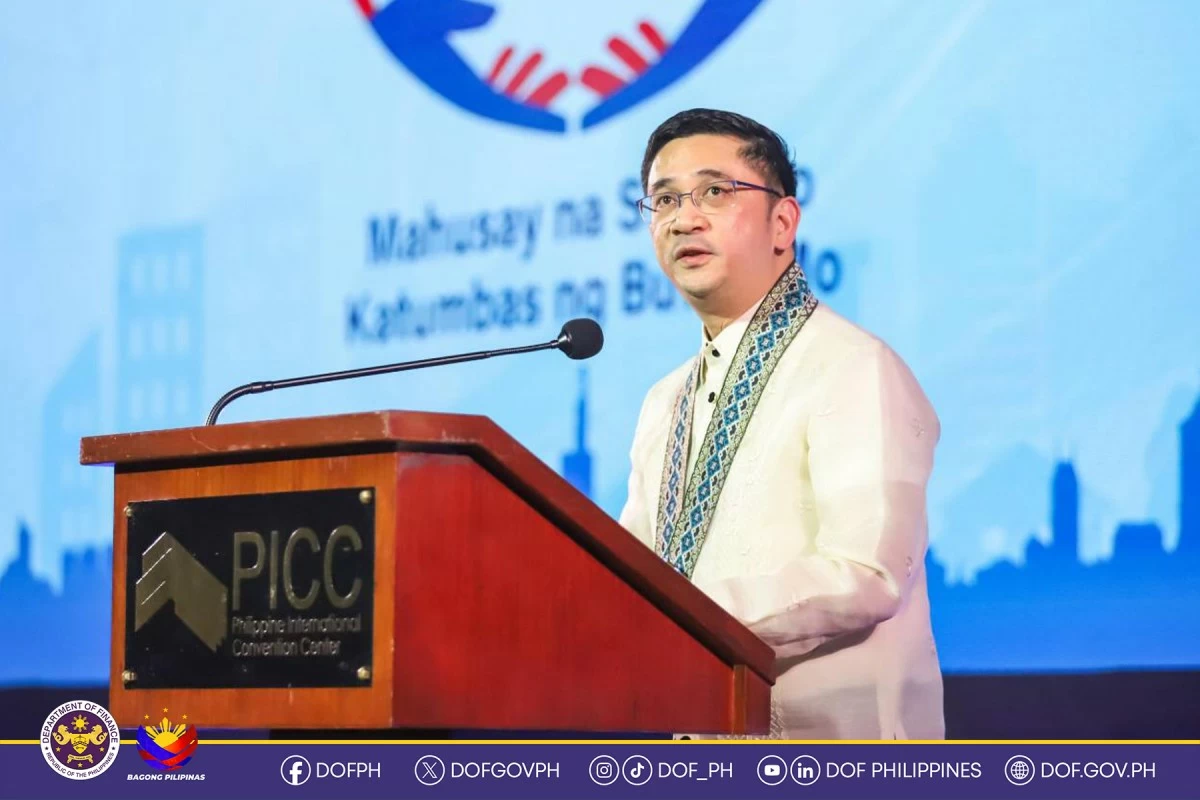
To incentivize the adoption of natural gas and its use in power generation, the government is offering value-added tax (VAT) exemptions on the sale and purchase of natural gas and its blended products.
The 12-percent VAT will be scrapped on the purchase and sale of “indigenous natural gas, aggregated gas, and power generated by generation facilities using indigenous natural gas and aggregated gas,” the Bureau of Internal Revenue (BIR) said in its second revenue regulation (RR) for 2026.
Internal Revenue Commissioner Charlito Martin R. Mendoza said the policy, which will take effect two weeks later, is introduced to “promote natural gas as a safe, efficient, and cost-effective energy source.”
It also bears noting that this tax perk is being offered against the backdrop of the Middle East war threatening to trigger sustained global oil price hikes, which could trickle down to the local economy as an oil importer.
Limitations, however, are in place to prevent abuse of the exemptions. According to the country’s main tax agency, the VAT exemption does not apply to the entire batch in cases where local and imported gas are blended.
It clarified that the tax perk only covers indigenous natural gas, or the specific portion of the mixture that was produced within the Philippines.
Aggregated gas refers to the product resulting from aggregation, which is the process of procuring indigenous natural gas, combining it with imported liquefied natural gas (LNG), and selling the combined mixture to gas buyers in the Philippines or abroad.
Double dipping, or claiming the same tax incentives under different laws, is prohibited, the BIR said, citing the relationship between the Philippine Natural Gas Industry Development Act under Republic Act (RA) No. 12120 and the National Internal Revenue Code (NIRC) or the Tax Code.
“Unless otherwise provided by law, the availment of fiscal incentives under Title XIII of the Tax Code shall disqualify the availment of similar tax incentives provided under RA 12120 and other special laws,” the regulation read.
The regulations cover a wide range of trading arrangements, including all modes of buying and selling—whether through supply agreements, authorized markets such as the wholesale electricity spot market and ancillary reserves market, financial gas contracts, natural gas supply and purchase agreements (NGSPAs), or other modes.
To qualify for VAT exemptions, taxpayers must secure quarterly endorsements from the Department of Energy (DOE) certifying their natural gas sales and power output, along with a copy of the required DOE permit.