






Manila Bulletin
 Philippines
National
DepEd boosts disaster resilience with new Learning Continuity Spaces in Davao
Philippines
National
DepEd boosts disaster resilience with new Learning Continuity Spaces in Davao
Philippines
National
DepEd boosts disaster resilience with new Learning Continuity Spaces in Davao
DepEd boosts disaster resilience with new Learning Continuity Spaces in Davao
Published Mar 17, 2026 02:08 pm


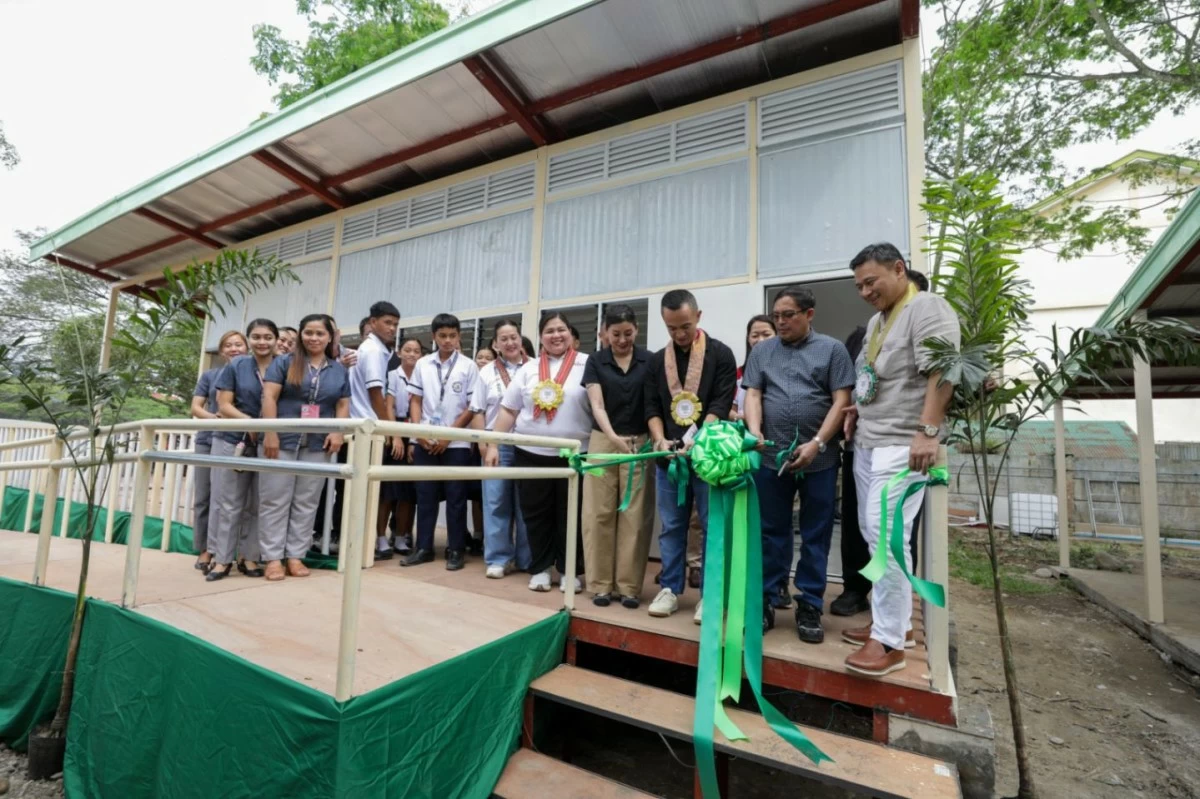
Following the directive of President Ferdinand R. Marcos Jr., DepEd Secretary Sonny Angara leads the turnover of modular, climate-resilient Learning Continuity Spaces (LCS) at the Davao del Norte Regional Sports Academy in Tagum City to ensure uninterrupted schooling during natural disasters. (DepEd photo)
As part of the government’s push to strengthen disaster-resilient education, the Department of Education (DepEd) on Tuesday, March 17, announced the rollout of new Learning Continuity Spaces (LCS) in Davao del Norte to ensure classes continue despite natural calamities.
In a statement, the agency said the latest deployment, led by DepEd Secretary Sonny Angara, took place at the Davao del Norte Regional Sports Academy, building on earlier installations in Masbate and Bogo City.
DepEd said the initiative supports the directive of President Ferdinand R. Marcos Jr. to guarantee uninterrupted access to quality education, particularly in disaster-prone areas frequently hit by typhoons and earthquakes.
Modular classrooms designed for emergencies
To address recurring damage to school infrastructure, DepEd said it is introducing modular, climate-resilient classrooms that can be rapidly deployed in affected communities.
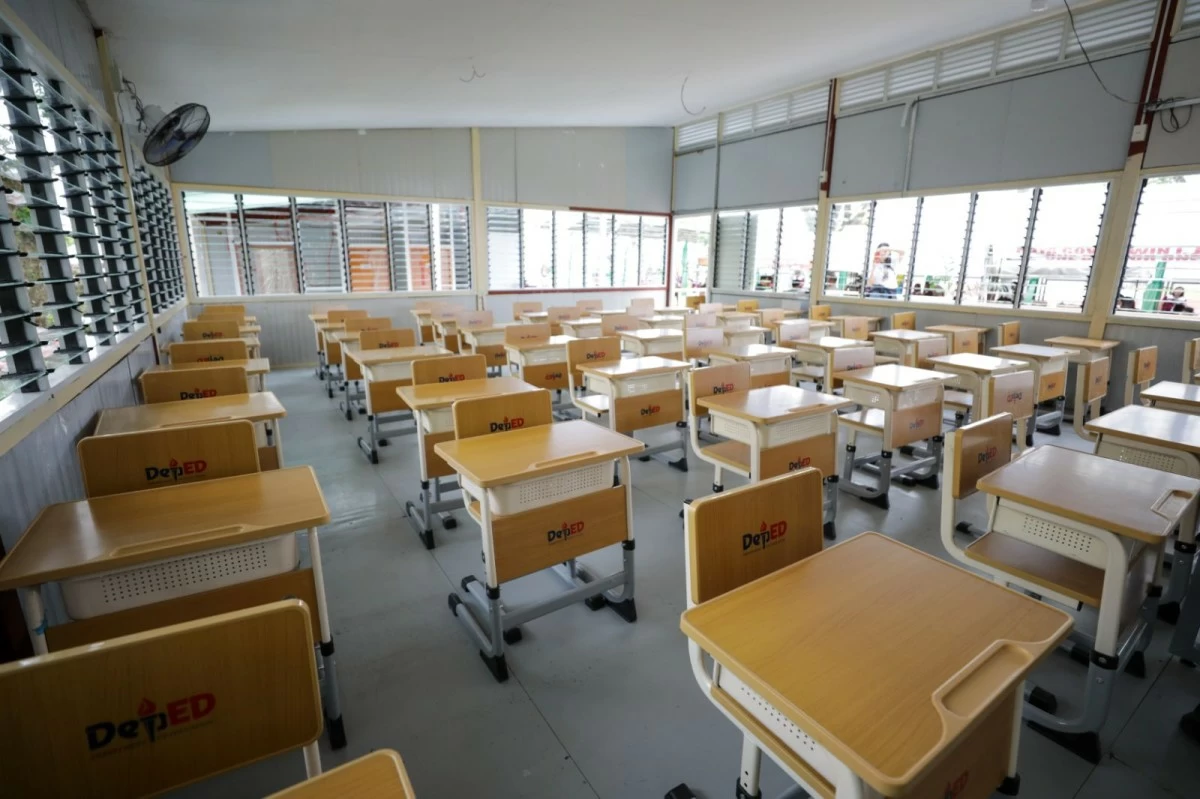
DepEd said these rapidly deployable units engineered with storm guards that can accommodate 45 learners each, serve as a modernized defense against education disruptions while permanent repairs are underway. (DepEd photo)
These Learning Continuity Spaces serve as temporary but fully functional learning environments while permanent school buildings are being repaired or rebuilt.
“We are implementing these Learning Continuity Spaces to ensure that learning continues under any circumstance, as we fulfill the vision of President Bongbong Marcos for a resilient Bagong Pilipinas,” Angara said.
He added that the initiative reflects the administration’s commitment to prioritizing education even during crises.
“Through this initiative, the President’s support ensures that education remains a top priority even in the face of adversity,” he added.
Two models built for climate resilience
At the Tagum City site, DepEd showcased two types of disaster-ready classroom structures: the Elevated Model (P1.75 million), designed for flood-prone areas, and the Slab-On-Ground Model (P1.5 million), intended for stable locations.
DepEd said each unit can accommodate up to 45 learners and is equipped with reinforced features such as storm guards to withstand strong winds and extreme weather conditions.
DepEd fully funds the project, while the provincial government of Davao del Norte contributed land through a usufruct agreement to support the rollout.
Nationwide rollout targets 1,380 units
The Davao deployment is part of a broader national strategy to strengthen disaster preparedness in the education sector, DepEd said.
The agency added that it aims to install 1,380 Learning Continuity Spaces nationwide under the 2026 Disaster Preparedness and Response Fund, enabling faster deployment compared to traditional classroom construction.
Earlier this year, President Marcos and Angara inspected similar LCS units in Bogo City and Masbate, where the structures helped address urgent classroom shortages caused by recent disasters.
Bridging immediate needs and long-term solutions
While modular classrooms provide a quick and flexible response to emergencies, DepEd emphasized that these are part of a dual-track strategy.
The agency said it remains committed to its long-term goal of constructing permanent, disaster-resilient school buildings across the country.
By combining rapid-response infrastructure with sustained investments, DepEd said the Marcos administration aims to build a more resilient education system capable of withstanding the growing impact of climate-related disasters.