







Philippines emerges as backup market for Polish pork


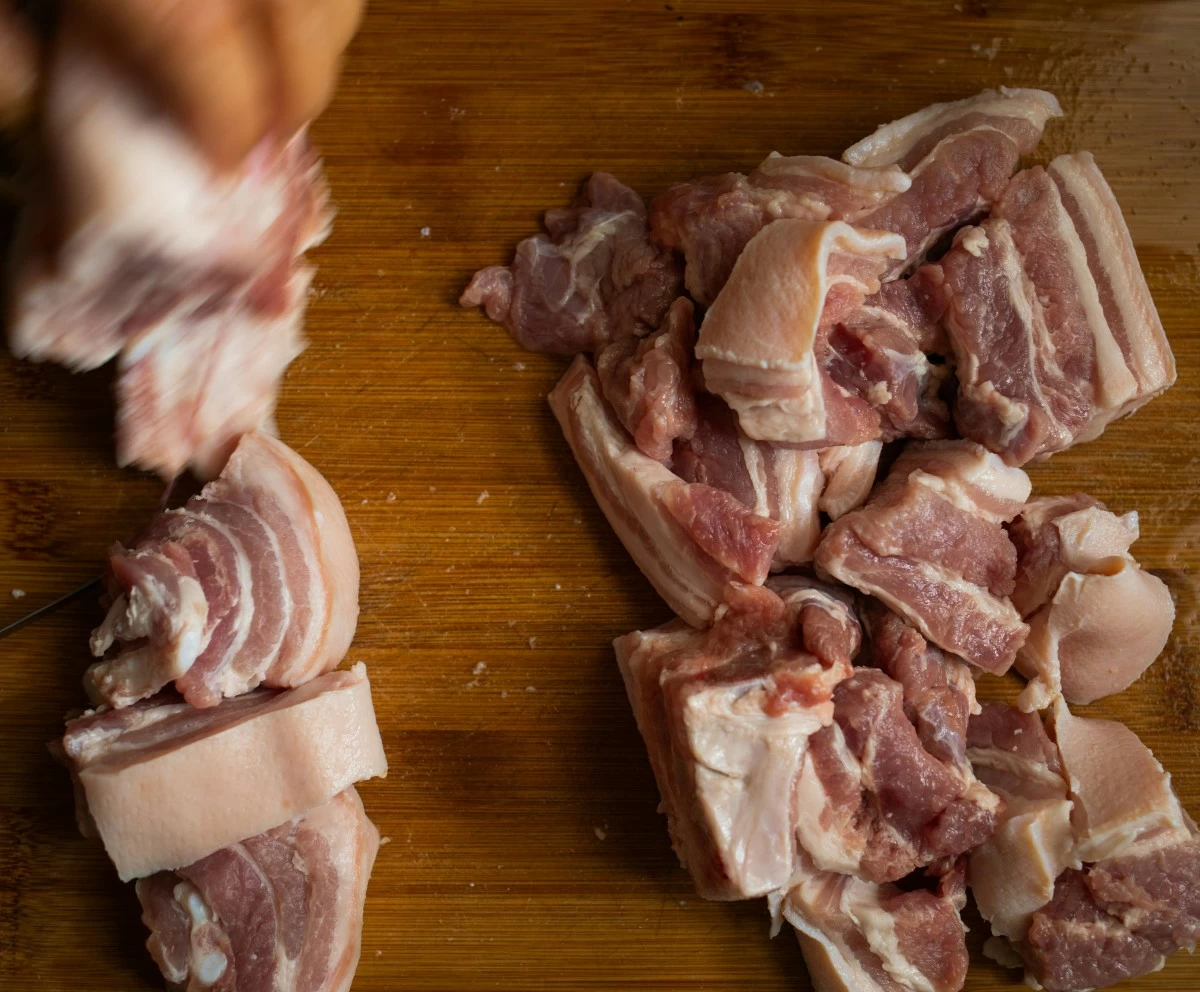
The Philippines is expected to serve as a secondary market for Polish pork imports during periods when Europe is no longer able to absorb additional shipments of the protein, according to the United States Department of Agriculture (USDA).
In a report, the USDA said the Philippines is gradually becoming a major recipient of pork imports from Poland in Southeast Asia, second only to Vietnam.
This position enables the country to act as a “demand buffer” for Poland when its neighboring countries in the European market become unable to absorb surpluses of the commodity.
The USDA said the Philippines could be a strong market for mass-produced items such as ham, pork shoulder, and trimmings.
Based on data from the Bureau of Animal Industry (BAI), meat shipments from Poland reached 37,284 metric tons (MT) last year.
However, the Central European country did not export any pork products to the Philippines due to the temporary ban imposed by the government because of the spread of African swine fever (ASF).
This moratorium was lifted earlier this year after the Department of Agriculture (DA) issued a memorandum order granting a regionalization scheme for Poland.
The DA said this came after it found that Poland “maintains sufficient veterinary oversight and has established necessary control and mitigating measures against ASF.”
Essentially, this ensures that there is a low risk of “importing swine products and by-products, including meat, from identified proposed zones for recognition.”
Through regionalization, Poland is able to export pork products to the Philippines even as some of its areas have confirmed or suspected cases of ASF.
“In practice, this means that the Philippines has now opened its market to Polish pork and pork offal derived from animals originating in farms located in ASF buffer zones and ASF free zones,” the USDA said.
The Philippines has been working to expand its import sources for pork as local production continues to lag behind robust consumption demand on the back of a growing population.
BAI data showed that the country imported 851,760 MT of pork last year, up 16 percent from 733,729 MT in 2024.
For January this year, 74,791 MT of pork products had already entered the country, an increase of six percent from 70,449 MT in the same month last year.
Taking into account other commodities, the country’s meat imports stood at 143,842 MT in January, up four percent from nearly 138,000 MT a year ago.