ADVERTISEMENT

How one coastal community found its purpose in conservation

Published Mar 16, 2026 10:47 am
The vecinos of Seafront Residences continue to lead the Pawikan Conservation Project, by actively championing environmental stewardship, which directly shapes its success.
Aboitiz Land marks a significant milestone as it completes the eighth year of its Pawikan Conservation Project at Seafront Residences, reinforcing the company’s long-standing commitment to building communities that grow in harmony with nature.
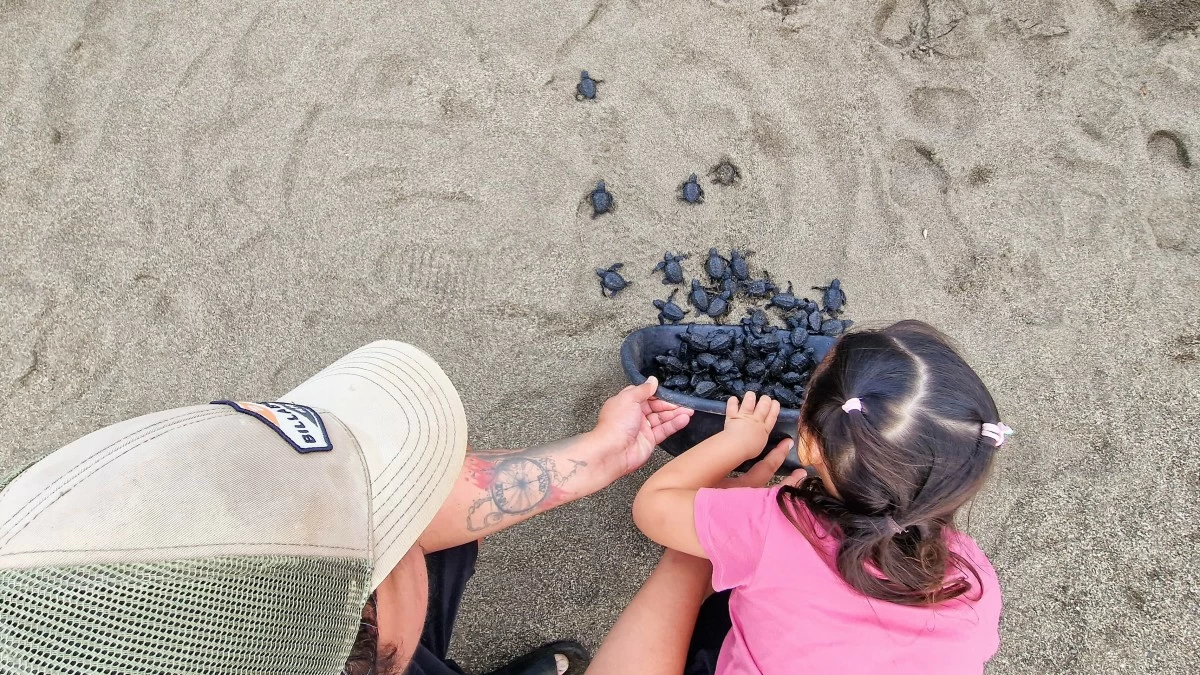
This eighth season alone saw the release of over 1,100 hatchlings along the shores of Seafront Residences, adding to the thousands of released Olive Ridley sea turtle hatchlings the project has overseen — an achievement that highlights Aboitiz Land’s belief that environmental stewardship is an integral part of sustainable community development.

Seafront Residences is a master-planned coastal community developed by Aboitiz Land, pairing authentic beachfront living with curated amenities and long-term place-making.
Building Community-Centred Developments
Seafront Residences is a master-planned coastal community developed by Aboitiz Land, pairing authentic beachfront living with curated amenities and long-term place-making.
Spearheaded by Aboitiz Land, in partnership with Aboitiz Foundation, the initiative brings together scientific guidance from the University of the Philippines Institute of Environmental Science and Meteorology, alongside the active participation of local volunteers, youth groups, and the residents of Seafront Residences. What began as a developer-led conservation response to natural nesting activity along the property’s shoreline has evolved into a deeply community-driven effort, one where its residents play an increasingly vital role year after year.
The Pawikan Conservation Project reflects the growing collaboration between Aboitiz Land and its homeowners. Residents actively participate in nest monitoring, hatchling releases, and awareness activities, demonstrating how thoughtfully planned communities can inspire conscious, purpose-driven living. This shared sense of responsibility highlights Aboitiz Land’s vision of communities not only designed to be sustainable, but to actively cultivate sustainability through the people who live in them.
“The Pawikan Conservation Project has evolved into a broader initiative that weaves environmental stewardship into everyday community life,” shared Farrah Niña Mayol, Senior Assistant Vice President for Corporate Communications, Branding, and CSR of Aboitiz Economic Estates and Aboitiz Land. “By empowering our vecinos to take an active role in conservation, it has become a shared legacy of environmental consciousness and sustainable living—one that extends beyond our communities and contributes to a better future for generations to come.”
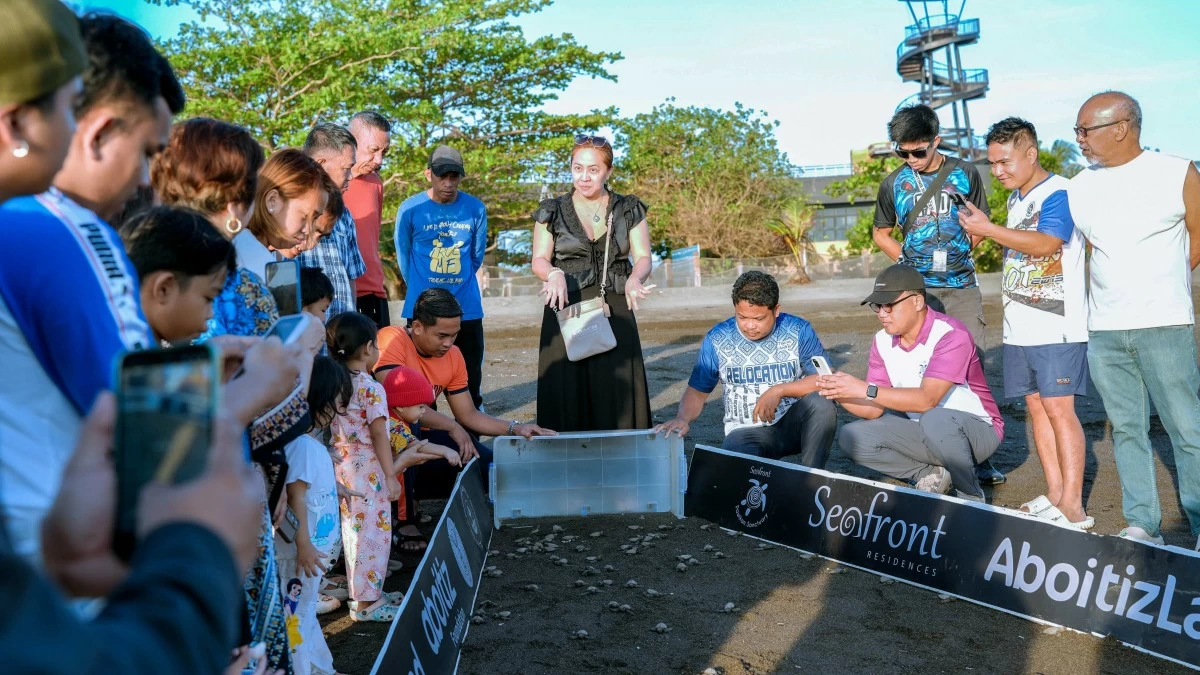
The Pawikan Conservation Project is Aboitiz Land’s pioneering marine conservation efforts in Seafront Residences, its 43-hectare residential development in San Juan, Batangas.
Culture of Care and Stewardship
The Pawikan Conservation Project reflects Aboitiz Land’s broader purpose of creating communities where people can live, work, and thrive. By integrating environmental conservation into everyday community life, the program fosters well-being, strengthens social bonds, and nurtures a culture of care and stewardship, values that extend beyond the shoreline and shape how residents engage with their environment and with one another.
As Aboitiz Land continues to establish its portfolio of master-planned developments across the country, the Pawikan Conservation Project stands as a tangible expression of its commitment to long-term value creation, where community well-being and environmental stewardship progress together for the benefit of residents and the natural ecosystems that sustain them.

Related Tags

Aboitiz Land pawikan
ADVERTISEMENT
.most-popular .layout-ratio{ padding-bottom: 79.13%; } @media (min-width: 768px) and (max-width: 1024px) { .widget-title { font-size: 15px !important; } }

{{ articles_filter_1561_widget.title }}

.most-popular .layout-ratio{ padding-bottom: 79.13%; } @media (min-width: 768px) and (max-width: 1024px) { .widget-title { font-size: 15px !important; } }

{{ articles_filter_1562_widget.title }}

.most-popular .layout-ratio{ padding-bottom: 79.13%; } @media (min-width: 768px) and (max-width: 1024px) { .widget-title { font-size: 15px !important; } }

{{ articles_filter_1563_widget.title }}

{{ articles_filter_1564_widget.title }}

.mb-article-details { position: relative; } .mb-article-details .article-body-preview, .mb-article-details .article-body-summary{ font-size: 17px; line-height: 30px; font-family: "Libre Caslon Text", serif; color: #000; } .mb-article-details .article-body-preview iframe , .mb-article-details .article-body-summary iframe{ width: 100%; margin: auto; } .read-more-background { background: linear-gradient(180deg, color(display-p3 1.000 1.000 1.000 / 0) 13.75%, color(display-p3 1.000 1.000 1.000 / 0.8) 30.79%, color(display-p3 1.000 1.000 1.000) 72.5%); position: absolute; height: 200px; width: 100%; bottom: 0; display: flex; justify-content: center; align-items: center; padding: 0; } .read-more-background a{ color: #000; } .read-more-btn { padding: 17px 45px; font-family: Inter; font-weight: 700; font-size: 18px; line-height: 16px; text-align: center; vertical-align: middle; border: 1px solid black; background-color: white; } .hidden { display: none; }
function initializeAllSwipers() { // Get all hidden inputs with cms_article_id document.querySelectorAll('[id^="cms_article_id_"]').forEach(function (input) { const cmsArticleId = input.value; const articleSelector = '#article-' + cmsArticleId + ' .body_images'; const swiperElement = document.querySelector(articleSelector); if (swiperElement && !swiperElement.classList.contains('swiper-initialized')) { new Swiper(articleSelector, { loop: true, pagination: false, navigation: { nextEl: '#article-' + cmsArticleId + ' .swiper-button-next', prevEl: '#article-' + cmsArticleId + ' .swiper-button-prev', }, }); } }); } setTimeout(initializeAllSwipers, 3000); const intersectionObserver = new IntersectionObserver( (entries) => { entries.forEach((entry) => { if (entry.isIntersecting) { const newUrl = entry.target.getAttribute("data-url"); if (newUrl) { history.pushState(null, null, newUrl); let article = entry.target; // Extract metadata const author = article.querySelector('.author-section').textContent.replace('By', '').trim(); const section = article.querySelector('.section-info ').textContent.replace(' ', ' '); const title = article.querySelector('.article-title h1').textContent; // Parse URL for Chartbeat path format const parsedUrl = new URL(newUrl, window.location.origin); const cleanUrl = parsedUrl.host + parsedUrl.pathname; // Update Chartbeat configuration if (typeof window._sf_async_config !== 'undefined') { window._sf_async_config.path = cleanUrl; window._sf_async_config.sections = section; window._sf_async_config.authors = author; } // Track virtual page view with Chartbeat if (typeof pSUPERFLY !== 'undefined' && typeof pSUPERFLY.virtualPage === 'function') { try { pSUPERFLY.virtualPage({ path: cleanUrl, title: title, sections: section, authors: author }); } catch (error) { console.error('ping error', error); } } // Optional: Update document title if (title && title !== document.title) { document.title = title; } } } }); }, { threshold: 0.1 } ); function showArticleBody(button) { const article = button.closest("article"); const summary = article.querySelector(".article-body-summary"); const body = article.querySelector(".article-body-preview"); const readMoreSection = article.querySelector(".read-more-background"); // Hide summary and read-more section summary.style.display = "none"; readMoreSection.style.display = "none"; // Show the full article body body.classList.remove("hidden"); } document.addEventListener("DOMContentLoaded", () => { let loadCount = 0; // Track how many times articles are loaded const offset = [1, 2, 3, 4, 5, 6, 7, 8, 9, 10]; // Offset values const currentUrl = window.location.pathname.substring(1); let isLoading = false; // Prevent multiple calls if (!currentUrl) { console.log("Current URL is invalid."); return; } const sentinel = document.getElementById("load-more-sentinel"); if (!sentinel) { console.log("Sentinel element not found."); return; } function isSentinelVisible() { const rect = sentinel.getBoundingClientRect(); return ( rect.top < window.innerHeight && rect.bottom >= 0 ); } function onScroll() { if (isLoading) return; if (isSentinelVisible()) { if (loadCount >= offset.length) { console.log("Maximum load attempts reached."); window.removeEventListener("scroll", onScroll); return; } isLoading = true; const currentOffset = offset[loadCount]; window.loadMoreItems().then(() => { let article = document.querySelector('#widget_1690 > div:nth-last-of-type(2) article'); intersectionObserver.observe(article) loadCount++; }).catch(error => { console.error("Error loading more items:", error); }).finally(() => { isLoading = false; }); } } window.addEventListener("scroll", onScroll); });

Sign up by email to receive news.