






Manila Bulletin
 Philippines
National
Ferry fare hike, trip cuts loom as maritime sector braces for oil crisis
Philippines
National
Ferry fare hike, trip cuts loom as maritime sector braces for oil crisis
Philippines
National
Ferry fare hike, trip cuts loom as maritime sector braces for oil crisis
Ferry fare hike, trip cuts loom as maritime sector braces for oil crisis
Published Mar 16, 2026 03:37 pm


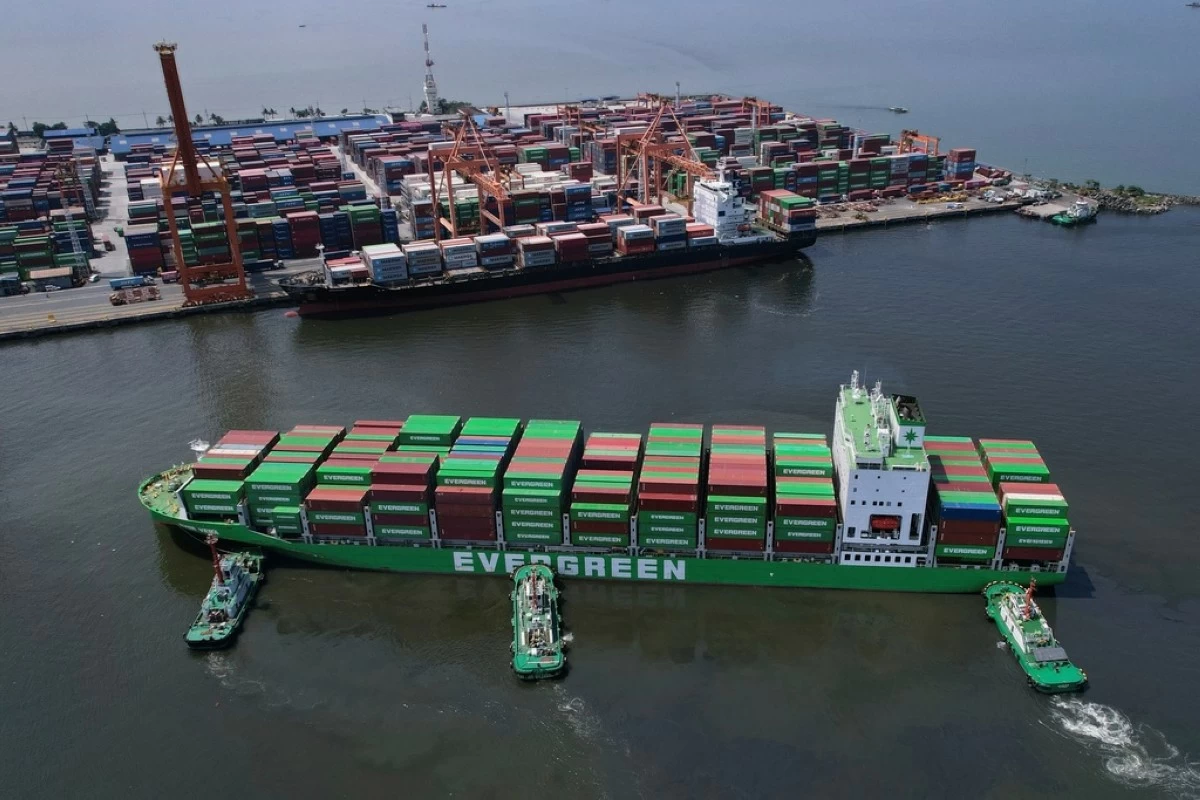
FILE - Tugboats assist a container ship as it prepares to dock at the Manila International Container Terminal at the Philippine capital April 8, 2025. (AP Photo/Aaron Favila, File)
Ferry passengers may soon face higher fares and fewer trips as the maritime industry grapples with surging global oil prices, the Maritime Industry Authority (Marina) said.
The Marina announced on Monday, March 16, that it has allowed domestic shipping operators to raise passenger fares by up to 20 percent while companies consider consolidating voyages to cope with rising fuel costs.
Marina spokesperson Lui Delos Santos said the agency allowed the increase after assessing the growing operational burden on shipping firms since fuel accounts for a large portion of maritime operating expenses.
“The rate setting for the domestic shipping industry is fully deregulated. It means our shipowners and domestic ship operators have the right to set rates for passengers, as well as for their cargo,” he said in an interview.
Under Republic Act No. 9295 or the Domestic Shipping Development Act of 2004, domestic shipping rates are deregulated, allowing operators to determine fares provided they notify Marina and publish their new rates. Companies must also wait two weeks before implementing increases on inter-regional routes.
“What they only need to do is inform Marina and comply with the publication requirement. If the vessel’s route is inter-regional, they just have to post information that they are increasing fares and their charges for passengers as well as for cargo,” Delos Santos explained.
The fare hike advisory was approved as the government weighs measures to cushion the impact of volatile oil prices linked to tensions in the Middle East. Delos Santos said Marina computed the possible adjustment using an internal formula.
He said the 20-percent increase represents the maximum allowable hike.
“That’s the maximum – we can impose around 17 to 20 percent increase but in Marina’s advisory, it was set at 20 percent because the movement of gasoline prices coming from the Middle East is also volatile,” he noted.
According to Marina fuel makes up a large share of maritime operating costs of domestic operators as around 40 to 60 percent of ship operators’ expenses go to petroleum products.
While the agency allowed the increase, Marina warned that companies exceeding the ceiling could face sanctions.
Delos Santos confirmed that there were reports from Marina’s regional offices showing some operators raised fares far beyond the limit: from 21 percent to 50 percent, and one operator even raised the fee as much as 100 percent of the current rate.
He said Marina already issued show-cause orders against the companies that implemented increases without following the two-week notice requirement under the law.
“If it is proven that there are violations, their certificate of public convenience can be suspended or revoked,” Delos Santos stressed.
Aside from fare adjustments, the Marina said that shipping firms may also consolidate trips to reduce fuel consumption. The move could affect passenger mobility but may help operators maintain services during the crisis, according to Delos Santos.
To ease financial pressure on operators, the Marina is also considering relief measures such as waiving the annual tonnage fee and offering discounts on ship documentation charges.
The government is also studying long-term solutions to reduce the sector’s dependence on fuel including modernizing the domestic fleet and exploring alternative energy sources.
“It will take a while. We need to modernize, and the new ships that will be introduced should be fuel-efficient,” Delos Santos admitted.
PCG aids fishermen in WPS
Meanwhile, the Philippine Coast Guard (PCG) said it is expanding assistance programs for fishermen, particularly those fishing in the West Philippine Sea (WPS), since they are also among those affected by rising fuel prices.
PCG spokesperson Commodore Noemie Cayabyab said the government’s “Kadiwa para sa Bagong Mamamayang Mangingisda” (KBBM) initiative will be expanded to cater to other fishermen beyond the WPS.
Last March 13, the PCG distributed family food packs to fishermen during a maritime patrol near Palauig Point in Zambales. The supplies were delivered by the crew of the patrol vessel BRP Cabra (MRRV‑4409) during a routine maritime patrol.
“All of our districts have been given a directive by PCG Commandant Admiral Ronnie Gil Gavan to implement this expanded KBBM program,” Cayabyab said.