






Manila Bulletin
 Philippines
National
DepEd deploys disaster-resilient learning hubs in Cebu and Masbate to restore classes
Philippines
National
DepEd deploys disaster-resilient learning hubs in Cebu and Masbate to restore classes
Philippines
National
DepEd deploys disaster-resilient learning hubs in Cebu and Masbate to restore classes
DepEd deploys disaster-resilient learning hubs in Cebu and Masbate to restore classes
Solar-powered Learning Continuity Spaces turned over to address classroom shortages, keep schooling uninterrupted after disasters
Published Mar 16, 2026 03:58 pm


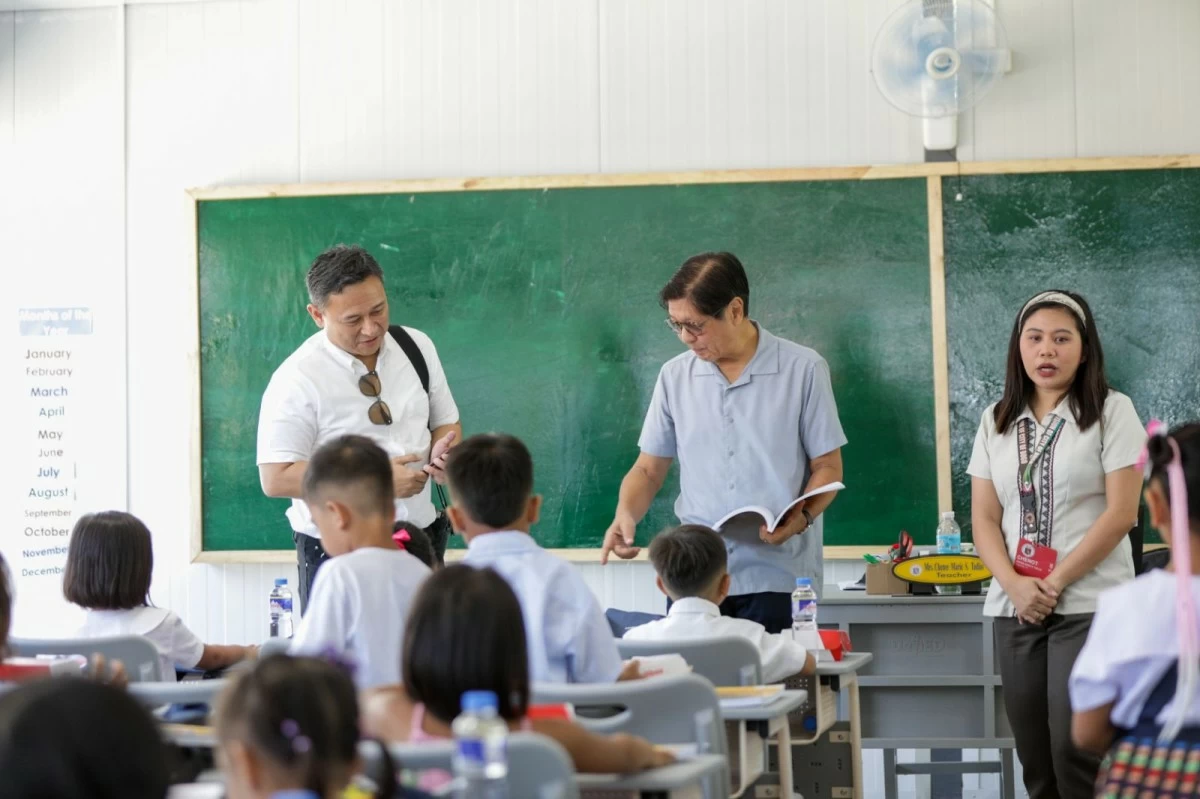
President Ferdinand R. Marcos Jr. and DepEd Secretary Sonny Angara inspect a solar-powered Learning Continuity Space in Cebu as part of DepEd’s disaster-resilient classroom initiative. (DepEd photo)
The Department of Education (DepEd) on Monday, March 16, turned over disaster-resilient Learning Continuity Spaces (LCS) in parts of Cebu and Masbate as part of the government’s push to restore schooling in areas affected by recent calamities.
In a statement, DepEd said the initiative, led by President Ferdinand R. Marcos Jr., aims to address urgent classroom shortages and ensure students can continue learning even after earthquakes and typhoons disrupt school facilities.
Modular learning spaces deployed after disasters
DepEd said the President inspected newly installed prefabricated learning hubs during a visit to Bogo City, Cebu, accompanied by First Lady Louise Araneta-Marcos and Education Secretary Sonny Angara.
At Marcelo B. Fernan–Polambato Elementary School in Barangay Polambato, officials examined a modular Learning Continuity Space designed to serve as a temporary classroom.
The facilities are equipped with solar-powered systems and internet connectivity to ensure uninterrupted learning even during emergencies.
DepEd said the project directly addresses the disruption of classes for 90 learners from two elementary schools in Bogo City following a 6.9-magnitude earthquake in September 2025.
Another LCS unit was also constructed at Binabag Elementary School in Barangay Binabag.
Learning hubs restore classes in Masbate
Similar facilities were installed in Masbate after communities were affected by Typhoon Opong in September 2025.
During an earlier visit to the province, Marcos and Angara inspected an LCS installation at Paniqui National High School in Barangay Panique, Aroroy, Masbate.
Additional units were deployed to several schools to restore learning environments for about 270 students, including Calolod Elementary School, Electo T. Verano Elementary School, B. Titong High School, Asid Integrated School, and Luy-A Elementary School.
DepEd highlights fast, climate-resilient infrastructure
Angara highlighted that the modular classrooms can be installed within two weeks, enabling the government to respond quickly to school disruptions caused by disasters.
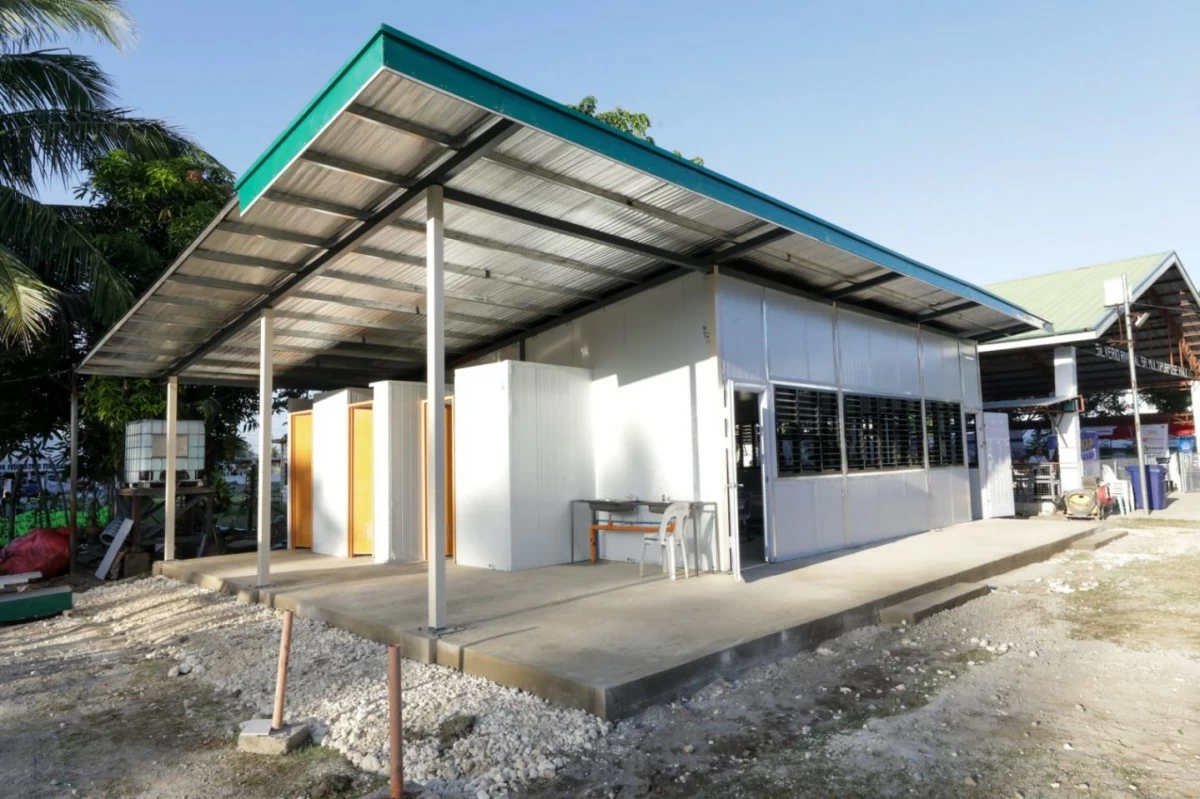
These climate-resilient hubs provide an immediate, tech-ready recovery solution for hundreds of students, ensuring that education remains unhampered by natural disasters. (DepEd photo)
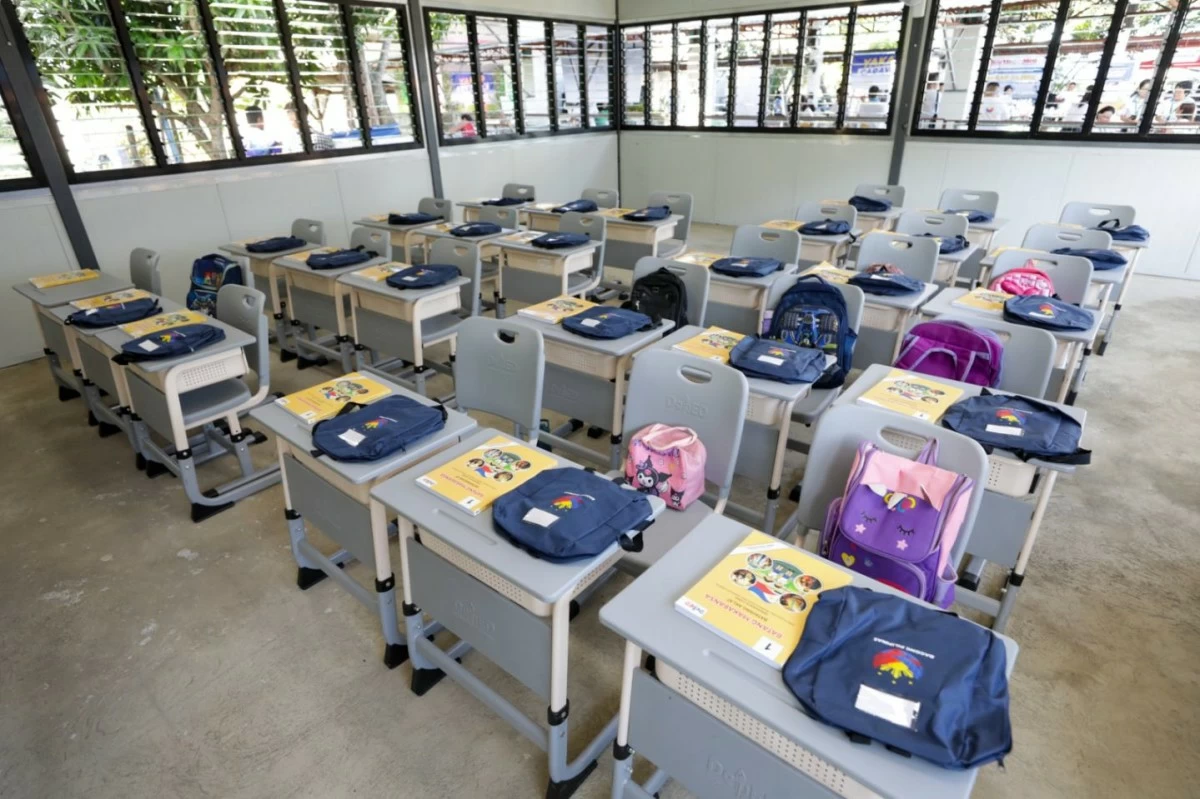
(DepEd photo)
“This project reflects the marching orders of President Marcos to ensure that no Filipino learner is left behind, even in the face of the most challenging calamities,” Angara said.
He added that integrating solar energy and digital tools into temporary classrooms helps create more resilient learning environments.
“By integrating solar power and digital tools into these temporary spaces, we are not just rebuilding classrooms but building a more resilient future for our children,” Angara added.
Part of national push to reduce classroom shortage
DepEd said the Learning Continuity Spaces initiative also supports the administration’s broader goal of reducing the country’s classroom shortage.
Under the 2026 Disaster Preparedness and Response Fund, DepEd plans to construct 1,380 LCS units nationwide, allowing the agency to bypass lengthy construction processes and deliver immediate relief to schools in disaster-prone areas.
DepEd said the modular hubs are intended to ensure that education continues uninterrupted even as communities face increasingly frequent climate-related disasters.