







Ayala Triangle turns green
Ireland takes St. Patrick's Day to the streets of Manila for the first time
Published Mar 16, 2026 01:55 pm


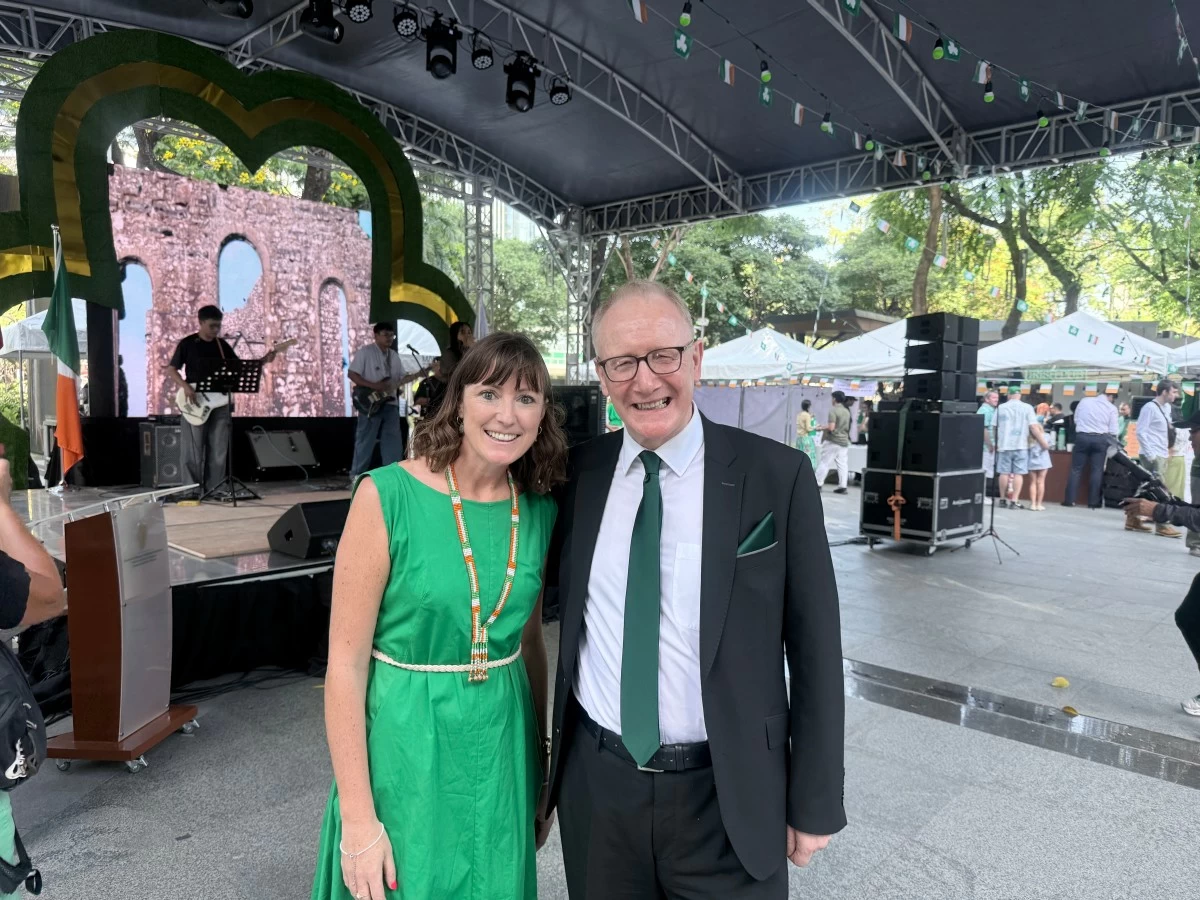
Irish Ambassador Emma Hickey and Minister Frank Feighan of Ireland’s Department of Public Expenditure, Infrastructure, Public Service Reform and Digitalization
For most embassies, national day celebrations take place in hotel ballrooms, diplomatic residences, or other formal venues reserved for invited guests. Ireland chose a different approach this year. On March 14, the Irish Embassy brought St. Patrick’s Day directly to the public with its first open celebration at the Ayala Triangle in Makati City, turning the occasion into a lively showcase of music, dance, and Irish culture.
Instead of a traditional diplomatic reception, the embassy hosted an open festival that invited Filipinos to experience the spirit of Ireland firsthand. The evening opened with the Makati Choir performing both the Philippine and Irish national anthems, setting the tone for a celebration that blended cultural exchange with festive tradition. During the program, the embassy also awarded certificates to the winners of its Bloomsday Short Story Competition, recognizing Filipino writers who participated in last year’s literary initiative inspired by Ireland’s rich storytelling tradition.
Performances followed throughout the night, including a set by Filipino band Isay, who performed songs by Irish musicians. The Ryan Villamor Quartet brought the sound of traditional Irish music to Manila with lively jigs and reels played on harp, violin, flute, and guitar. Dancers from Legacy Entertainment performed numbers from “The Emerald Isle Show,” a production that celebrates the music, mythology, and traditions of Ireland’s 32 counties. Irish specialties were also on offer, including whiskey, gin, and even fresh oysters flown in for the occasion.
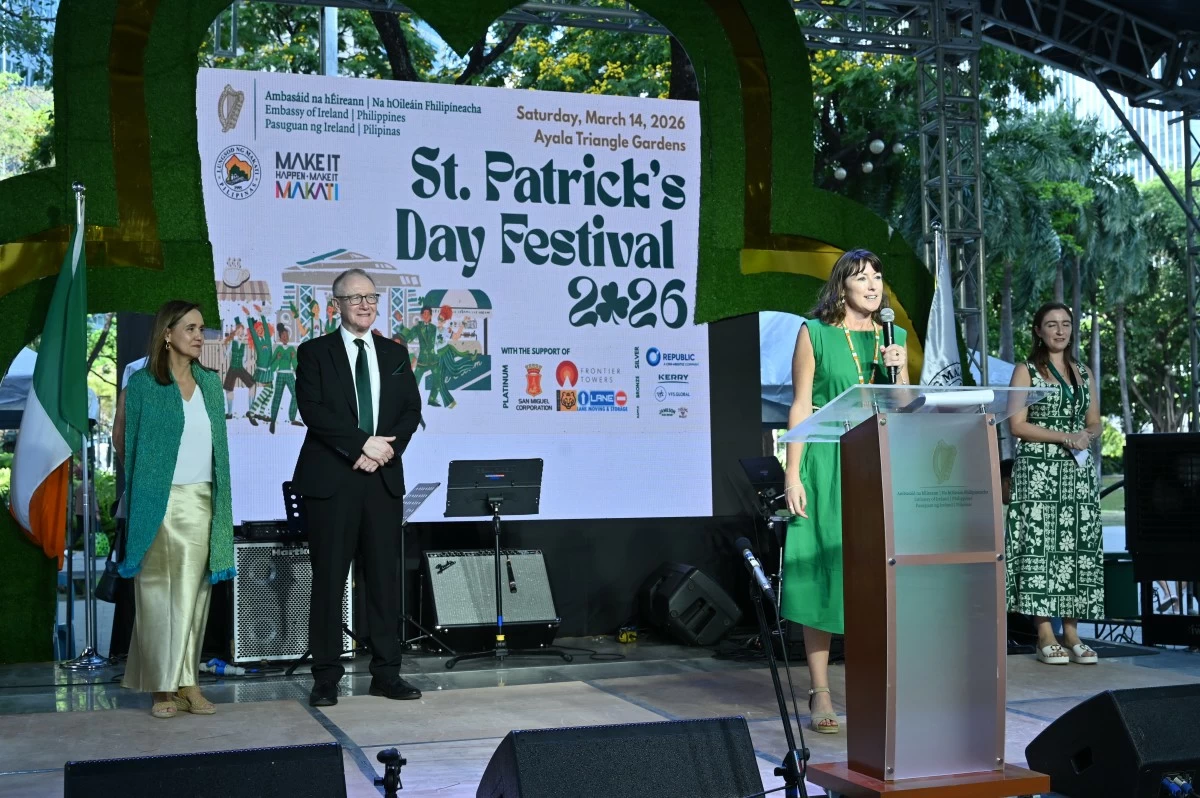
For Ambassador Emma Hickey, opening the celebration to the public was a deliberate decision.
“This is the first time we’re trying a public festival and bringing it onto the streets of Manila,” she said. “Manila brings so much to the embassy here, so we wanted to give something back to the people. Festivals like this happen all over the world, so it’s really important that Filipinos get to enjoy a flavor of Ireland on our national day.”
The move also reflects the inclusive spirit of St. Patrick’s Day itself. While embassy receptions typically involve a limited guest list, the public festival allowed far more people to take part.
“With the reception, only a certain number of people can go,” Hickey explained. “We wanted this to be free, open, and accessible to people. That’s why we chose to do it here right in the heart of the city.”
The ambassador hopes the event will become a regular feature of Ireland’s celebrations in the Philippines. “I think you’ll see this come back every year now, bigger and better, in some shape or form,” she said. “You can already see the Filipinos are really engaging today. They’re the ones cheering the loudest.”
Strengthening Irish–Filipino ties
The celebration also coincided with the visit of Frank Feighan, Minister of State at Ireland’s Department of Public Expenditure, Infrastructure, Public Service Reform and Digitalisation, who was in Manila as part of Ireland’s global St. Patrick’s Day diplomacy program.
Every year, Irish government ministers travel to different parts of the world during the St. Patrick’s season to connect with Irish communities abroad and strengthen international partnerships.
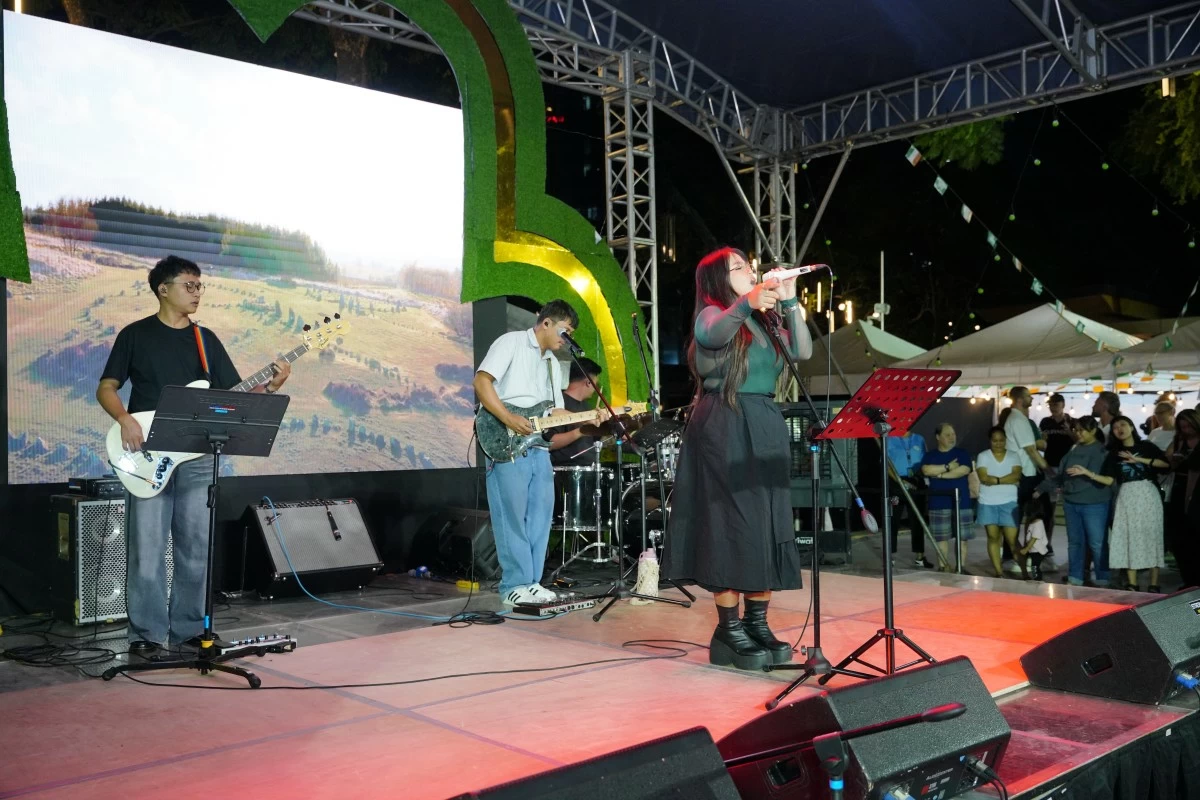
Isay Olarte and her band performing songs by Irish Artists
“We’re here in Manila to celebrate St. Patrick’s. It’s a great cultural event,” Feighan said. “It’s also a great way of connecting with the Irish diaspora, but also to thank the people of the Philippines for their great contribution to Ireland and Irish society.”
While the Irish community in the Philippines is relatively small, the Filipino presence in Ireland has grown significantly over the past decades.
“There are about 35,000 Filipinos living in Ireland,” Feighan said. “They work in healthcare, hospitality, and across many sectors of Irish society. They are very valued members of our community, and we are very thankful to have them in our country.”
Many Filipinos have become deeply embedded in Irish society, particularly in sectors such as healthcare. During the COVID-19 pandemic, Filipino nurses and healthcare workers were among those serving on the frontlines in hospitals and care facilities across Ireland, reinforcing the strong people-to-people links between the two nations.
For the minister, the St. Patrick’s Day celebrations provide an opportunity not only to highlight Irish culture but also to deepen long-standing ties between the two countries.
“This is about friendships and building on those friendships,” he said. “We want to increase those links, those partnerships, and celebrate with the Filipino people.”
Beyond the festivities, the minister’s visit also included meetings with Philippine officials, stakeholders, and institutions aimed at expanding cooperation between the two countries. Among the areas of interest is digitalization, a portfolio under Feighan’s responsibilities in Ireland.
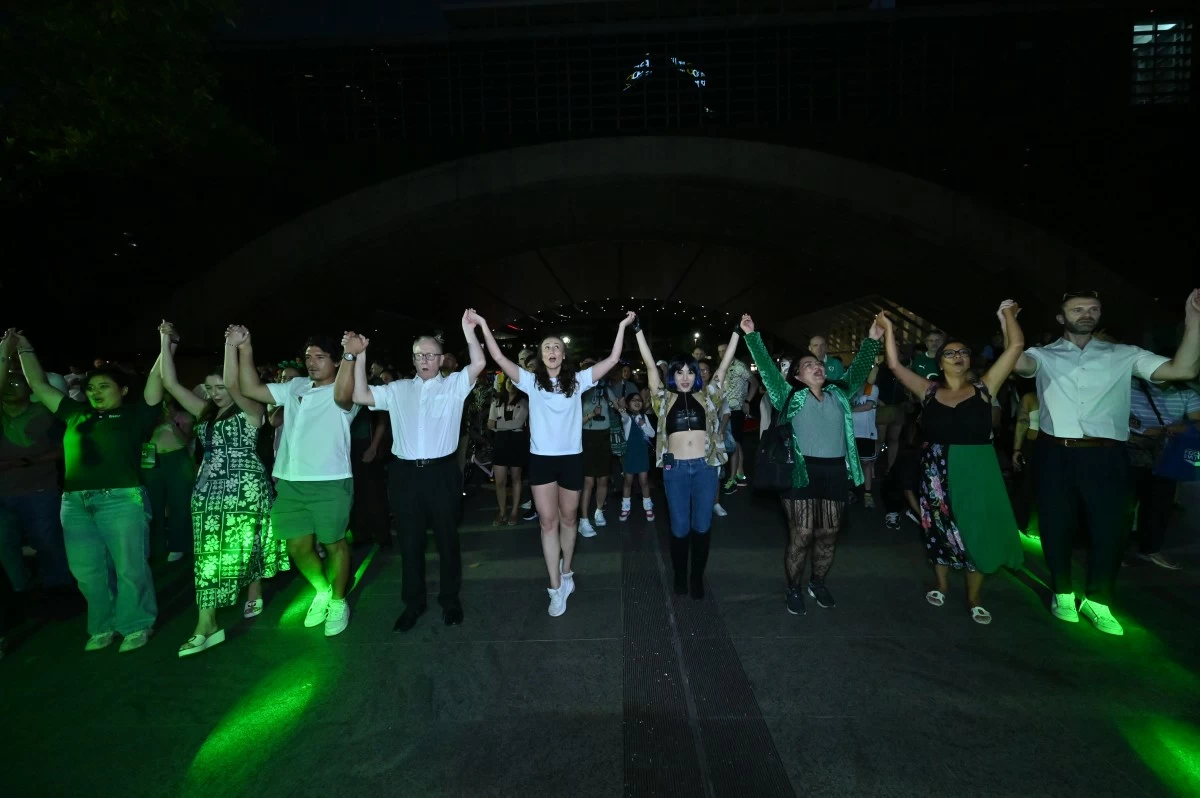
Minister Feighan participating in the Céilí, a traditional Irish social dance
“Digitalization could be transformative for a country like the Philippines,” he said. “The Philippines is certainly embracing it. Sharing knowledge between our countries could benefit both sides.”
The minister’s schedule included engagements with the Department of Foreign Affairs (DFA) as well as meetings with the Department of Information and Communications Technology (DICT) and the Department of Economy, Planning and Development (DEPDev). The delegation also planned discussions with representatives of the Asian Development Bank (ADB), of which Ireland is a member.
For Feighan, connections formed during cultural celebrations often lead to deeper collaboration later. “The friendships you build today are the people you may be doing business with tomorrow,” he said.
A celebration that resonates
Although St. Patrick’s Day is not yet as widely celebrated in the Philippines as it is in countries with large Irish communities, the embassy believes the festival has strong potential to grow. Music, after all, is one of the cultural threads that already connects the two countries. Irish acts such as The Corrs, The Cranberries, U2, The Script, and Westlife have long enjoyed devoted Filipino audiences.
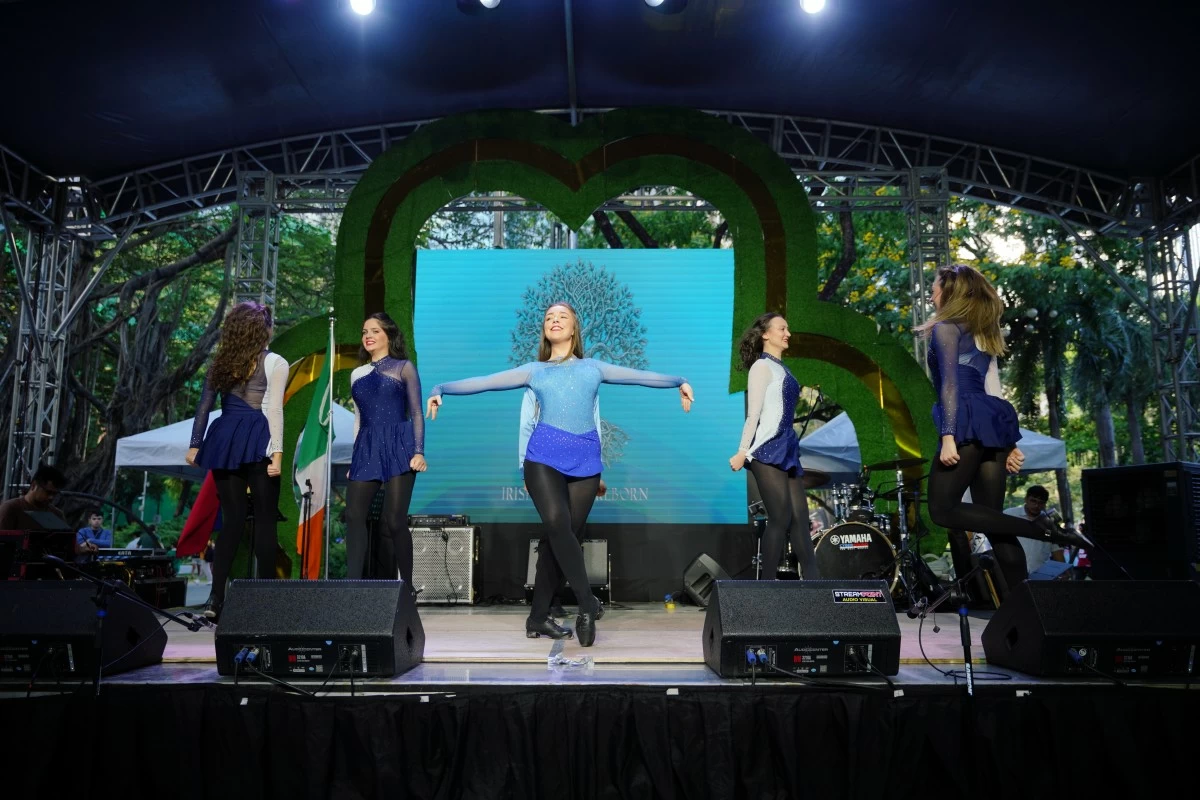
Legacy Entertainment Dancers perform for St. Patrick's Day at the Ayala Triangle
“Filipinos love the music,” Hickey said. “You can see how they’re engaging with it today.”
St. Patrick’s Day itself traces its origins to the feast day of St. Patrick, the patron saint credited with bringing Christianity to Ireland in the fifth century. Observed on March 17, the day traditionally commemorates the anniversary of his death. What began centuries ago as a religious observance gradually evolved into a broader celebration of Irish culture and identity, marked around the world by music, gatherings, and the unmistakable presence of Irish green.
If the response to this year’s celebration is any indication, the Irish Embassy’s decision to take St. Patrick’s Day out of the ballroom and into the streets may mark the beginning of a new tradition in Manila.