






Manila Bulletin
 Philippines
National
Why so slow? Delay in 2026 infrastructure projects worry Valeriano
Philippines
National
Why so slow? Delay in 2026 infrastructure projects worry Valeriano
Philippines
National
Why so slow? Delay in 2026 infrastructure projects worry Valeriano
Why so slow? Delay in 2026 infrastructure projects worry Valeriano
Published Mar 14, 2026 11:11 am


At A Glance
- Manila 2nd Rep. Rolando Valeriano is eyeing a congressional investigation as to why infrastructure projects funded for this year--after nearly a full quarter--are still not up and running.
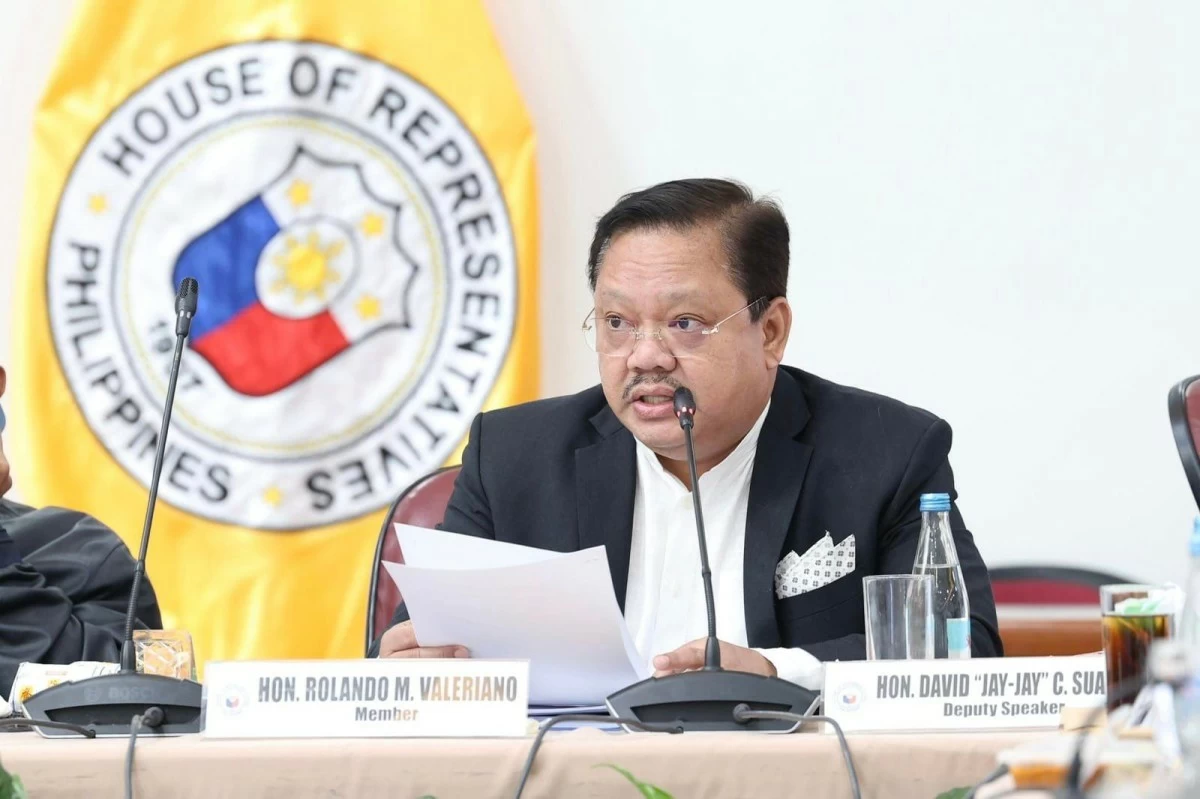
Manila 2nd Rep. Rolando Valeriano (Contributed photo)
Manila 2nd Rep. Rolando Valeriano is eyeing a congressional investigation as to why infrastructure projects funded for this year--after nearly a full quarter--are still not up and running.
"I believe it is the legislative’s duty investigate the delays in the procurement and implementation of infrastructure projects under the 2026 national budget. I will be filing a House Resolution directing the relevant committee, particularly the Committee on Good Government And Public Accountability, to hold an investigation in aid of legislation," Valeriano said over the weekend.
He says news reports indicating that infrastructure projects funded under the 2026 national budget have yet to undergo bidding or procurement by the Department of Public Works and Highways (DPWH) "raise very serious concerns that warrant immediate legislative scrutiny".
Valeriano believes that his fellow National Unity Party (NUP) stalwarts will support his measure, once he files it.
According to him, public infrastructure spending is one of the government’s most powerful tools for sustaining economic growth.
"When infrastructure projects move, jobs are created, supply chains expand, and economic activity spreads across communities. When they stall, the consequences ripple throughout the economy," the Manila lawmaker pointed out.
According to a recent report by the Makati Business Club, the Philippine economy expanded by 4.4 percent in 2025, below the government’s growth target of 5.5 to 6.5 percent. Excluding the pandemic years, the 3 percent fourth quarter growth rate was the slowest recorded since 2011.
"That period also coincided with the suspension of major infrastructure projects amid widespread corruption concerns, which resulted in a 31.8 percent decline in government construction spending," Valeriano said, referring to the flood control projects corruption scandal.
"The 2026 national budget allocates approximately ₱529.6 billion to the DPWH for infrastructure programs. These funds were intended to finance roads, bridges, and other public works that stimulate employment and support national development," he said.
"When projects are not bid out on time, these billions remain idle instead of circulating through the economy," noted Valeriano.
He said these concerns were particularly significant in the present global environment. "Rising oil prices and escalating geopolitical tensions are already placing pressure on economic stability worldwide. In such conditions, government spending must act as a stabilizing force. Infrastructure projects rollout cannot afford to slow down."
He said the upcoming inquiry must determine if the issues surrounding last year’s flood control controversies affected procurement decisions, and if the continued use of funds carried over from 2025 is influencing the current pipeline of projects, or whether administrative bottlenecks and procurement inefficiencies are slowing infrastructure rollout.
"The legislative has the responsibility to ensure that appropriated funds are translated into actual projects on the ground. When national infrastructure spending slows, national economic growth slows with it," Valeriano said.
"At a time when the global environment is increasingly volatile, government investment must perform the role it was designed to fulfill. Infrastructure programs must move forward without unnecessary delay so that public funds can support jobs, strengthen the economy, and deliver the development our communities expect," he further said.