






Manila Bulletin
 Technews
Turning off screens: Sweden is going back to basics with books, pen, and paper in schools
Technews
Turning off screens: Sweden is going back to basics with books, pen, and paper in schools
Technews
Turning off screens: Sweden is going back to basics with books, pen, and paper in schools
Turning off screens: Sweden is going back to basics with books, pen, and paper in schools
Published Mar 14, 2026 04:36 pm


At A Glance
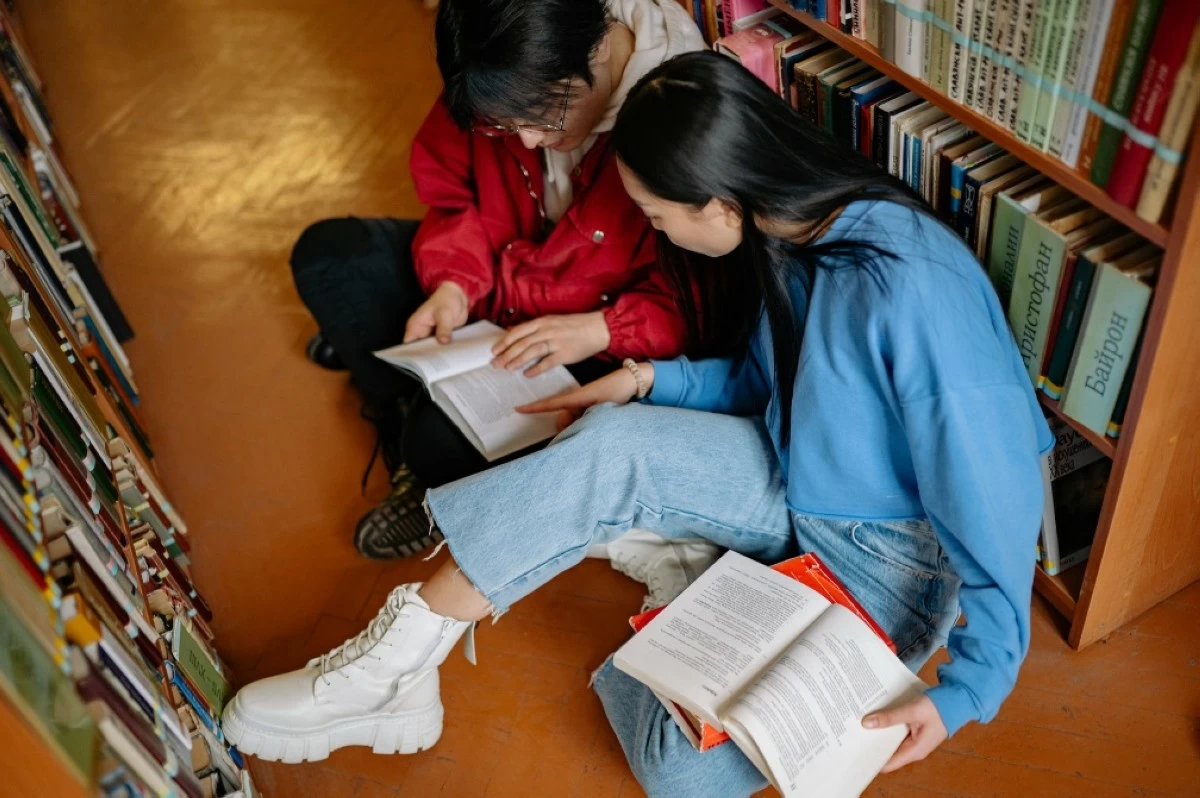
“...I miss real ink on a page,” Hayley Williams sang in her song “Good Ol’ Days,” and it seems she’s not the only one who misses writing with a pen on paper.
The Swedish government is investing over €100 million in an effort to bring back printed books and to minimize the use of tablets and laptops inside the classroom. This effort includes making time for reading and emphasizing the use of printed books. Aside from hitting good old-fashioned, physical books, schools in Sweden are also making the time to practice writing among their students. Writing on actual paper with a pen, that is.
The pen is still mightier
Public radio station WLRN in Florida published a story in February of 2014 about high-school students taking the PSAT (Practice Standardised Test) and showing signs of distress when one part of the test asked them to copy a pledge not to cheat in cursive and to sign their name.
A student even asked: “Miss, what do they mean by ‘sign your name’?”
Twelve years later, cursive seems to be returning to the classrooms. More than twenty states in the United States have now passed laws mandating the teaching of cursive in elementary and middle grades. New Jersey and Pennsylvania each passed laws this year requiring schools to teach students to read and write in cursive.
Back to basics
The push toward a back-to-basics approach stems from declining academic performance. Sweden’s reading standards began to fall in the 2000s, according to a BBC report. This was during the time when gadgets such as tablets and laptops were a standard in Swedish classrooms.
In 2012, Sweden’s PISA (Programme for International Student Assessment) scores – a worldwide test that measures literacy among 15-year-olds – hit the lowest point.
Former Minister for Schools, Lotta Edholm, noted that the drop in academic performance can be attributed to a decline in critical thinking skills and a reliance on screens. In a report by the Guardian, Sweden’s Karolinska Institute said that: “There is clear scientific evidence that digital tools impair rather than enhance student learning.”
Hitting the right balance
Sweden’s €100 million investment ensures that every student has a printed textbook for each subject, much as their parents had when they were in school. Swedish policymakers have said that physical books encourage deeper engagement in learning and help limit unnecessary screen time during classes.
Not to say that screens, tablets, and laptops are out of Swedish classrooms, but their inclusion in Swiss children's education will take a step back. Yes, they can help with learning when used with intention and moderation, and should be seen as complementary rather than replacements for more traditional, tested methods.
Meanwhile, in the Philippines, the DepEd (Department of Education) trended on X (formerly Twitter) just this week, after a contestant on the variety show “It’s Showtime” seemed unfamiliar with the Malacañang Palace. Netizens called on the DepEd to address what they said was an “educational crisis”.
The Department of Education has yet to release a statement regarding the issue.
What we thought would be “easy” and “convenient” by using screens, tablets, and laptops for learning may not have been the case, and what was thought of as “hard” — writing with a pen on paper — may actually be better in the long run. Maybe Hayley Williams was right. In the same song where she sings about “missing real ink on a page,” she also asks: “Who knew the hard times were the good ol’ days?”