






 Business
The Economy
Middle East conflict may hit OFW remittances, peso—Capital Economics
Business
The Economy
Middle East conflict may hit OFW remittances, peso—Capital Economics
Middle East conflict may hit OFW remittances, peso—Capital Economics


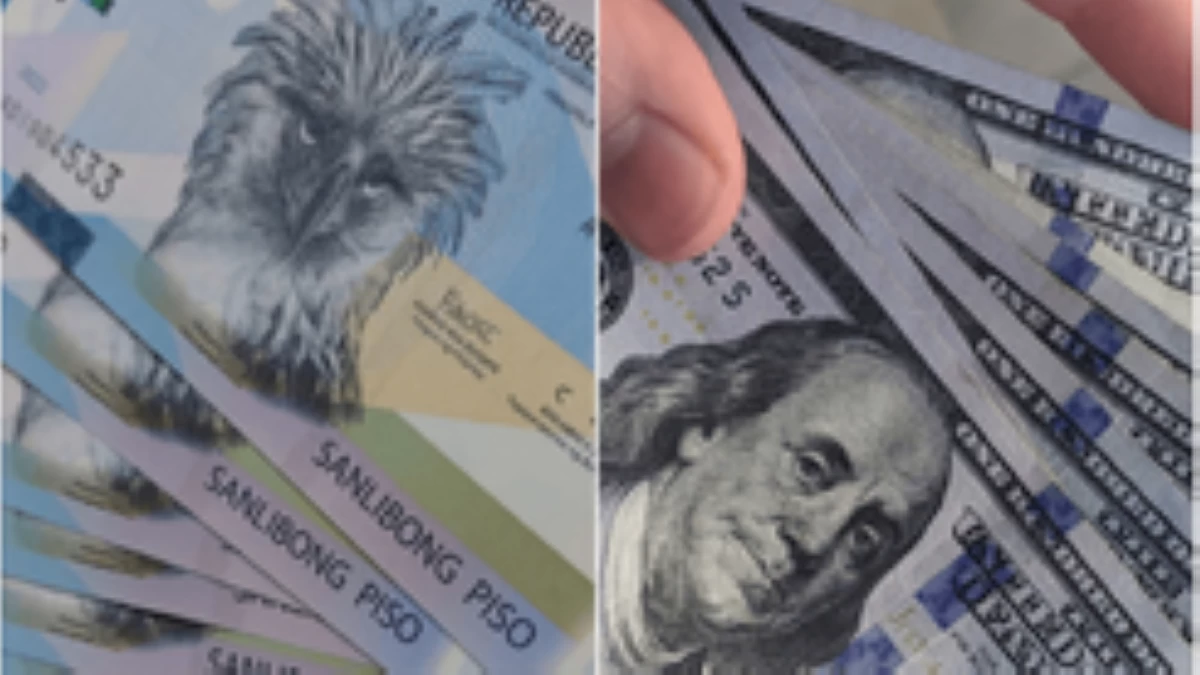
The ongoing war in the Middle East risks slashing remittances from Filipino workers in the region, which could reduce the country’s United States (US) dollar earnings and put more depreciation pressure on the already oil-sensitive Philippine peso, according to think tank Capital Economics.
While Capital Economics deputy chief emerging markets (EMs) economist Shilan Shan said the think tank does not see any collapse in global remittance flows, “any drop in inflows would cause external deficits in the Philippines and much of South Asia to widen further at a time when high energy prices will already be pushing deficits deeper into the red.”
“That could put more pressure on currencies and force central banks to keep policy tighter than it would otherwise need to be,” Capital Economics said in a report on Friday, March 13.
Cash remittances from overseas Filipino workers (OFWs) in the Middle East were equivalent to 0.8 percent of gross domestic product (GDP) last year, the largest among Southeast Asian countries, the think tank noted.
Capital Economics believes that a mass voluntary exit of migrant workers from the Gulf region is unlikely even if the conflict continues.
But the think tank cautioned that remittances could slow as weaker Gulf economies affect employment and incomes in sectors with large migrant workforces, such as construction, hospitality, retail, and transport.
It said the impact on migrant employment and remittances will depend on how severe and prolonged the war becomes and its effect on Gulf economies.
Its estimates showed that a short-lived conflict could cut regional GDP by one to two percent this year and reduce remittances by about five percent, while a prolonged crisis damaging energy infrastructure could cause GDP to fall 10 to 15 percent and slash remittances by 30 to 35 percent.
Capital Economics warned that a decline in remittances from the Middle East would be more concerning this time because it could coincide with high oil prices, unlike in the past when remittance drops usually occurred alongside falling energy prices.
“All of this would add to headwinds in the Philippines. It already runs a current account deficit of three percent of GDP, and is a net energy importer. If falling remittances put the peso under more pressure, the central bank may need to respond with interest rate hikes,” Capital Economics said.
A current account deficit puts depreciation pressure on the peso against the US dollar. Last Monday, March 9, the peso slid to a new record low of ₱59.5 versus the greenback.
Last week, Bangko Sentral ng Pilipinas (BSP) Governor Eli M. Remolona Jr. said that global oil breaching the $100-per-barrel price level—which has already happened—could force the central bank to change course from its monetary easing cycle and instead raise interest rates.
According to National Statistician Claire Dennis S. Mapa, over 36 percent of the consumer price index (CPI) basket is directly or indirectly vulnerable to rising oil prices. Energy items such as transport fuels, electricity, liquefied petroleum gas (LPG), and kerosene—accounting for 8.23 percent of the CPI—are most directly affected, while agricultural products, meals outside the home, and road passenger transport, which together make up about 28 percent of the CPI, may face secondary impacts from higher transport and raw material costs.