







Is now the time to shift to a hybrid or electric vehicle?
We answer the question at this difficult time
By Inigo Roces
Published Mar 13, 2026 11:04 am


At A Glance
- With the conflict in the middle east showing no signs of stopping soon, many motorists are beginning to ask themselves, "Is now the time to shift to a hybrid or electric vehicle?"
- To help answer that question, we guide you through the terminology you need to understand, as well as a few important aspects and costs associated with each kind of vehicle.
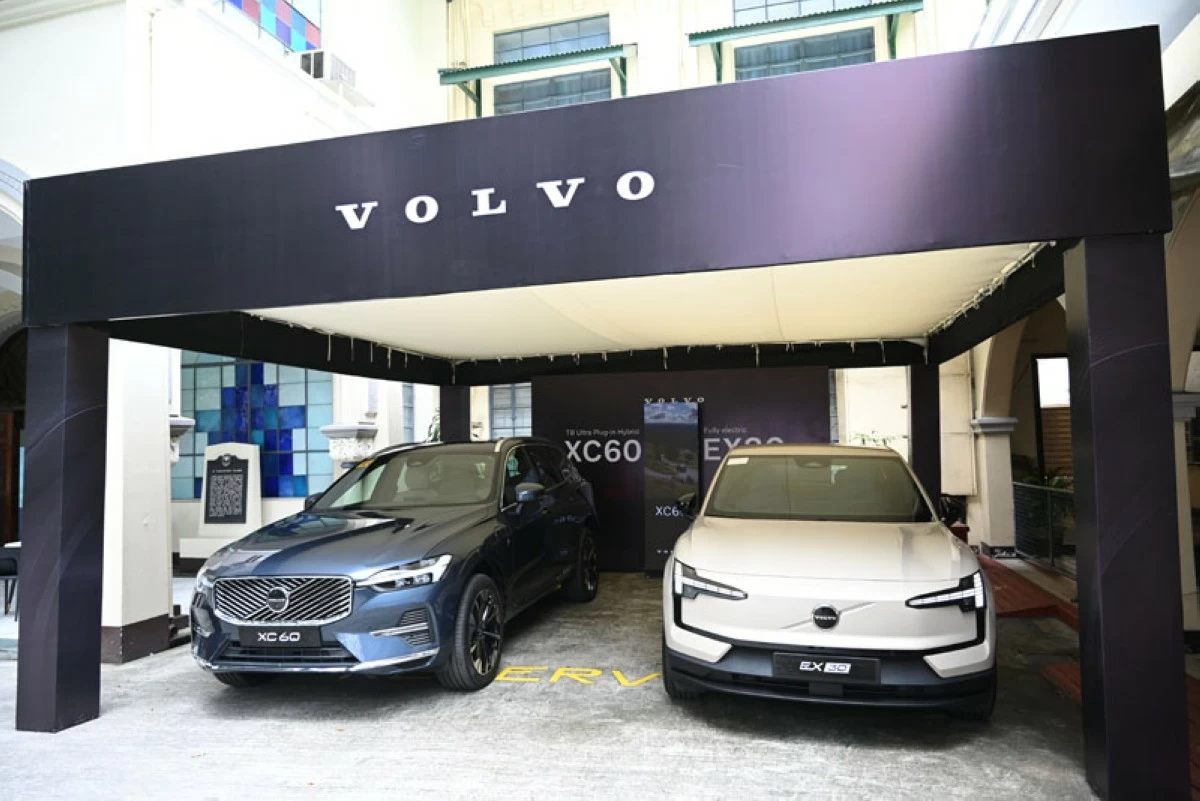
The all-new Volvo XC60 Plug-in Hybrid and EX30 EV.
Motorists are understandably worried about the high fuel prices now. With the conflict in the middle east showing no signs of stopping soon, these high fuel prices could be our new normal for a while. Granted, power generation costs may increase too, but not as much as fuel. As such, many motorists are beginning to ask themselves, “Is now the time to shift to a hybrid or electric vehicle?” Besides being less reliant on fossil fuels, the added number coding exemption is also a plus.
To help answer that question, we guide you through the terminology you need to understand, as well as a few important aspects and costs associated with each kind of vehicle.
What’s the difference?
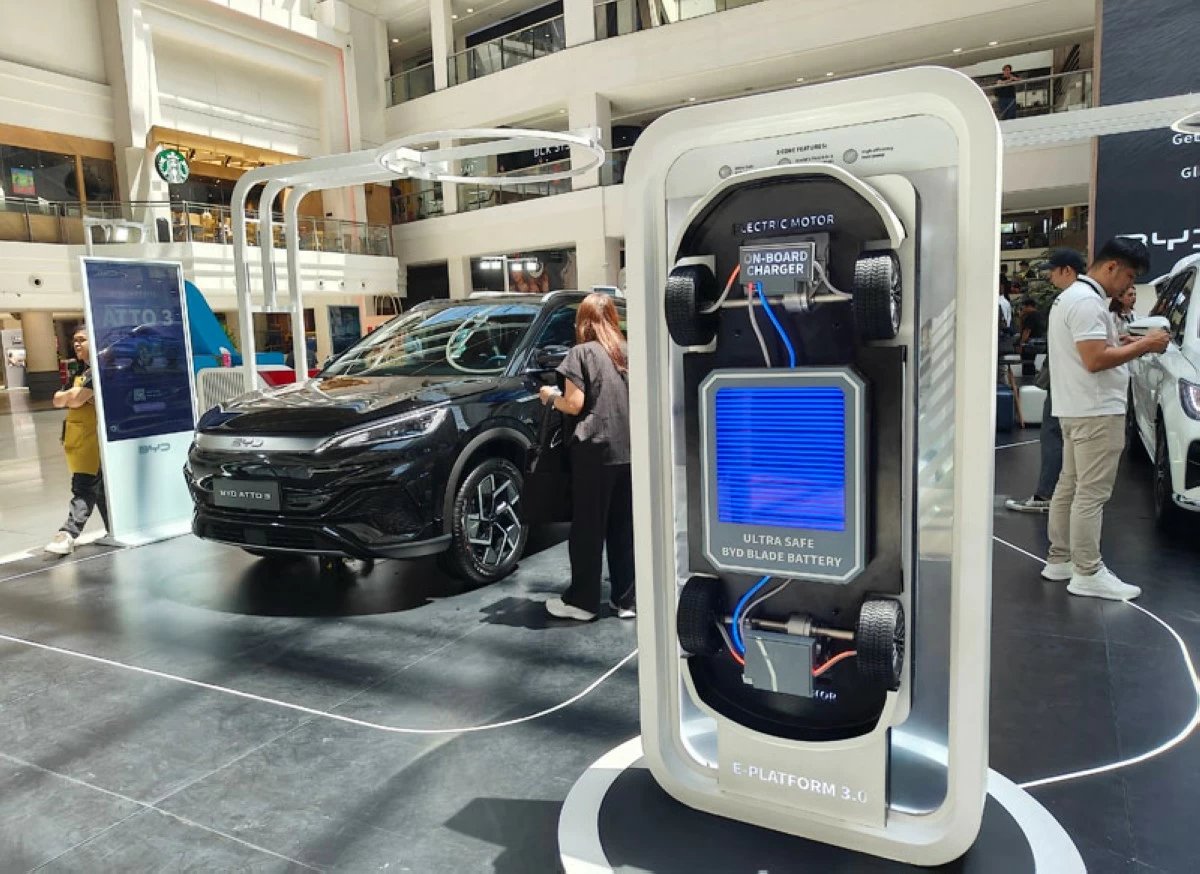
If you’ve already been considering making the switch to an electrified vehicle — one that’s less reliant on fossil fuels —chances are, there’s yet another decision besides that major shift: hybrid or electric vehicle (EV)?
It’s an understandable quandary. After all, both are marketed as ‘electrified vehicles’ but how they work are drastically different. To better understand them, let’s go through the modern terminology when it comes to this new generation of vehicles.
The terminology
For brevity, we will refer to the internal combustion engine as an ICE. This is basically any engine that burns fuel to run a car, whether gasoline or diesel, regardless of any cylinders it has. Next, both hybrids and electric vehicles fall under the catch-all term: electrified vehicles (xEV). They’re grouped this way because both have a battery and electric motor that use electric power to move the wheels. For clarity, we won’t use the term, 'New Energy Vehicle, (NEV)' because, while Chinese car companies are fond of using this term, it only encompasses BEVs and PHEVs but actually excludes HEVs; hybrid vehicles that don’t have a plug-in charging function. No matter how big or small the battery or electric motor, they’re considered an xEV. The xEV umbrella then splits off into many more kinds of electrified vehicles.
Hybrid Electric Vehicle (HEV)
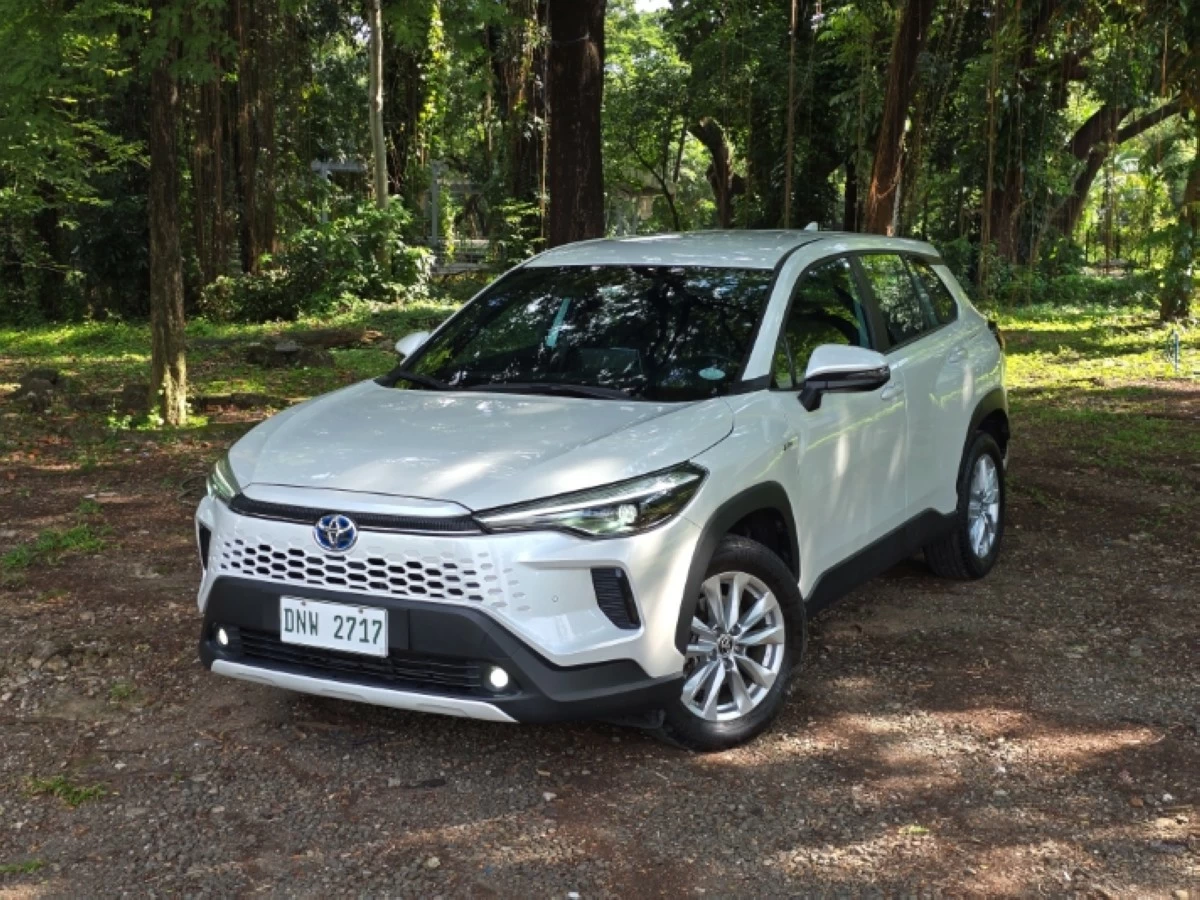
The first of these is the hybrid electric vehicle (HEV). Hybrids, as the name suggests, use a hybrid combination of combustion (ICE) and electric motors. This term generally applies to hybrids that DO NOT have a plug-in charging function. The ICE is powered by gasoline while the electric motor is powered by a battery. Due to the need to have two power sources on board, it’s usually fitted with a smaller combustion engine than usual, and a smaller battery than a fully electric vehicle.
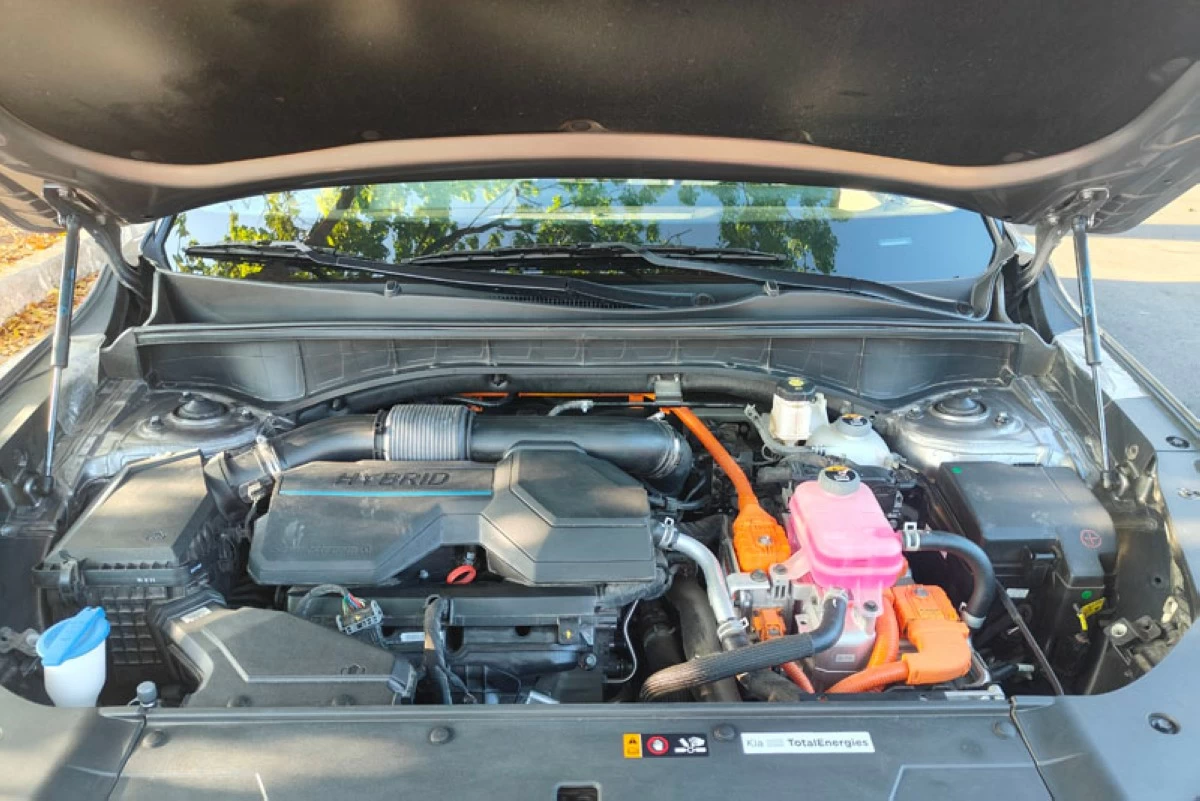
These two power sources can work in tandem or independently. The switch between fuel and electric usually happens automatically, however some allow you to switch modes manually if there is enough charge in the battery. Hybrids can usually go farther than conventional cars thanks to the mix of both power sources. Of course, the only downside is the reduced cargo space due to the need for space for the batteries and a fuel tank. They also still produce emissions because of the engine. Nonetheless, they’re seen as the ideal choice for buyers looking into their first xEV since it still operates like conventional vehicle. It also doesn’t suffer from range anxiety as the engine can take over when there is no more battery charge.
Mild Hybrid Electric Vehicle (MHEV)
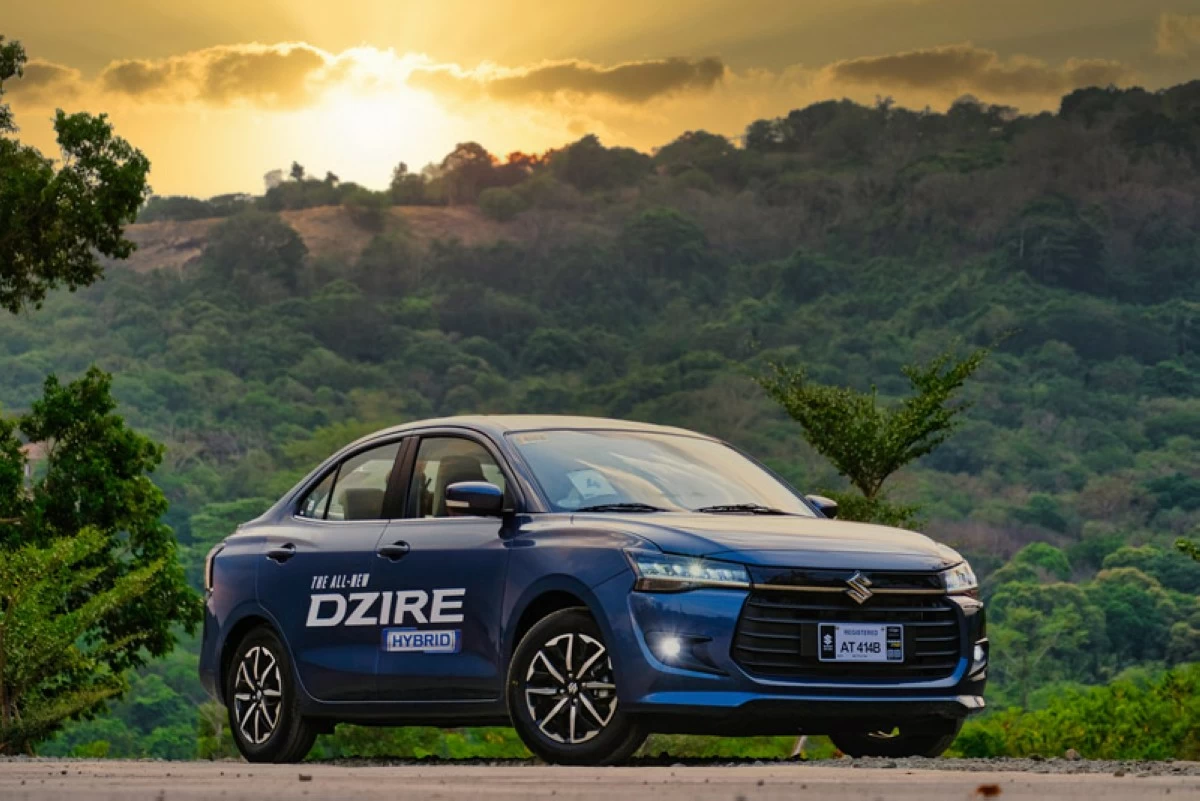
Mild Hybrids are just like regular hybrids, but have fewer features than full hybrids. The setup is exactly the same. There is an ICE, an electric motor, and a battery. The main difference is that MHEVs use an even smaller battery and electric motor. These electric motors and batteries are not strong enough to propel the car on its own. They only serve to assist the ICE and reduce fuel consumption and emissions. Because these vehicles do not have an EV or purely electric mode, they are not granted number coding exemption. These kinds were designed as the first step for buyers to shift to electrified vehicles, mainly to provide reduced fuel consumption.
Plug-in Hybrid Electric Vehicle (PHEV) / Range-extended Electric Vehicle (REEV)
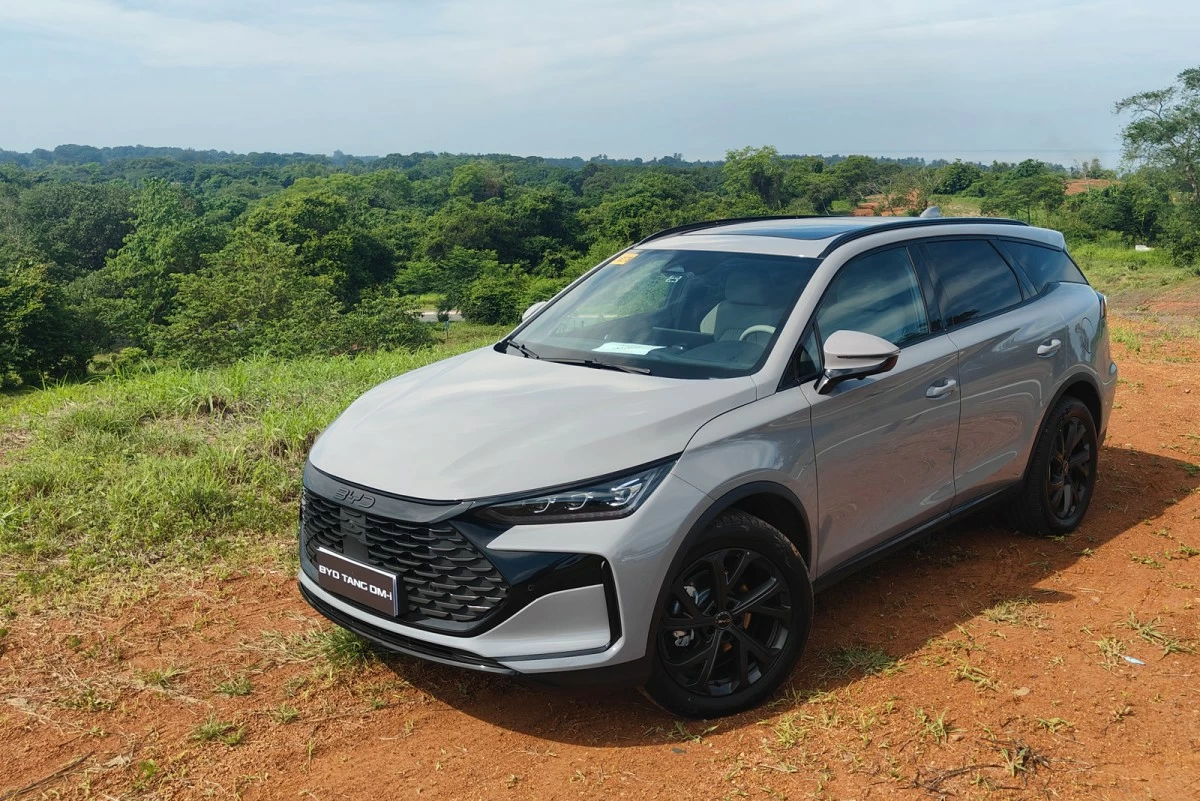
BYD Tang DM-i in Moonstone Grey
The next kind of xEV is the Plug-in Hybrid Electric Vehicle (PHEV). These vehicles are like hybrids with one key difference: the ability to plug-in the batteries and charge them. PHEVs can be plugged into a wall outlet or a charging station. This allows the driver to charge up the electric batteries and use their built-in electric vehicle mode without starting the combustion engine. They’re perfect for commuting as the first few kilometers can be driven without emissions. The engine then takes over when the battery runs out. These are typically a little more expensive than HEVs due to the plug-in function.
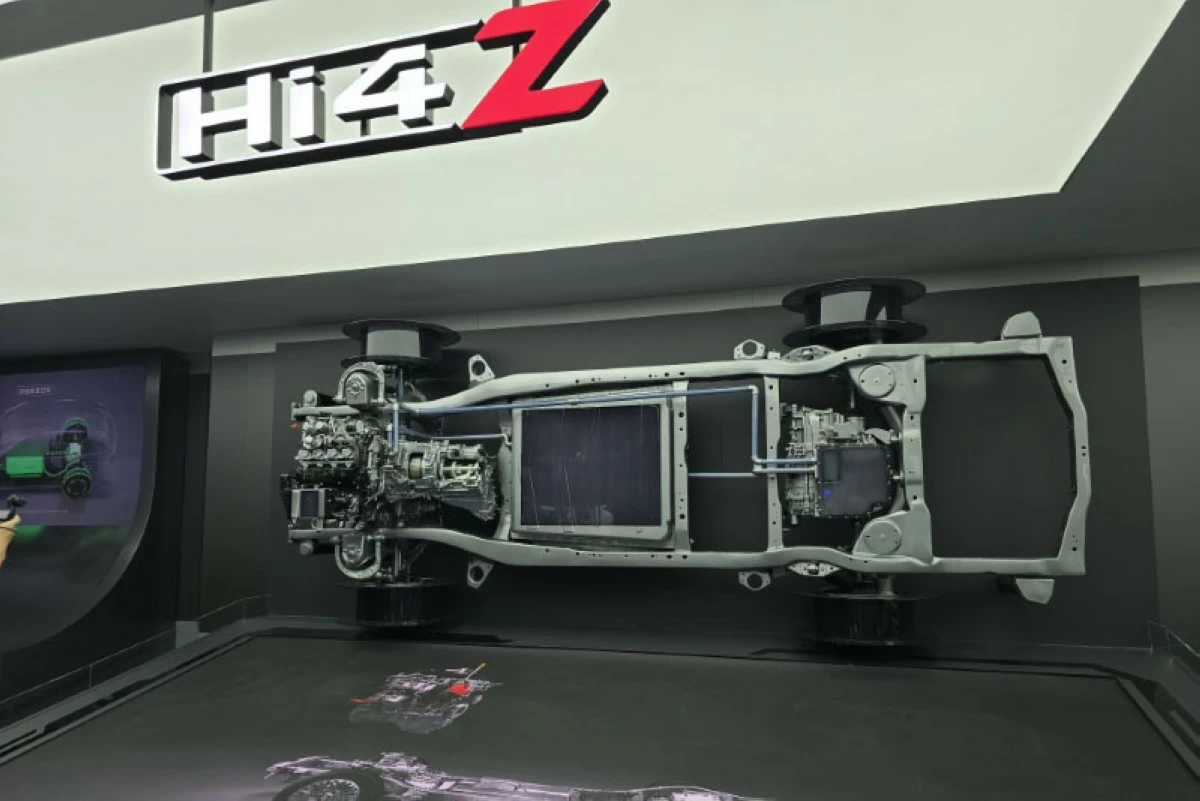
Sometimes they’re also called Range-Extended Electric Vehicle (REEVs) or Extended-Range Electric Vehicle (EREV). This typically means, the car was designed as an EV primarily, and an ICE was added later. This is opposed to a PHEV that is usually an originally ICE-powered vehicle, with electric motors and batteries added later. This distinction is important because an REEV uses an electric motor to drive the wheels instead of an engine or gears. As a result, there is no transmission, just a single gear for all conditions.
Battery Electric Vehicle (BEV)
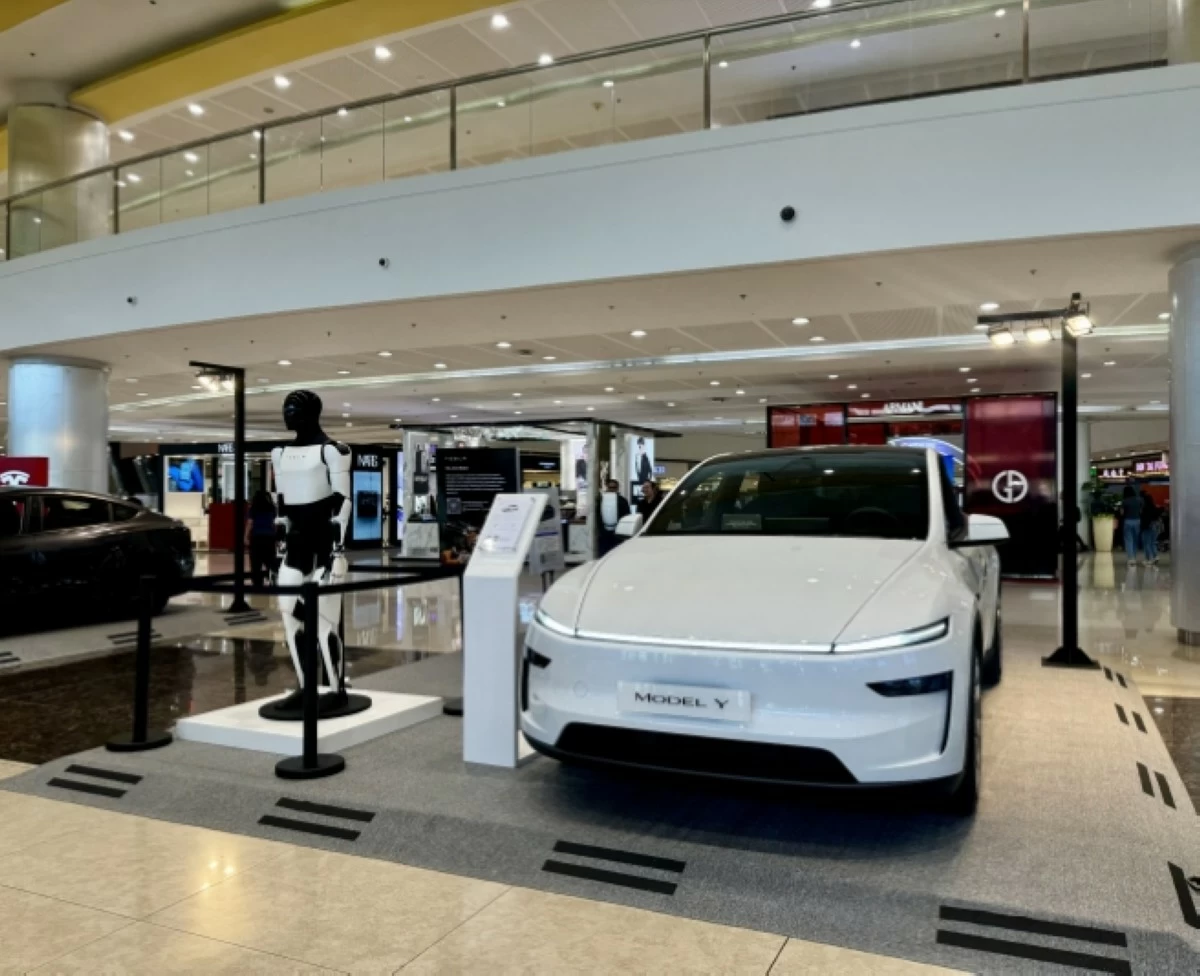
The third kind is the battery electric vehicle (BEV). These are fully-electric vehicles that run purely on battery power. There is no combustion engine that can turn on when the battery runs out. However, these typically come with larger batteries to offer longer driving range. BEVs offer a wide variety of driving ranges from as little as 200-kilometers from a full charge to as much as 550-kilometers. Of course, that range is determined by the size of the battery; a larger battery also equates to a higher price.
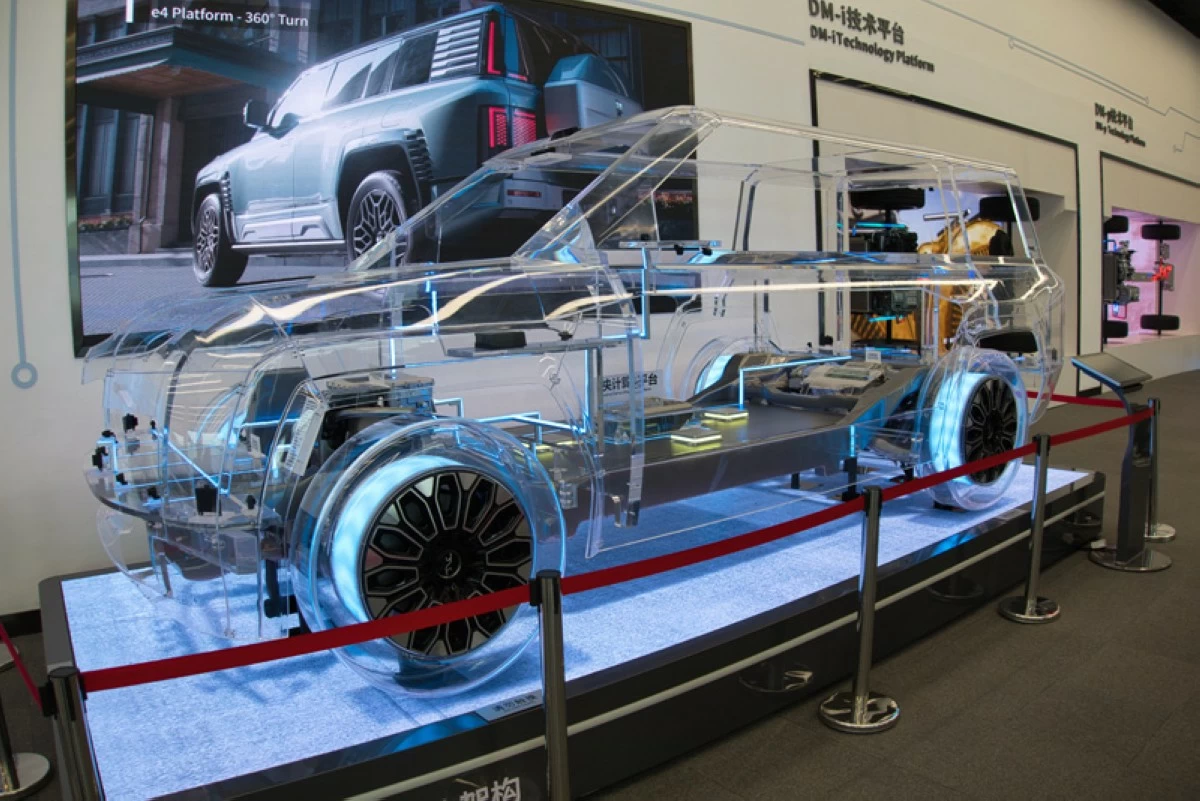
These vehicles are true zero-emission vehicles because they rely purely on electric power. Another added benefit is their completely silent operation because there’s no combustion that takes place. They can take on a variety of forms from a hatchback, to sedan, or even SUV. Because they’re purely electric, drivers have to carefully consider where they take these cars as, once the battery runs out, the car will be immobile. This is where the famous ‘range anxiety’ (the fear of dwindling driving range) comes in. As such, drivers need to plan out their route to include a home or charging station to recharge the batteries. Nonetheless, with many more charging stations popping up, and newer models offering longer ranges, that is starting to become less of a worry.
Is it expensive to shift?
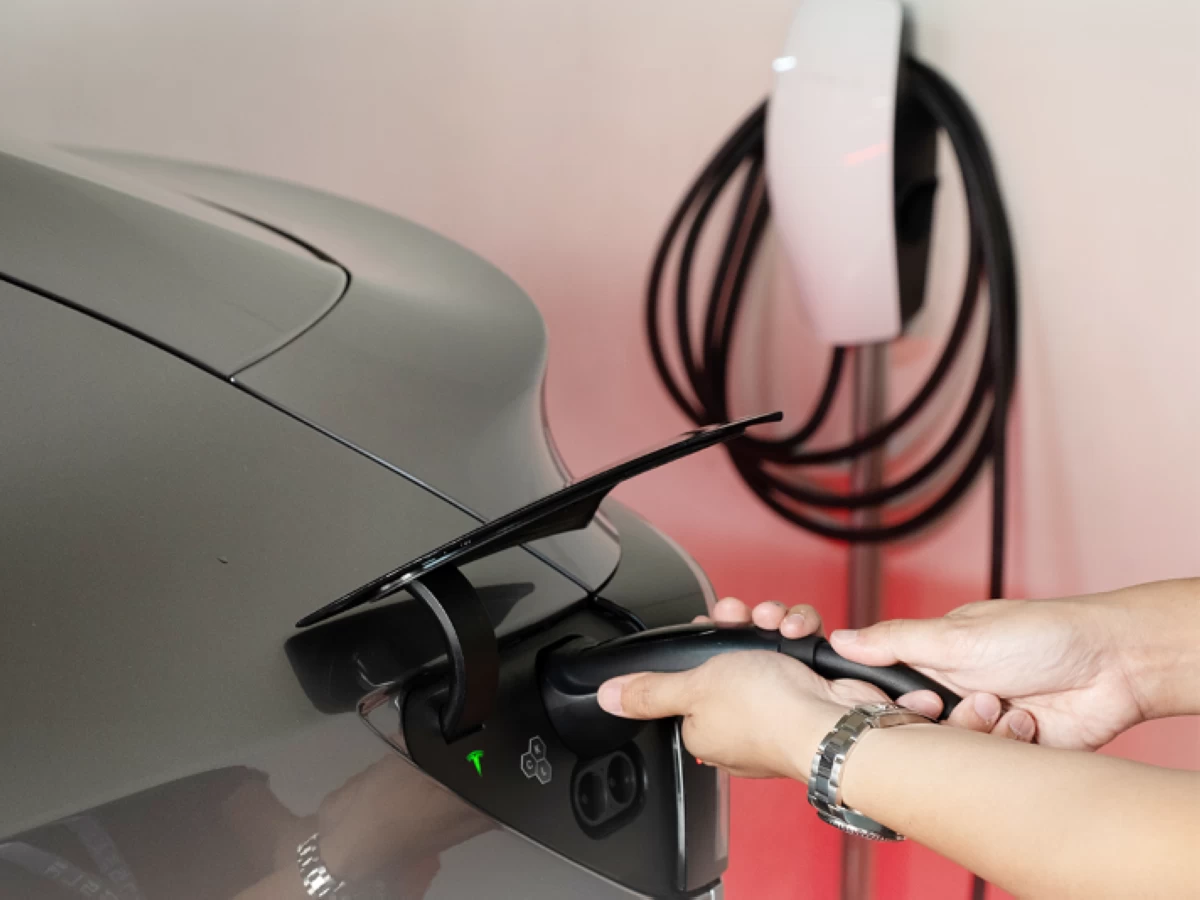
So long as you can afford the price of the new vehicle, its energy requirements, and maintenance, you should be ready to shift to an electrified vehicle. For those thinking of BEVs or PHEVs, the wall and portable chargers are usually offered for free. However, installation of the wall charger, usually isn't. The price may vary from P20,000, to as much as P100,000 depending on your home electrical setup.
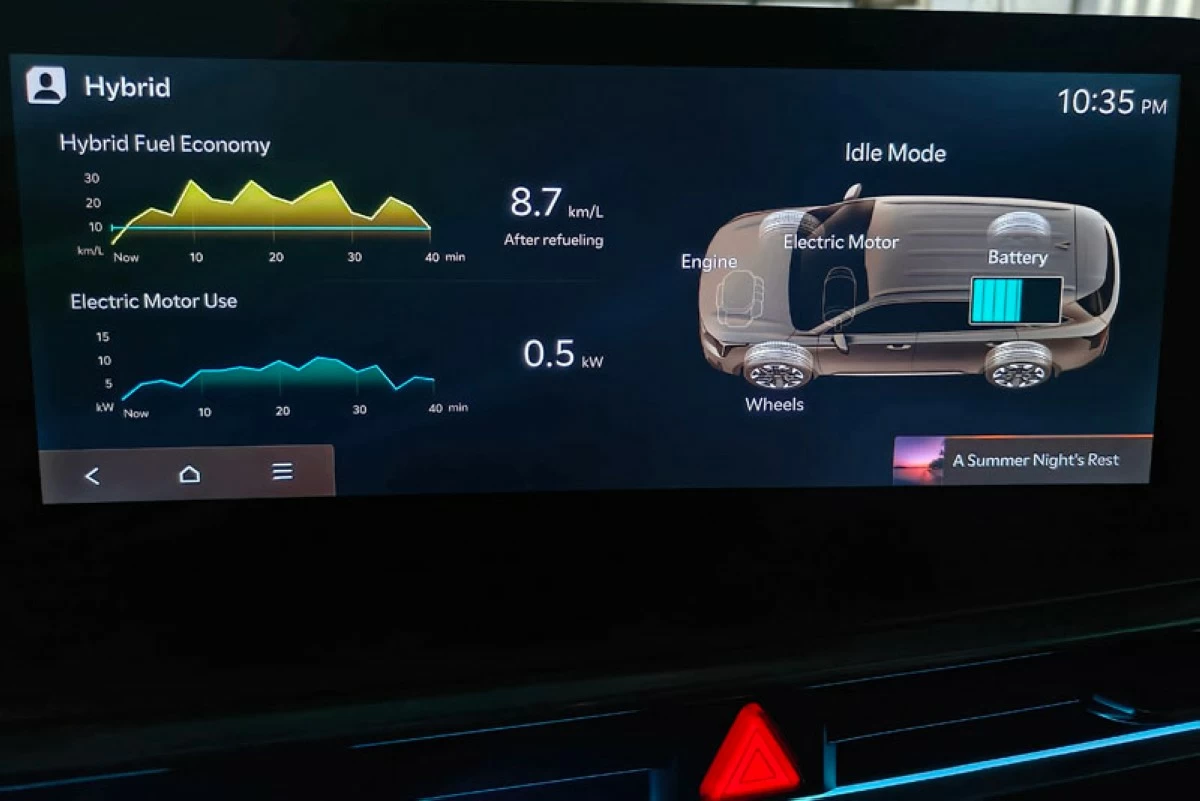
Many are understandably worried about battery replacement and the cost it entails. They shouldn't be. Many car brands offer battery warranties as long as 7-9 years. The warranty can usually be claimed (and the battery replaced for free) if the battery's state of health drops below 70% before the warranty runs out. Even if the state of health drops below 70% after the warranty period, that doesn't mean the car is useless. It can still be driven. It just doesn't have as long a driving range as it used to. If you buy a BEV with a range of 500-km when new, a range down to 350-or 400-km after 7-8 years is still quite usable. If you chose an HEV or PHEV, you still have an ICE that works fine. It simply uses the battery less and may increase in consumption, but it is by no means useless.
Which to choose?
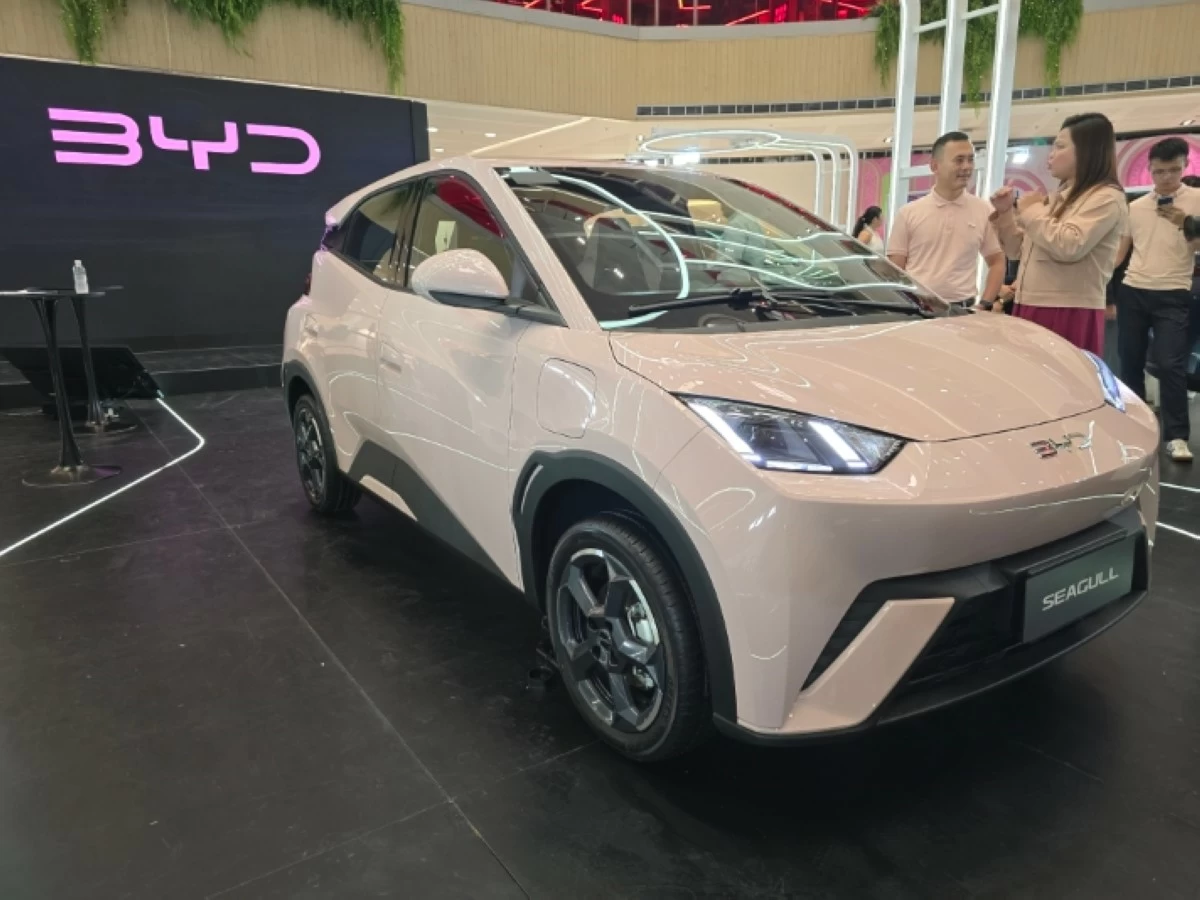
So is now the time to make the shift? Yes, there should be no clearer sign. In truth, the Philippines is quite late to the electrified vehicle (xEV) party, with many motorists realizing only now just how efficient and worth it they are. This is despite the fact that hybrids have been available in the country for more than a decade now. Granted, moving to a BEV may still be daunting for some, but at the very least, an HEV should be considered as your next car.
The choice of which xEV really depends on one’s driving habits. BEVs are best suited for city use due to the wide availability of charging stations. They’re also better matched to buyers that have their own garages where they can install their own wall charger. Nothing beats range anxiety better than simply topping up your battery every night while you sleep.
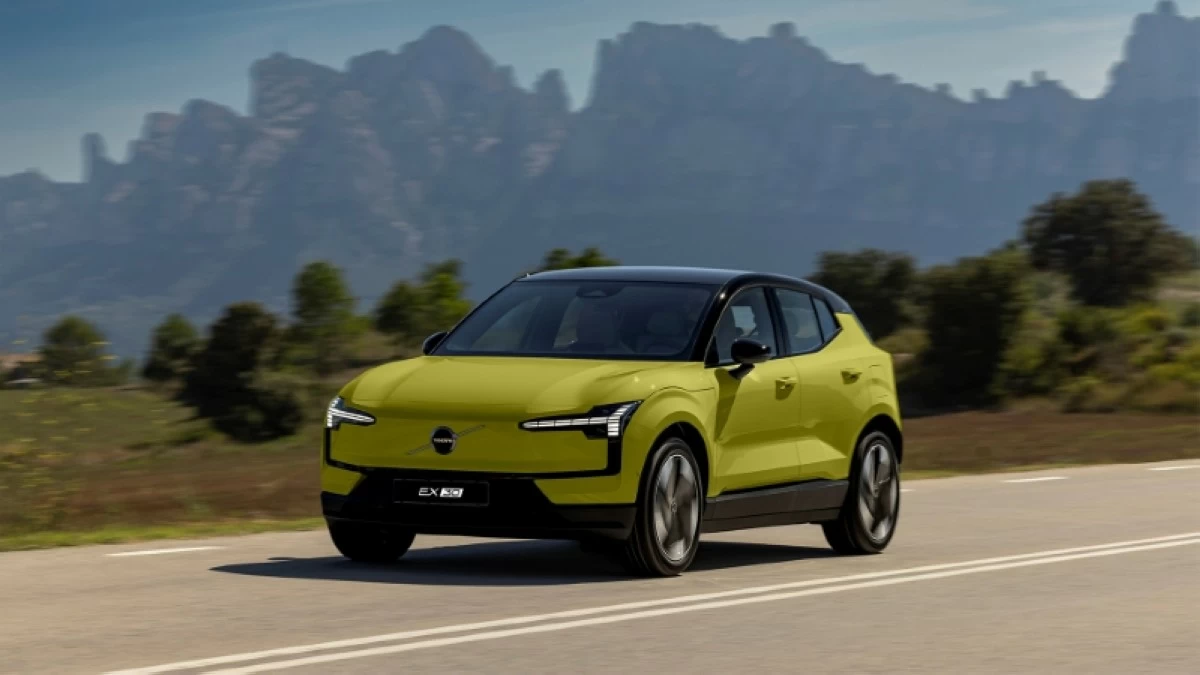
With most commutes being between 8 -14 kilometers, BEV drivers will find they can actually go 4-7 days without having to recharge. Of course, BEVs are quite expensive due to their large batteries. You can get one for under P1M if you just intend to use it in the city where there are lots of chargers. In the coming years, you can expect more charging stations to be installed out of town, making long drives with your BEV more feasible.
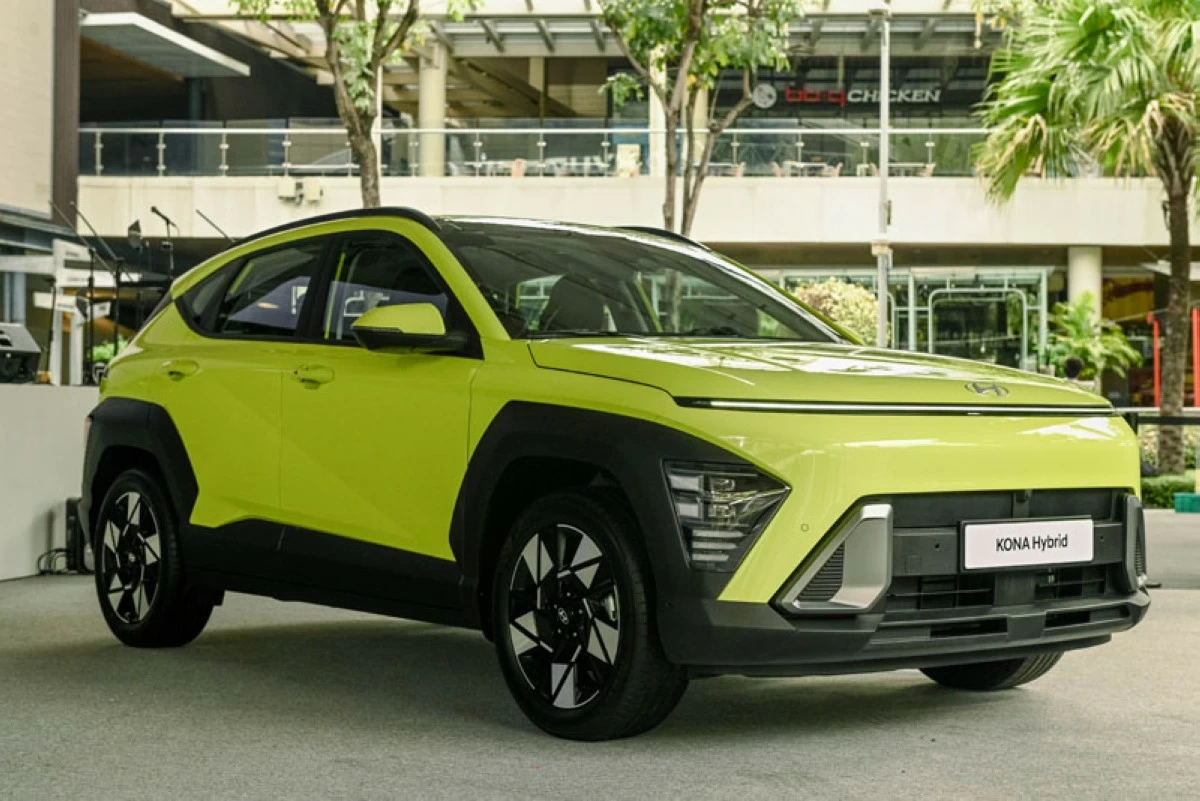
HEVs and PHEVs are best for those with large families or those with longer commute distances. Many hybrids already come in SUV form, easily seating 5 – 7 people. Many of these come with an EV mode, allowing the driver to exclusively use the battery and electric motor while there’s power. The high clearance of SUVs also means they can take on some of the rougher roads found out of town. Because there’s a gasoline engine, battery range is not a problem because the engine can easily take over when it runs out. It also continues to charge the batteries as it runs. As an added bonus, trips out of town are still possible because they offer a driving range longer than conventional vehicles, offering better value with each fill up of the tank.
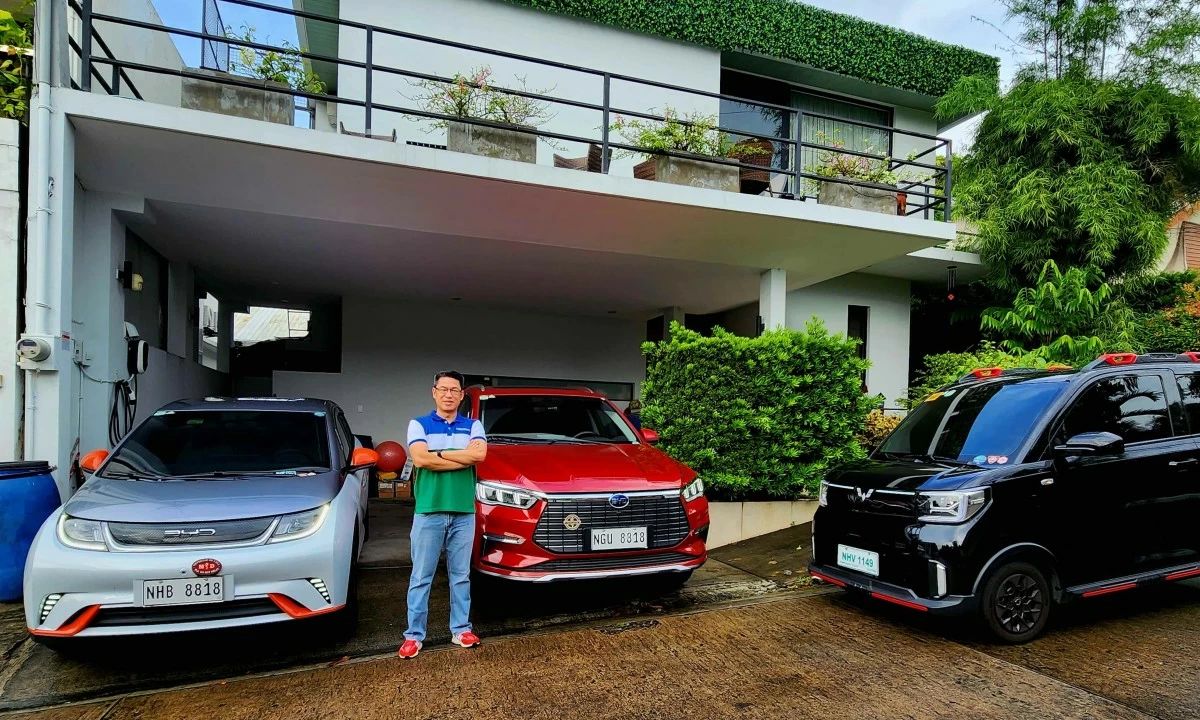
Dr. Joel Macatula, a neurosurgeon, electrical engineer, and EV advocate, has already made the full switch to an all-EV garage.
If that still sounds confusing, we’ll summarize it like this. Got your own house and garage? Got a second ICE or hybrid car? Need a new car just for daily commutes? Be brave and get a BEV.
Live in a condo? Have a longer commute than usual? Do you go on out of town drives regularly? Get an HEV.
Got your own parking where you can install a charger? Do your drives vary between short city drives and long out of town drives? Want to go BEV but not quite ready to deal with range anxiety? Get a PHEV / REEV.
It really depends on where you drive to, how far you go, and your parking situation. Which vehicle is best depends on a variety of factors.