






Manila Bulletin
 Philippines
Metro Manila
PUV drivers split meal in half to cope with surging oil prices
Philippines
Metro Manila
PUV drivers split meal in half to cope with surging oil prices
Philippines
Metro Manila
PUV drivers split meal in half to cope with surging oil prices
PUV drivers split meal in half to cope with surging oil prices
Published Mar 12, 2026 12:41 pm
|
Updated Mar 12, 2026 01:49 pm


By JAYFERSON COMITAN
For Jerry Capino, a jeepney driver, the surging prices of diesel and oil products means a lot of belt-tightening measures, including splitting his meal in half to cope with the crisis.
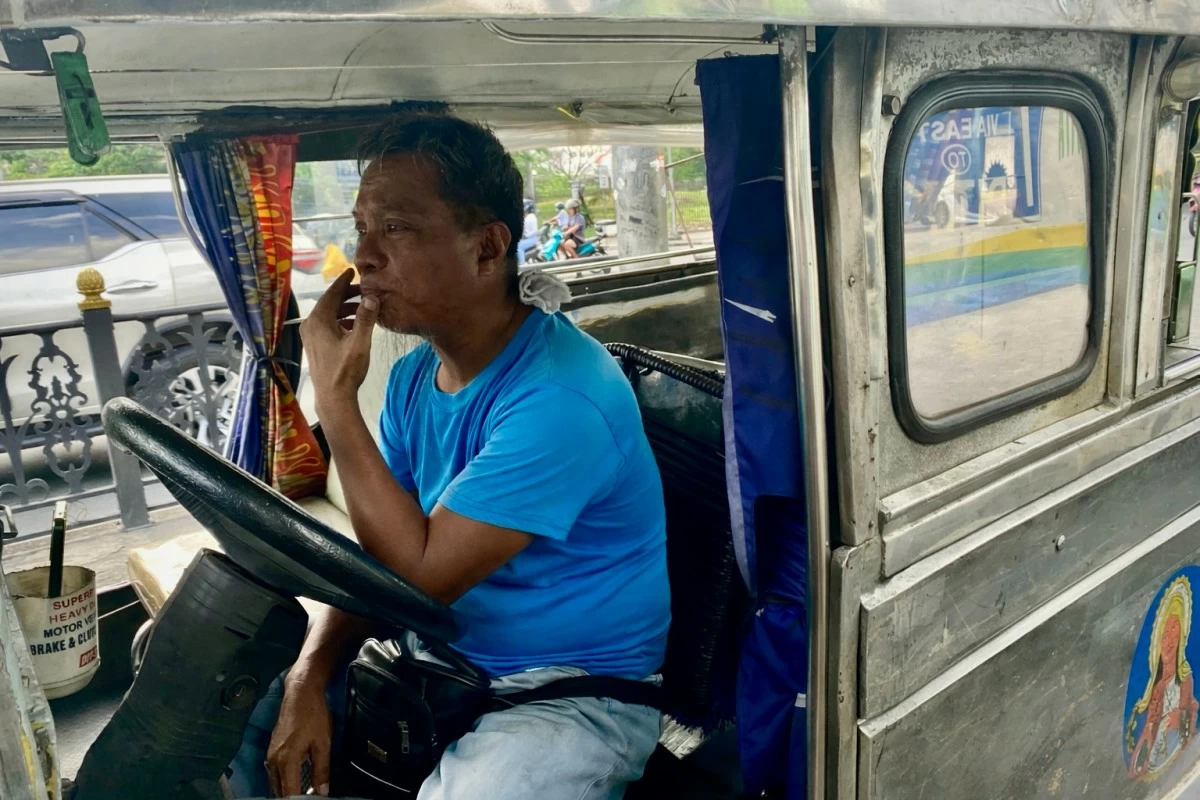
Jerry Capino, jeepney driver
“’Yung isang pirasong isda na tilapia, iyon na lang ang ulam ko. Kalahati sa umaga, tapos kalahati sa tanghalian.” (A single piece of tilapiais what I will just eat—half in the morning and the other half at lunchtime.)
Capino, 53, has resorted to cutting back on meals to make ends meet.
But despite the rising fuel costs, Capino said he is reluctant to increase jeepney fares out of concern for the passengers who will bear the brunt of it.
Some Filipino drivers also expressed concern over the latest oil price hike which has gravely affected their daily earnings.
Oil companies implemented varying price increases for petroleum products, with each firm notifying the Department of Energy (DOE) of its adjustments. As of writing, gasoline prices went up by P7 to P13 per liter, diesel by P17.50 to P24.25 per liter, and kerosene by P32 to P38.50 per liter.
In Manila, several drivers said they cannot help but to comply while others opted to look for jobs elsewhere, particularly in construction sites.
Capino said the increase in fuel prices has significantly left him with little profit.
“Eh, wala naman po kaming magagawa dyan. Kahit ’di namin kagustuhan ’yan, sabi nila gawa ng giyera sa Middle East. Kahit maglupasay kami, dahil sila ang negosyante, wala kaming magagawa—susunod lang kami,” Capino told the Manila Bulletin. (We cannot do anything about that. Even if we don’t want it, they say it’s because of the war in the Middle East. Even if we protest or complain, since they are the businessmen, we cannot do anything—we will just follow.)
Capino said he usually earns around P500 a day, but about P200 of it goes to gasoline expenses, which leaves him with roughly P300, an amount he said is not enough to cover his family’s daily needs.
“Ayaw ko pong tumaas ang pamasahe. Hanggat maari nga po gusto ko ibaba lang ang pamasahe. Kasi kapag tumaas ang pamasahe at pumantay na sa LRT, wala nang sasakay dito,” he said. (I don’t want the fare to increase. As long as possible, I just want to lower the fare. Because if the fare rises and becomes the same as the LRT, no one will ride the jeep anymore.)
Reynalte Solaina, 51, also a jeepney driver, shared the struggles he faces amid rising fares and economic pressures.
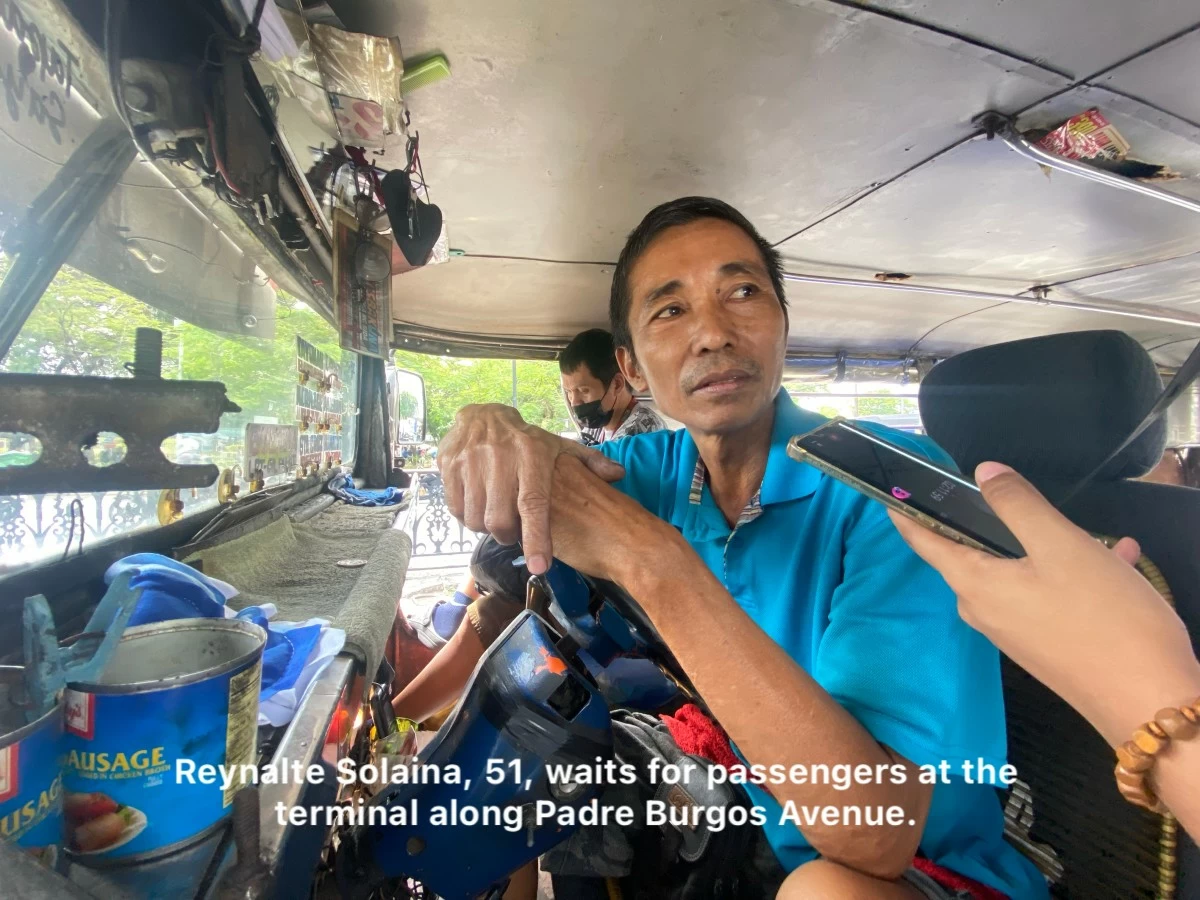
Jeepney driver Reynalte Solaina
“Wala na ngang kinikita sa pamasada, tapos nag-taas pa, kaso lang wala tayong magagawa. Tayo’y mahirap lang, sumusunod lang tayo talaga. Kahit anong gawin natin, wala pa rin, gobyerno pa rin nakakaalam dyan, di ba?” said Solaina. (Even though we barely earn from driving, and the fares went up, there’s nothing we can do. We’re just poor, and we really just follow the rules. No matter what we do, nothing changes; the government has the final say, right?)
“Wala na eh, wala na magawa kahit anong paghahanda.” (There’s nothing left to do; no matter how much we prepare.)
Solaina said the reality of their situation leaves them with little choice but to continue working to make ends meet.
For tricycle drivers like Rommel Roxas, 29, the ongoing conflict in the Middle East has also affected their livelihood. For every trip or “ikot” he makes, Roxas said he usually earns around P150, but due to the recent fuel price hike, the P40 he used to spend on gasoline has increased to P70.
Roxas said that while he used to be able to buy a whole chicken for his family, he can now only afford half because of the rising fuel prices.
As an alternative and to avoid losses from fuel expenses, Roxas said he waits for his tricycle to be fully loaded with passengers before leaving.
“Isang way, punuan na kaagad para maabot lang ’yung pang-gasolina mo. Kasi kung ’di mo mapupuno ’yan, wala—’di ka kikita,” he said. (One way is to make sure it’s already full so you can at least cover your fuel cost. Because if you can’t fill it up, you won’t earn anything.)
“Kung magtataas ang pamasahe, doon kami babase sa anunsyo,” Roxas added. (If fares increase, we will base it on the official announcement.)
Roxas is also hesitant about imposing fare hikes, saying it could also affect their passengers.
Government subsidies for drivers would be the best way to help them cope with rising fuel costs, he said.
The Department of Transportation (DOTr) said it is preparing P3.5 billion in subsidies for free rides and to help offset the fuel costs of public utility vehicles (PUVs).
Meanwhile, transport group Piston plans to file a petition on March 1 to push for a P2 fare increase.
John Paul Sepajuan, an 18-year-old student and commuter, said the increase in oil prices could also become a burden for commuters as transportation fares may rise.
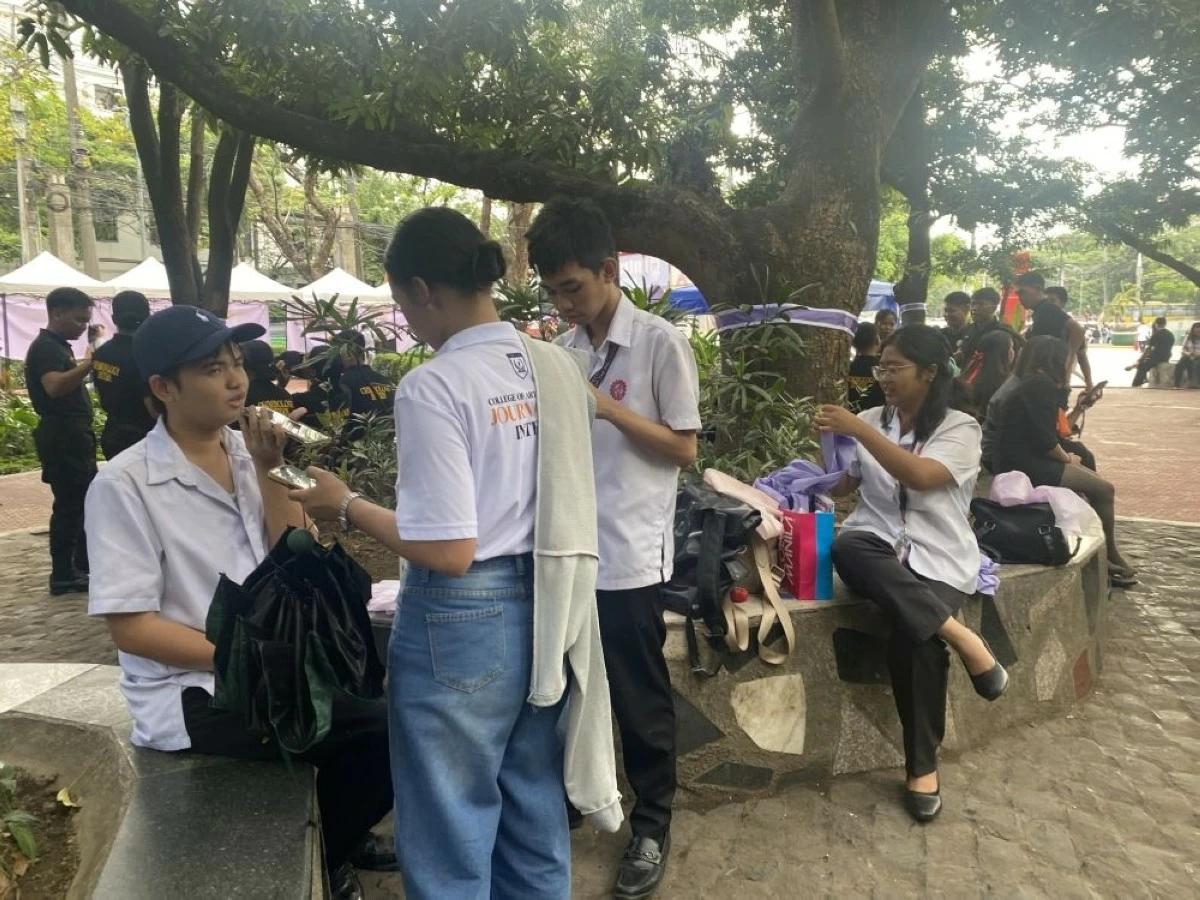
John Paul Serpajuan, a student at the Technological University of the Philippines
Sepajuan said he travels from Rizal Province to attend his classes at the Technological University of the Philippines in Manila.
“Galing pa akong Rizal. ‘Yung P102 na balikan, baka tumaas na ’yun. Eh malaki na ’yung P102, so possible na mas bumigat pa siya lalo na sa family na nagsusuporta sa akin,” the student said. (I’m commuite to school all the way from Rizal. The P102 round-trip fare might increase. P102 is already a big amount, so it could become an even heavier burden, especially for the family that is supporting me.)
Sepajuan said one possible way to ease the financial burden on him and his family is for universities to reduce in-person classes instead of having five days of face-to-face sessions each week.
Energy Secretary Sharon Garin said the DOE is unable to regulate fuel prices due to the deregulation of the oil industry.
“What I can give you that’s positive about the news today is that they [oil companies] have agreed to stagger it in the sense that in the whole week, hindi isang bagsakan na P20 agad tomorrow (not a one-time P20 increase),” she said.