







PIID's new guard steers the future of Filipino design
By Rey Ilagan
Published Mar 12, 2026 12:37 am
|
Updated Mar 12, 2026 01:03 am


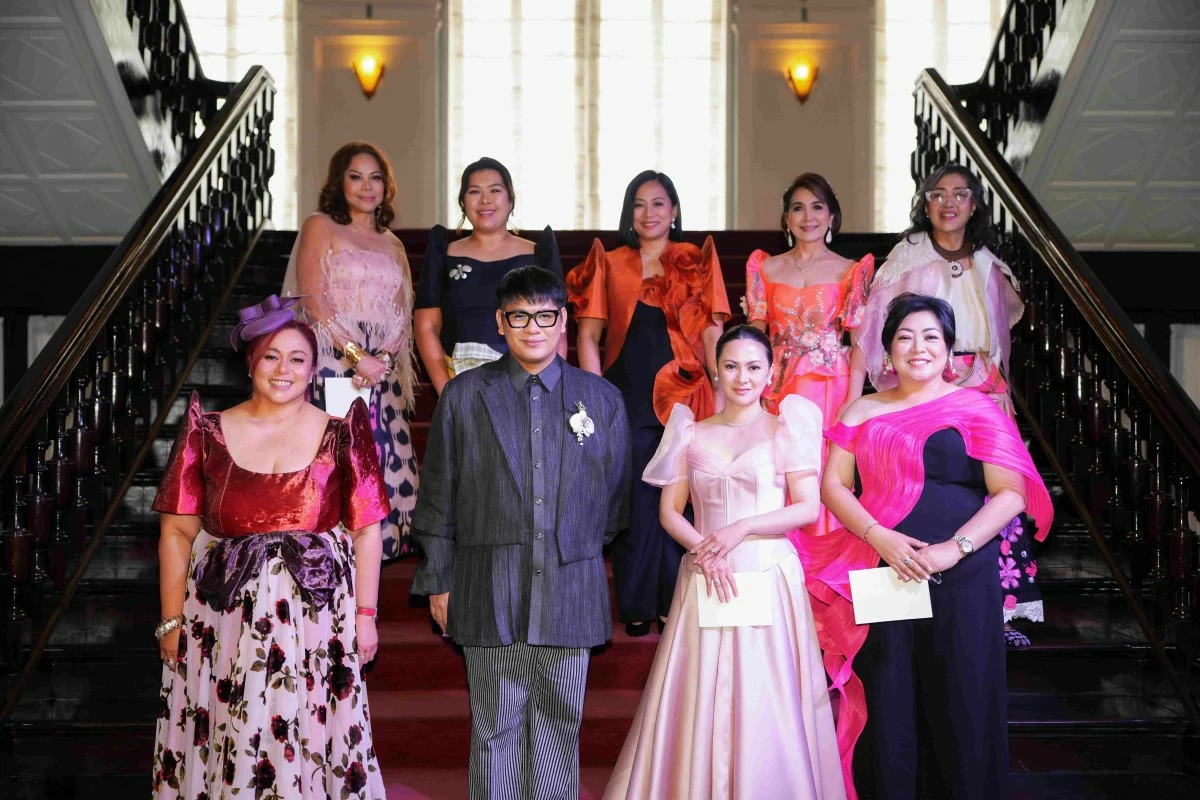
The new PIID Board of Trustees
At Goldenberg Mansion in Manila, a meaningful moment for Philippine design unfolded on February 20, 2026. The Philippine Institute of Interior Designers (PIID) introduced its newly elected Board of Trustees, an assembly of respected creatives who now carry the responsibility of steering the country’s interior design community into its next chapter.
More than a change in leadership, the transition signals a broader shift in how the profession sees itself today. Filipino interior designers, the organization believes, are no longer merely creators of beautiful rooms. They are cultural innovators, environmental stewards, and healers of space whose work shapes how people live, work, and restore themselves in the environments they inhabit.
At the helm of this vision is Cecil Ravelas, the organization’s newly elected national president. Joining her in the board are Lorenzo Valencia III as vice president; Iris Ocampo as corporate secretary; Honey Mutia-Cervantes as treasurer; Doris Dy as director for Conventions and Events; Maryann Venturina Bulanadi as director for Professional Practice and Ethics; Joy Ejercito as director for Finance; Nina Santamaria as director for Professional Development; and Ivy Almario as director for Public Relations.
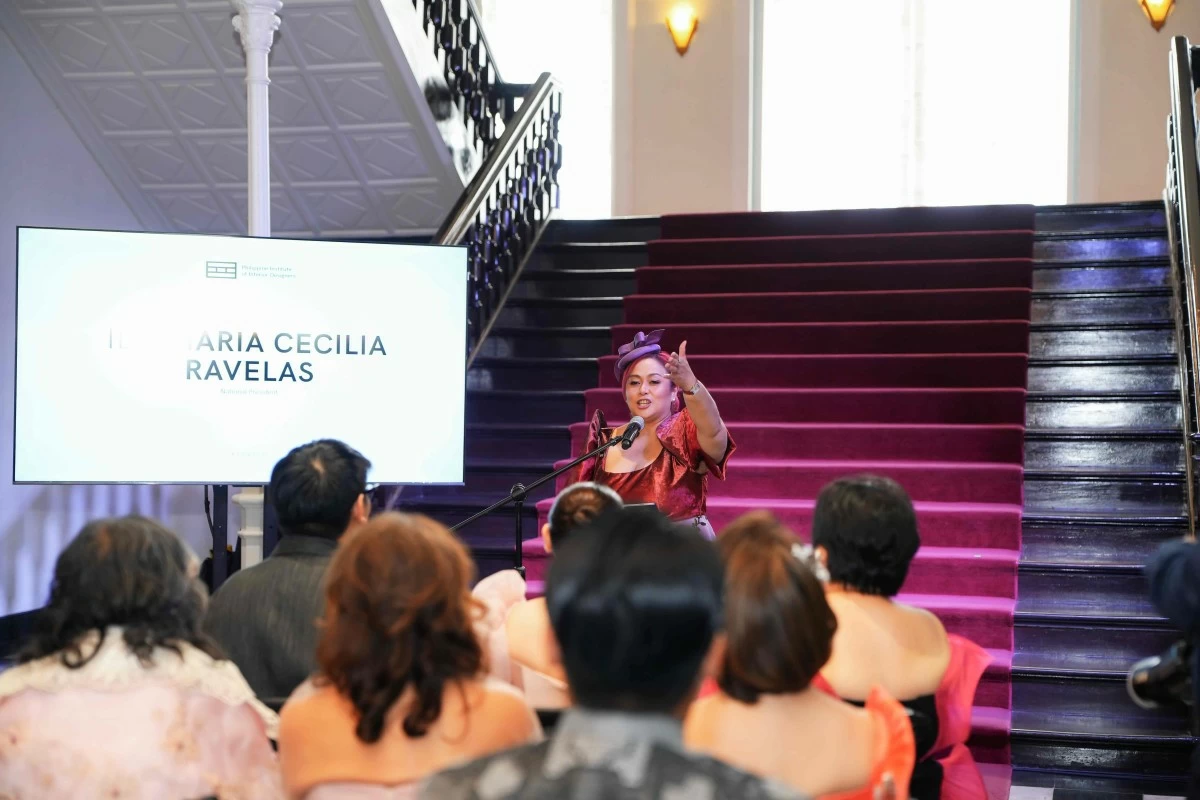
Cecil Ravelas
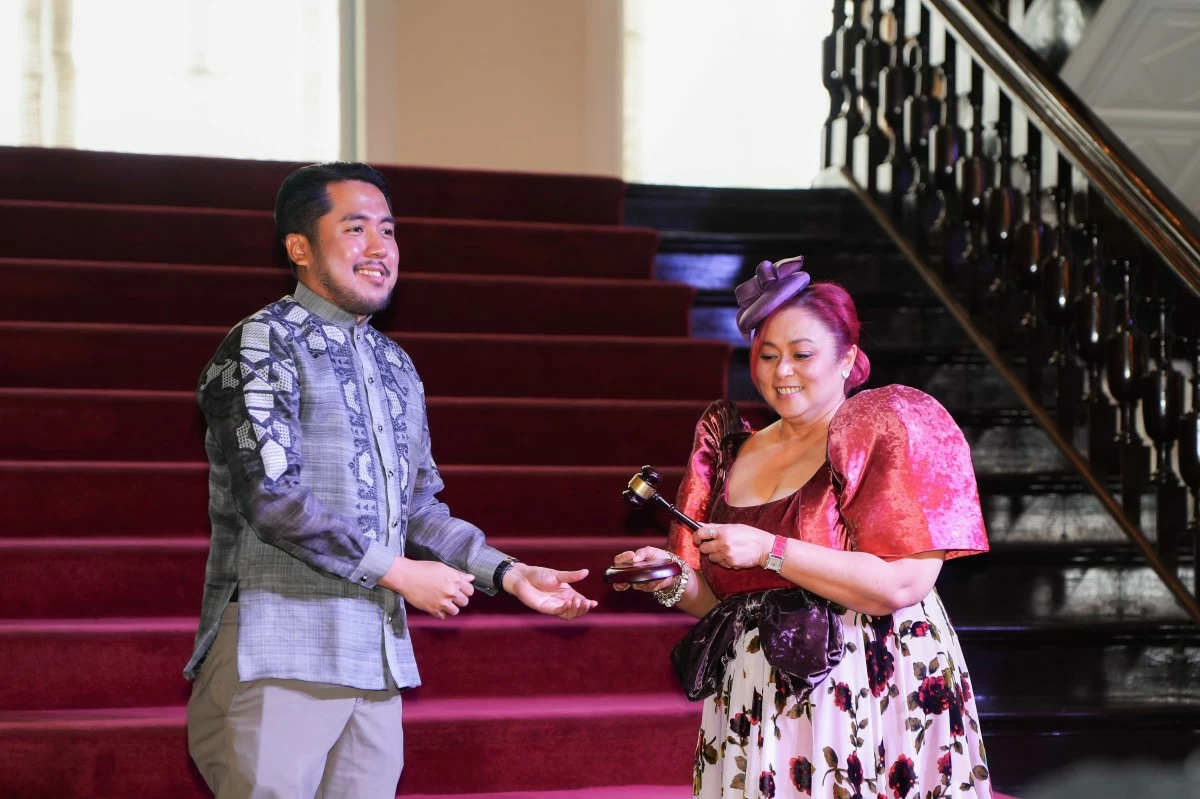
Paolo Castro and Cecil Ravelas
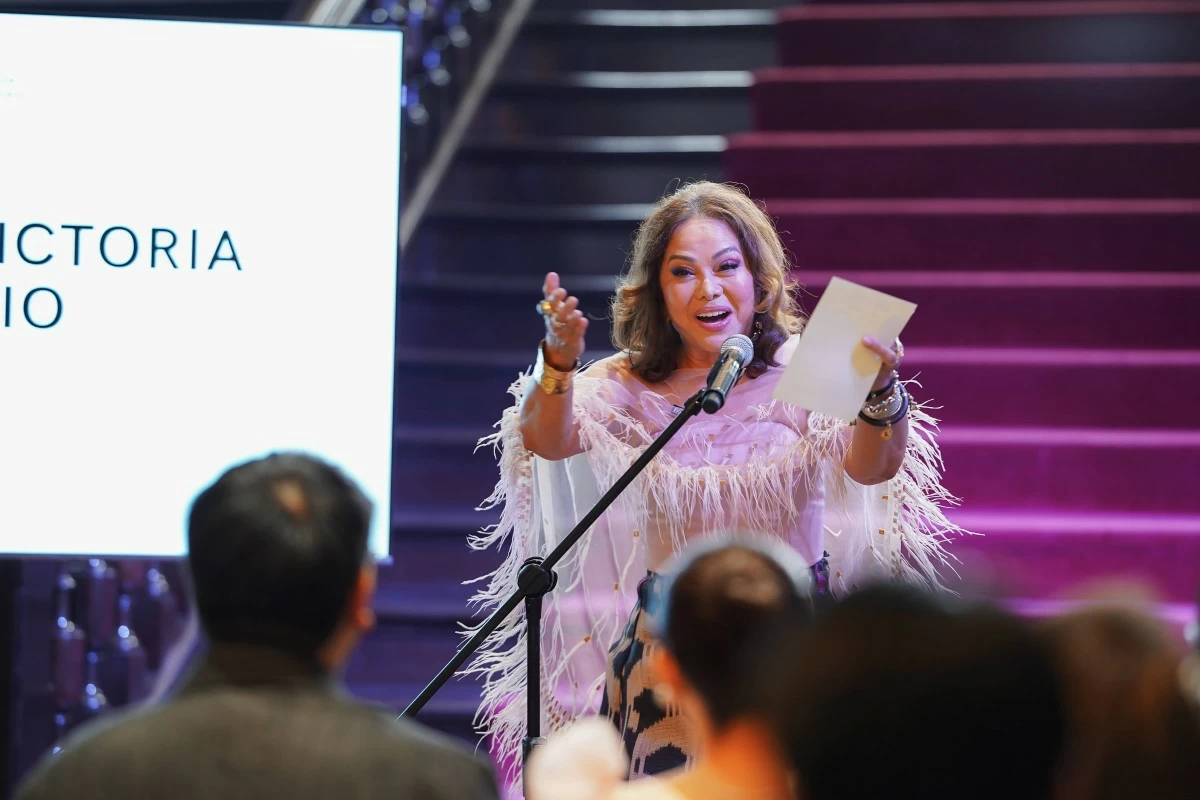
Ivy Almario
The new board begins its term united by a shared sense of purpose. For PIID, the work ahead is not simply about maintaining programs but evolving them; it is preparing members for the future of design while remaining deeply grounded in the country’s cultural heritage.
“Collectively, our immediate goal is to continue and strengthen these existing programs,” Ravelas shares. “We endeavor to bring this to the next level while integrating wellness and inner work.”
The emphasis on wellness may seem unconventional in a profession known for tight deadlines and demanding clients. Yet for Ravelas, it is precisely this reality that makes conscious leadership essential.
“Conscious leadership is the integration of mind and heart in order to drive higher purpose, foster healing, and nurture a strong sense of service for others,” she explains. “During my campaign, younger designers would often ask me about managing difficult clients, stress, and the pressures of deadlines. This tells me that there is a need for this kind of work.”
In this sense, interior design becomes not only a technical and creative discipline but also a deeply human practice—one that requires emotional intelligence, resilience, and clarity of purpose.
Helping guide this transition is Ivy Almario, whose experience within the organization provides continuity as PIID builds on the momentum of previous boards.
“The last two boards were successful in establishing these programs and creating momentum for the organization,” Almario reflects. “Our job now is to sustain this and take it to an even higher level.”
As director for Public Relations, Almario also plays a crucial role in shaping how the organization communicates with both its members and the broader public.
“There is a holistic approach to how we want to continue what was started,” she says. “But more than continuity, our mandate is to ensure that we level up the professional standards and skills of our interior designers. This can be done through mentorship, guiding them as they navigate the many nuances of servicing clients or setting healthy boundaries. At the end of the day, it’s all about taking all of our members forward and upward.”
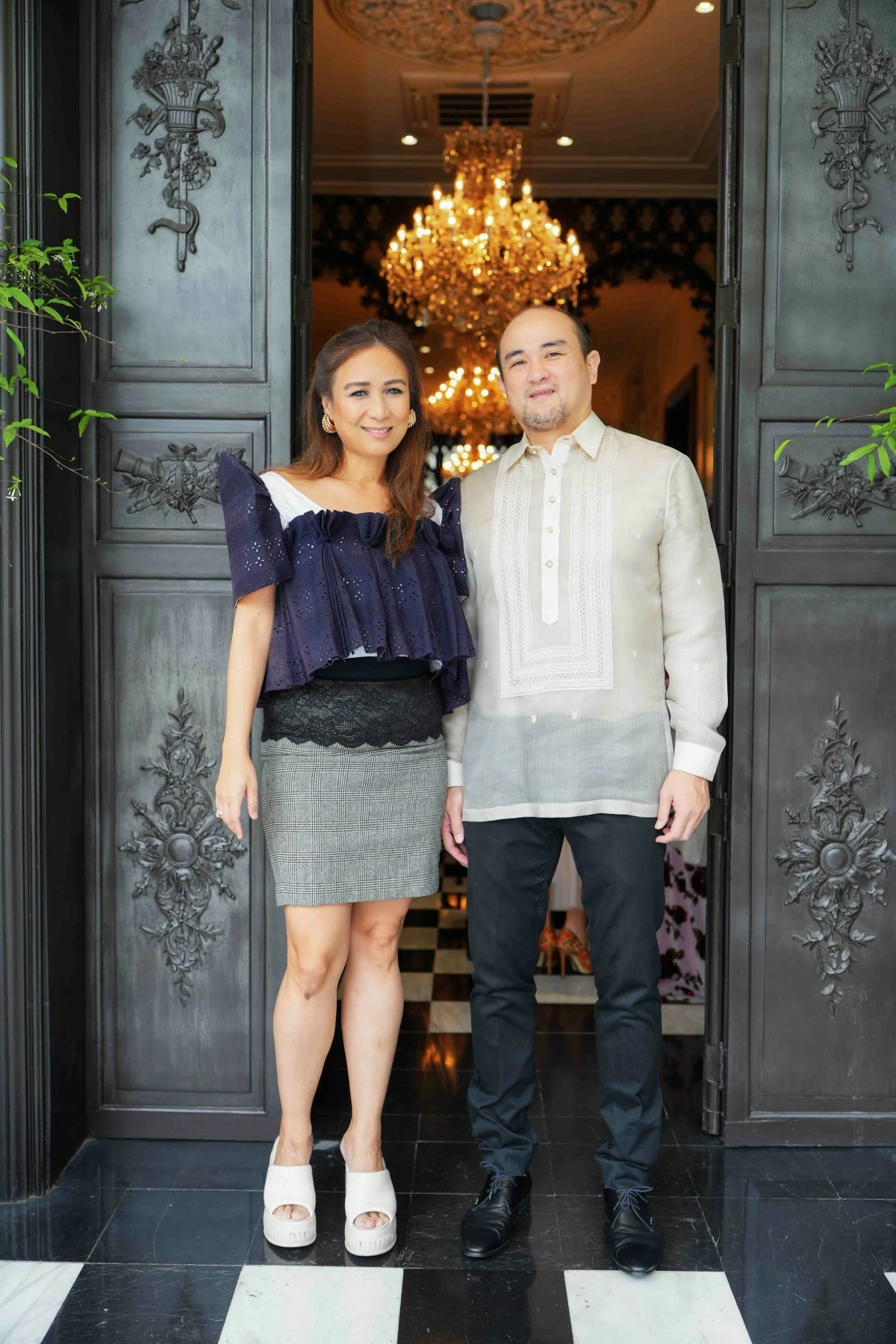
Anna Go-Chia and Gec Chia
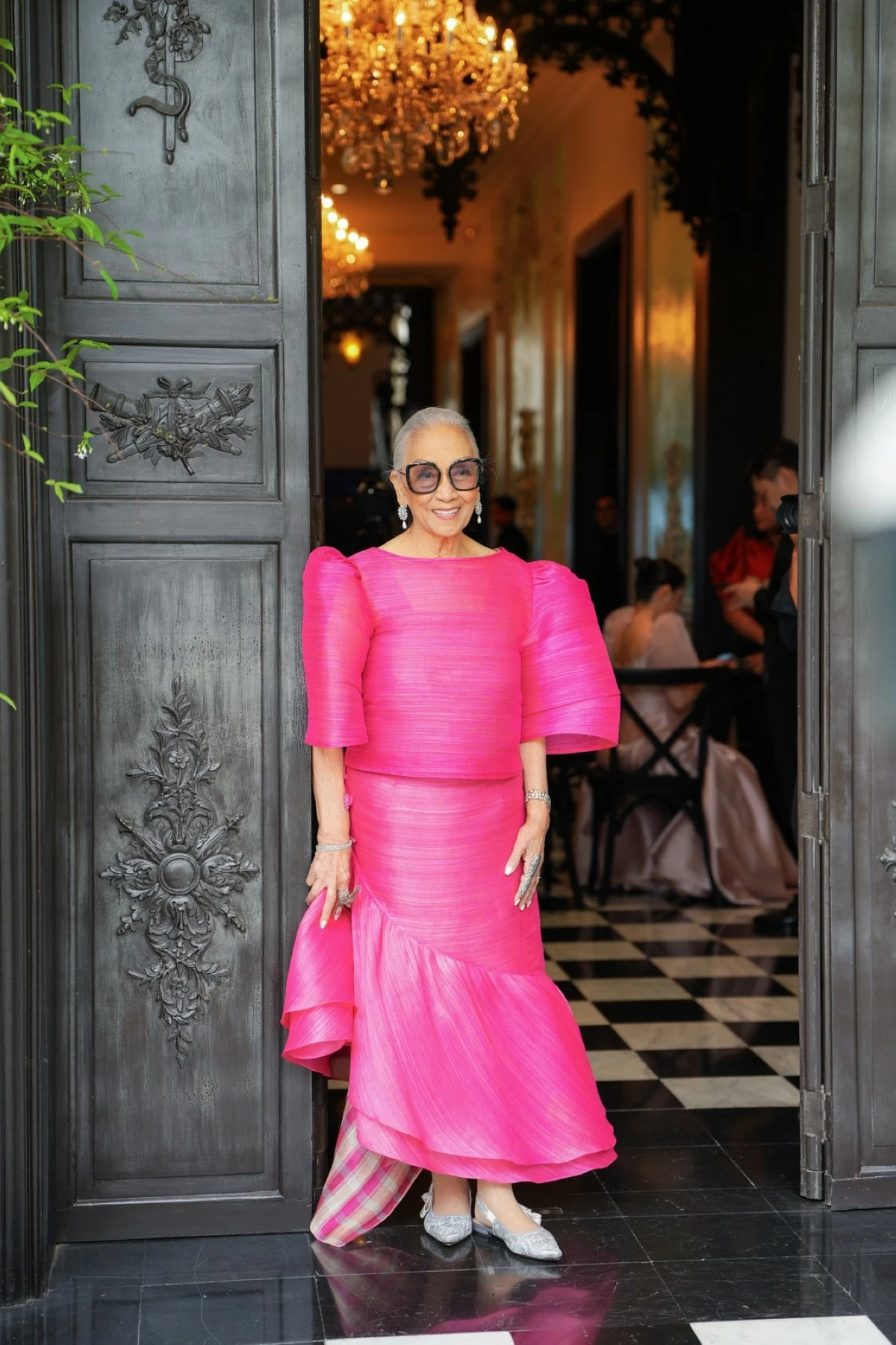
Sonia Olivares
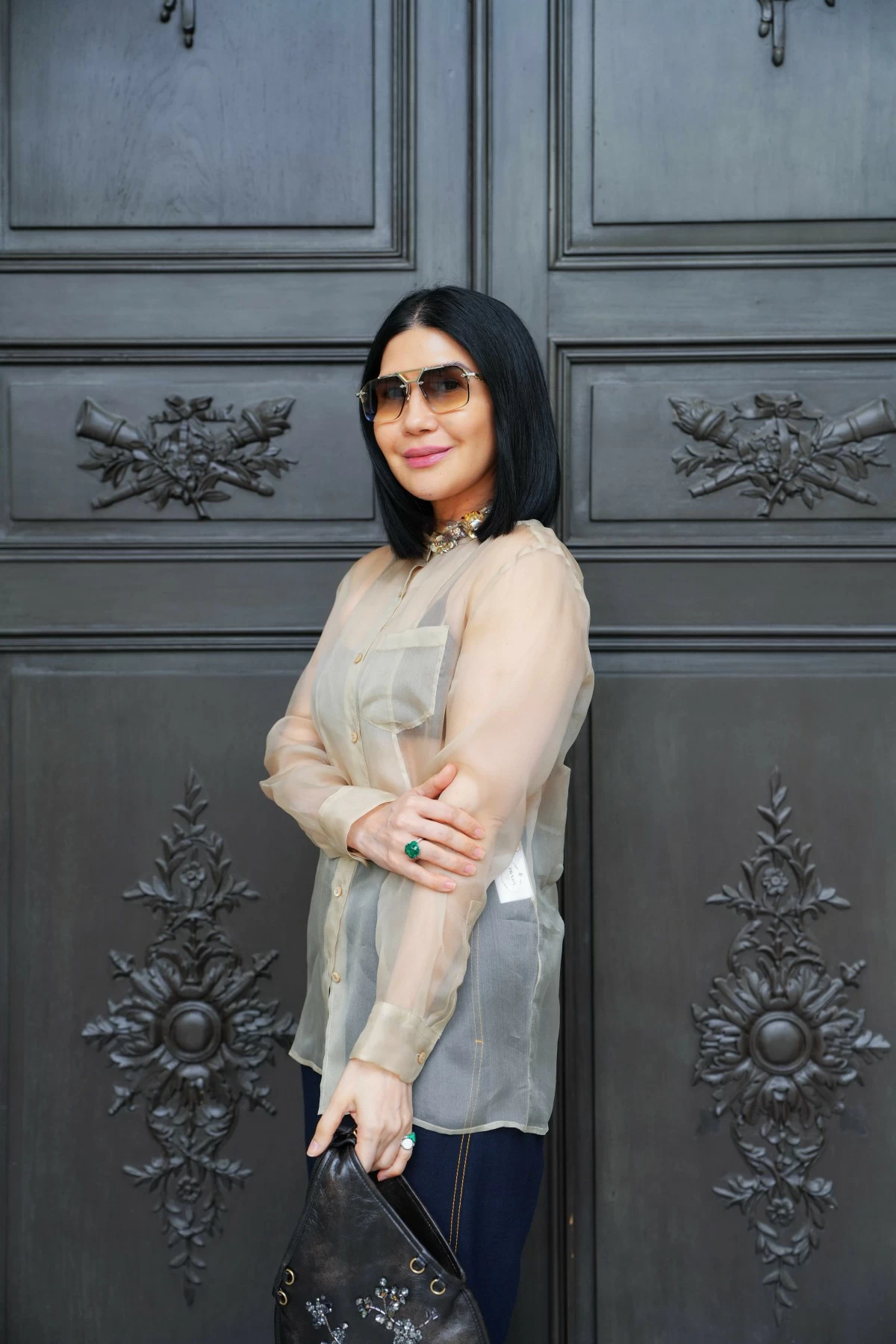
Pam Gonzales Lopez
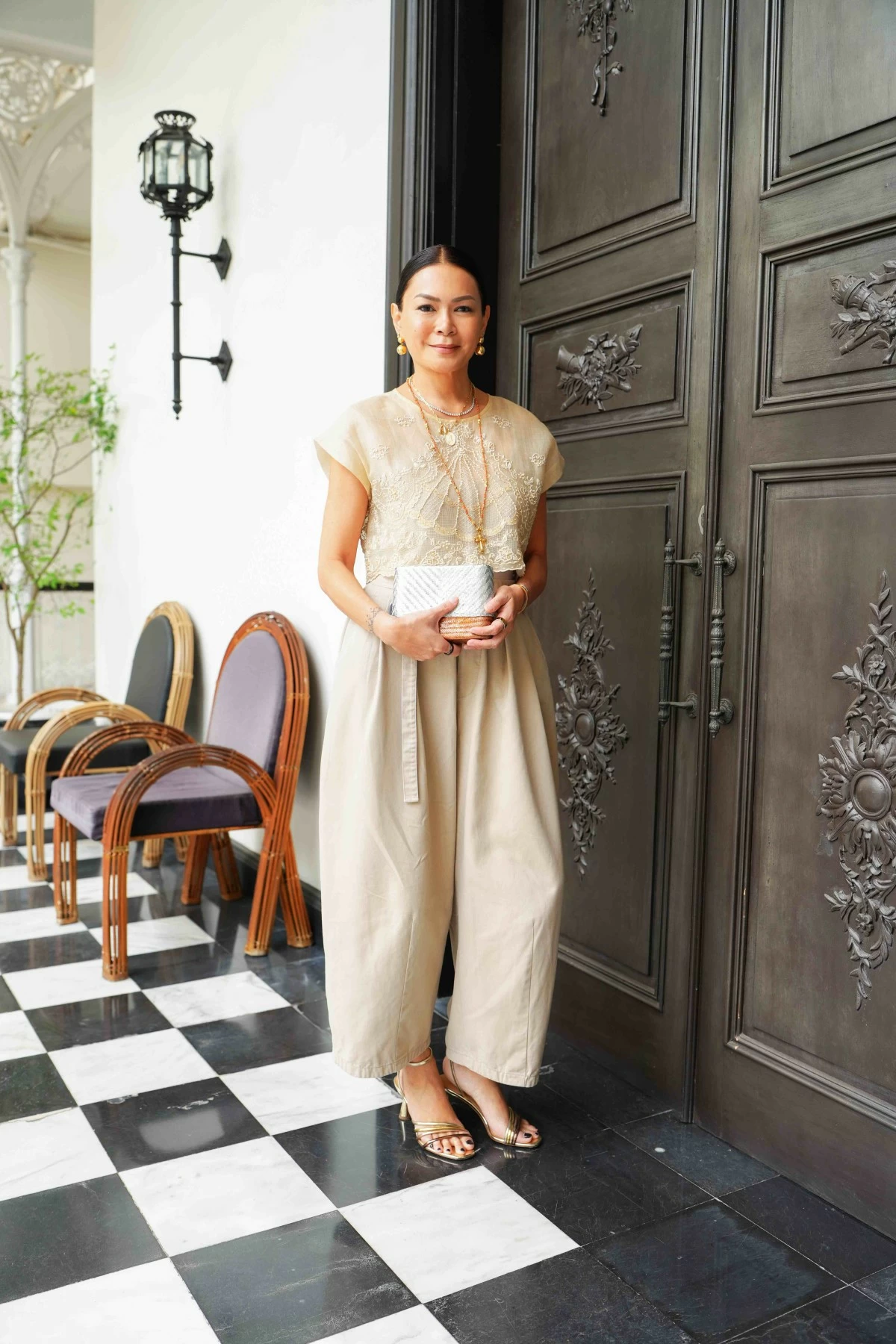
Apple Aberin
For 2026, PIID is rolling out a robust set of initiatives designed to support designers at every stage of their careers.
Among the most notable is the development of tiered training modules, structured into progressive tracks for emerging professionals, senior practitioners, and masterclass-level designers. This system ensures that members remain empowered and future-ready throughout their professional journey.
The organization is also expanding hybrid learning platforms, allowing designers from across the country to participate in training sessions and workshops through online access. Complementing this effort is the newly launched “Design Stories” podcast platform, which creates a space for conversations on the ideas, inspirations, and narratives behind design.
Equally important is PIID’s commitment to nurturing the next generation. Through partnerships with academic institutions, the organization plans to strengthen mentorship, apprenticeship, and professional review programs—bridging the gap between education and real-world practice.
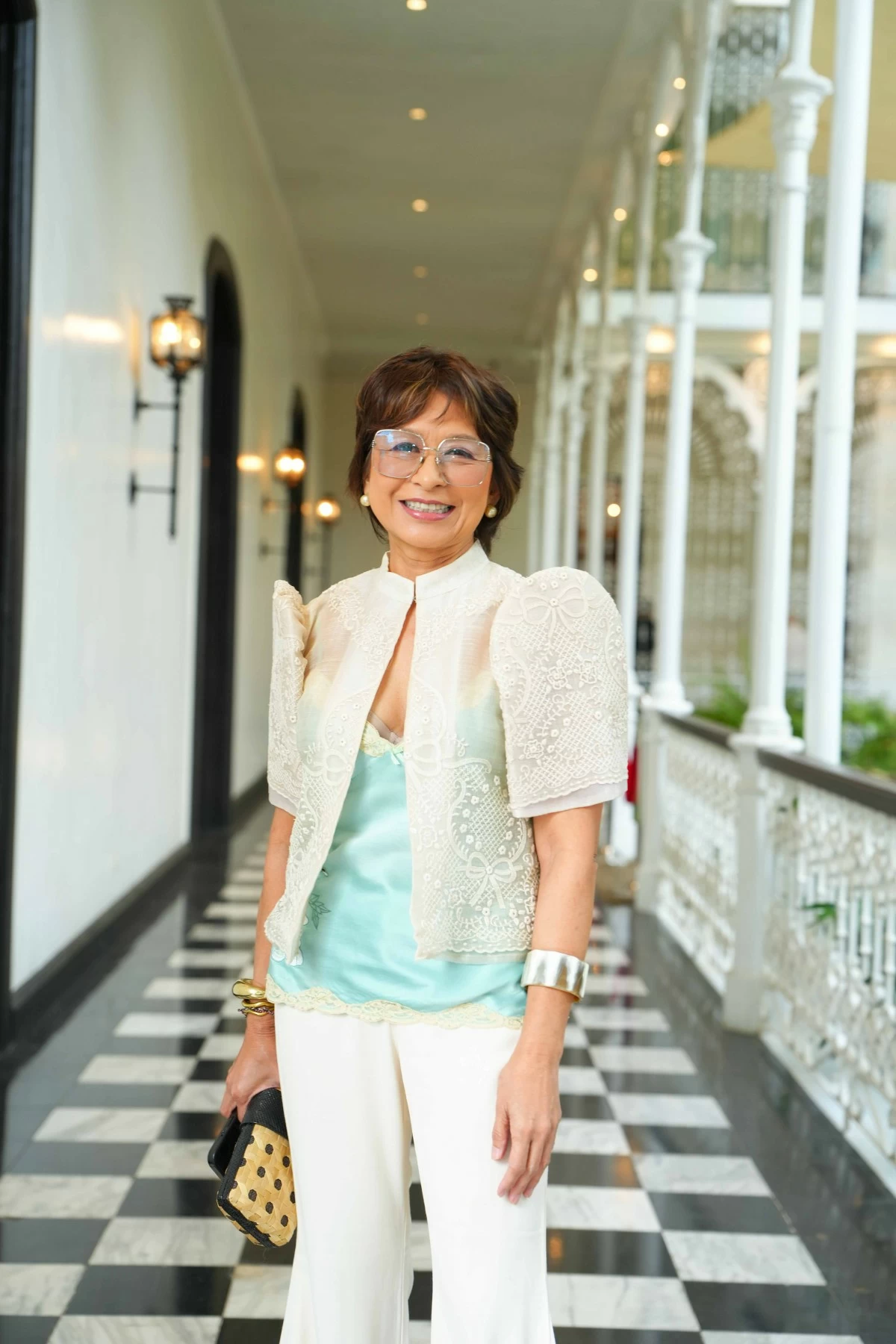
Ces Drilon
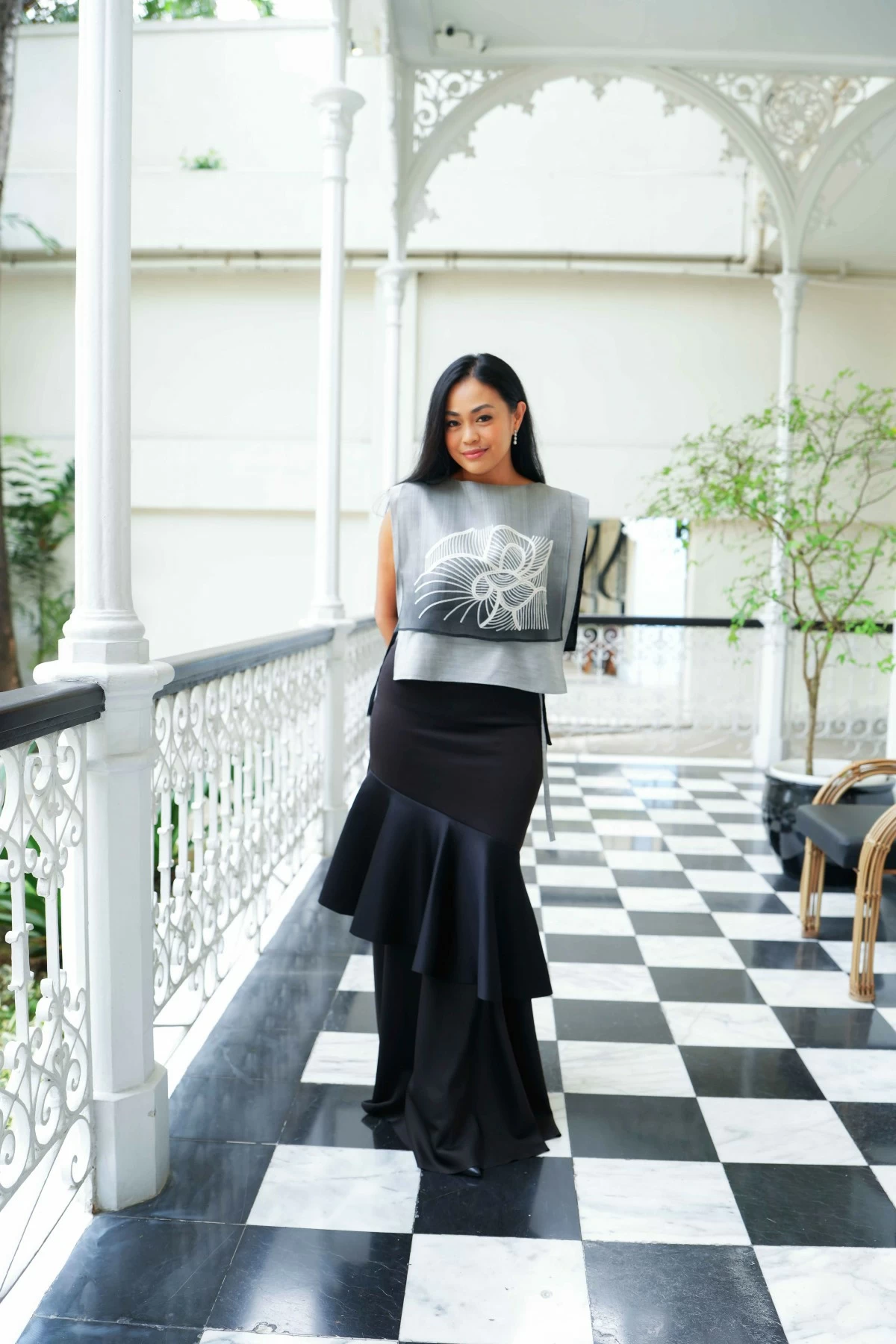
Cyndi Beltran
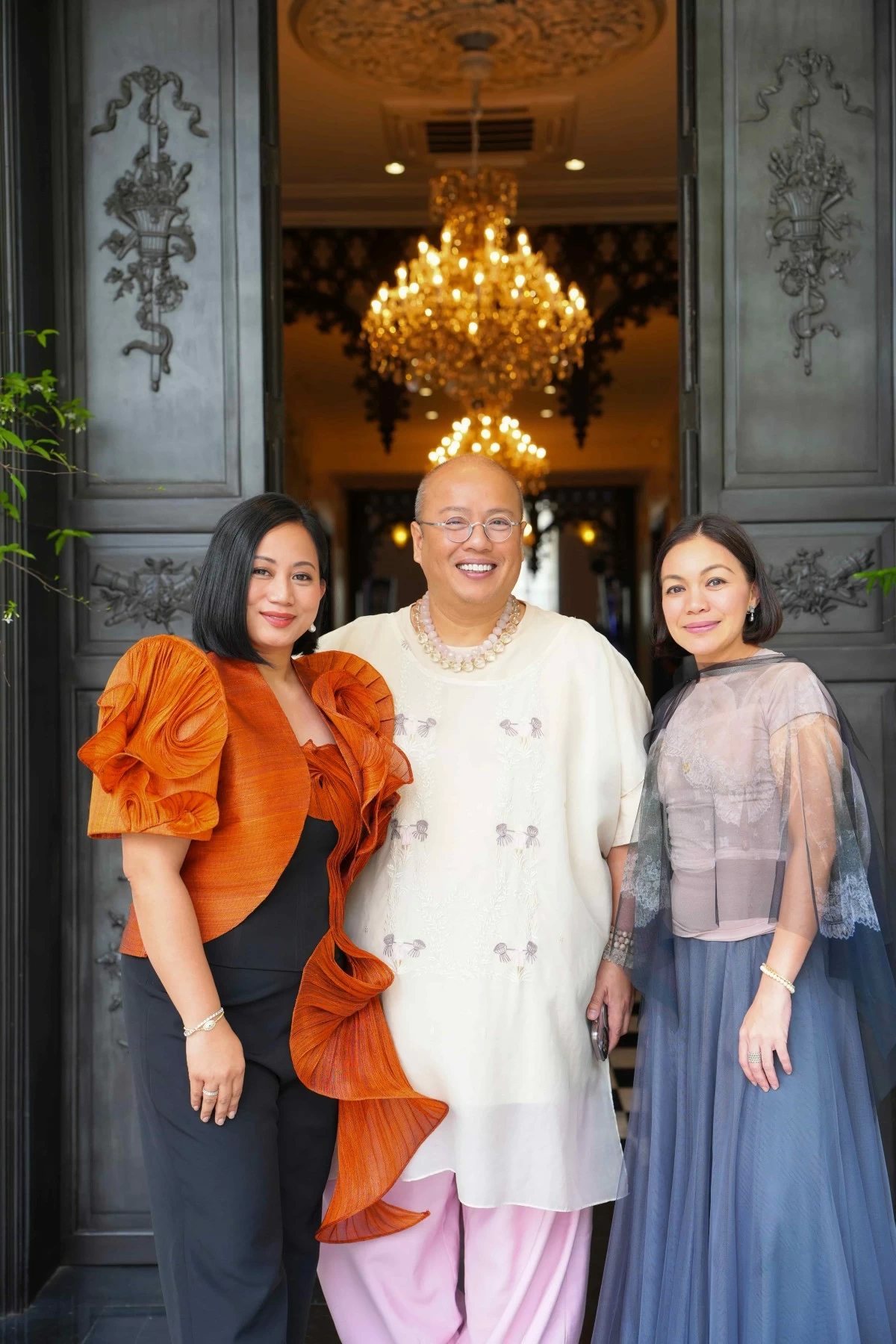
Luis Espiritu and Bianca Salonga
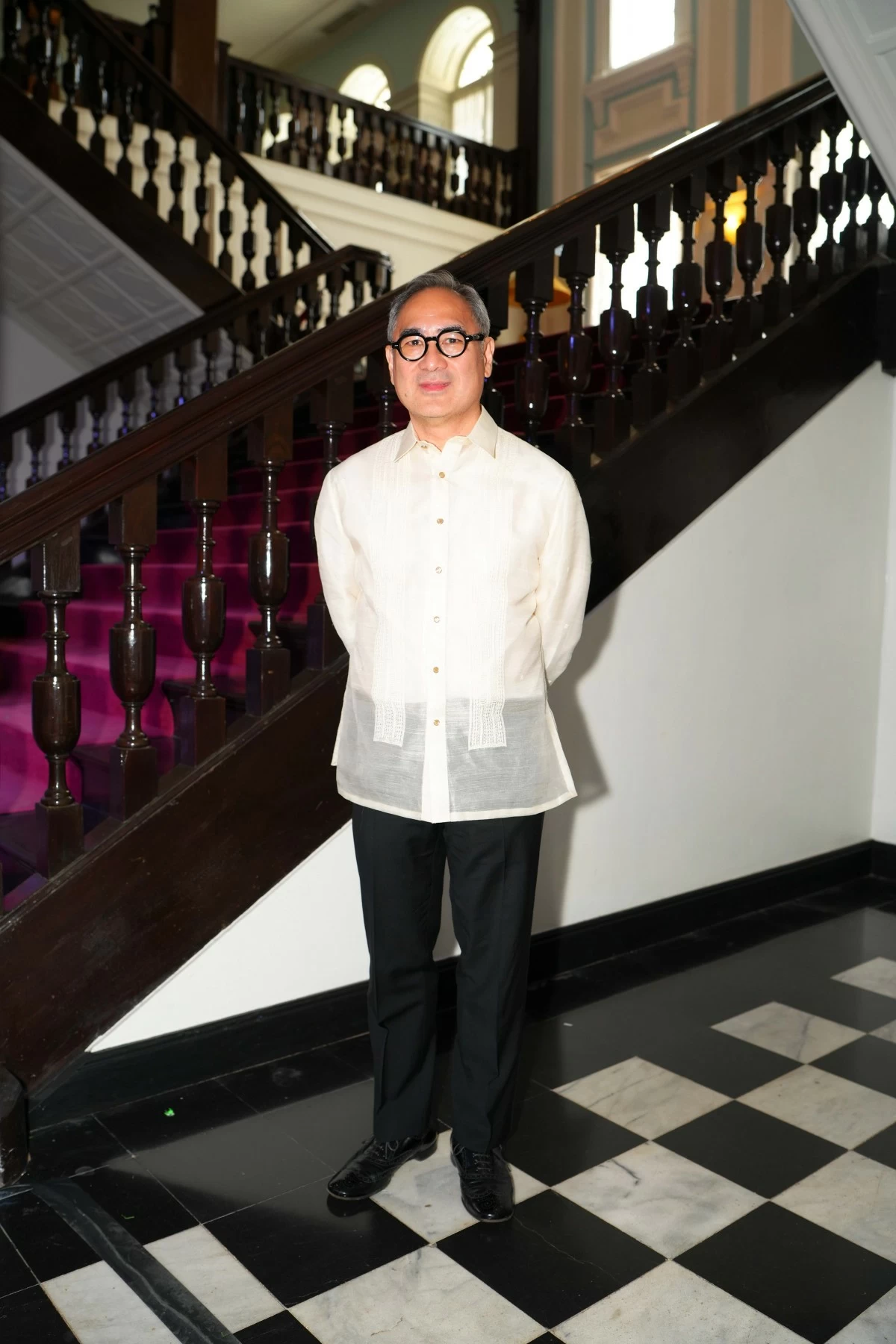
Ed Calma
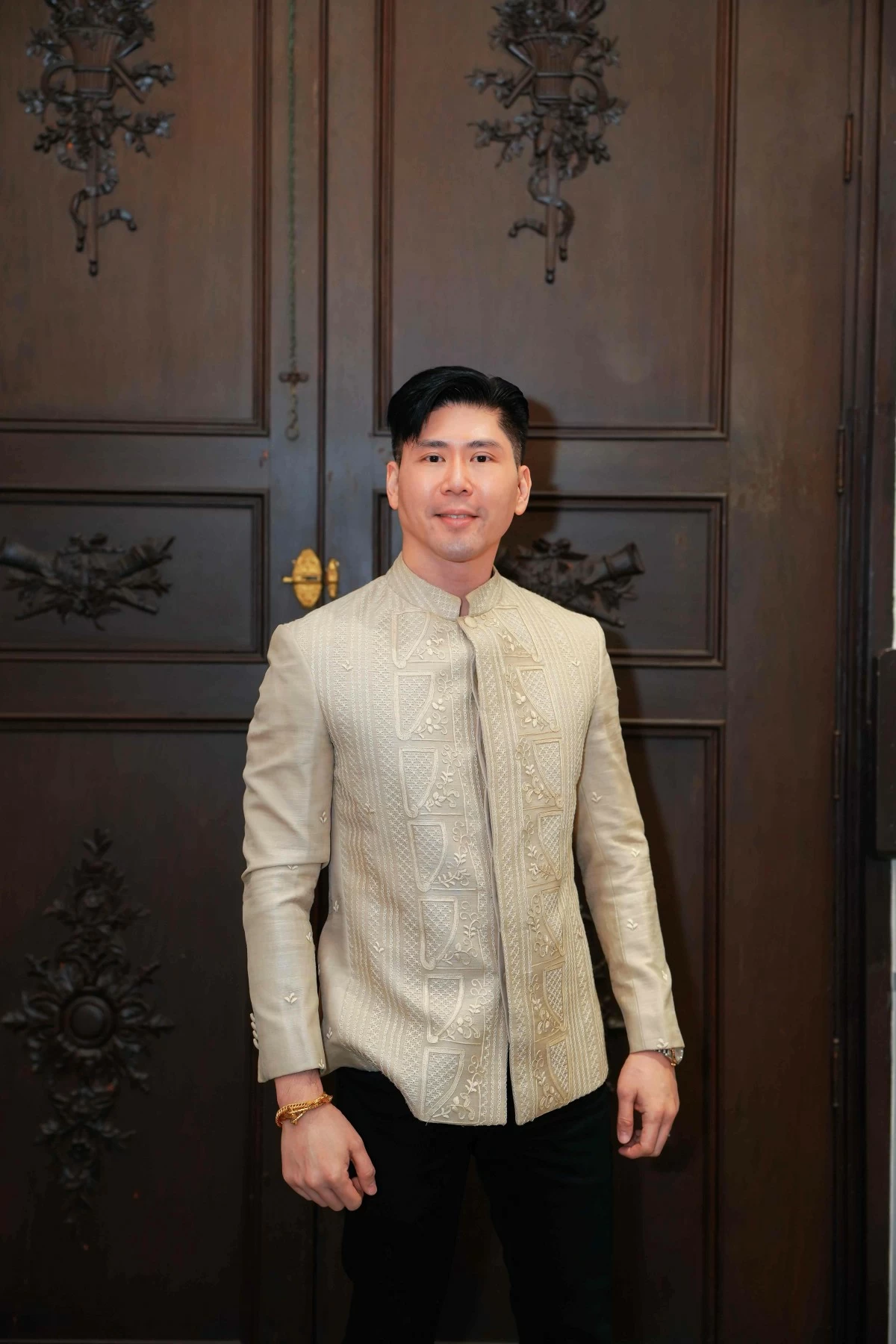
Gerry Sy
Wellness remains a defining pillar of the board’s agenda. Under the Wellness by Design initiative, PIID will introduce programs centered on conscious leadership, mental health, and wellbeing—support systems meant to safeguard the resilience and holistic health of its members.
Beyond Manila, the organization also aims to deepen engagement with provincial chapters in Cebu, Iloilo, and Mindanao, rediscovering local heritage and strengthening ties with regional artisan communities.
Other priorities include reinforcing licensure and professional standards under the Interior Design Code, expanding the Manila Interior Design Summit into a broader multidisciplinary platform, and building stronger connections with Filipino interior designers practicing abroad.
Ultimately, the mission remains clear: PIID exists to serve the profession by supporting designers, strengthening standards, and shaping an ecosystem where Filipino creativity can flourish.