






 Philippines
Metro Manila
MMC assures financial, social aid for residents amid steep surge in fuel prices
Philippines
Metro Manila
MMC assures financial, social aid for residents amid steep surge in fuel prices
MMC assures financial, social aid for residents amid steep surge in fuel prices


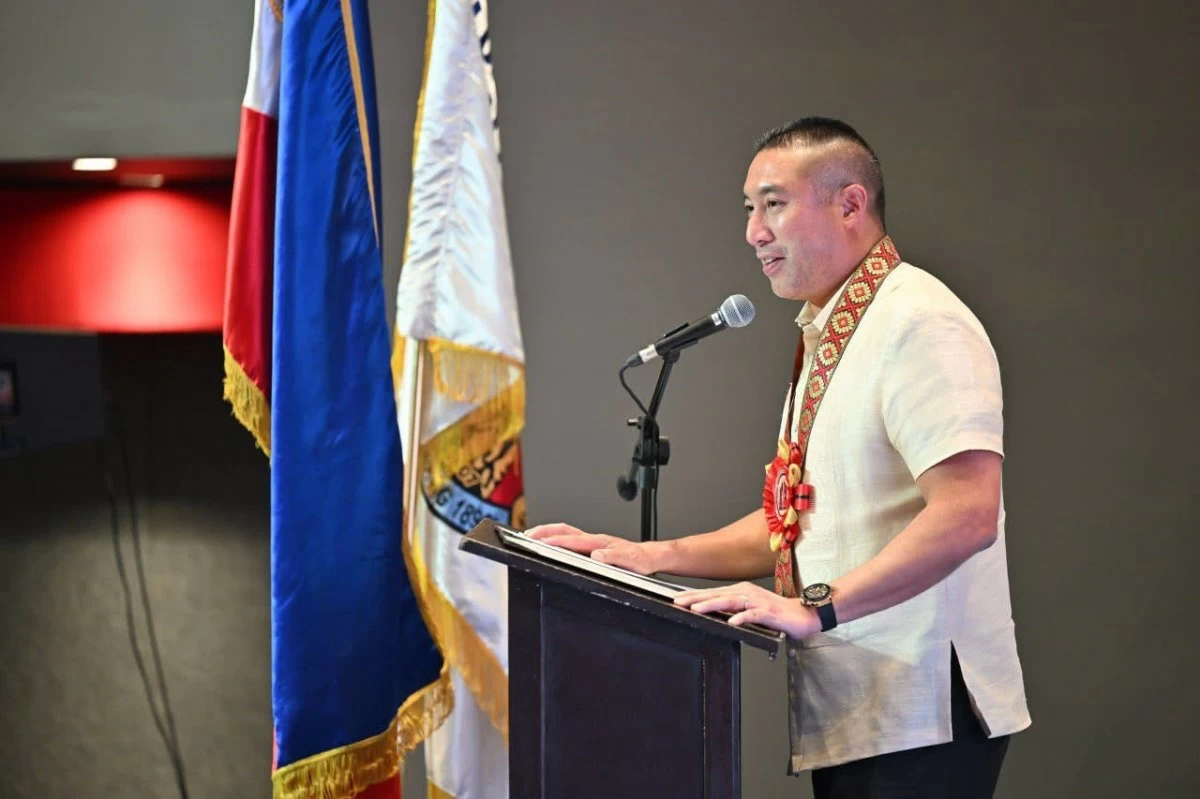
Metro Manila Council (MMC) President and San Juan City Mayor Francis Zamora assured residents in Metro Manila of the national and local government's readiness in providing assistance to individuals affected by the ongoing conflict in the Middle East that has caused prices of crude oil in the world market to surge at a tremendous rate.
In a press briefing at Malacañang Palace on Wednesday, March 11, national and local government officials laid out their plans for helping the public bear the brunt of the adverse economic effects of the war, particularly on the prices of oil and other goods in the Philippines.
Aside from the P5,000 fuel subsidy to be rolled out by the national government for public utility vehicle (PUV) operators and drivers, a rice subsidy initiative will also be launched for middle-class families who will be affected by the possible increase in prices of goods and other commodities, a possible domino-effect scenario caused by the hike in fuel prices.
"Kaya nga ho malaking bagay na ang pamahalaang nasyonal at mga pamahalaang lokal ay nag-uusap sapagkat alam namin ngayon anong mga pondo ang maaaring gamitin. So, kung mayroon ng tatanggapin ang ating public transport sector, natural dapat iyong tatanggap ng bigas iba naman kasi hindi naman puwedeng isang grupo at isang sektor na lang ang parating tumatanggap po ‘no. So, we can now determine who among our constituents will need the rice dahil covered na nga po iyong ating public transport sector. Kung mayroon tayong mga middle class constituents na sa tingin ho natin ay dapat tulungan, puwedeng sila po ang ipasok natin doon sa listahan po ng bigas (That's why it's a big deal that the national government and local governments are talking because we now know what funds can be used. So, if our public transport sector already has something to receive, then it's natural that other people or sectors will be the ones receiving the rice subsidy because it's not possible for one group or one sector to always receive aid. So, we can now determine who among our constituents will need the rice because our public transport sector is already covered. If we have middle class constituents who we think should be helped, we can include them in the rice list)," Zamora explained.
He added that a lot of cities in Metro Manila are considered "big cities" that are capable of distributing additional aid to their residents on top of what the national government and its accompanying agencies are providing.
"Depende na ho iyan sa local government units (LGUs) pagdating sa appropriations po nila at I would like to think that separate from the Department of Social Welfare and Development (DSWD), LGUs have buffer funds pagdating ho sa financial assistance. So, this will be a combination of national government funds and possibly also local government funds (The amount of appropriations will depend on the capabilities of the LGUs. I would also like to think that separate from the DSWD, LGUs also have buffer funds for financial assistance. So, this will be a combination of national government funds and possibly also local government funds)," Zamora noted, stressing that the Local Government Support Fund (LGSF) can also be used in case there's an additional need for an increase in financial and social aid.
Asked about the possible aid for the business sector, the mayor explained LGUs may provide reprieves and other discounts in terms of their city dues depending on the situation.
"We have to, of course, evaluate po muna iyong situation po ‘no, kasi right now iyong transport sector talagang tatamaan dahil ang tumataas directly ay iyong presyo ng langis ‘no. Pagdating ho sa ibang mga negosyo, the mayors will study and evaluate the situation. At any point naman ho that we feel that we have to make necessary discounts in terms of iyong mga binabayaran nila, through the local sanggunian naman po ay puwede iyan (We have to evaluate the situation first because right now, the transport sector will be really hit because the price of oil is directly going up. When it comes to other businesses, the mayors will study and evaluate the situation. At any point that we feel that we have to make necessary discounts in terms of their payments, then we will immediately do so through our respective local councils)," Zamora said.
"Depende ho talaga iyan sa magiging sitwasyon po natin. So, hihingi rin kami ng guidance of course sa Department of the Interior and Local Government (DILG) and sa ating national government kung ano iyong mga hakbang na dapat pong gawin. Pero sa ngayon po, dahil ang direktang naapektuhan nga ay iyong public transport sektor dahil nga ho sa pagtaas ng presyo ng langis, ito ho muna iyong initial intervention po natin (It really depends on our situation, so we will also seek guidance of course from the DILG and the national government on what steps should be taken. But for now, because the public transport sector is directly affected by the increase in oil prices, this is our initial intervention)," he added.