






Manila Bulletin
 Lifestyle
Fashion and Beauty
Eilene Ramirez and Hannah Torres redefine bespoke tailoring leadership
Lifestyle
Fashion and Beauty
Eilene Ramirez and Hannah Torres redefine bespoke tailoring leadership
Lifestyle
Fashion and Beauty
Eilene Ramirez and Hannah Torres redefine bespoke tailoring leadership
Eilene Ramirez and Hannah Torres redefine bespoke tailoring leadership
Published Mar 12, 2026 06:56 am


Reports project that by 2026, the global fashion industry will generate about $1.89 trillion in revenue, with womenswear accounting for the largest share at an estimated $990 billion. Studies also show that around 60 to 70 percent of fashion purchases are made by women. Yet despite being the industry’s biggest consumers, women remain underrepresented in leadership roles across many major fashion houses and brands.
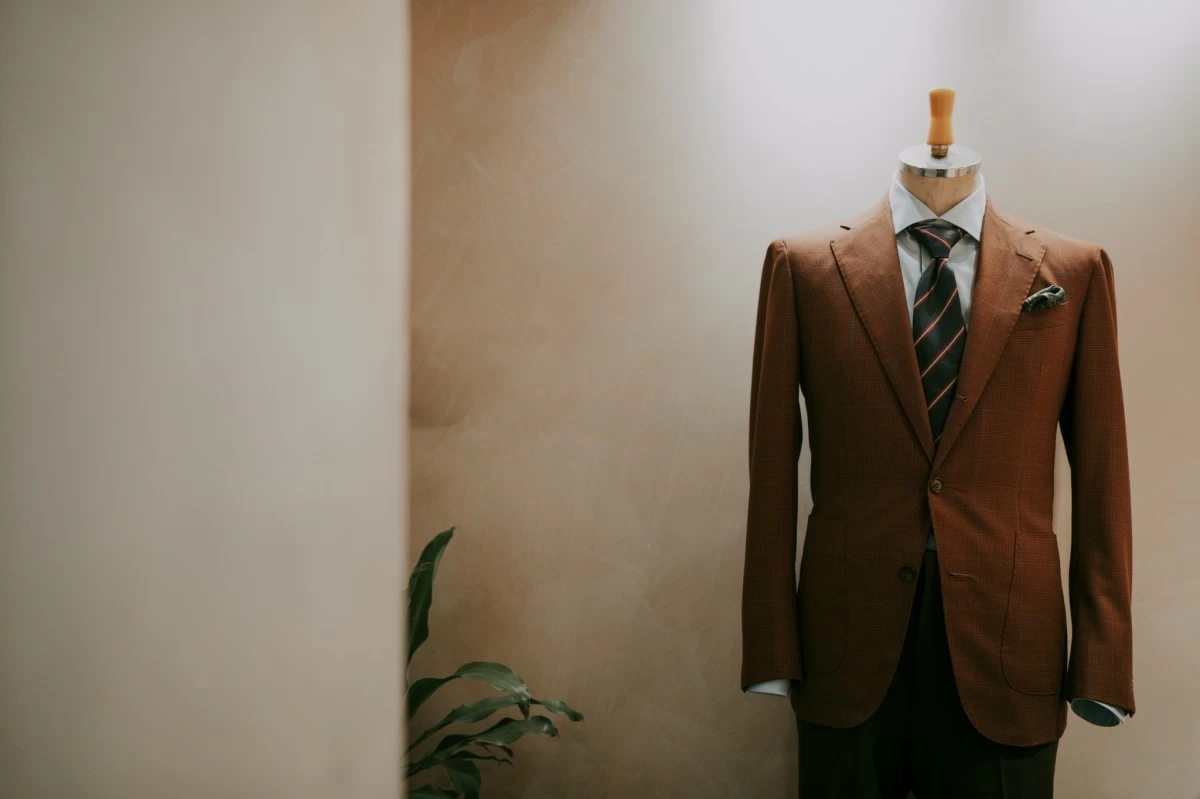
That narrative, however, does not apply to Filipino bespoke brand Tiño Group. What began as Tiño Suits, a tailoring house known for its men’s bespoke suits, has evolved into a broader platform with several brands under its umbrella. At the helm are two women shaping its direction: CEO Eilene Ramirez and COO Hannah Torres. In an interview with Manila Bulletin Lifestyle, the pair shared how they navigate leadership in a traditionally male-dominated craft while ensuring the brand continues to honor its tailoring heritage.
Built from heritage
For Eilene, the foundation of Tiño remains rooted in the discipline established by her father, master tailor Nap Arienza, who has spent more than five decades practicing bespoke tailoring. His approach, defined by patience, precision, and respect for the client, continues to guide the house today.
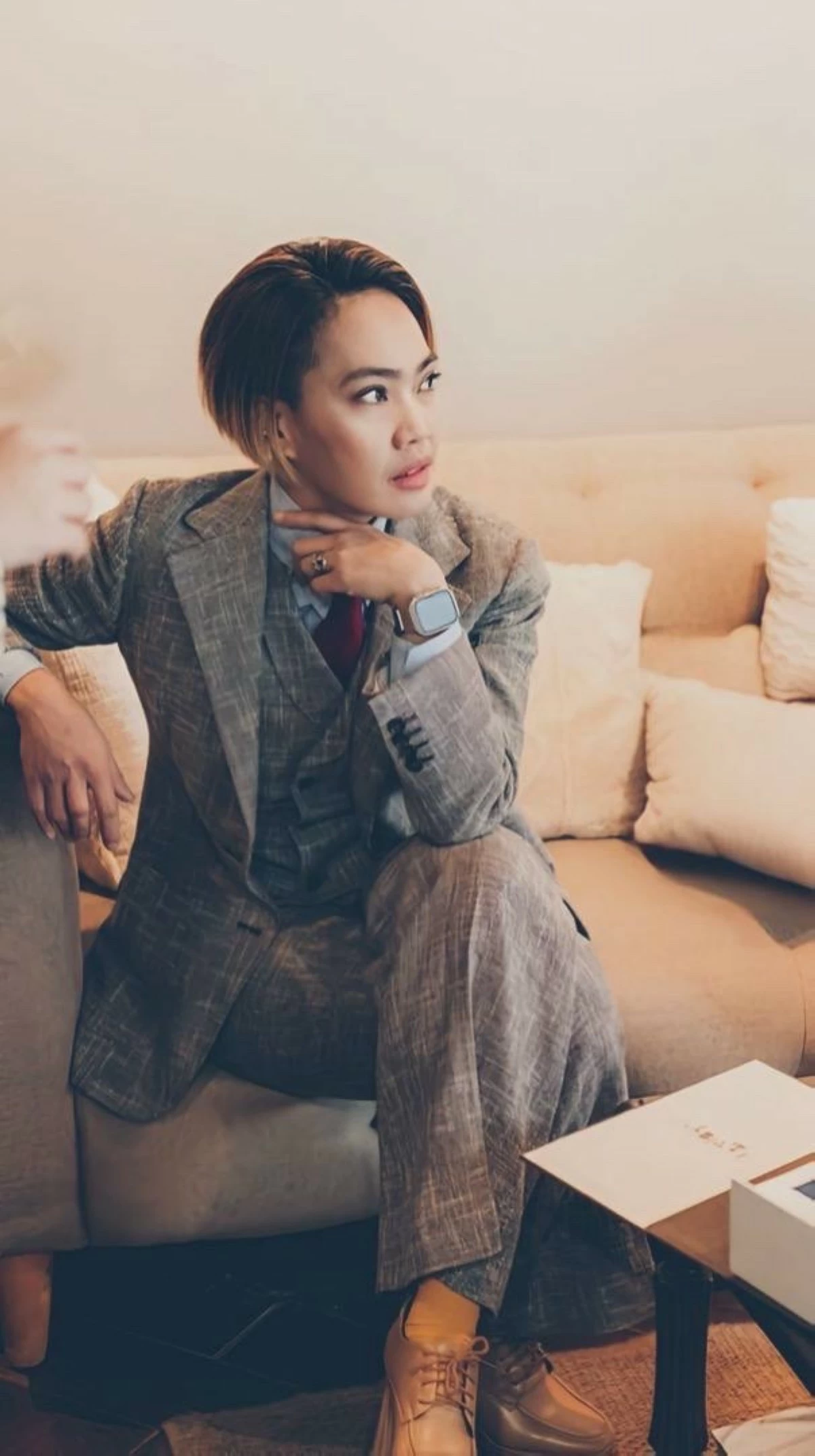
Eilene Ramirez
“At the heart of Tiño is the craft that built the house,” she says. “But honoring legacy does not mean preserving it in a static way. Craft survives when it evolves alongside the needs of the present.”
Recognizing this need to evolve, Eilene expanded the original tailoring house into what is now Tiño Group. Today, it functions as a broader platform that places craftsmanship at the forefront through bespoke tailoring, garment development, partnerships with heritage fabric houses, and initiatives that support Filipino-led creative industries.
“Expanding the ecosystem is how we continue honoring the legacy of the house while allowing it to grow into the future,” she says.
Honoring world-class skills
The world of tailoring, particularly at the master level, has long been dominated by men. Hannah acknowledges this history, noting that the technical side of tailoring often requires decades of training in pattern-making and garment construction.
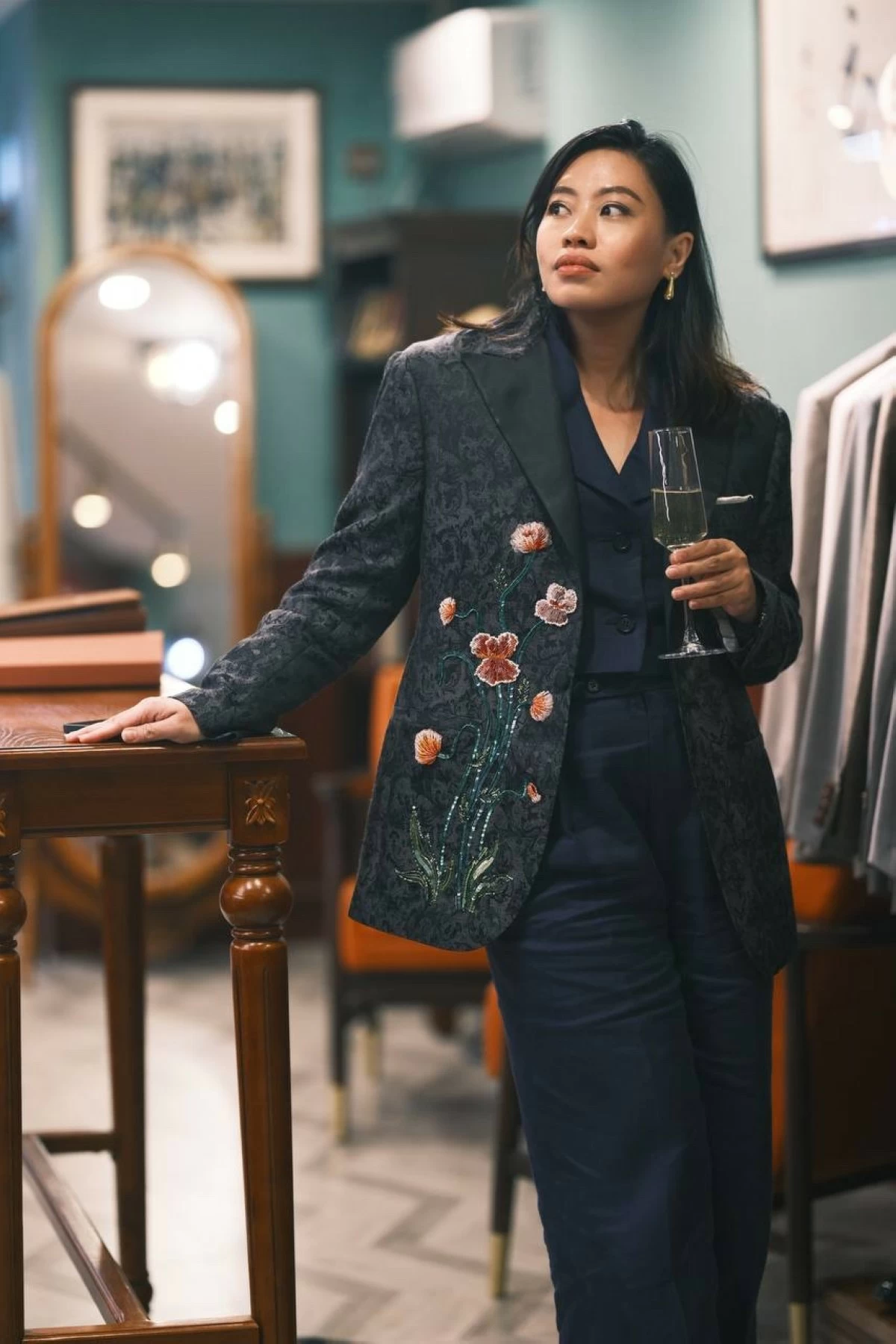
Hannah Torres
The company’s tailoring floor continues to be led by seasoned craftsmen, including Nap himself, whose decades of experience remain the backbone of the house. While the master tailor safeguards the craft, Eilene and Hannah focus on building the structures that allow it to thrive. Eilene sets the overall vision of the group, particularly in championing craftsmanship. Hannah, who previously worked in global luxury house LVMH, translates that vision into commercial platforms that support sustainable growth.
“The master tailor protects the craft,” Hannah says. “Our role is to build the ecosystem that allows that craft to continue thriving.”
Part of that ecosystem involves partnerships with heritage fabric houses such as Loro Piana, Piacenza, Cerruti, and Zegna. These collaborations help maintain international standards while strengthening the brand’s identity as a Filipino house built on craftsmanship.
Beyond fabric partnerships, the group also collaborates with craftsmen across different disciplines, from tailoring and shoemaking to ready-to-wear and other lifestyle traditions that share the same respect for craftsmanship. Rather than presenting these collaborations as campaigns, the house creates environments where clients naturally encounter different traditions of craft through curated garments and visiting artisans.
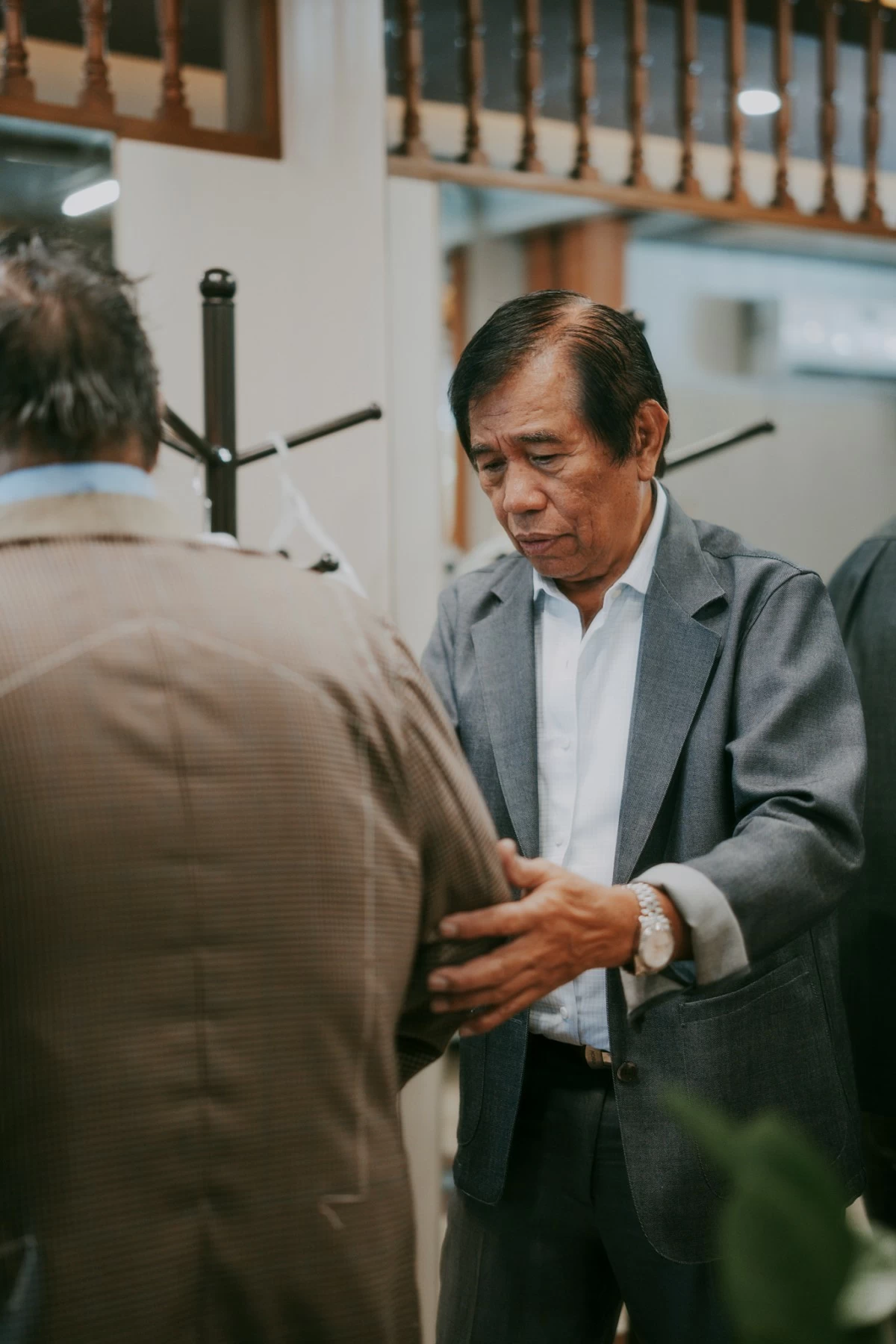
Nap Arienza
Translating craft for today
Another challenge for the leadership team is translating decades of tailoring knowledge into something that resonates with modern clients. According to Eilene, much of a master tailor’s expertise is not written down but developed through years of observation and repetition.
“One way is through storytelling,” she says. “Helping clients understand the people behind the garments, the discipline required to produce them, and why craftsmanship still matters today.”
Equally important is creating platforms where people can gradually discover tailoring through different experiences within the group.
“Generational knowledge should not remain confined to the workshop,” she says. “It should become part of how people experience clothing today.”
A brand for women
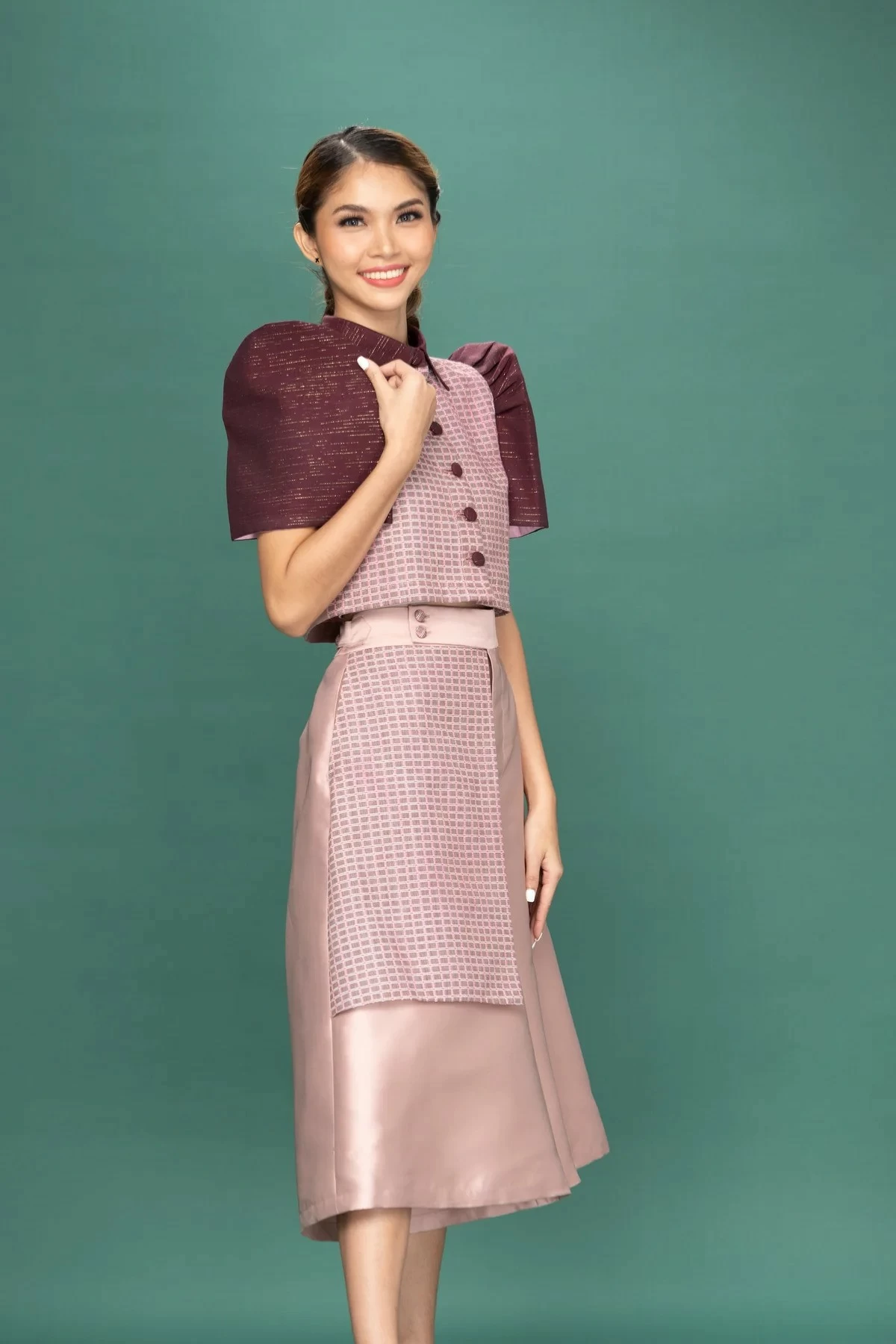
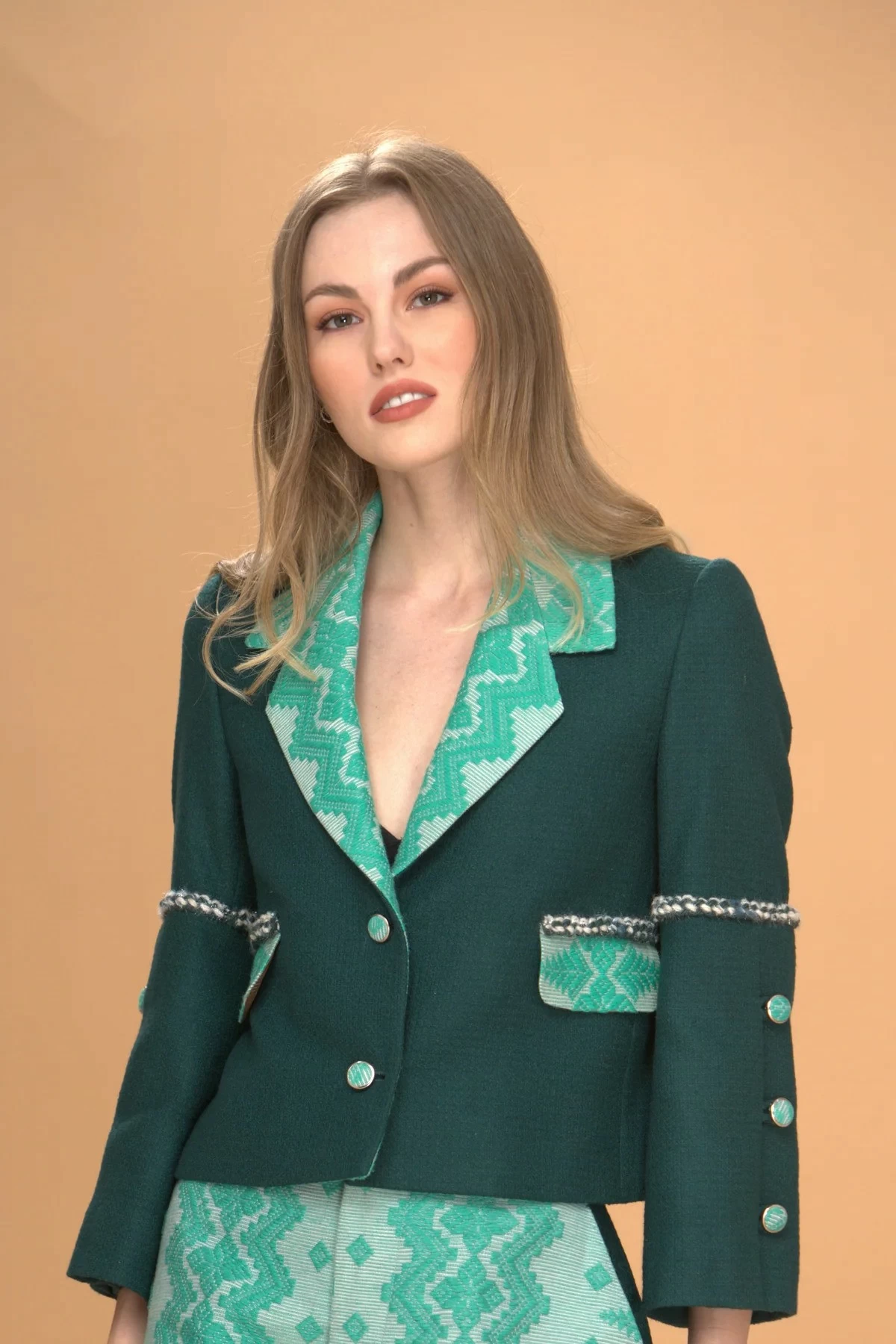
Eilene has also played a key role in expanding bespoke tailoring for women. After establishing Tiño Suits in 2012, she later founded Olpiana Andres, a womenswear bespoke brand created to address a gap in the market.
At the time, bespoke tailoring in the Philippines was largely centered on menswear. Women who appreciated tailored clothing had limited options designed specifically for their bodies.
Rather than simply adapting menswear techniques, the brand was built as a womenswear house rooted in the same discipline of craftsmanship, with garments defined by precision in cut, strong structure, and pieces made around the individual wearer. The brand also explores connections between tailoring and different traditions of dress, including Asian garments such as the qipao and cheongsam.
“The goal is always respectful dialogue between traditions of dress while developing a distinct identity for the house,” Eilene says.
The value of slow fashion
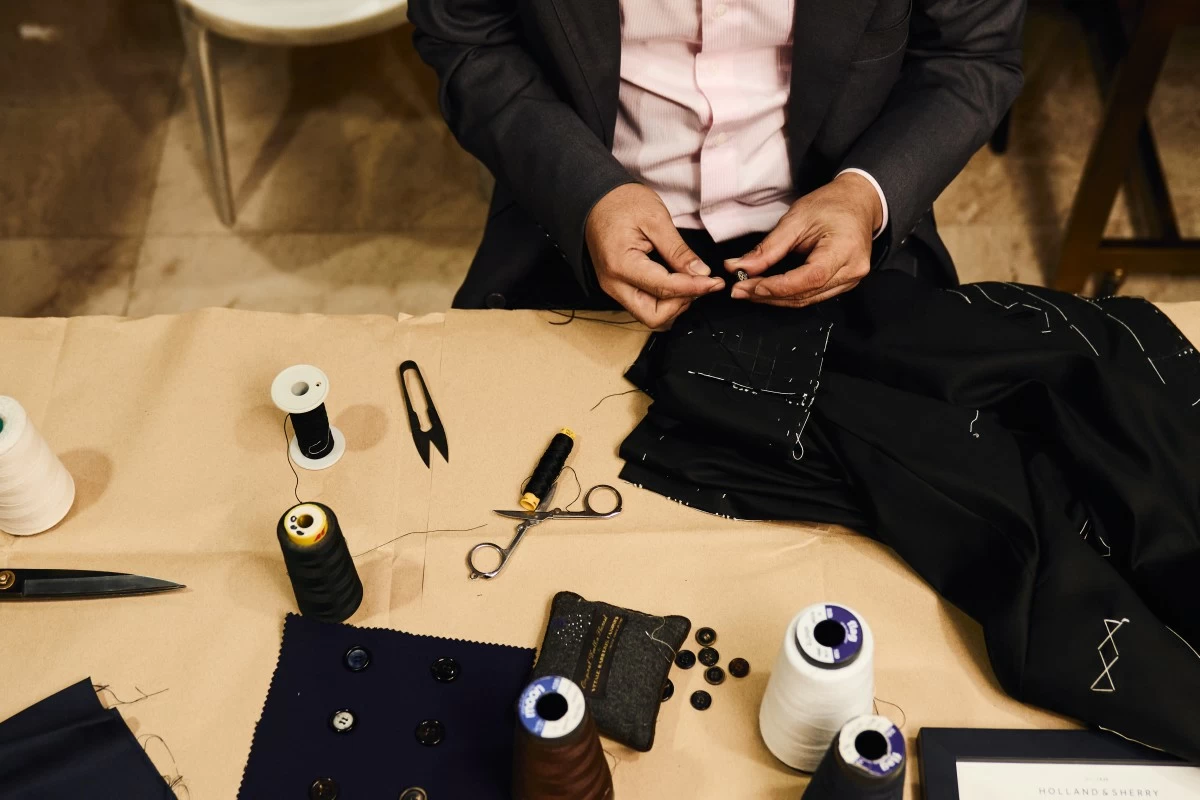
In an era dominated by fast fashion and instant consumption, convincing clients to invest in bespoke tailoring can be challenging. Yet Eilene believes the rapid pace of fashion has also renewed appreciation for garments made with care.
“Fast fashion has accelerated how people consume clothing, but it has also created a renewed appreciation for things that are made with care,” she says.
Bespoke tailoring represents the opposite philosophy. Each garment is made specifically for the client and designed to last for years, emphasizing longevity rather than immediacy. Through Tiño Group, Eilene hopes to build an environment where craftsmanship can continue to flourish while supporting Filipino creative industries.
“Our ambition is not only to build garments, but to help build an ecosystem where Filipino craftsmanship can thrive,” she says.
As Women’s Month highlights female leadership across industries, Eilene hopes their journey can inspire young Filipinas to build brands rooted in heritage and creativity.
“Building something rooted in craft requires patience and conviction,” she says. “Trends move quickly, but craftsmanship develops slowly.”