







DOLE expands livelihood programs to vulnerable workers
By Trixee Rosel
Published Mar 12, 2026 03:18 pm


At A Glance
- DOLE updates TUPAD and Kabuhayan programs under DO 239-B, Series of 2026.
- Coverage includes guardians of child laborers, micro-entrepreneurs, parents, indigenous peoples, TESDA graduates, and labor organization members.
- Programs help beneficiaries transition to sustainable income.
- TUPAD wages delivered via remittance, digital platforms, or authorized paymasters.
- Kabuhayan funds strictly for sustainable livelihood projects.
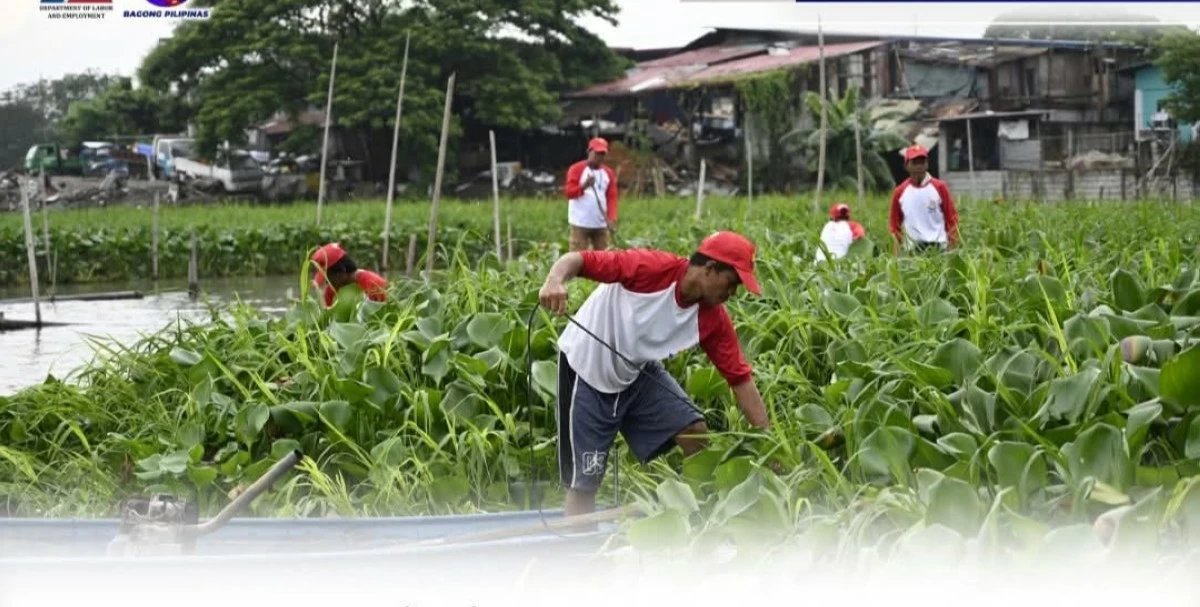
The Department of Labor and Employment (DOLE) is widening access to livelihood and emergency employment programs for vulnerable Filipino workers through updated Tulong Panghanapbuhay sa Ating Disadvantaged Workers (TUPAD) and Kabuhayan guidelines.
Under Department Order No. 239-B, Series of 2026, the revised rules now cover guardians of child laborers, micro-entrepreneurs assisted through DOLE’s Technical and Advisory Visits, and parents.
They also include indigenous peoples, TESDA graduates, and members of labor organizations.
The programs aim to help beneficiaries transition to sustainable sources of income after receiving support.
DOLE said TUPAD wages are delivered through money remittance services, digital platforms, or authorized paymasters, while ensuring the work does not replace regular or contractual employees.
“Only one eligible family member per household may receive TUPAD assistance annually, except in cases of calamities,” the department said.
“The ‘family’ is defined as the nuclear family, solo parents, or single guardians living with their children,” it added.
Pregnant beneficiaries and persons with disabilities must submit certification of fitness to work.
Beneficiaries unable to claim wages personally may authorize immediate family members to receive payment with proper identification, or present a death certificate if the beneficiary has passed away.
TUPAD assignments cover disaster response, emergency preparedness, environmental conservation, early recovery, rehabilitation, and administrative tasks.
Kabuhayan funds are strictly allocated to sustainable livelihood projects and cannot be used for motor vehicles, micro-lending, or major construction works.