






Manila Bulletin
 Philippines
National
'A silent but deep wound': Erwin Tulfo seeks review, tougher enforcement of Anti-Bullying Act
Philippines
National
'A silent but deep wound': Erwin Tulfo seeks review, tougher enforcement of Anti-Bullying Act
Philippines
National
'A silent but deep wound': Erwin Tulfo seeks review, tougher enforcement of Anti-Bullying Act
'A silent but deep wound': Erwin Tulfo seeks review, tougher enforcement of Anti-Bullying Act
By Dhel Nazario
Published Mar 12, 2026 02:07 pm


At A Glance
- Erwin Tulfo has urged the Senate to review and strengthen the country's anti-bullying law, citing the continued prevalence of harassment and intimidation in schools more than a decade after its enactment.
Erwin Tulfo has urged the Senate to review and strengthen the country’s anti-bullying law, citing the continued prevalence of harassment and intimidation in schools more than a decade after its enactment.
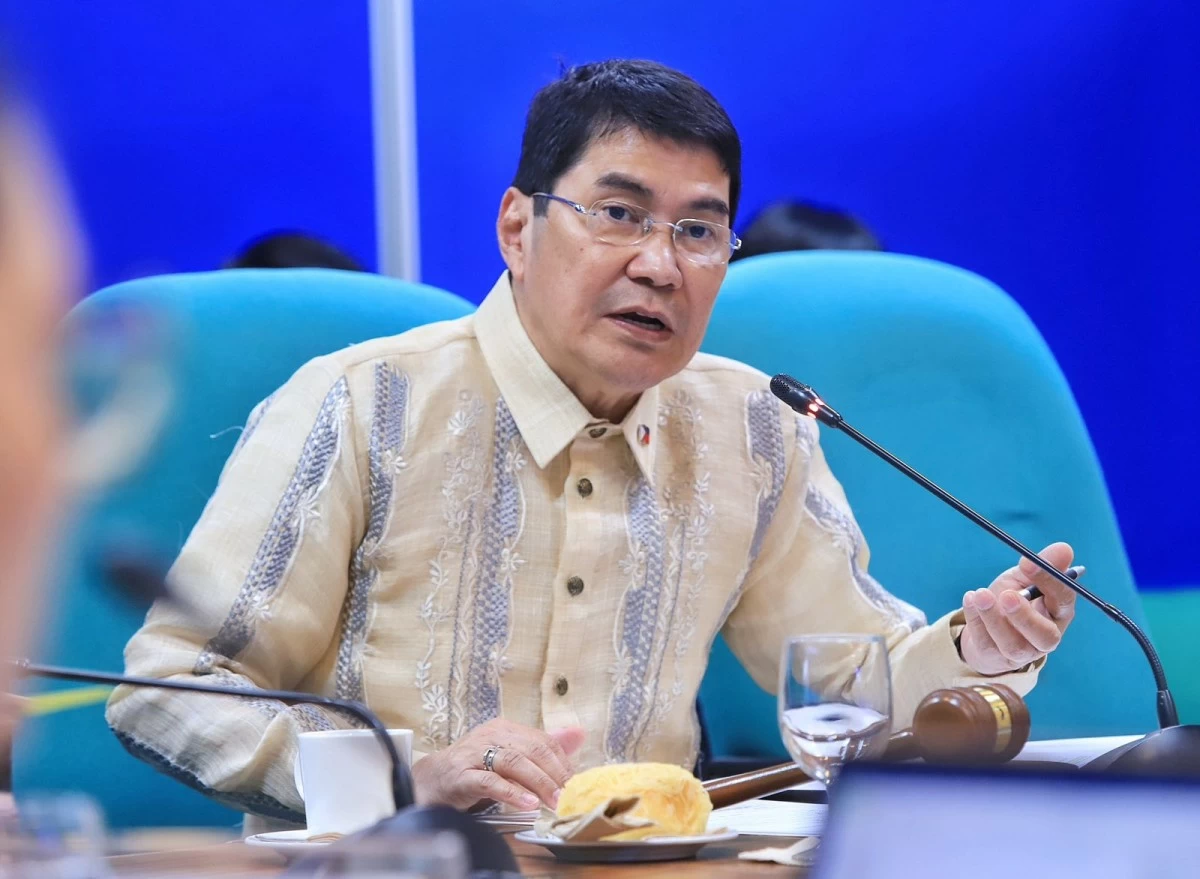
Senator Erwin Tulfo (Senate PRIB photo)
In a privilege speech, Tulfo described bullying as a “silent but deep wound” in the Philippine education system, particularly in public schools in the provinces, despite the passage of Republic Act No. 10627 or the Anti-Bullying Act of 2013.
Tulfo said the law was meant to ensure that every Filipino child could attend school with dignity, safety, and respect, but lawmakers must now determine whether it remains sufficient and effectively implemented.
“I often receive complaints from parents and even from students themselves, Mr. President—and the complaints are always the same: they are teased, laughed at, and belittled simply because of their physical appearance or their situation in life,” Tulfo said.
He said many students are bullied because of their physical appearance, health conditions, or socioeconomic status, noting that some children are mocked for being undernourished, overweight, or poor.
“This kind of ridicule is not a simple joke. It is a wound that slowly destroys a child’s confidence, dignity, and dreams,” he added.
Tulfo stressed that schools should serve as safe spaces for children, but for some students, the classroom has instead become a place of fear and humiliation.
He noted that the Department of Education has acknowledged the need to strengthen anti-bullying efforts. In DepEd Memorandum No. 090, series of 2025, the agency directed wider dissemination and implementation of the revised implementing rules and regulations of the Anti-Bullying Act.
Despite these efforts, Tulfo said bullying incidents continue to be reported annually. He also pointed to evolving forms of bullying in the digital age, noting that harassment now extends beyond the classroom through social media and messaging platforms.
“Bullying today no longer happens only inside the classroom—it also happens on cellphones, in chats, and on social media,” Tulfo said, warning that such harassment has driven some young people to take their own lives.
Tulfo identified several gaps in the current law, including weak accountability mechanisms for schools that fail to enforce anti-bullying policies, a shortage of guidance counselors and mental health support services, and the absence of a comprehensive national monitoring system for bullying cases.
Without reliable data, he said, policymakers face difficulty crafting effective solutions.
To address these gaps, Tulfo proposed reviewing the Anti-Bullying Act to strengthen enforcement and clarify accountability.
He suggested stricter disciplinary measures against repeat offenders. For a first offense, a student found guilty of bullying could face immediate suspension along with mandatory counseling and intervention programs.
For a second offense, particularly if it involves physical harm or serious injury, lawmakers could consider stronger penalties such as expulsion, he said.
“Our goal is not to destroy the future of a child who bullies, but we also cannot ignore the child who repeatedly becomes the victim,” Tulfo said.
He also stressed the need to empower teachers, guidance counselors, and school administrators to identify and address bullying incidents promptly.
“In the name of the children who suffer in silence inside our classrooms, let us review the Anti-Bullying Act, strengthen its provisions, and ensure that every classroom in the Philippines is truly safe for every Filipino child,” Tulfo said.