

ADVERTISEMENT

Middle East oil shock could delay Philippines' economic recovery, say foreign banks

​BSP rate hikes seen on sustained $100 oil prices

Published Mar 11, 2026 02:22 pm

At A Glance

  • American banking giant Citi said the economic recovery of the Philippines, expected in 2026, could be deferred by the ongoing global oil shock brought about by the wave of military attacks between Israel and Iran.
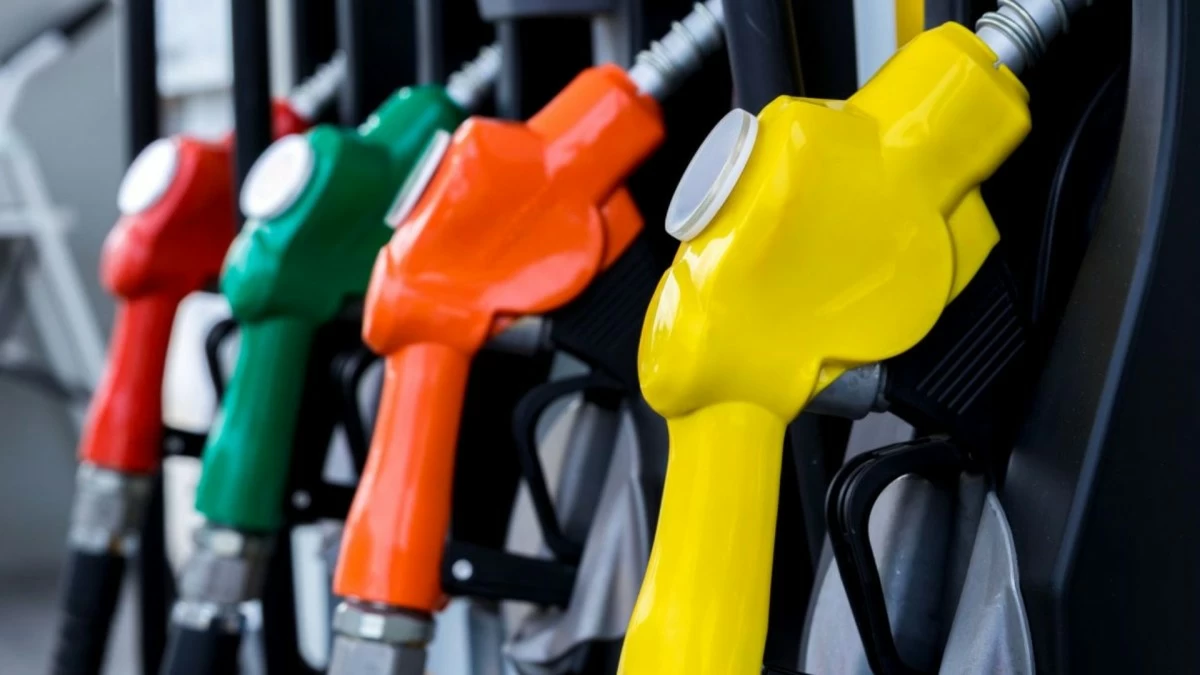
American banking giant Citi said the economic recovery of the Philippines, expected in 2026, could be deferred by the ongoing global oil shock caused by the wave of military attacks between Israel and Iran.

Citi wrote in a commentary that the spillover of the aggression between Israel and Iran has been filtering through Philippine government employment measures, presenting a “headwind for the recovery.”

It can be noted that the government has announced a four-day work week across public agencies. Citi said this policy could limit people’s mobility, potentially leading to softer retail sales.

Moreover, Citi said remittances from overseas Filipino workers (OFWs), particularly in the Middle East, could be affected by sustained military tension. Such is the trend “if [OFWs] from the Middle East are repatriated as a result of the conflict.”

Citi also noted that private consumers’ purchasing power will be tested by escalating fuel and petroleum prices amid the blockage of the Strait of Hormuz, through which a fifth of global oil supply is channeled.

Private consumption growth moderated in 2022 when oil prices surged, although oil usage has since dropped alongside global developments.

Headline inflation, according to Citi, could soar to the upper bound of the Bangko Sentral ng Pilipinas’ (BSP) target range of two to four percent in April, before cooling to the upper end of the band from May through the end of 2026.

Inflation could still hover near the upper end of the target range due to rising prices of fuel, liquefied petroleum gas (LPG), electricity, and coal. However, inflation could rise further if higher oil prices trigger additional increases—such as transport fare hikes—or if global oil prices climb to around $120 per barrel (bbl).

As the BSP shifted to a more hawkish tone, Citi still expects the central bank to pause its policy easing, which has so far set the benchmark rate at 4.25 percent.

“We maintain our call for a BSP pause but reserve the possibility of a shallow hiking cycle in the event oil prices turn more bullish versus Citi’s base case,” it said, adding that the case for hiking remains less compelling than during the 2022 oil shock.

Citi noted that the local economy, as measured by gross domestic product (GDP), remains “at the very early stages of recovery” after being bruised by flood control controversies in the second half of 2025.

Real interest rates, or the key policy rate adjusted for inflation, remain above zero, unlike in early 2022 at negative two percent. This means borrowing costs are still relatively high compared with past periods.

“That said, we do reserve one or two 25-basis-point (bp) hikes for a scenario where oil prices stay above $100 for multiple weeks. Such a scenario would risk de-anchoring inflation expectations, thereby requiring a policy response,” Citi said.

Malaysia-based Maybank analyst Daphne Sze wrote in a March 11 commentary that consumers may turn pessimistic in the second quarter of 2026 due to oil price pressures, which could push the full-year inflation print above the BSP’s target range.

Sze said Maybank’s research team estimated a nearly half-percentage-point (ppt) increase in inflation for every 10-percent rise in crude oil prices.

“This implies that fiscal year 2026 estimated inflation could overshoot four percent should [2026] crude oil prices average above $90 per bbl,” Sze said.

ADVERTISEMENT
.most-popular .layout-ratio{ padding-bottom: 79.13%; } @media (min-width: 768px) and (max-width: 1024px) { .widget-title { font-size: 15px !important; } }

{{ articles_filter_1561_widget.title }}

.most-popular .layout-ratio{ padding-bottom: 79.13%; } @media (min-width: 768px) and (max-width: 1024px) { .widget-title { font-size: 15px !important; } }

{{ articles_filter_1562_widget.title }}

.most-popular .layout-ratio{ padding-bottom: 79.13%; } @media (min-width: 768px) and (max-width: 1024px) { .widget-title { font-size: 15px !important; } }

{{ articles_filter_1563_widget.title }}

{{ articles_filter_1564_widget.title }}

.mb-article-details { position: relative; } .mb-article-details .article-body-preview, .mb-article-details .article-body-summary{ font-size: 17px; line-height: 30px; font-family: "Libre Caslon Text", serif; color: #000; } .mb-article-details .article-body-preview iframe , .mb-article-details .article-body-summary iframe{ width: 100%; margin: auto; } .read-more-background { background: linear-gradient(180deg, color(display-p3 1.000 1.000 1.000 / 0) 13.75%, color(display-p3 1.000 1.000 1.000 / 0.8) 30.79%, color(display-p3 1.000 1.000 1.000) 72.5%); position: absolute; height: 200px; width: 100%; bottom: 0; display: flex; justify-content: center; align-items: center; padding: 0; } .read-more-background a{ color: #000; } .read-more-btn { padding: 17px 45px; font-family: Inter; font-weight: 700; font-size: 18px; line-height: 16px; text-align: center; vertical-align: middle; border: 1px solid black; background-color: white; } .hidden { display: none; }
function initializeAllSwipers() { // Get all hidden inputs with cms_article_id document.querySelectorAll('[id^="cms_article_id_"]').forEach(function (input) { const cmsArticleId = input.value; const articleSelector = '#article-' + cmsArticleId + ' .body_images'; const swiperElement = document.querySelector(articleSelector); if (swiperElement && !swiperElement.classList.contains('swiper-initialized')) { new Swiper(articleSelector, { loop: true, pagination: false, navigation: { nextEl: '#article-' + cmsArticleId + ' .swiper-button-next', prevEl: '#article-' + cmsArticleId + ' .swiper-button-prev', }, }); } }); } setTimeout(initializeAllSwipers, 3000); const intersectionObserver = new IntersectionObserver( (entries) => { entries.forEach((entry) => { if (entry.isIntersecting) { const newUrl = entry.target.getAttribute("data-url"); if (newUrl) { history.pushState(null, null, newUrl); let article = entry.target; // Extract metadata const author = article.querySelector('.author-section').textContent.replace('By', '').trim(); const section = article.querySelector('.section-info ').textContent.replace(' ', ' '); const title = article.querySelector('.article-title h1').textContent; // Parse URL for Chartbeat path format const parsedUrl = new URL(newUrl, window.location.origin); const cleanUrl = parsedUrl.host + parsedUrl.pathname; // Update Chartbeat configuration if (typeof window._sf_async_config !== 'undefined') { window._sf_async_config.path = cleanUrl; window._sf_async_config.sections = section; window._sf_async_config.authors = author; } // Track virtual page view with Chartbeat if (typeof pSUPERFLY !== 'undefined' && typeof pSUPERFLY.virtualPage === 'function') { try { pSUPERFLY.virtualPage({ path: cleanUrl, title: title, sections: section, authors: author }); } catch (error) { console.error('ping error', error); } } // Optional: Update document title if (title && title !== document.title) { document.title = title; } } } }); }, { threshold: 0.1 } ); function showArticleBody(button) { const article = button.closest("article"); const summary = article.querySelector(".article-body-summary"); const body = article.querySelector(".article-body-preview"); const readMoreSection = article.querySelector(".read-more-background"); // Hide summary and read-more section summary.style.display = "none"; readMoreSection.style.display = "none"; // Show the full article body body.classList.remove("hidden"); } document.addEventListener("DOMContentLoaded", () => { let loadCount = 0; // Track how many times articles are loaded const offset = [1, 2, 3, 4, 5, 6, 7, 8, 9, 10]; // Offset values const currentUrl = window.location.pathname.substring(1); let isLoading = false; // Prevent multiple calls if (!currentUrl) { console.log("Current URL is invalid."); return; } const sentinel = document.getElementById("load-more-sentinel"); if (!sentinel) { console.log("Sentinel element not found."); return; } function isSentinelVisible() { const rect = sentinel.getBoundingClientRect(); return ( rect.top < window.innerHeight && rect.bottom >= 0 ); } function onScroll() { if (isLoading) return; if (isSentinelVisible()) { if (loadCount >= offset.length) { console.log("Maximum load attempts reached."); window.removeEventListener("scroll", onScroll); return; } isLoading = true; const currentOffset = offset[loadCount]; window.loadMoreItems().then(() => { let article = document.querySelector('#widget_1690 > div:nth-last-of-type(2) article'); intersectionObserver.observe(article) loadCount++; }).catch(error => { console.error("Error loading more items:", error); }).finally(() => { isLoading = false; }); } } window.addEventListener("scroll", onScroll); });

Sign up by email to receive news.