






Manila Bulletin
 Business
Trade & Industry
DTI warns of price hikes for basic goods due to Middle East crisis
Business
Trade & Industry
DTI warns of price hikes for basic goods due to Middle East crisis
Business
Trade & Industry
DTI warns of price hikes for basic goods due to Middle East crisis
DTI warns of price hikes for basic goods due to Middle East crisis
Published Mar 11, 2026 04:51 pm


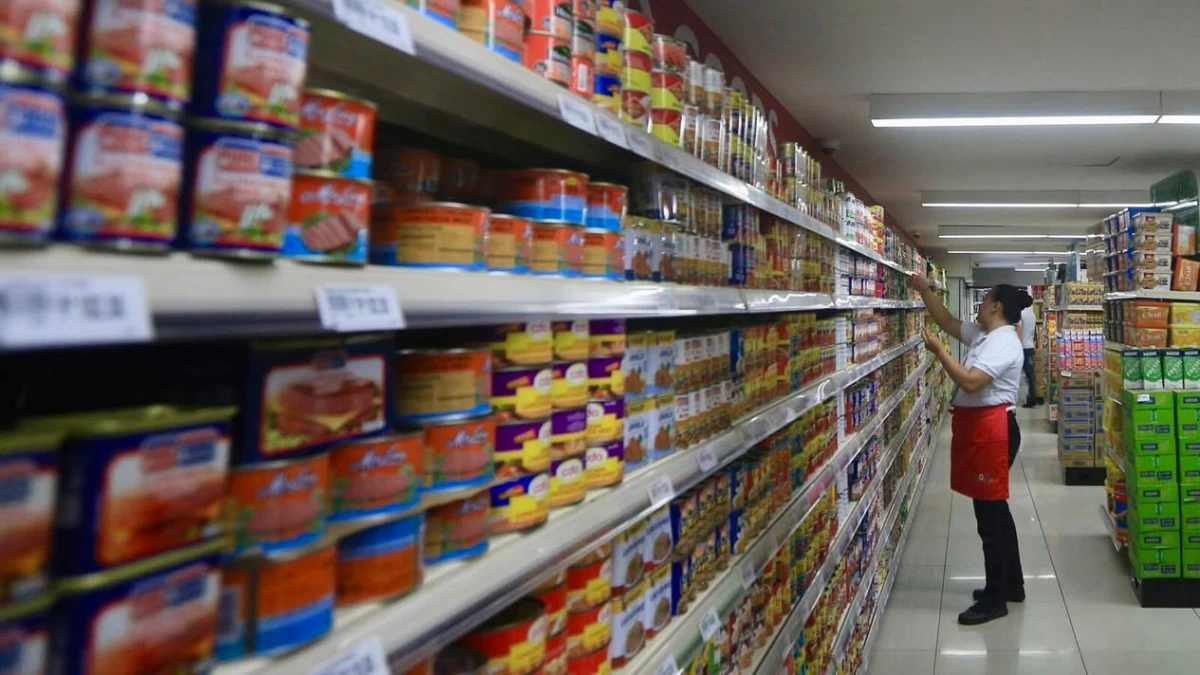
Consumers should brace for price increases in basic goods despite stable supply as the worsening crisis in the Middle East pushes up logistics costs, according to the Department of Trade and Industry (DTI).
During a hearing of the Senate committee on ways and means on Wednesday, March 11, Trade Secretary Cristina Roque said prices of basic necessities and prime commodities will likely increase as fuel prices climb amid supply disruptions due to escalating tensions in the Middle East.
“We acknowledge that the prices actually will increase not because of the product itself but because of the cost of logistics,” said Roque.
While prices remain stable for now, she said higher logistics costs, such as in electricity and the actual movement of goods, would eventually lead to upward adjustments.
Roque said she is scheduled to meet with 30 of the country’s leading logistics companies this week to help control the cost of moving basic necessities and prime commodities across the archipelago.
Ideally, she said these firms should keep their prices low as part of their previous commitment under the DTI’s Supply Chain and Logistics Center (SCLC) network to lower shipping costs and encourage business growth.
To help lower logistics costs, the DTI is recommending the temporary suspension of government shares in port and cargo logistics handling fees imposed by the Philippine Ports Authority, Cebu Ports Authority, and the Subic Bay Metropolitan Authority on government-run ports.
The DTI is also pushing for the temporary moratorium on toll fees for cargo and delivery vehicles that are transporting basic necessities and prime commodities along privately operated expressways.
“We hope to keep the prices as low as possible in spite of all of these things that are going on,” Roque said.
She said the supply of basic necessities and prime commodities remains stable, with the country’s inventory enough for the next two months, or until May.
Basic necessities include canned sardines, milk, coffee, bread, instant noodles, salt, bottled water, detergent soap, and candles. Meanwhile, prime commodities cover canned meat products, condiments, toilet soap, and batteries.
Roque said the DTI is in close coordination with manufacturers of these products while also monitoring broader market developments to mitigate the impact of price adjustments on consumers and businesses.
She said the inter-agency National Price Coordinating Council (NPCC), chaired by the DTI, will convene on Friday to discuss other measures to further alleviate the impact of the Middle East conflict.
Other members of the NPCC include the departments of agriculture, energy, health, transportation, justice, environment and natural resources, the interior and local government economy, planning, and development.
In terms of enforcement, Roque has ordered the agency’s field offices to tighten the monitoring of prices and the supply of goods nationwide. She said they will not hesitate to file charges against those found engaging in profiteering practices.
“The DTI remains committed to safeguarding consumer welfare and maintaining a stable and competitive business environment,” she added.