







Biodiversity: Why it matters to our survival
Published Mar 11, 2026 03:12 pm


On Jan. 15, 1992, the Philippines captured global attention with the birth of an eaglet named Pag-asa. It marked a major milestone as the first tropical eagle successfully bred and hatched in captivity.
“Pag-asa connotes hope for the continued survival of the Philippine eagle, hope that if people get together for the cause of the eagle, it shall not be doomed to die,” commented Dennis Salvador, the executive director of the Philippine Eagle Foundation.
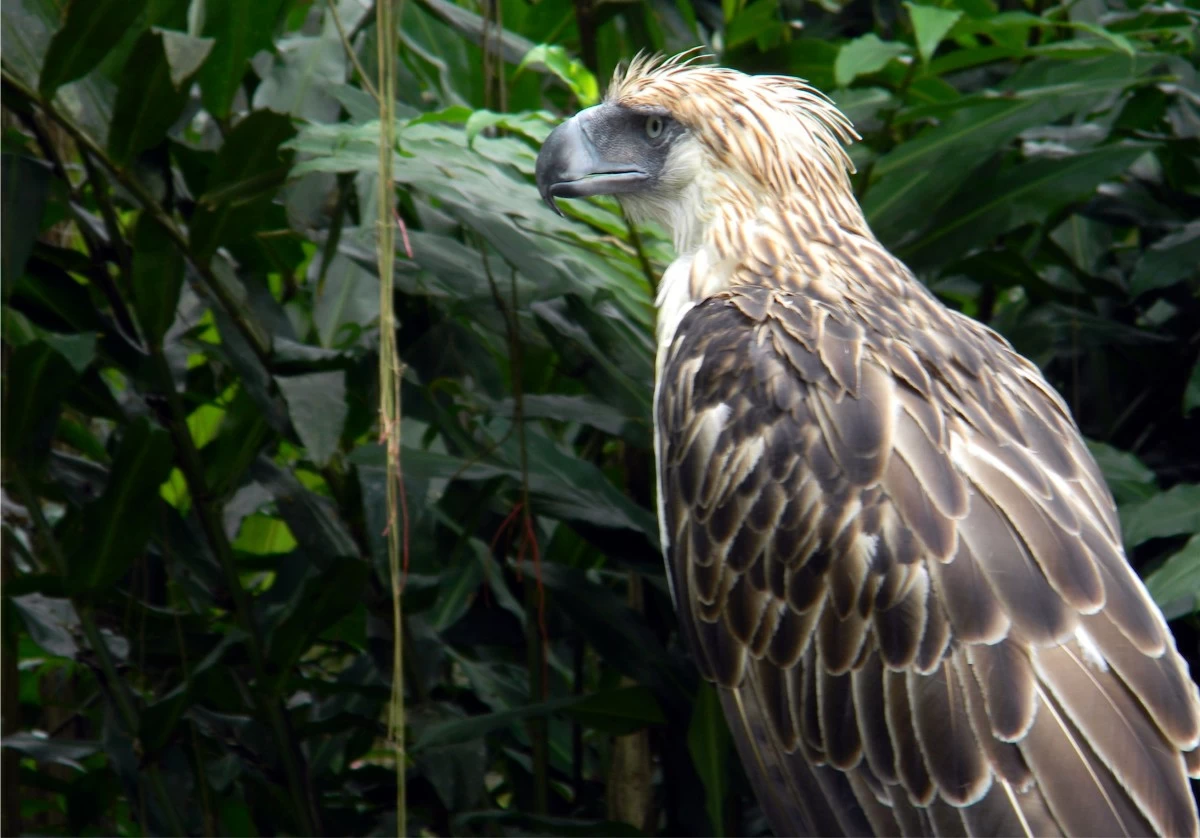
When discussing the term “biodiversity,” people often associate it with endangered species such as the Philippine eagle, the tamaraw, the Philippine tarsier, the waling-waling, the five marine turtles inhabiting the country’s waters and the dugong. However, many Filipinos fail to recognize that biodiversity also serves as the cornerstone of agriculture and food production. Without it, a food crisis could emerge, leading to famine and starvation that predominantly impact developing nations.
“Biodiversity forms the foundation for sustainable development,” the Rome-based United Nations Food and Agriculture Organization (FAO) points out. “It is the basis for the environmental health of our planet and the source of economic and ecological security for future generations.”
Biodiversity is derived from two terms: biological diversity. It is a widely accepted term used to depict the variety of life on Earth, encompassing all life forms and the ecosystems they inhabit.
The Philippines is exceptionally fortunate to be recognized as one of the world’s megadiverse countries and as the epicenter of biodiversity. This is evidenced by numerous expeditions in which scientists and researchers have successfully identified new and endemic species within the country.
In 2015, Dr. Terry Gosliner from the California Academy of Sciences led an expedition in the Verde Island Passage—a strait that divides the islands of Luzon and Mindoro—where he uncovered more than a hundred species that are likely new to science.
“The Philippines is jam-packed with diverse and threatened species – it’s one of the most astounding regions of biodiversity on Earth,” media quoted Dr. Gosliner as saying in a press conference.
The following year, Dr. Rafe M. Brown of the University of Kansas’ Biodiversity Institute conducted an expedition in the mountainous regions of northeast Mindanao. The team identified a total of 126 species, which included 40 frogs, 49 lizards, 35 snakes, a freshwater turtle, and a crocodile.
“The terrestrial biodiversity of the Philippines is amazing, and this part of Mindanao is the center of the center of that diversity," commented Dr. Brown, a herpetologist interested in understanding evolutionary processes of diversification in island archipelagos.
Unfortunately, these rich repositories of natural wealth are being threatened.
“Of all the global problems that confront us, this is one that is moving the most rapidly and the one that will have the most serious consequences,” deplored Dr. Peter Raven, director of the Missouri Botanical Gardens in the United States.
Noted American biologist Edward O. Wilson agrees.
“The worst thing that can happen–will happen–is not energy depletion, economic collapse, limited nuclear war, or conquest by a totalitarian government,” he wrote in Harvard Magazine. “As terrible as these catastrophes would be for us, they can be repaired within a few generations.
“The one process that will take millions of years to correct is the loss of genetic and species diversity through the destruction of natural habitats,” he added. “This is the folly our descendants are least likely to forgive us.”
Human destruction of habitats includes the clearing of land for agriculture, overgrazing of grasslands, cutting and burning of forests, unsustainable logging and fuelwood collection, and indiscriminate use of fertilizer and pesticides.
Other causes of the degradation of the world’s biological resources include overwatering of crops, overexploitation of fisheries, draining and filling wetlands, poor water management, and urbanization and pollution of air and water.
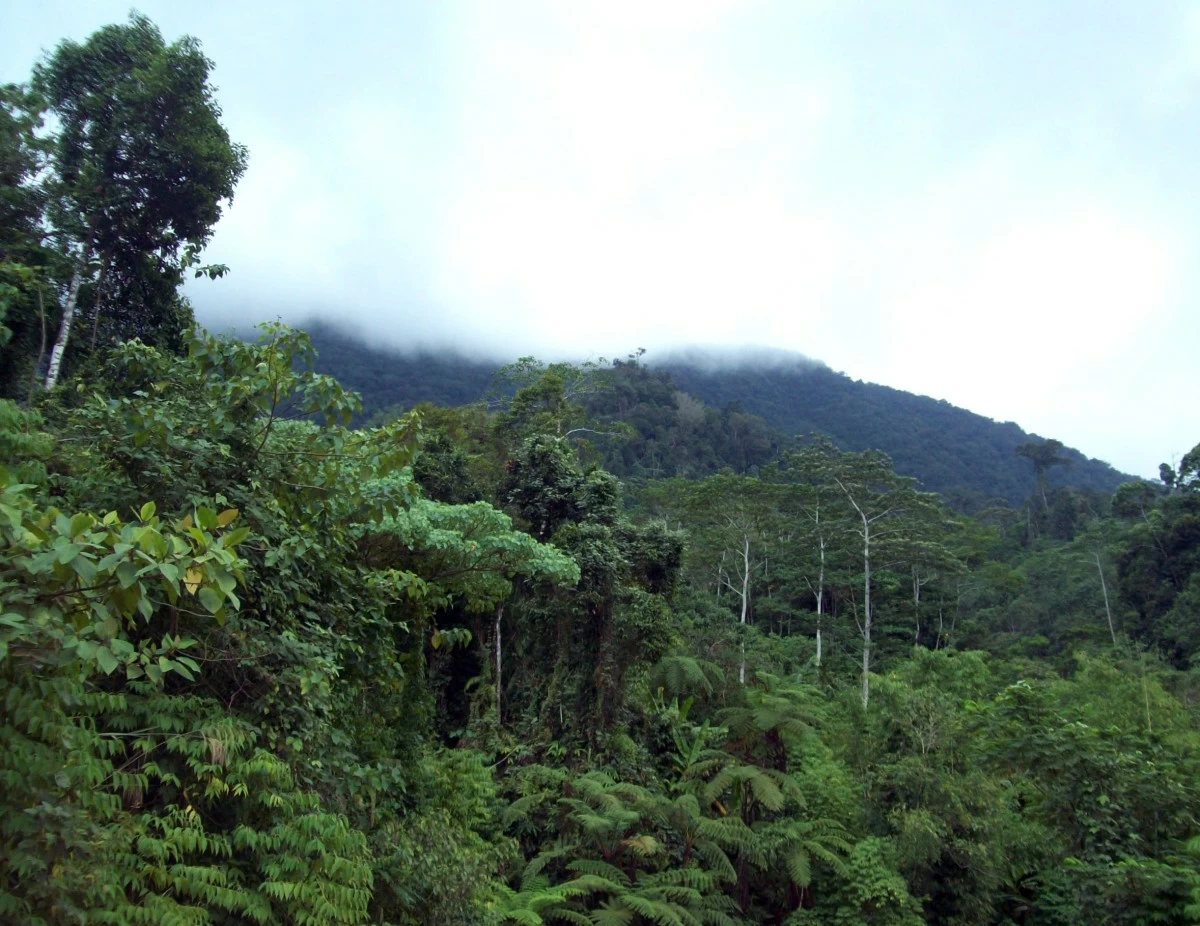
In the Philippines, for instance, deforestation has decimated many of its endemic flora and fauna.
“The wanton forest destruction has put many species on the endangered list and brought some to the verge of extinction,” the Department of Environment and Natural Resources (DENR) said.
Mountains, devoid of forest cover, are now susceptible to soil erosion. Some 5.2 million of the country’s 30 million hectares are reportedly “severely eroded, having no topsoil and highly prone to landslides.” Half of the severely eroded areas are in Mindanao, the DENR report said.
More alarming is that 75 percent of the genetic diversity of crops has been lost since the beginning of the 20th century, according to FAO.
“We are becoming increasingly dependent on fewer and fewer crop varieties and, as a result, a rapidly diminishing gene pool,” the UN food agency deplored.
When farmers forsake native landraces in favor of new varieties, the traditional ones become extinct. The introduction of high-yielding varieties that began in the 1950s, for example, initiated the Green Revolution. This led to a significant increase in production but a substantial decline in crop diversity.
The Silang-based International Institute of Rural Reconstruction (IIRR) reported that in 1964, approximately 4,000 rice varieties were cultivated each cropping season. By the 1990s, merely eight primary rice varieties were grown on 85 percent of irrigated rice lands.
“Monocropping and the spread of modern, high-yielding varieties led Filipino farmers to stop planting their traditional plant varieties,” IIRR pointed out.
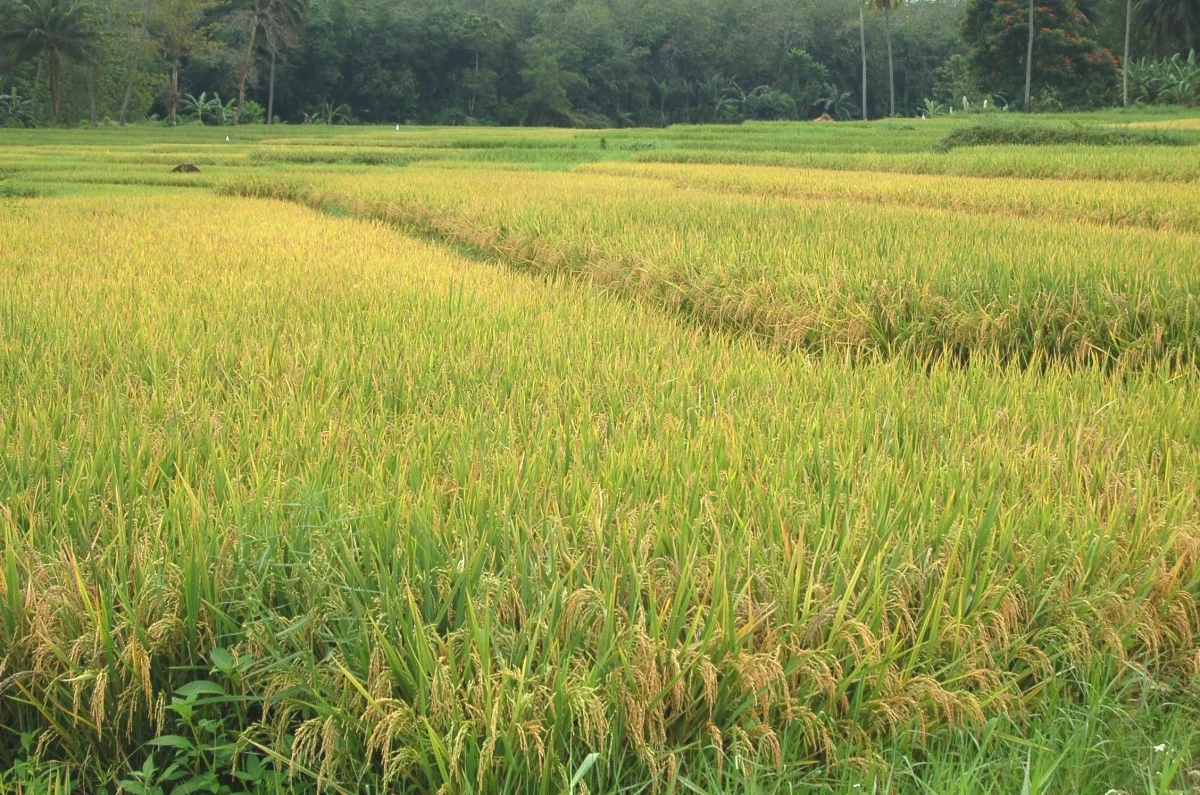
The loss of crop diversity presents a grave risk to food security, according to the FAO. For instance, to sustain pest and disease resistance in key food crops or to cultivate desirable characteristics such as drought resistance or enhanced flavor, plant breeders require a new influx of genes from the farms, forests, and fields of developing countries.
“To feed an increasing world population, all available genetic resources, including wild relatives, will need to be tapped,” FAO said.
Traditional crops are not the only types of produce that are rapidly diminishing. Livestock are equally affected. According to FAO, animals contribute 19 percent directly to the global food supply. They also provide draught power and fertilizer for agricultural production, raising their total contribution to 25 percent.
Animal genetic resources are also in decline. Presently, the common livestock species consist of cattle, goats, pigs, horses, buffaloes, chickens, and ducks. In addition, there are less common species such as camels, donkeys, elephants, reindeer, rabbits, and rodents.
“The genetic variation of these animals is being threatened, if not already extinct, as a result of increased intensification of animal production,” FAO warned.
The Philippines ought to draw lessons from history. Should the "business-as-usual" approach persist regarding its natural resources, numerous endemic species may face extinction, akin to the dodo.
“A few decades ago, the wildlife of the Philippines was notable for its abundance; now, it is notable for its variety. If the present trend of destruction continues, Philippine wildlife will be notable for its absence,” commented Dr. Lee Talbot, once a member of the Southeast Asia Project on Wildlife Conservation of Nature and Natural Resources
During his time as director-general of the Food and Agriculture Organization (FAO), Edouard Saouma said: “We stand at the crossroads. Our generation has inherited a rich biological legacy, but what will we pass on to the next generation: a secure biotic heritage or a genetically impoverished world?"
“Global, national, and local action to conserve and utilize biodiversity will influence the future evolution of both human civilization and life on Earth,” he pointed out. “Biodiversity for human development, based on equitable and sustainable use, is the path of sustainable livelihoods today, while ensuring that future generations have the resources they will need to survive and prosper.”