







Smart homes get smarter: A look at AI-powered living at MideaCon 2026
Published Mar 10, 2026 12:59 pm
|
Updated Mar 10, 2026 01:09 pm


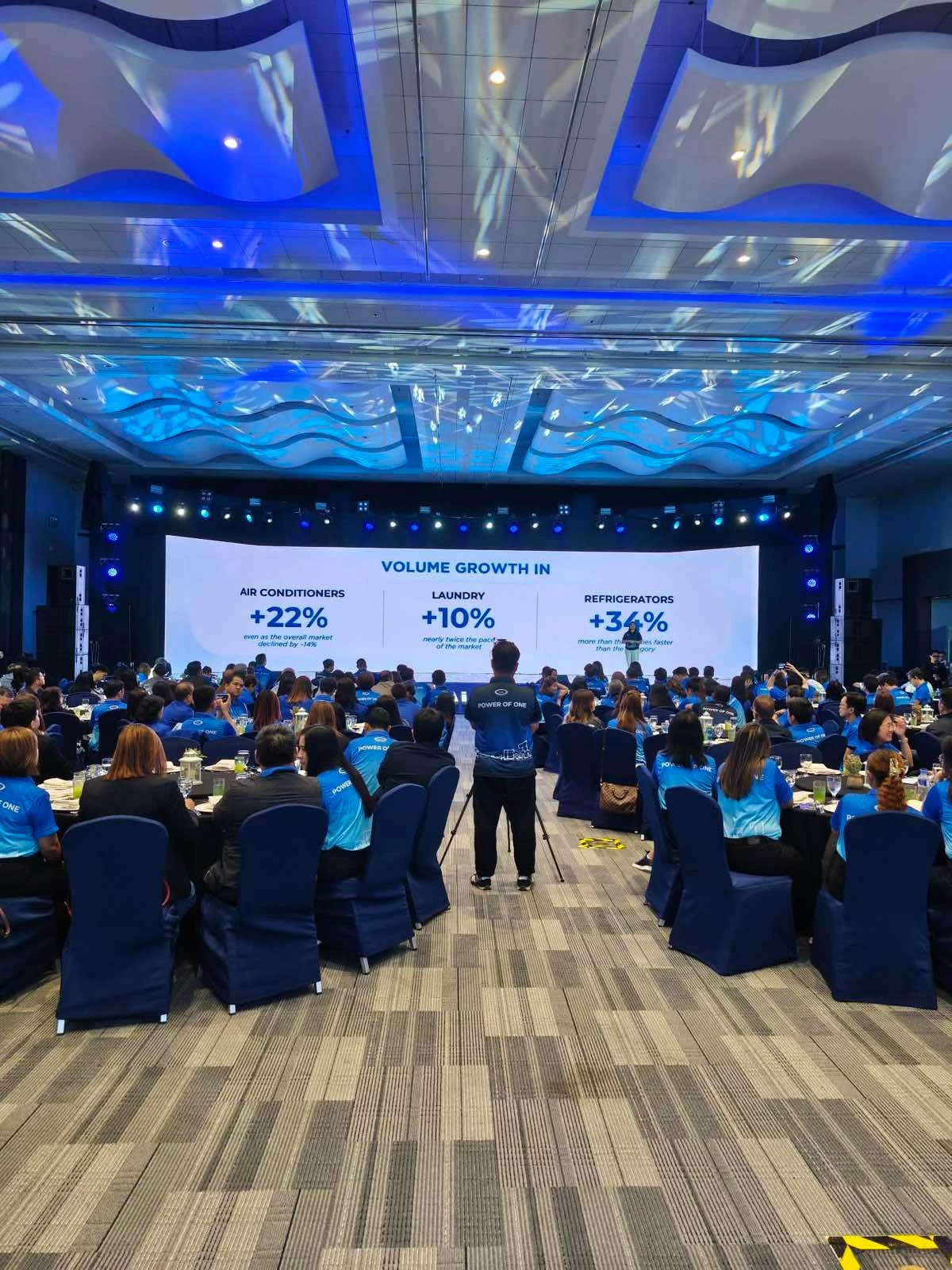
At home, we sometimes joke that we’re slowly turning into a Midea household. From our fans to smaller kitchen appliances, quite a few of the things we use daily carry the brand’s name (pronounced my-dee-yah). So when the invitation came to attend MideaCon 2026 at the SMX Convention Center Clark, I was genuinely curious to see what innovations were coming next.
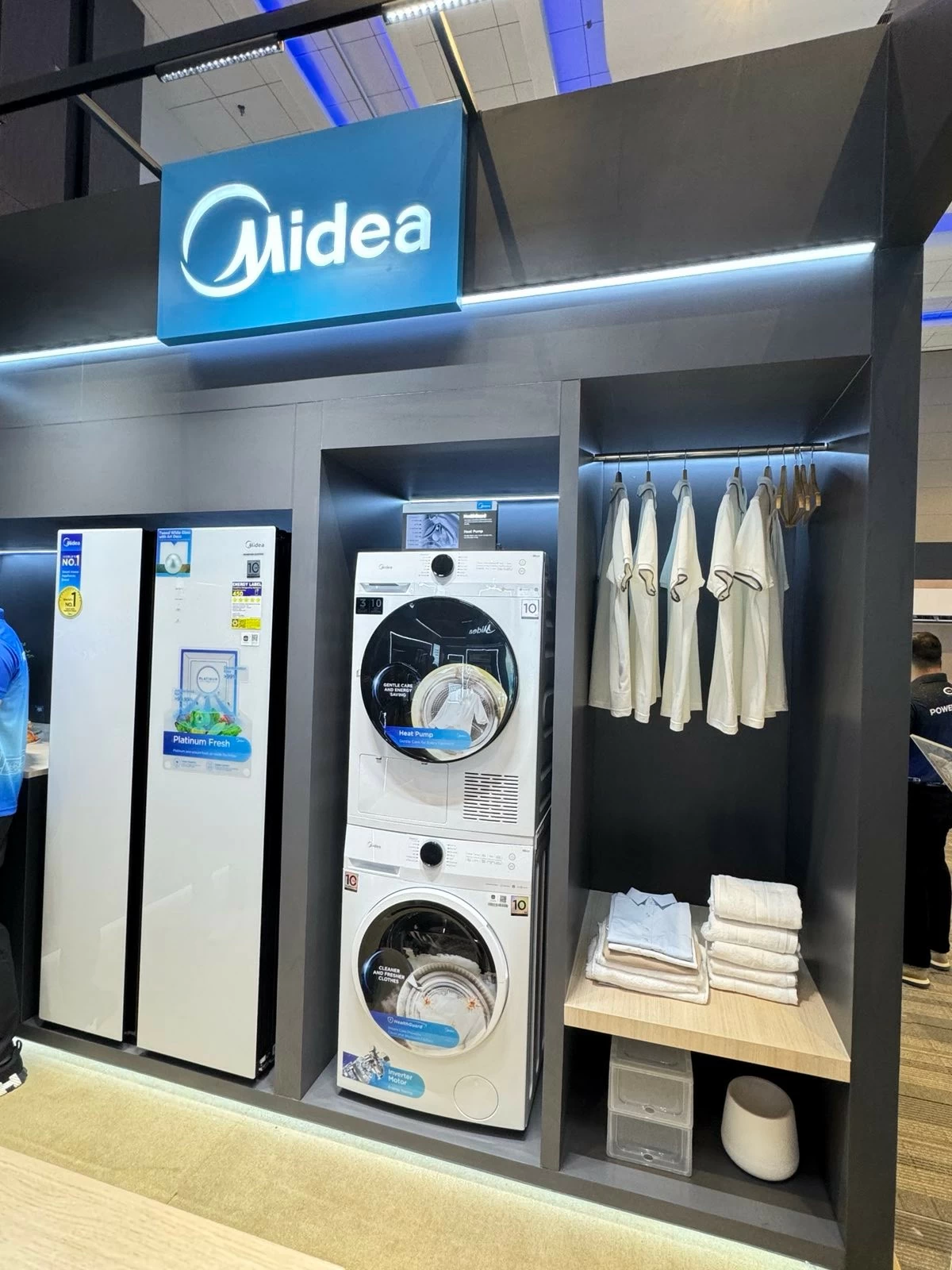
One appliance that really caught my attention: Midea's newest washer and dryer lineup. As someone who has been eyeing a dryer for quite some time, seeing a 10kg inverter dryer priced at around ₱47,000 already feels like a steal, especially considering the smart features and energy efficiency built into it.
Beyond simply browsing appliances, I wanted to understand how far the brand had pushed into one of the biggest shifts in home technology today: AI-enabled smart living. The convention, anchored by the theme “Power of One,” brought together dealers, partners, and technology leaders to showcase the company’s latest generation of connected appliances.
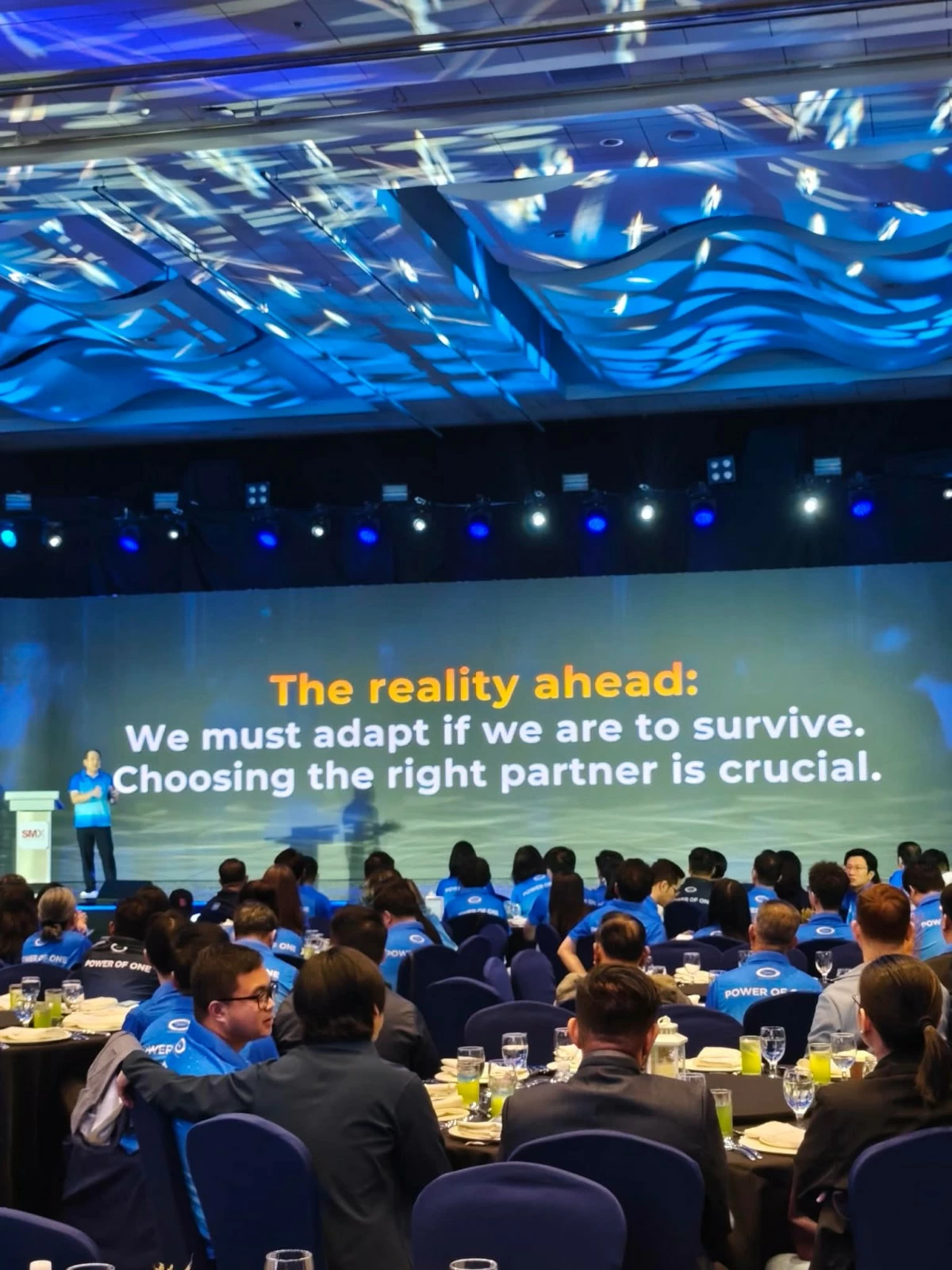
Speaking as a true leader at the SMX Convention Center Clark, Raul Joseph Concepcion outlines the roadmap for survival in an evolving market. He emphasized that the partnership with Midea is more than a business alignment; it is a tool for national empowerment. "Yes, Filipinos can," he told the crowd, framing the accessibility of Midea technology as a personal catalyst for Filipinos to achieve more in their daily lives.
But more than a product showcase, the event highlighted how home technology is evolving, from standalone appliances into interconnected systems designed to make daily life more efficient, responsive, and energy-conscious.
In today’s digital age, appliances are no longer expected to simply “work.” Increasingly, consumers are looking for devices that can learn patterns, optimize energy consumption, and integrate seamlessly with other smart systems in the home. Artificial intelligence, once reserved for high-end gadgets, is now steadily making its way into everyday household technology.

A key insight from the discussion: today’s consumers are more informed than ever. With much of the market now driven by Gen Z, purchasing decisions are increasingly shaped by online reviews, influencer recommendations, and trusted media coverage.
What made this shift particularly interesting for me was seeing early versions of smart appliances several years ago—concepts that promised connected homes and intelligent systems but often felt ahead of their time. Back then, many of these technologies were still experimental or limited to niche markets. Seeing manufacturers today not only refine those ideas but finally bring them into practical, consumer-ready products shows how quickly the smart home space has matured.

At MideaCon 2026, that direction was evident across the company’s newest lineup, particularly within its AI ECO MASTER and SMART MASTER product ranges. These appliances—from air conditioners to refrigerators and laundry systems—are designed to automatically adjust their performance depending on environmental conditions and user behavior.
Air conditioning, a critical appliance in tropical countries like the Philippines, was a major highlight. Among the units showcased was the Chione Inverter Series, available in both floor-standing and wall-mounted designs. The system features Eco Mode, which helps regulate energy consumption, and AI-assisted humidity control to maintain healthier, more comfortable indoor air.
Another model, the Avigator Full DC Inverter air conditioner, integrates AI Smart Control technology designed to minimize unnecessary power consumption while maintaining cooling efficiency. According to the company, the system can reduce energy waste by as much as 40 percent while rapidly lowering room temperatures in just minutes.
A third model, the Numen Air Conditioner, combines AI-powered energy optimization with new-generation anti-corrosion technology and air purification features, reflecting the growing focus on durability and indoor air quality.
Of course, I walked into the event with my own personal wishlist in mind. I have been meaning to get a dryer for our home, and I was also eyeing one of their smokeless grills—one of those appliances that quietly promises to make cooking easier without filling the kitchen with smoke. But as I explored the exhibits, what stood out most was how strongly AI and connectivity now shape the design of modern appliances.
Kitchen technology, for instance, is becoming increasingly connected. One of the featured appliances was a side-by-side inverter refrigerator equipped with Wi-Fi Smart Control, allowing users to monitor and adjust storage settings remotely through the Midea SmartHome app. This level of connectivity allows homeowners to manage appliances even when away from home—part of a growing shift toward remote, smarter home management.
Laundry appliances are also evolving in the same direction. Midea’s Front-Load Washing Machine Titanium Series integrates Internet of Things (IoT) capabilities that allow users to control washing cycles via mobile devices, simplifying what has traditionally been one of the more time-consuming household tasks.

Beyond the technology itself, the convention also highlighted Midea’s growing footprint in the Philippines. The event served as a platform to strengthen partnerships with dealers nationwide and to celebrate Filipino technicians who recently represented the country at the Midea Club Flash Installation Tournament in China.
Sports partnerships were also featured, including the company’s sponsorship of major events under the University Athletic Association of the Philippines (UAAP) and the Asian Football Confederation (AFC), signaling Midea’s continued effort to expand brand visibility in the region. As someone who also manages sports teams, particularly in Olympic sports, I couldn’t help but think how exciting it would be to see brands like Midea supporting more grassroots and Olympic-level programs in the future.
Stepping back from the exhibition floor, one realization became clear: the future of home appliances is not just about performance or design. Increasingly, it is about how intelligently these devices interact with their users.
For households like mine—where appliances quietly power everyday routines—the shift toward AI-enabled systems could mean less guesswork, lower energy consumption, and more convenience in managing the home.
And if Midea’s newest innovations are any indication, the smart home of the future may not be a distant concept after all. It may already be quietly taking shape in kitchens, laundry rooms, and living spaces, one appliance at a time.