







Senate approves bill regulating fair debt collection
By Dhel Nazario
Published Mar 10, 2026 09:18 am


At A Glance
- The Senate on Monday, March 9, approved on third and final reading Senate Bill No. 1744 otherwise known as the Fair Debt Collection Practices Act.
The Senate on Monday, March 9, approved on third and final reading Senate Bill No. 1744, otherwise known as the Fair Debt Collection Practices Act.
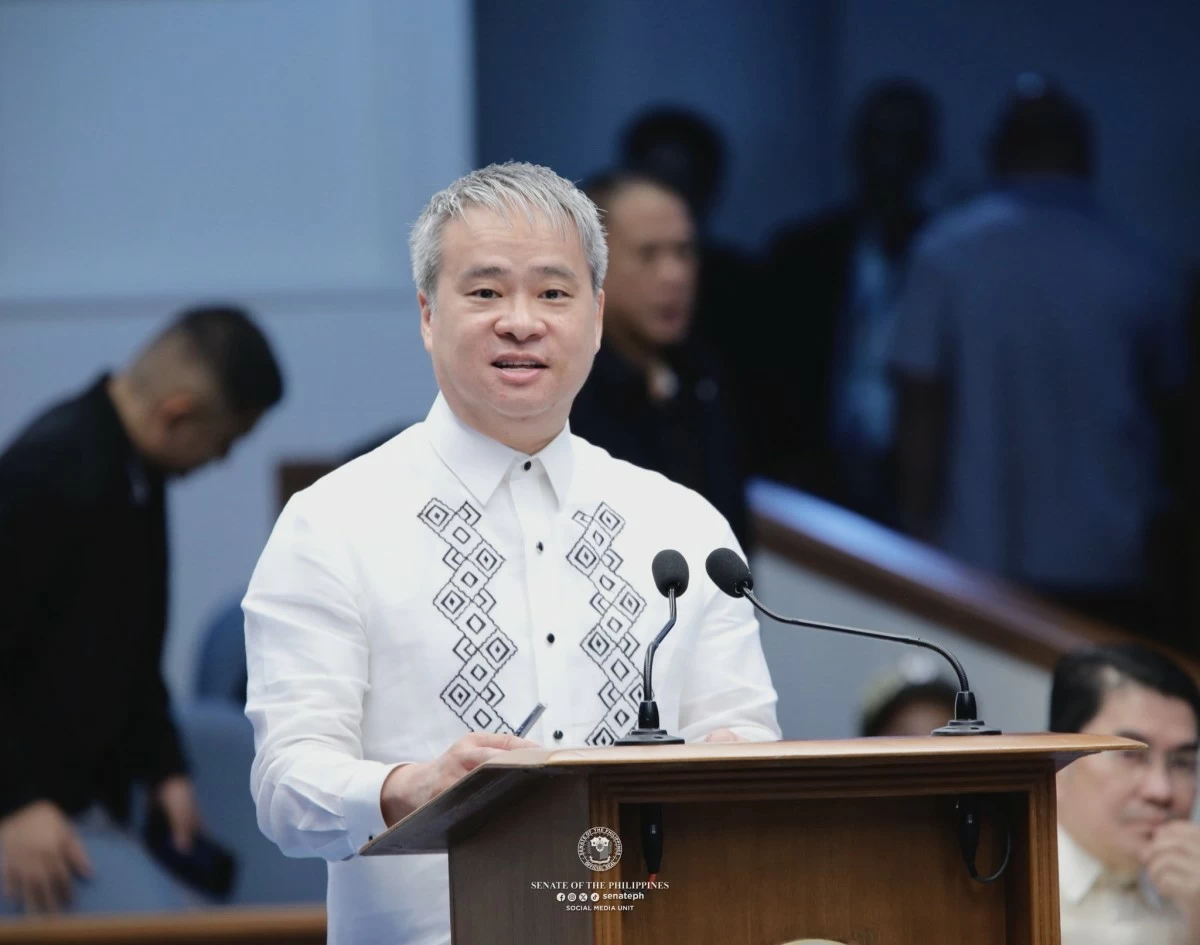
Voting 20-0-0, the Senate approved on third reading Senate Bill No. 1744, or the Fair Debt Collection Practices Act, sponsored by Senate Deputy Minority Leader Joel Villanueva. (Senate of the Philippines)
Voting 20-0-0, the Upper Chamber approved the proposed measure, which aims to regulate debt collection practices and protect debtors from abuse, harassment, and misrepresentation.
Senator Joel Villanueva, the bill's sponsor, said the measure draws a clear line that defines and prohibits harassment and unfair debt-collection practices.
"With the passage of this measure, we take a significant step toward ensuring that financial access in our country is not built on fear and intimidation, but on fairness, accountability, and respect for human dignity," he added.
Villanueva said that from August 2024 to January 2026, the Presidential Anti-Organized Crime Commission (PAOCC) received 47,144 complaints against abusive online lending applications.
He also cited reports from the National Privacy Commission, which received 2,244 complaints against Online Lending Apps (OLAs) from 2018 to 2025, mostly involving unauthorized access, misuse, and disclosure of personal data.
"What we have seen in recent years is deeply alarming. Borrowers are hunted, shamed, and threatened simply for borrowing small amounts of money for their daily needs. Mr. President, this is not debt collection. This is harassment," Villanueva said.
Under the proposed measure, the following acts are deemed prohibited:
- Threats of violence or criminal harm;
- Use of insults, obscene, or profane language;
- Public shaming or unauthorized disclosure of names and personal information;
- Repeated, unreasonable, or untimely communications;
- Contacting employers, coworkers, or unrelated third parties;
- Misrepresentation, deception, or intimidation; and
- Collection of any amount other than the principal obligation without express authorization in the agreement.
Villanueva emphasized that debts are obligations that should be paid, but they should not be a reason for debt collectors to shame and degrade their borrowers.
"This measure is not about encouraging people to evade their obligations. However, I want to emphasize that while paying debt is an obligation, having debt is not a sin. Debt collection must remain lawful, fair, and humane. It (SB 1744) prohibits abusive, deceptive, and harassing collection practices while protecting the dignity and privacy of borrowers. At the same time, it ensures that legitimate lenders can still collect debts through lawful and ethical means," he added.