ADVERTISEMENT

San Miguel opens brewery museum showcasing 135 years of beer history

New museum at Polo Brewery traces the evolution of brewing in the Philippines

Published Mar 10, 2026 12:22 pm
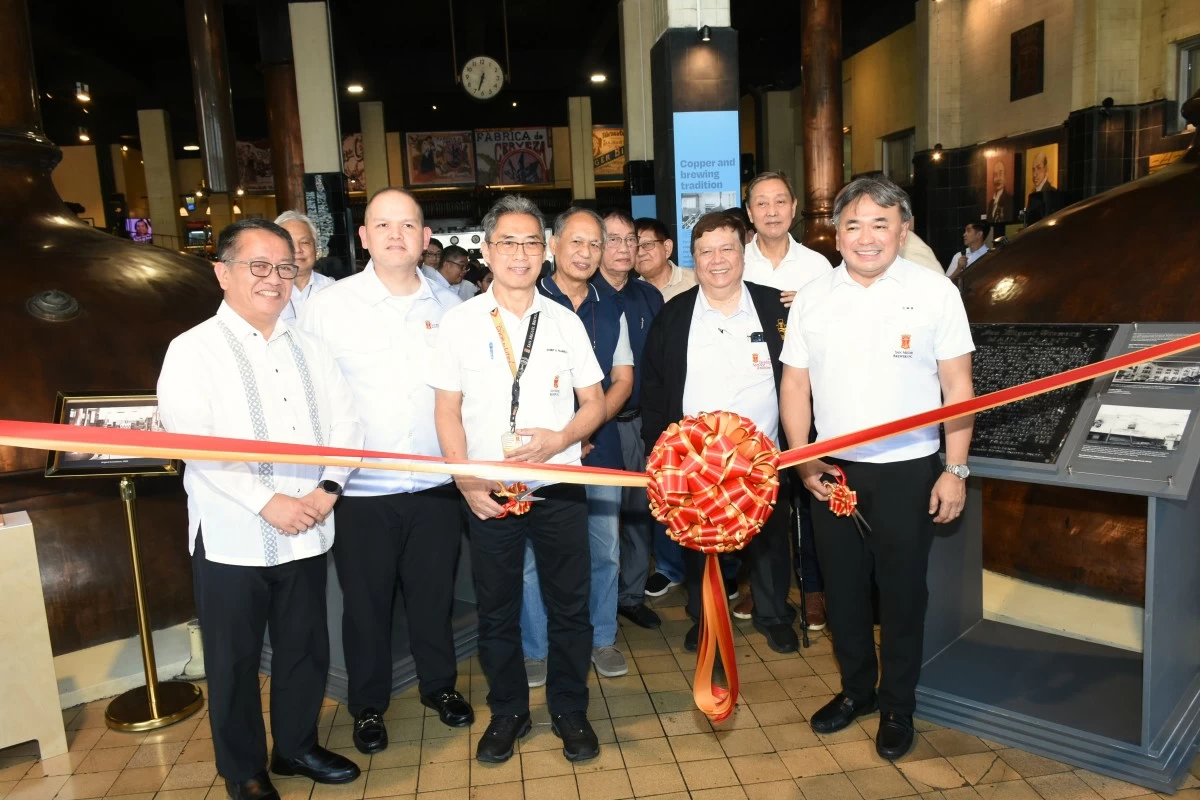
Bukidnon 1st District Rep. Jose Manuel Alba, San Miguel Corp. President and COO John Paul L. Ang, Polo Brewery Plant Manager Danny Pajarillo, former San Miguel Corp. CFO and now consultant Ferdinand K. Constantino, and San Miguel Brewery Inc. President and COO Carlos Antonio M. Berba
San Miguel Corporation has opened a new museum inside its historic Polo Brewery in Valenzuela City, highlighting more than 135 years of beer brewing history and the evolution of one of the country’s most recognizable brands.
The Polo Brewery Museum, located inside the company’s oldest surviving brewery facility, features archival records, historic artifacts, vintage equipment and memorabilia documenting the beginnings of the beer company founded in 1890. The museum also pays tribute to generations of employees who helped shape the company’s growth from a local brewery into a diversified conglomerate operating across multiple industries.
Leading the opening of the museum were John Paul L. Ang and Carlos Antonio M. Berba, marking the culmination of a decades-long effort to gather and preserve historical records, artifacts and oral histories related to the company’s brewing heritage.
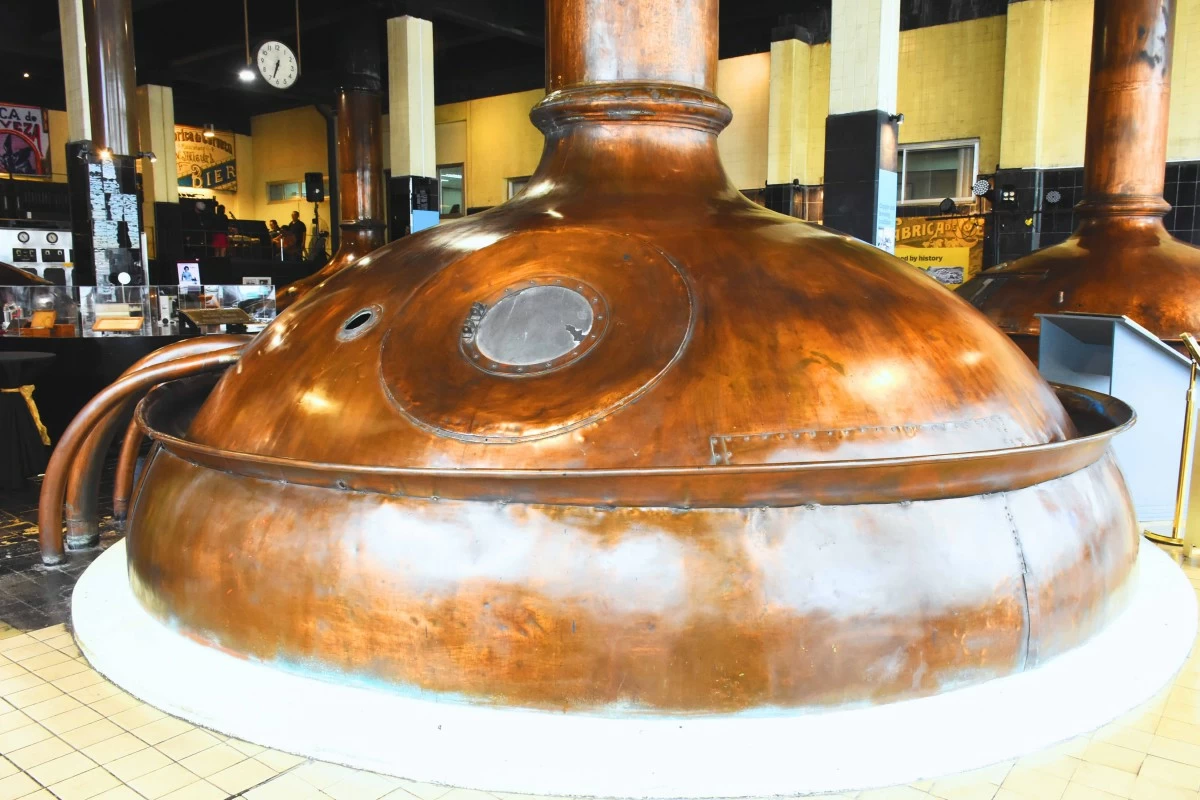
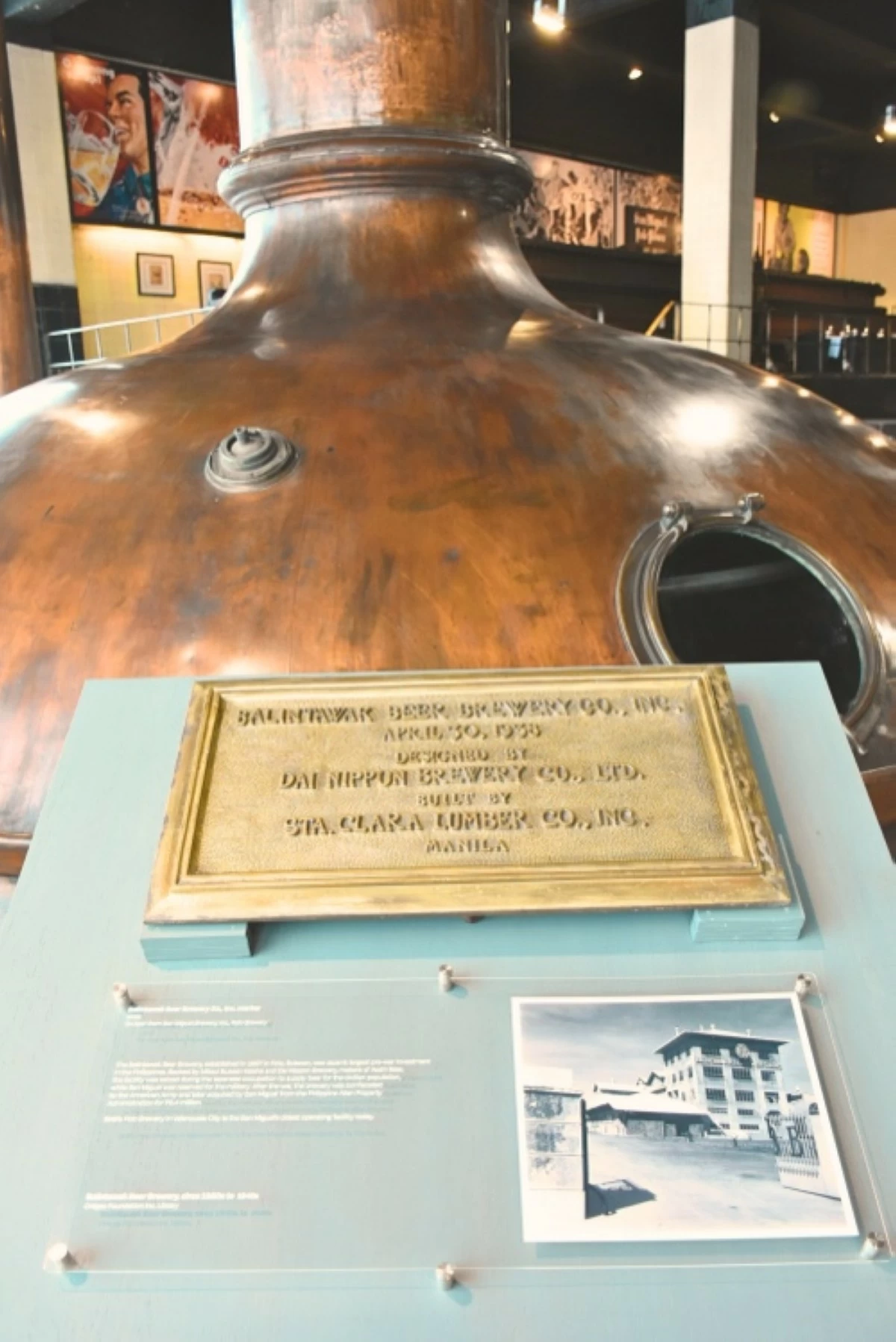
All-copper mash tun used in brewing beer.
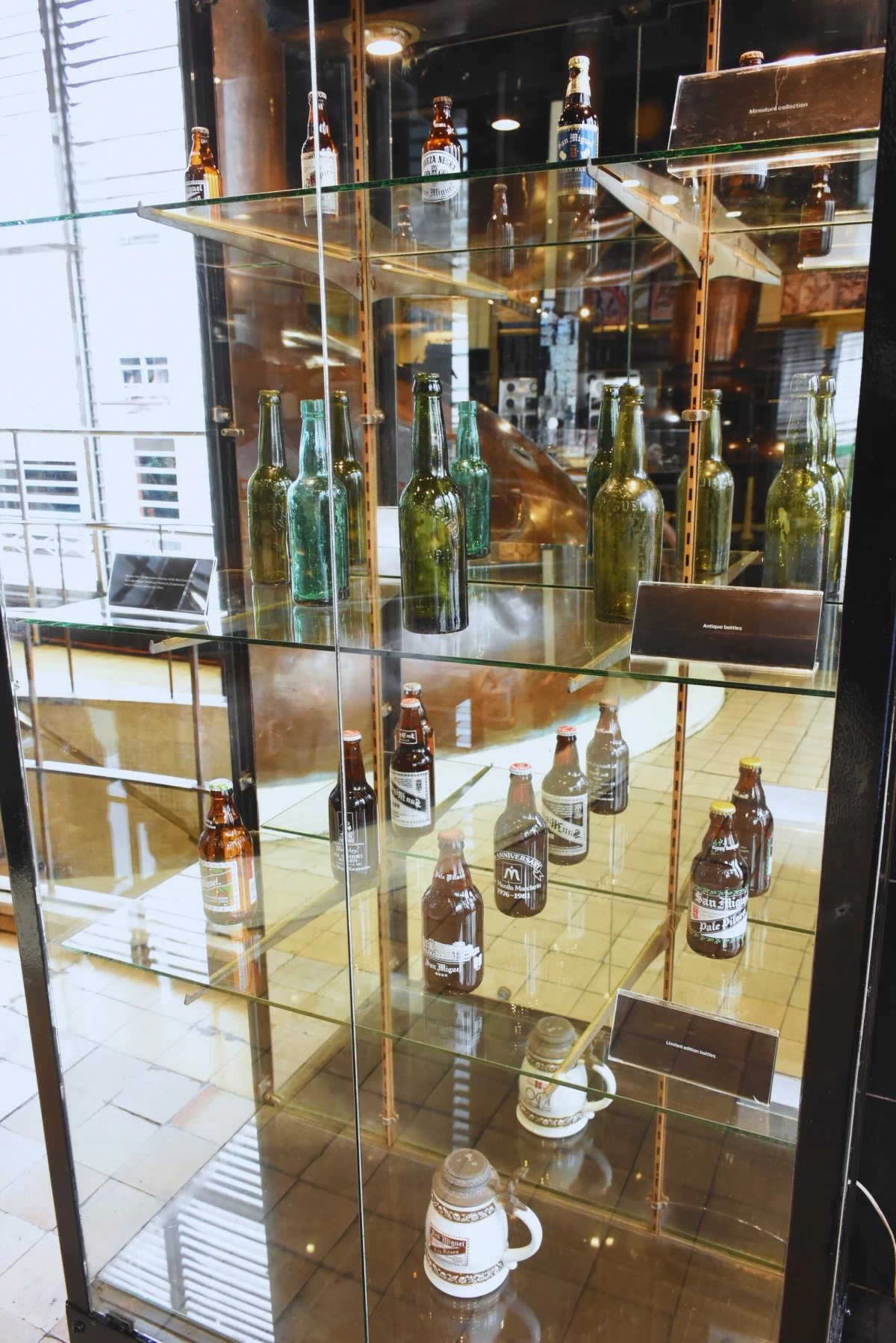
The evolution of San Miguel beer bottles.
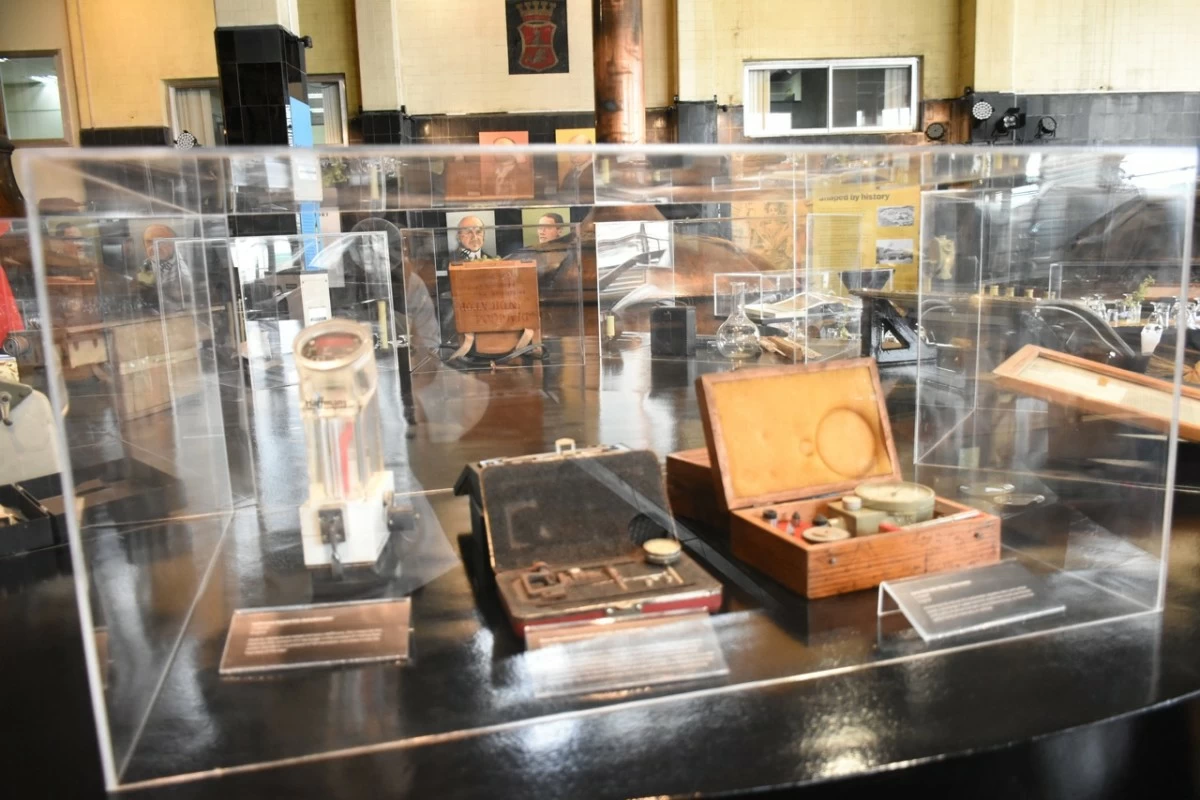
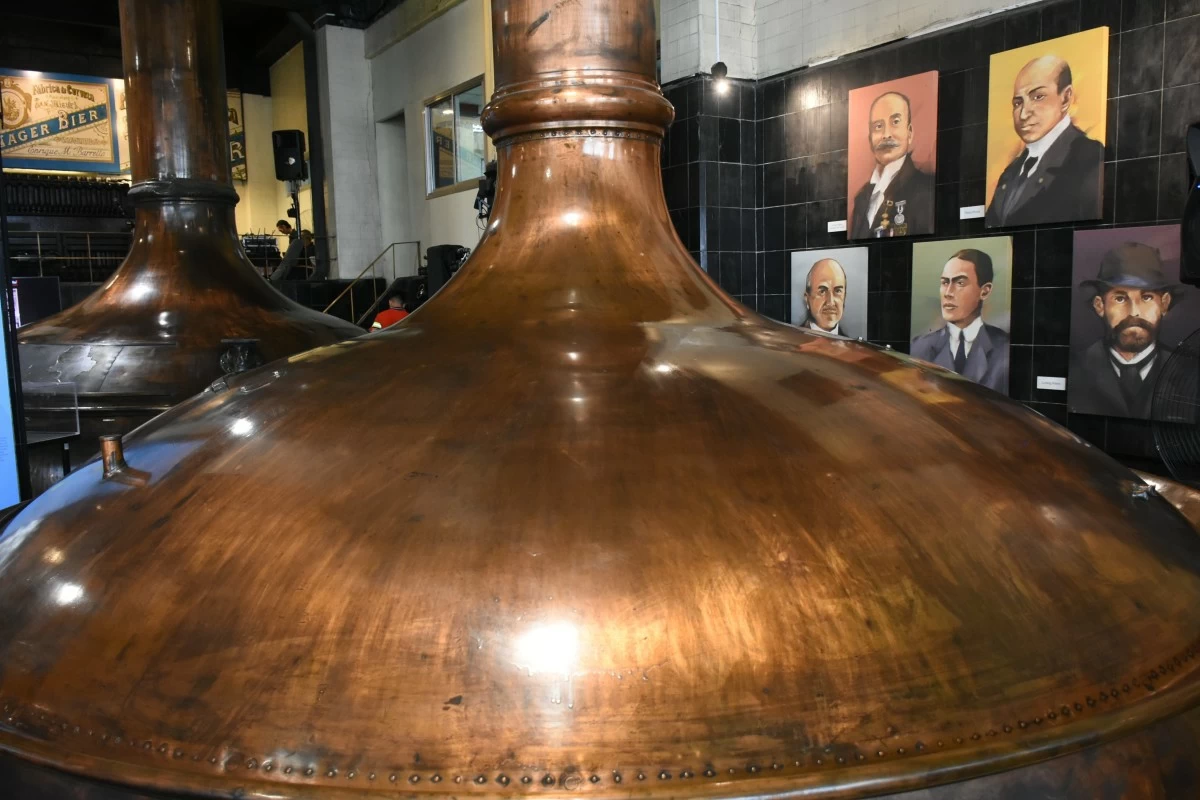
Among the items on display are pieces of brewing equipment once considered state of the art in their time. These include a mash filter used to separate liquid wort from solid grain during brewing, a washing machine used for filter cloths, an all-copper mash tun where the brewing process begins, and a mash kettle where the wort is boiled.
The exhibits also feature vintage labels and advertising materials from the 1950s through the 1990s, as well as various bottles and packaging designs developed by the brand through the decades.
“This tribute to San Miguel’s beginnings and milestones could not have been better placed. Polo Brewery is our oldest operating facility and it serves not just as a sentimental link to our past, but as a source of strength. It should remind us of our tradition of excellence and hard work through generations of employees. That same tradition powers our company today,” John said.
The brewery complex in Polo became central to San Miguel’s operations following World War II. After the destruction of Manila during the war, the company rebuilt its beer business at the Balintawak Beer Brewery in Polo, which it had acquired in 1947 when the area was still part of Bulacan.
One of the most significant artifacts in the collection is the royal patent issued by the Spanish government in 1890 granting founder Enrique Maria Barretto de Ycaza exclusive rights for 20 years to brew beer at La Fabrica de Cerveza de San Miguel in Manila.
Carlos said preserving the company’s history carries both pride and responsibility.
“You have to remember, while heritage is a privilege, it is also a responsibility. It is our responsibility to make sure this legacy continues for SMB,” he said.
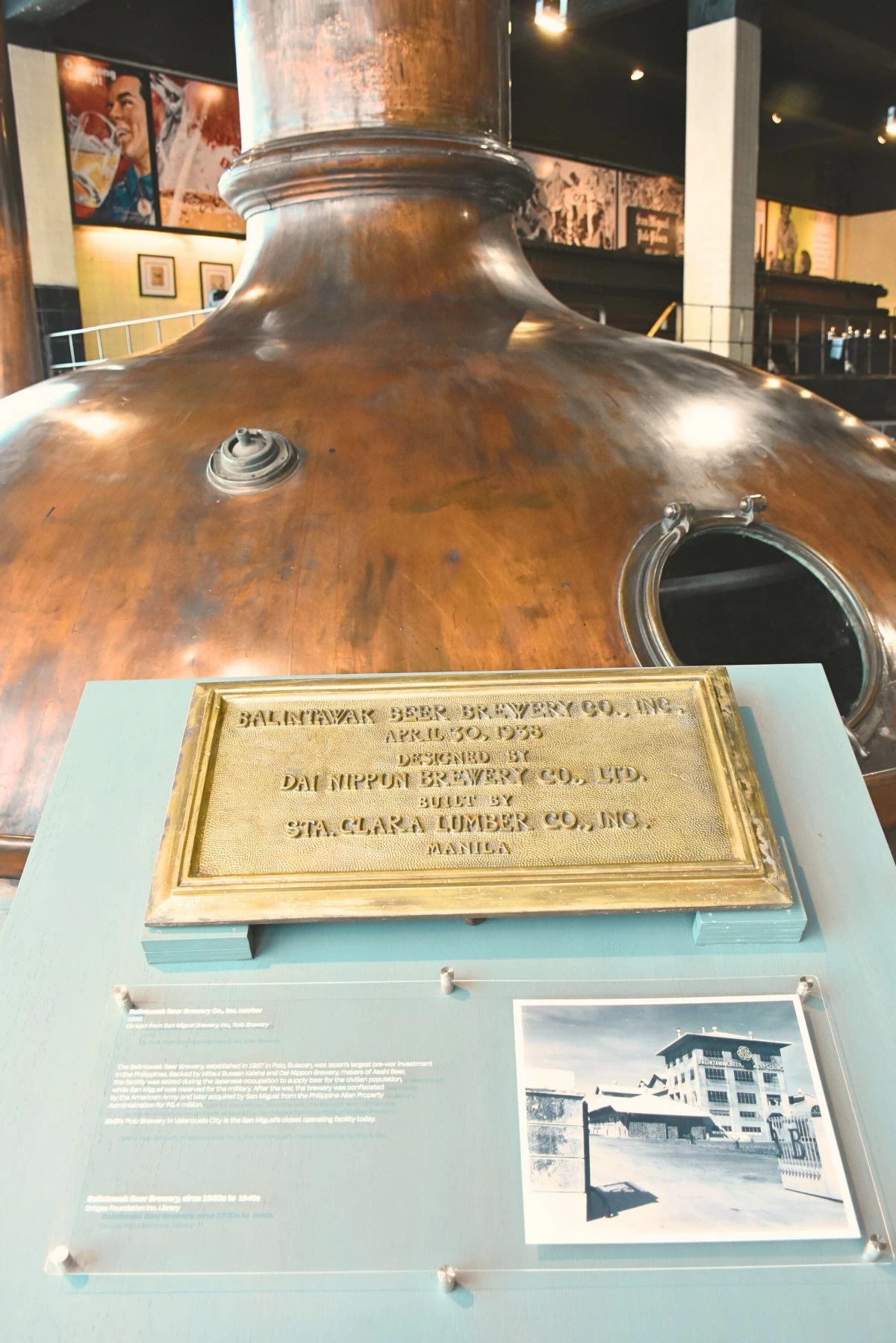
The original marker of the Balintawak Beer Brewery plant in Polo, Bulacan, which was acquired by San Miguel in 1947 to rebuild its beer brewing business after World War II.
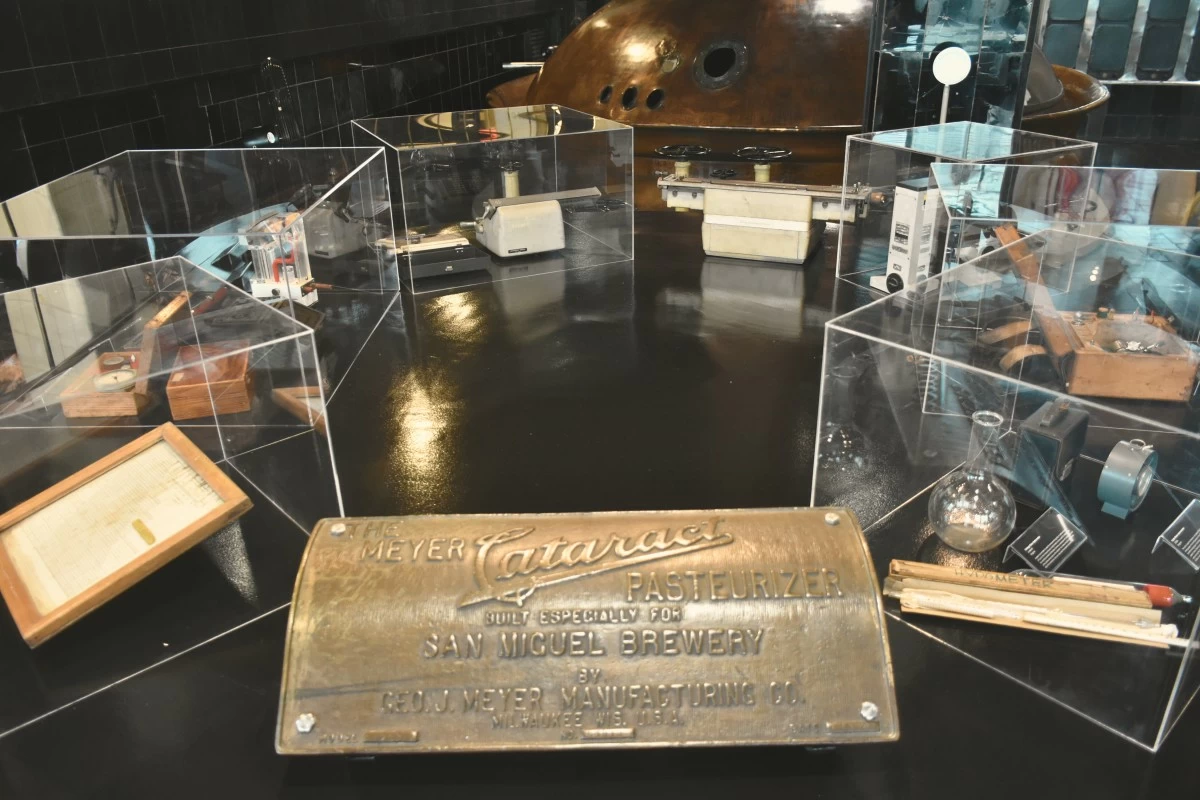
A collection of vintage tools used in the old brewery.
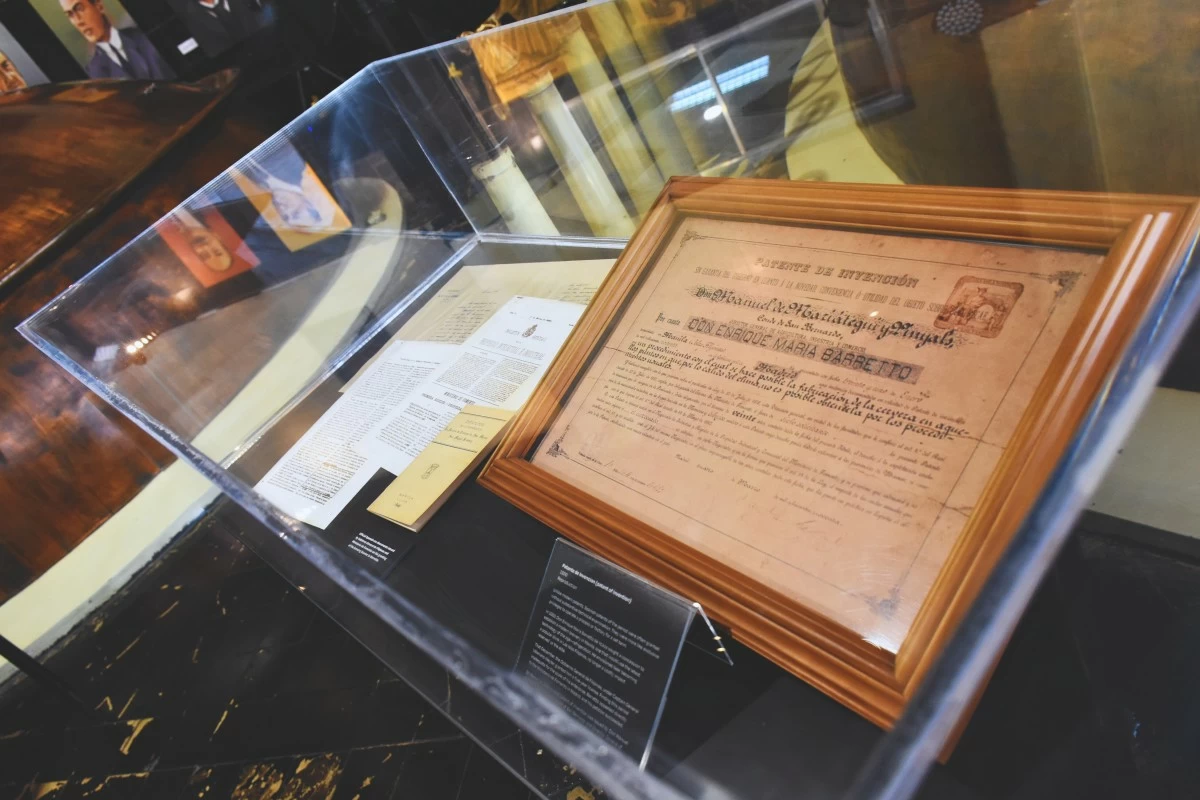
Perhaps, the most important artifact in the collection: the royal patent that gave Don Enrique Maria Barretto de Ycaza the exclusive rights to brew beer in Manila in 1890.
Efforts to establish the museum began as early as January 2000, with historical materials gradually collected through successive plant leaderships. Momentum toward completing the project accelerated in 2025 as the company marked its 135th anniversary.
For now, the Polo Brewery Museum is not open to the public. Visits are currently limited to employees and pre-arranged special tours, with the exhibits intended to highlight how brewing standards, workforce development and technological innovation helped sustain the company’s expansion for more than a century.
During the opening ceremony, Jose Manuel Alba, a former human resources officer of San Miguel Brewery, reflected on the human side of the company’s industrial history.
“Our rich history deserves to be honored even in a brewery like Polo — people need something that speaks to the heart,” Jose said. “Whether in San Miguel or in the public sector, the calling remains the same: Serve with your heart; struggle if you must; but always choose to be good.”
ADVERTISEMENT
.most-popular .layout-ratio{ padding-bottom: 79.13%; } @media (min-width: 768px) and (max-width: 1024px) { .widget-title { font-size: 15px !important; } }

{{ articles_filter_1561_widget.title }}

.most-popular .layout-ratio{ padding-bottom: 79.13%; } @media (min-width: 768px) and (max-width: 1024px) { .widget-title { font-size: 15px !important; } }

{{ articles_filter_1562_widget.title }}

.most-popular .layout-ratio{ padding-bottom: 79.13%; } @media (min-width: 768px) and (max-width: 1024px) { .widget-title { font-size: 15px !important; } }

{{ articles_filter_1563_widget.title }}

{{ articles_filter_1564_widget.title }}

.mb-article-details { position: relative; } .mb-article-details .article-body-preview, .mb-article-details .article-body-summary{ font-size: 17px; line-height: 30px; font-family: "Libre Caslon Text", serif; color: #000; } .mb-article-details .article-body-preview iframe , .mb-article-details .article-body-summary iframe{ width: 100%; margin: auto; } .read-more-background { background: linear-gradient(180deg, color(display-p3 1.000 1.000 1.000 / 0) 13.75%, color(display-p3 1.000 1.000 1.000 / 0.8) 30.79%, color(display-p3 1.000 1.000 1.000) 72.5%); position: absolute; height: 200px; width: 100%; bottom: 0; display: flex; justify-content: center; align-items: center; padding: 0; } .read-more-background a{ color: #000; } .read-more-btn { padding: 17px 45px; font-family: Inter; font-weight: 700; font-size: 18px; line-height: 16px; text-align: center; vertical-align: middle; border: 1px solid black; background-color: white; } .hidden { display: none; }
function initializeAllSwipers() { // Get all hidden inputs with cms_article_id document.querySelectorAll('[id^="cms_article_id_"]').forEach(function (input) { const cmsArticleId = input.value; const articleSelector = '#article-' + cmsArticleId + ' .body_images'; const swiperElement = document.querySelector(articleSelector); if (swiperElement && !swiperElement.classList.contains('swiper-initialized')) { new Swiper(articleSelector, { loop: true, pagination: false, navigation: { nextEl: '#article-' + cmsArticleId + ' .swiper-button-next', prevEl: '#article-' + cmsArticleId + ' .swiper-button-prev', }, }); } }); } setTimeout(initializeAllSwipers, 3000); const intersectionObserver = new IntersectionObserver( (entries) => { entries.forEach((entry) => { if (entry.isIntersecting) { const newUrl = entry.target.getAttribute("data-url"); if (newUrl) { history.pushState(null, null, newUrl); let article = entry.target; // Extract metadata const author = article.querySelector('.author-section').textContent.replace('By', '').trim(); const section = article.querySelector('.section-info ').textContent.replace(' ', ' '); const title = article.querySelector('.article-title h1').textContent; // Parse URL for Chartbeat path format const parsedUrl = new URL(newUrl, window.location.origin); const cleanUrl = parsedUrl.host + parsedUrl.pathname; // Update Chartbeat configuration if (typeof window._sf_async_config !== 'undefined') { window._sf_async_config.path = cleanUrl; window._sf_async_config.sections = section; window._sf_async_config.authors = author; } // Track virtual page view with Chartbeat if (typeof pSUPERFLY !== 'undefined' && typeof pSUPERFLY.virtualPage === 'function') { try { pSUPERFLY.virtualPage({ path: cleanUrl, title: title, sections: section, authors: author }); } catch (error) { console.error('ping error', error); } } // Optional: Update document title if (title && title !== document.title) { document.title = title; } } } }); }, { threshold: 0.1 } ); function showArticleBody(button) { const article = button.closest("article"); const summary = article.querySelector(".article-body-summary"); const body = article.querySelector(".article-body-preview"); const readMoreSection = article.querySelector(".read-more-background"); // Hide summary and read-more section summary.style.display = "none"; readMoreSection.style.display = "none"; // Show the full article body body.classList.remove("hidden"); } document.addEventListener("DOMContentLoaded", () => { let loadCount = 0; // Track how many times articles are loaded const offset = [1, 2, 3, 4, 5, 6, 7, 8, 9, 10]; // Offset values const currentUrl = window.location.pathname.substring(1); let isLoading = false; // Prevent multiple calls if (!currentUrl) { console.log("Current URL is invalid."); return; } const sentinel = document.getElementById("load-more-sentinel"); if (!sentinel) { console.log("Sentinel element not found."); return; } function isSentinelVisible() { const rect = sentinel.getBoundingClientRect(); return ( rect.top < window.innerHeight && rect.bottom >= 0 ); } function onScroll() { if (isLoading) return; if (isSentinelVisible()) { if (loadCount >= offset.length) { console.log("Maximum load attempts reached."); window.removeEventListener("scroll", onScroll); return; } isLoading = true; const currentOffset = offset[loadCount]; window.loadMoreItems().then(() => { let article = document.querySelector('#widget_1690 > div:nth-last-of-type(2) article'); intersectionObserver.observe(article) loadCount++; }).catch(error => { console.error("Error loading more items:", error); }).finally(() => { isLoading = false; }); } } window.addEventListener("scroll", onScroll); });

Sign up by email to receive news.