






Manila Bulletin
 Business
Trade & Industry
Philippines faces logistic shock as Mideast tensions threaten supply
Business
Trade & Industry
Philippines faces logistic shock as Mideast tensions threaten supply
Business
Trade & Industry
Philippines faces logistic shock as Mideast tensions threaten supply
Philippines faces logistic shock as Mideast tensions threaten supply
Published Mar 10, 2026 03:27 pm


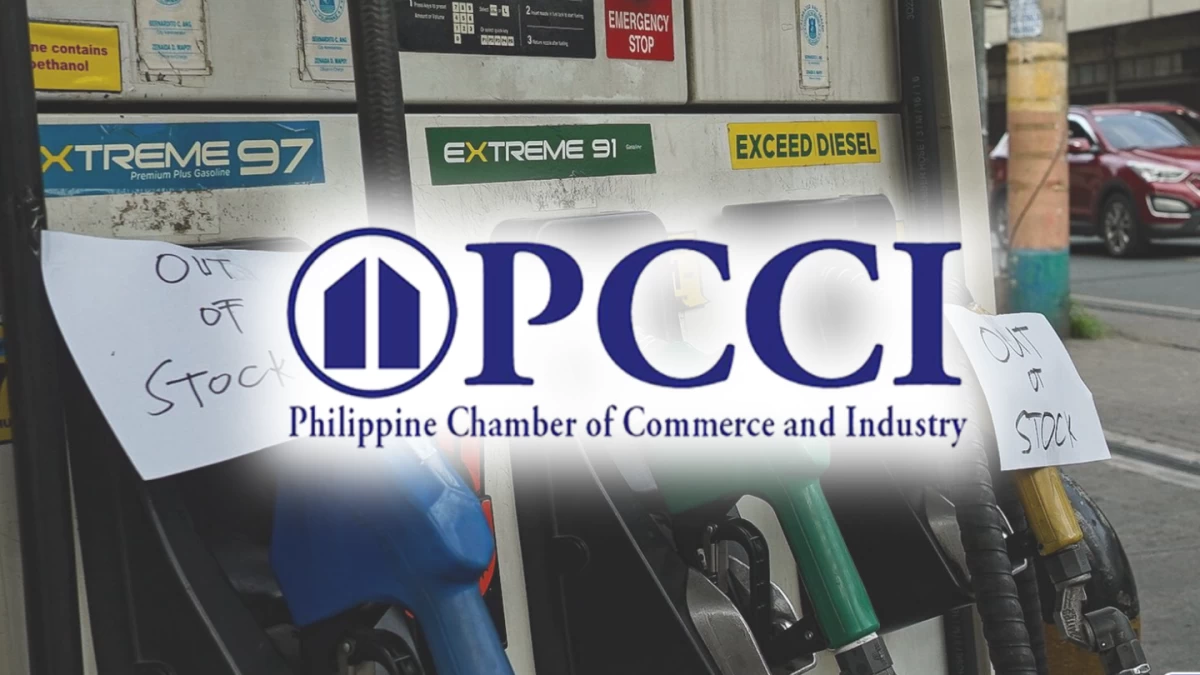
The Philippine Chamber of Commerce and Industry (PCCI), the nation’s largest business advocacy group, is calling for President Marcos to be granted emergency powers to stabilize energy costs amid escalating Middle East tensions, which threaten to trigger massive fuel price spikes.
In a statement, Perry Ferrer, PCCI president, warned that the economy risks a standstill if the market is forced to absorb looming price hikes without state intervention.
The business group is urging the Marcos administration to explore all available fiscal levers, including the temporary reduction of excise taxes and value-added tax (VAT), or the tapping of alternative funding buffers.
“We support whatever means – whether reducing excise tax, VAT, or tapping other funding sources - because we are in a crisis,” Ferrer said. “If the market cannot absorb these pending price increases, hindi tatakbo ang economy.”
The sense of urgency comes as the private sector braces for potential double-digit increases at the pump. Ferrer noted that the business community is particularly alarmed by projections of fuel transportation costs rising by ₱17 to ₱20 or more. Such a sharp adjustment would have an immediate, cascading effect on logistics and the retail price of essential goods.
“We are shocked when we hear ₱17-20 pesos or more increase in fuel transportation costs,” Ferrer said. “When fuel prices rise, the cost of moving goods increases immediately, and so do the prices of transporting goods.”
The chamber’s proposal centers on the government’s ability to “absorb” these shocks temporarily to prevent the type of volatility that paralyzes supply chains.
“Our request to government is to absorb temporarily the fuel price increases,” Ferrer said. “Hopefully, the President will be given the authority to exercise and use other means that will help cushion potential shocks this week or next week.”
Beyond domestic fiscal policy, the PCCI advises the Marcos administration to pursue high-level energy diplomacy with regional partners.
Because the Philippines relies heavily on refined fuel imports from neighbors such as Singapore, Malaysia, and South Korea, the chamber argues that securing supply guarantees is essential to preventing a shortage-driven price spiral.
In the meantime, corporations are already pivoting toward austerity. Ferrer noted that firms have activated cost-saving protocols, including a return to work-from-home arrangements, carpooling initiatives, and stricter energy management in commercial buildings.
“We certainly need to put temporary measures in place immediately to minimize impact of fuel hikes,” Ferrer said.