






Manila Bulletin
 Drive
Geely lays out its next-generation hybrid and EV direction for the Philippines
Drive
Geely lays out its next-generation hybrid and EV direction for the Philippines
Drive
Geely lays out its next-generation hybrid and EV direction for the Philippines
Geely lays out its next-generation hybrid and EV direction for the Philippines
Published Mar 10, 2026 09:05 pm


At A Glance
- Geely is tying its future EVs and PHEVs to one underlying architecture, the GEA platform.
- The company is putting equal weight on software, electronic architecture, powertrain integration, and structural design.
- Its next-generation plug-in hybrids are being framed as purpose-built electrified vehicles rather than ICE-based conversions.
- Safety, battery integration, and centralized vehicle control are central to the brand's message for markets such as the Philippines.

Geely is giving the Philippine market a clearer look at the thinking behind its next generation of electrified vehicles, with two closely linked themes at the center of the discussion: a new vehicle architecture and a stronger emphasis on intelligence in plug-in hybrid systems.
At the base of that push is the Global Electric Architecture, or GEA, a modular platform developed for electrified vehicles. Rather than focus only on battery size, range, or hybrid fuel economy, Geely is drawing attention to the structure underneath the vehicle, along with the electronic and software systems that tie everything together.
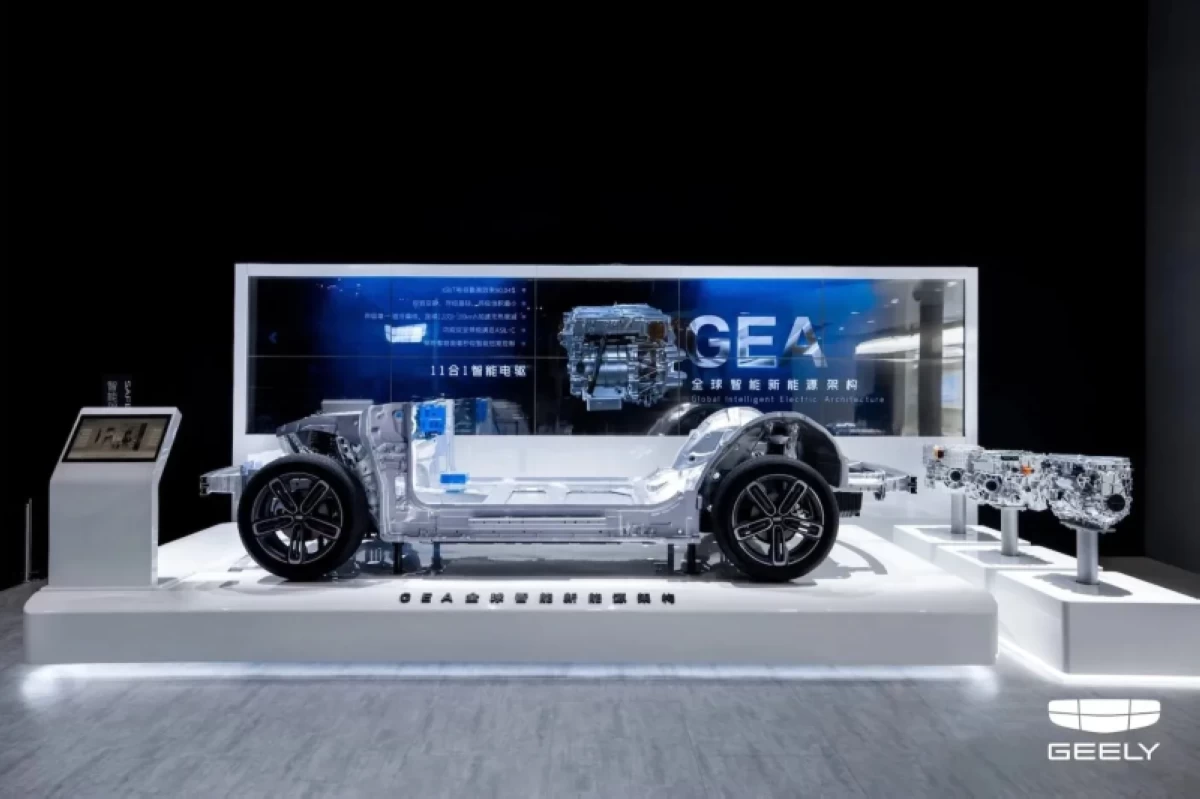
The idea is to build EVs and PHEVs around a common foundation instead of adapting older combustion-era layouts. In Geely’s case, that includes hardware, software, connectivity, and control systems designed to work as one package.
A major part of that approach is the company’s GEEA 3.0 electronic and electrical architecture. Geely says this setup consolidates 14 conventional control modules into two centralized units, reducing system complexity while allowing faster communication between vehicle functions. Using an Ethernet backbone with 100 Mbps transmission speed, the system is also intended to support quicker data exchange, connected features, and over-the-air updates.
That same platform logic carries over to Geely’s next-generation plug-in hybrids. Instead of being presented as electrified versions of existing combustion vehicles, these PHEVs are being positioned as models developed from the start around the requirements of electrified driving. The company says this allows closer coordination between the powertrain, the rest of the vehicle, and the software managing them.
One of the clearest examples is the 11-in-1 intelligent electric drive unit. Geely says the module combines the motor, electronic control, transmission, and cooling systems into a single compact assembly. The aim is to reduce energy loss, save space, cut weight, and lower the center of gravity. Geely places system efficiency at up to 92.5 percent.
The company also says the setup can automatically manage the shift between electric and fuel power depending on driving conditions, whether the vehicle is crawling through traffic or climbing uphill. Geely adds that engines developed for the platform can reach thermal efficiency of as much as 46.5 percent.
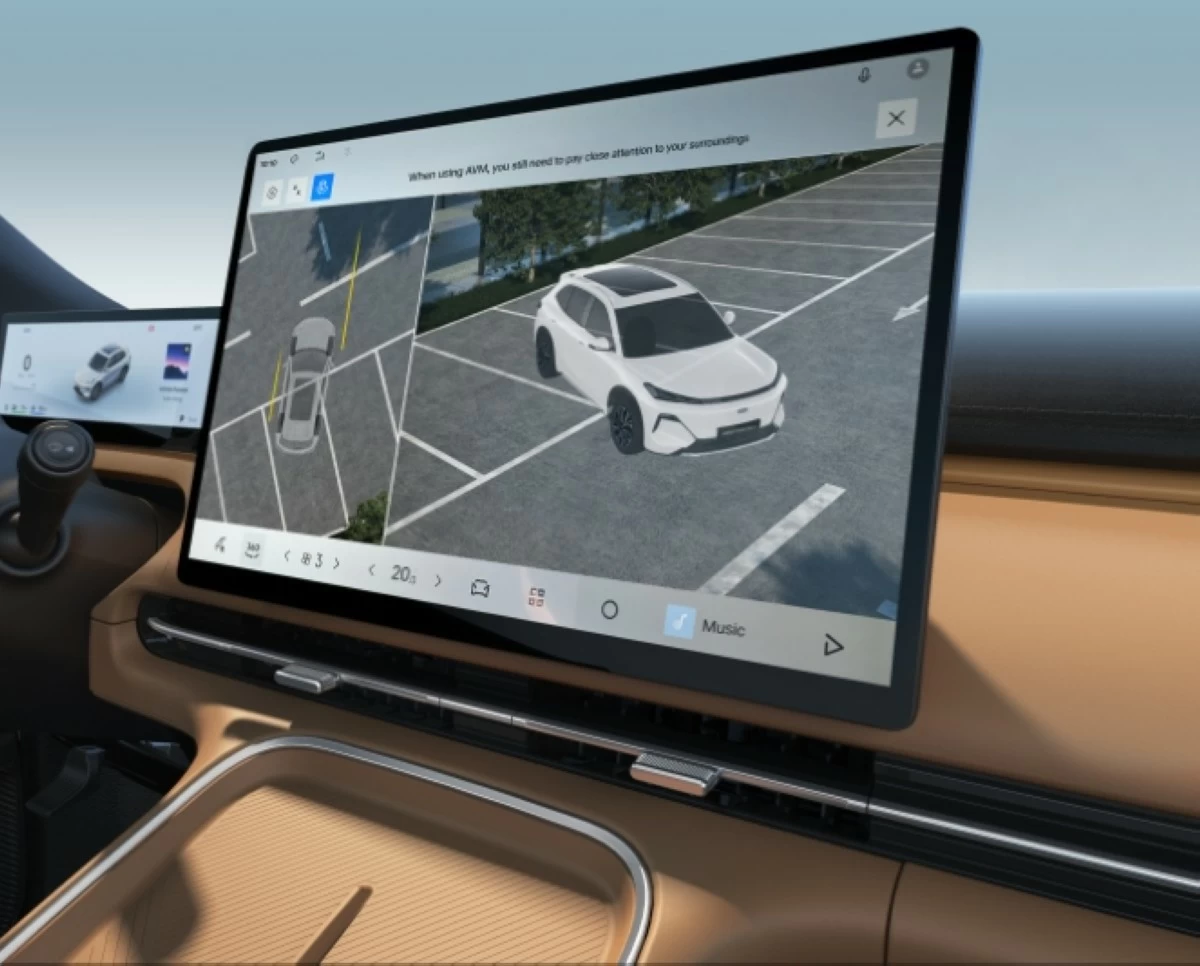
Inside the cabin, the story goes beyond propulsion. Geely says the architecture supports a broader digital ecosystem that includes high-resolution displays, the Flyme Auto OS infotainment system, and Flyme Sound audio with headrest speakers. In its next-generation hybrids, that translates to features such as a 15.4-inch HD screen and a 16-speaker audio system.
Comfort is also part of the package. Geely says its next-generation hybrid models use what it calls 5+1 layer seat technology, with ventilation and massage functions intended to improve long-drive comfort.
Safety remains a major part of the pitch. Geely says the GEA platform uses Cell-to-Body battery integration, which makes the battery part of the vehicle structure. According to the company, that helps protect the battery in a collision while improving body rigidity. Geely cites torsional stiffness of up to 31,000 Nm/deg.
For its plug-in hybrid application, Geely also points to its short blade battery cells, which it says are designed to improve structural stability. The battery system is also claimed to withstand tests that include seawater immersion, a point that Geely highlights in relation to flood-related concerns.
On the active safety side, Geely says its ADAS package can use up to 31 sensors to create a 360-degree safety zone around the vehicle. Features listed by the company include Autonomous Emergency Braking, Lane Keep Assist, Door Open Warning, and a 540-degree transparent chassis view that helps show the vehicle’s surroundings and the area directly underneath it.
These announcements offer an early look at the engineering and technology Geely plans to build around. The next question is which models for the Philippines will bring those developments to market. Stay tuned.